
Los Angeles, a city synonymous with dreams, glamour, and endless sunshine, stands as a global beacon for entertainment, innovation, and culture. From the iconic Hollywood Sign perched in the hills to the vibrant shores of Santa Monica and the bustling streets of Downtown, it beckons millions of visitors annually. But beneath its glittering façade lies a complex economic reality, particularly concerning the cost of living and, by extension, the minimum wage. For residents, especially those in the vital tourism and hospitality sectors, and for travelers planning their budget, understanding the minimum wage in Los Angeles is not just a matter of economics – it’s a crucial insight into the city’s lifestyle, accessibility, and the very fabric of its service industry.
The minimum wage serves as a fundamental economic benchmark, impacting everything from the price of a Beverly Hills coffee to the hourly rate of the diligent staff making your stay comfortable at a Hyatt resort. In a city where luxury travel often coexists with diverse communities striving for economic stability, the minimum wage reflects ongoing efforts to ensure a fair living for its workforce, while also influencing the operational costs for businesses, including world-class hotels, acclaimed restaurants, and popular attractions. This comprehensive guide will delve into the current minimum wage in Los Angeles, explore its implications for workers and the tourism sector, and offer insights for visitors navigating the city’s unique economic landscape.
Understanding Los Angeles’ Minimum Wage Landscape
The minimum wage in Los Angeles is not a static figure but rather a dynamic policy shaped by both city and California state regulations. For a city known for its progressive policies, Los Angeles has been at the forefront of implementing wage increases designed to help workers cope with one of the nation’s highest costs of living.
The Current Minimum Wage in the City of Angels
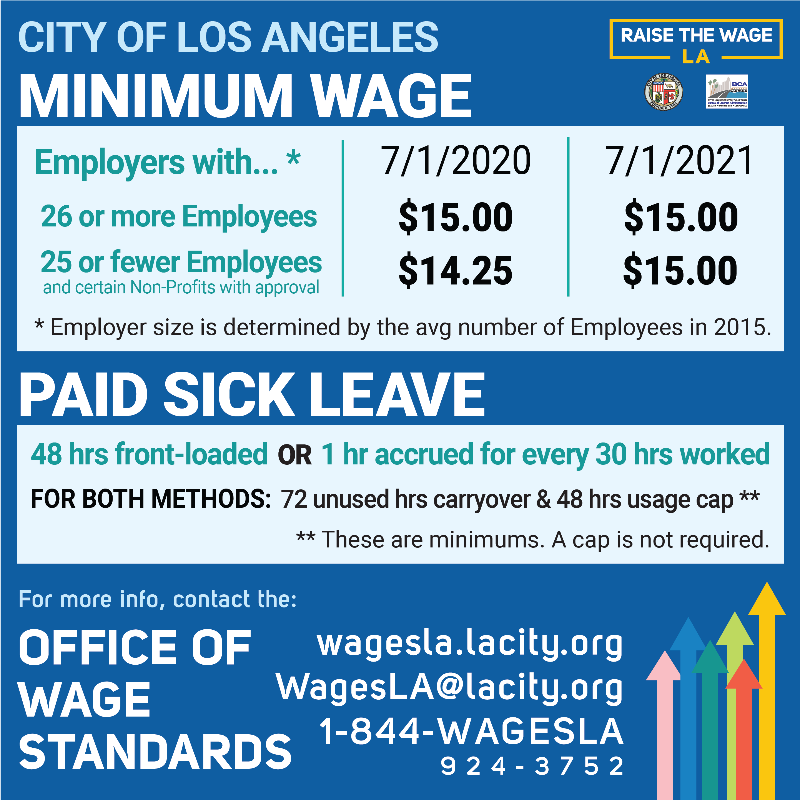
As of July 1, 2023, the minimum wage for the City of Los Angeles increased to $16.78 per hour for all employers, regardless of the number of employees. This rate applies specifically within the geographical boundaries of the City of Los Angeles. It’s important to distinguish this from the statewide minimum wage in California, which currently stands at $16.00 per hour as of January 1, 2024. The City of Los Angeles’s commitment to a higher local minimum wage reflects its proactive approach to addressing the economic challenges faced by its residents.
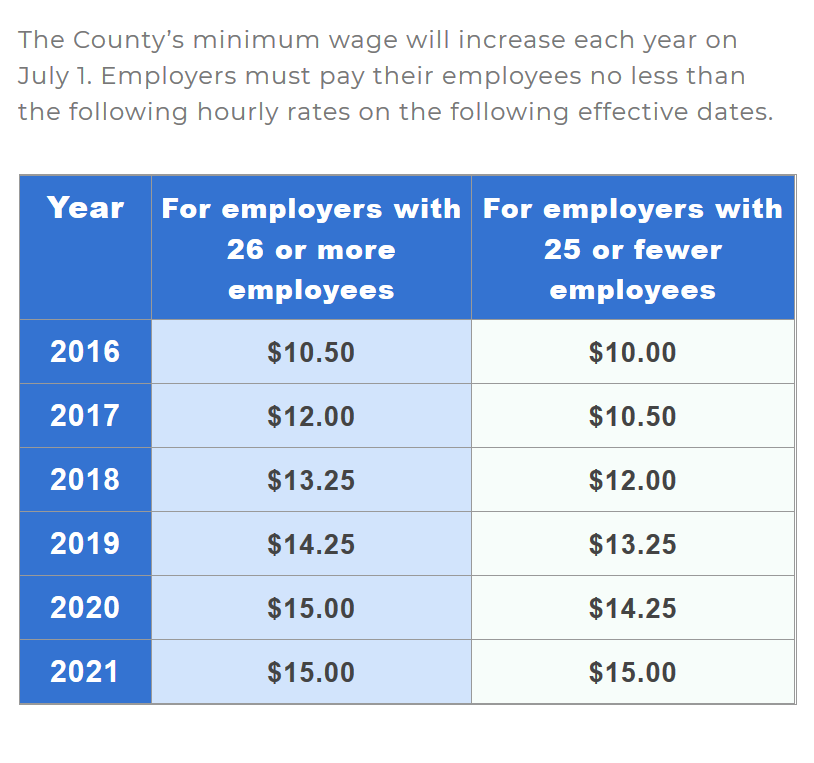
This progressive wage policy has been a gradual process. In 2015, the Los Angeles City Council voted to incrementally raise the minimum wage to $15 per hour by 2020 for larger businesses and by 2021 for smaller businesses. Subsequent adjustments have been tied to the Consumer Price Index for Urban Wage Earners and Clerical Workers in the Los Angeles-Long Beach-Anaheim metropolitan area, ensuring that wages keep pace with inflation to some extent. This commitment underscores a broader understanding of a “living wage” – an amount necessary to afford a basic standard of living – in a city where housing, transportation, and daily essentials can be prohibitively expensive.
Beyond the City Limits: Minimum Wage in Los Angeles County and Neighboring Cities
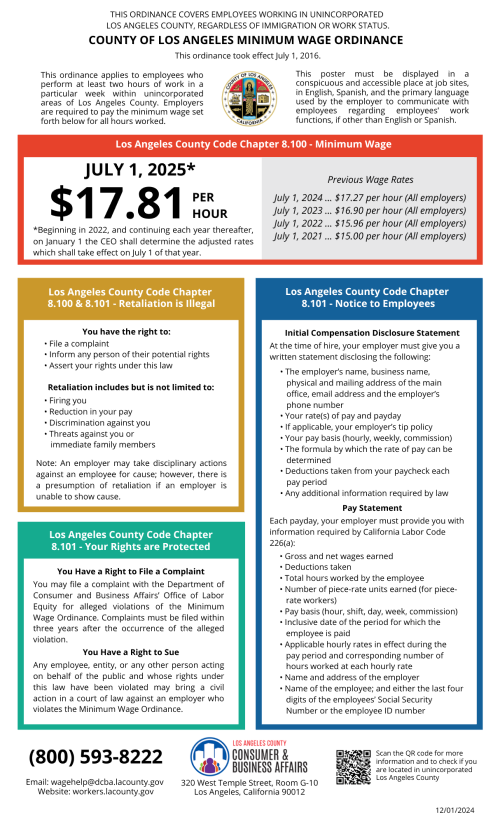
While the City of Los Angeles has its specific minimum wage, it’s crucial to understand that the broader Los Angeles County encompasses many other independent cities, each with the autonomy to set their own minimum wage rates. This creates a patchwork of regulations that can sometimes confuse both employees and employers.
For instance, cities like Santa Monica and West Hollywood, popular tourist destinations within Los Angeles County, often implement even higher minimum wages. As of July 1, 2023, the minimum wage in Santa Monica is $16.90 per hour, while West Hollywood has one of the highest in the nation, reaching $19.00 per hour for employers with 50 or more employees, and $18.50 for those with 49 or fewer. These variations highlight the localized efforts to address cost-of-living challenges and can significantly impact businesses and workers in these specific areas, especially within the thriving hospitality sectors.
For visitors, this means that the wages supporting the staff at a boutique hotel in West Hollywood could be different from those at a larger resort closer to the Los Angeles International Airport (LAX), potentially influencing service quality or even pricing structures over time.
The Cost of Living in Los Angeles: Why Minimum Wage Matters
The minimum wage in Los Angeles cannot be discussed in a vacuum; it is intrinsically linked to the exorbitant cost of living in the region. Understanding this connection is vital for appreciating the economic realities faced by residents and for travelers to effectively plan their budgets. Los Angeles consistently ranks among the most expensive cities in the world, influencing everything from hotel rates to the price of a movie ticket.
Navigating Accommodation and Housing Costs
One of the most significant expenditures in Los Angeles is housing. For residents earning minimum wage, securing affordable housing can be an immense challenge, often requiring long commutes from less expensive outlying areas. This impacts the quality of life for the workforce that largely underpins the city’s tourism industry – from hotel housekeepers and front desk staff to restaurant servers and retail assistants. The struggle to afford rent close to their workplaces means more time spent commuting, less time for leisure, and a higher strain on personal finances.
For tourists, this high cost of living translates directly into accommodation prices. Hotels, resorts, apartments, and villas across Los Angeles reflect the city’s overall economic environment. While there are options for every budget, from luxury stays at the Beverly Wilshire, A Four Seasons Hotel on Rodeo Drive to more budget-friendly motels, the baseline cost of a room often starts higher than in many other major cities. Factors like property taxes, operational costs, and, yes, competitive wages for staff contribute to these prices. Understanding this context can help travelers appreciate the value of their accommodation choices and the services provided.
Daily Expenses: Food, Transport, and Entertainment
Beyond accommodation, the everyday expenses in Los Angeles also reflect the high cost of living, which the minimum wage aims to address for residents. Dining out, grocery shopping, transportation, and entertainment activities can quickly add up. A simple meal at a casual eatery can easily cost more than in other parts of the country, and a trip to a major attraction like Universal Studios Hollywood or Disneyland (located just outside LA County in Orange County) represents a significant expense.
Public transportation options, while extensive, may not cover all areas efficiently, often leading residents and tourists alike to rely on ride-sharing services or rental cars, adding to the daily budget. The price of gasoline, insurance, and parking further exacerbates transportation costs. For a minimum wage earner, these expenses can make it difficult to save or even cover basic needs. For the budget-conscious traveler, careful planning around these daily costs is essential to enjoy the full range of Los Angeles experiences, from exploring the Getty Center‘s free admission to savoring street tacos from a local food truck rather than a high-end restaurant.
Minimum Wage and the Los Angeles Tourism and Hospitality Industry
The tourism and hospitality industry is a cornerstone of the Los Angeles economy, employing hundreds of thousands of individuals across hotels, restaurants, attractions, and various service roles. The minimum wage directly impacts the livelihoods of these workers and, consequently, the overall visitor experience.
Impact on Service Sector Employees
For many frontline workers in Los Angeles’s hotels, resorts, and restaurants, the minimum wage is their primary source of income. This includes the dedicated housekeepers who ensure your hotel suite is pristine, the friendly bellhops at the Millennium Biltmore Hotel assisting with luggage, the enthusiastic tour guides leading excursions to the Griffith Observatory, and the skilled servers at a bustling Hollywood eatery. The increase in minimum wage provides these individuals with greater financial stability, allowing them a better chance to afford the high cost of living in the city they serve.
A living wage can lead to improved morale, reduced staff turnover, and a higher quality of service. Employees who feel fairly compensated are more likely to be engaged and provide exceptional experiences for tourists. This directly contributes to Los Angeles’s reputation as a world-class travel destination, where hospitality is delivered with genuine care and professionalism. It’s a virtuous cycle: better wages attract and retain talent, leading to a stronger, more vibrant service industry.
Implications for Businesses and Consumer Prices
While beneficial for workers, minimum wage increases do present operational challenges for businesses in the hospitality sector. Hotels, restaurants, and attraction operators must absorb these higher labor costs. This can lead to various adjustments, such as optimizing staff schedules, investing in technology to improve efficiency, or, in some cases, modest increases in prices for goods and services.
For travelers, this might mean that the cost of a hotel room at a Marriott property, a meal at a popular Venice Beach restaurant, or an admission ticket to a theme park reflects these increased labor expenses. However, many businesses also see the value in investing in their workforce, understanding that well-compensated employees are critical to delivering the high-quality experiences that discerning travelers expect in Los Angeles. The long-term sustainability of the tourism industry in Los Angeles relies on a delicate balance between competitive pricing for visitors and fair wages for the local workforce. It’s a key component of the city’s overall economic health and its appeal as both a place to live and a place to visit.
Living the Los Angeles Lifestyle on a Minimum Wage Budget
Navigating Los Angeles on a budget, whether as a resident earning minimum wage or as a budget-conscious traveler, requires strategic planning and an appreciation for the city’s diverse offerings. Despite the high costs, Los Angeles abounds with experiences that don’t break the bank.
Budget-Friendly Exploration and Experiences
For those with limited funds, Los Angeles offers a wealth of free and low-cost activities that showcase its unique charm and culture.
- Nature and Views: Enjoy breathtaking panoramic views from the Griffith Observatory (admission to the grounds and some exhibits is free), hike the trails in Runyon Canyon Park for celebrity sightings and city vistas, or simply relax on the picturesque beaches of Malibu or Laguna Beach.
- Cultural Immersion: Wander through the vibrant boardwalk of Venice Beach, explore the street art and murals in the Arts District, or stroll along the Hollywood Walk of Fame. Many museums, like the Getty Center and the California Science Center, offer free general admission, though parking fees may apply.
- Local Delights: Indulge in affordable yet delicious food experiences at local farmers’ markets, food truck gatherings, or diverse ethnic eateries in neighborhoods like Koreatown or Olvera Street.
These experiences allow both residents and tourists to immerse themselves in the authentic Los Angeles lifestyle without straining their wallets. Budget travel in LA is about discovering the city’s soul beyond its glamorous stereotypes.
Future Outlook: The Evolving Economic Landscape of Los Angeles
The debate around minimum wage and its role in creating a more equitable society continues in Los Angeles and across the nation. Advocates push for further increases, often citing the ever-rising cost of living and the concept of a true “living wage” that extends beyond basic survival to allow for a decent quality of life, including savings and discretionary spending. Businesses, on the other hand, carefully weigh the impact on their operational viability and competitiveness.
Future adjustments to the minimum wage in Los Angeles will likely continue to be tied to inflation and broader economic indicators. These changes will invariably affect the city’s economic landscape, influencing decisions around business investment, employment rates, and consumer spending. For the global traveler, this means the dynamic economic environment of Los Angeles will continue to shape the nuances of their visit – from the pricing of their accommodation to the overall vibrancy of the service industry. As Los Angeles continues to evolve as a major global city, its commitment to fair wages will remain a critical factor in maintaining its status as an attractive destination for both residents and tourists seeking exceptional experiences.
In conclusion, the minimum wage in Los Angeles is far more than just an hourly rate; it’s a reflection of the city’s values, its economic challenges, and its dedication to fostering a thriving community. For residents, it’s a vital tool for navigating the high cost of living. For visitors, understanding this economic backbone provides deeper insight into the city’s operations, the quality of its tourism and hospitality services, and the true cost of experiencing the City of Angels. Whether you’re planning a luxurious escape or a budget-friendly adventure, the minimum wage story of Los Angeles is an essential part of its captivating narrative.
LifeOutOfTheBox is a participant in the Amazon Services LLC Associates Program, an affiliate advertising program designed to provide a means for sites to earn advertising fees by advertising and linking to Amazon.com. Amazon, the Amazon logo, AmazonSupply, and the AmazonSupply logo are trademarks of Amazon.com, Inc. or its affiliates. As an Amazon Associate we earn affiliate commissions from qualifying purchases.