
The question “How far is London from New York?” transcends a simple mileage figure. It delves into the essence of global connectivity, the marvels of modern travel, and the vibrant cultural exchange between two of the world’s most influential cities. For avid travelers, business professionals, or anyone simply curious about traversing the Atlantic Ocean, understanding this journey involves more than just geographical distance; it encompasses flight times, time zone shifts, the logistics of travel, and the distinct experiences awaiting on either side.
These two metropolises, one the historic heart of the United Kingdom and Europe, the other a dynamic beacon of the United States and North America, have long shared a special relationship. They are both financial powerhouses, cultural epicenters, and tourist magnets, drawing millions of visitors annually. Whether you’re planning a sophisticated city break, a crucial business trip, or a lengthy exploration, the journey between London and New York is a quintessential transatlantic experience, offering a blend of efficiency and adventure.

The Geographic and Perceptual Divide
At its core, the distance between London and New York is a matter of geography, spanning continents and oceans. However, in the age of rapid air travel, this physical distance often feels less significant than the time it takes to traverse it, and the cultural leap involved in moving between these two distinct yet connected global hubs.
Measuring the Miles: Actual Distance
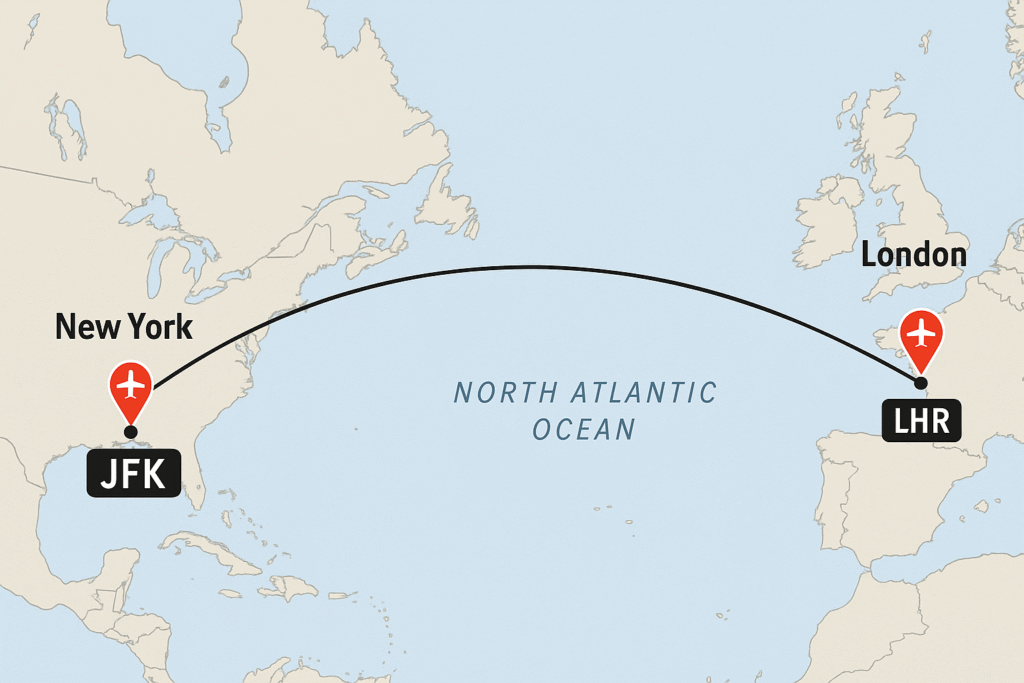
The great circle distance, which is the shortest distance between two points on the surface of a sphere (like Earth), from London to New York is approximately 3,450 miles (5,550 kilometers). This measurement is typically taken between major international airports in each city, such as Heathrow Airport (LHR) in London and John F. Kennedy International Airport (JFK) in New York.
While the number seems substantial, modern aviation has made this journey a routine undertaking for millions. This remarkable distance underscores the advancements in flight technology and the efficiency of global air routes. It’s a testament to human ingenuity that a journey once taking weeks by sea can now be completed in a matter of hours.
Bridging the Atlantic: Flight Times and Routes
For the vast majority of travelers, flying is the only practical way to cross the Atlantic between these two cities. The average non-stop flight duration typically ranges from 7 to 8 hours when flying westward from London to New York, and slightly shorter, around 6 to 7 hours, when flying eastward from New York to London. This difference is primarily due to the prevailing tailwinds that assist eastbound flights.
Several major airlines operate multiple daily non-stop flights on this popular route. Carriers like British Airways, Virgin Atlantic, Delta Air Lines, and United Airlines offer extensive options, catering to various budgets and preferences, from economy to first class. These flights typically depart from London’s main international airports, Heathrow and Gatwick Airport, and arrive at New York’s JFK, Newark Liberty International Airport (EWR), or sometimes LaGuardia Airport (LGA) for domestic connections.
Beyond the flight time, travelers must also account for the significant time difference. London operates on Greenwich Mean Time (GMT) or British Summer Time (BST), which is typically five hours ahead of New York’s Eastern Standard Time (EST) or Eastern Daylight Time (EDT). This time shift often results in jet lag, especially for those flying eastward. Preparing for this by adjusting sleep patterns beforehand, staying hydrated, and minimizing caffeine and alcohol can help mitigate its effects.
Navigating Transatlantic Travel
Traveling between London and New York is more than just booking a ticket; it’s about strategic planning to ensure a smooth and enjoyable experience. From selecting the right airline to understanding airport logistics and visa requirements, every detail contributes to a successful journey.
Choosing Your Airline and Class
The choice of airline and travel class can significantly impact your transatlantic journey.
- Economy Class: Offers the most budget-friendly option, with standard seating and amenities. Ideal for travelers prioritizing cost.
- Premium Economy: A step up, providing more legroom, wider seats, enhanced meal service, and often priority boarding. A great compromise for comfort without the full business class price tag.
- Business Class: Features lie-flat seats, gourmet dining, dedicated lounge access, and superior service. Perfect for business travelers or those seeking luxury and rest.
- First Class: The pinnacle of air travel, offering private suites, personalized service, and exclusive amenities. This is a luxury travel experience par excellence.
When choosing, consider:
- Price: Fares fluctuate based on demand, booking time, and seasonality.
- Loyalty Programs: Frequent flyers may prefer airlines where they can earn or redeem points.
- Comfort: Particularly important for an 8-hour flight.
- Schedule: Direct flights are almost always preferred to avoid layovers and potential delays.
- Airport Preferences: Some travelers may prefer flying into JFK for its proximity to Manhattan, while others might find Newark more convenient.
Booking in advance, especially during peak seasons (summer, holidays), is crucial for securing good prices and preferred flight times. Using flight comparison websites can help find the best deals, but always check the airline’s direct website for exclusive offers or better seat selection.
Essential Travel Tips for Intercontinental Journeys
- Visa and Entry Requirements: Ensure your passport is valid for at least six months beyond your intended stay. United Kingdom citizens traveling to the United States typically need an ESTA (Electronic System for Travel Authorization) approval, while United States citizens visiting the United Kingdom usually don’t need a visa for tourist stays up to six months. Always check the latest requirements before booking.
- Packing Smart: Given the differences in climate and activities, pack versatile clothing. For London, layers are key, and a waterproof jacket is almost always a good idea. In New York, seasons are more distinct, with hot summers and cold winters. Remember universal travel adapters for electronics.
- Connectivity: Consider an international roaming plan, a local SIM card, or a portable Wi-Fi device to stay connected. Free Wi-Fi is widely available in both cities, but having reliable data on the go is invaluable.
- Health and Safety: Travel insurance is highly recommended. Be aware of local emergency numbers and carry any necessary medications in your carry-on luggage.
- Jet Lag Management: Stay hydrated, avoid excessive caffeine and alcohol, try to adjust your sleep schedule to the destination’s time zone a few days before departure, and expose yourself to natural light upon arrival.
- Airport Transfers: Plan your journey from the airport to your accommodation in advance. Both London (Heathrow Express, Gatwick Express, Tube) and New York (AirTrain, subway, taxis, ride-shares) offer various efficient options.
Embracing Two Worlds: London vs. New York Experience
Beyond the journey itself, the ultimate reward is the immersive experience each city offers. While both are global hubs, their unique cultures, histories, and attractions provide distinct adventures.
Cultural Immersion and Iconic Landmarks
Both London and New York boast an incredible array of landmarks and cultural experiences.
In London, expect:
- Historic Majesty: Explore Buckingham Palace, witness the grandeur of the Houses of Parliament and Big Ben, delve into history at the Tower of London, and marvel at Westminster Abbey or St. Pauls Cathedral.
- World-Class Museums: The British Museum, National Gallery, and Victoria and Albert Museum offer unparalleled collections.
- Vibrant Entertainment: Catch a show in the West End, explore the bustling markets of Covent Garden and Borough Market, or enjoy a panoramic view from the London Eye or The Shard.
- Gastronomy: From traditional pub fare to Michelin-starred dining in Mayfair or street food in Shoreditch, London’s food scene is incredibly diverse.
In New York, immerse yourself in:
- Iconic Skyscrapers and Views: Ascend the Empire State Building, visit the Statue of Liberty and Ellis Island, and walk across the Brooklyn Bridge.
- Arts and Culture: Experience the spectacle of Broadway, explore the vast collections of the Metropolitan Museum of Art, the Museum of Modern Art (MOMA), or the Guggenheim Museum.
- Green Spaces and Urban Oases: Stroll through Central Park, wander the elevated park of the High Line, or discover the unique charm of Greenwich Village.
- Culinary Delights: From world-class dining in Manhattan to diverse ethnic cuisines in Queens and Brooklyn pizza, New York is a global food capital.
Both cities offer endless opportunities for local culture, food, and activities, catering to every interest. Whether it’s the regal history of London or the pulsating modern energy of New York, travelers are guaranteed a rich and memorable experience.
Accommodation and Lifestyle Choices
When it comes to accommodation and lifestyle experiences, both cities excel, offering options for every type of traveler and budget.
Hotels and Stays:
- Luxury: In London, establishments like The Ritz London, The Savoy, or Claridges offer unparalleled elegance. New York counters with The Plaza Hotel, St. Regis, or the Mandarin Oriental, providing opulent experiences.
- Boutique Hotels: Both cities are brimming with charming boutique hotels that offer unique aesthetics and personalized service in neighborhoods like Soho (London or New York), Greenwich Village, or Kensington.
- Mid-Range and Budget: Numerous chain hotels, apartments, and guesthouses provide comfortable stays without breaking the bank. For longer stays or family trips, serviced apartments or villas can be cost-effective and provide amenities like kitchens.
- Hostels: For the budget traveler, hostels in prime locations offer a social and affordable way to experience the cities.
Lifestyle and Travel Styles:
- Luxury Travel: Indulge in high-end shopping on Bond Street in London or Fifth Avenue in New York, enjoy private tours, and dine at Michelin-starred restaurants.
- Budget Travel: Utilize public transport, explore free museums and parks, take advantage of happy hour deals, and seek out affordable street food or markets for meals.
- Family Trips: Both cities offer family-friendly attractions, from interactive museums and zoos to parks and theatrical performances adapted for younger audiences. Look for hotels with suites or resorts with family amenities.
- Business Stays: Central locations, proximity to financial districts (The City of London or Wall Street), reliable Wi-Fi, and executive lounges are key considerations. Many hotels cater specifically to business travelers.
Booking your accommodation often involves careful research, comparing reviews, and understanding the specific amenities offered. Websites like lifeoutofthebox.com provide detailed guides, reviews, and comparison tools to help you find the perfect stay, whether it’s a short city break or a long-term stay.

Planning Your Perfect Transatlantic Journey
The journey between London and New York is more than a geographical crossing; it’s a bridge between two distinct cultures, economies, and lifestyles. While the physical distance of approximately 3,450 miles might seem daunting, modern air travel has compressed it into a manageable 6-8 hour flight, making these two global powerhouses remarkably accessible to each other.
Whether your purpose is business or leisure, a transatlantic trip demands thoughtful planning. From navigating visa requirements and choosing the right airline and class to managing jet lag and selecting suitable accommodation, every step contributes to the overall success and enjoyment of your trip. Both cities offer a kaleidoscope of attractions, from London’s historic River Thames and royal palaces to New York’s towering skyscrapers and vibrant neighborhoods like The Bronx and Staten Island, all promising unforgettable experiences.
Ultimately, the question of “How far is London from New York?” is answered not just in miles or hours, but in the seamless connection that allows travelers to transition from the Old World charm to the New World dynamism in less than a day. It’s a journey that showcases the best of international tourism and the incredible ease with which we can now explore the farthest reaches of our globe. So, pack your bags, prepare for adventure, and get ready to bridge the Atlantic for an extraordinary travel experience.
LifeOutOfTheBox is a participant in the Amazon Services LLC Associates Program, an affiliate advertising program designed to provide a means for sites to earn advertising fees by advertising and linking to Amazon.com. Amazon, the Amazon logo, AmazonSupply, and the AmazonSupply logo are trademarks of Amazon.com, Inc. or its affiliates. As an Amazon Associate we earn affiliate commissions from qualifying purchases.