
Understanding the temperature in Los Angeles is far more complex and fascinating than a simple number on a weather app. This sprawling metropolis in Southern California is renowned for its generally sunny skies and pleasant climate, yet it boasts an incredible diversity of microclimates that can see temperatures fluctuate wildly from one neighborhood to the next on any given day. For travelers, hoteliers, and anyone looking to experience the vibrant lifestyle of LA, grasping these nuances is key to planning the perfect trip, selecting ideal accommodation, and making the most of every tourism opportunity.

Los Angeles is a city that defies easy categorization, and its weather is no exception. While the general perception is one of eternal sunshine, the reality offers a more intricate tapestry of atmospheric conditions, influenced by its proximity to the Pacific Ocean, diverse topography, and urban sprawl. Whether you’re dreaming of sun-drenched beaches, invigorating hikes in the hills, or exploring world-class museums, the temperature will play a pivotal role in shaping your experience. This guide delves into the intricate climate of Los Angeles, offering insights into what temperatures to expect throughout the year and how to best prepare for them, ensuring your visit is as comfortable and enjoyable as possible.
Understanding Los Angeles’s Unique Climate
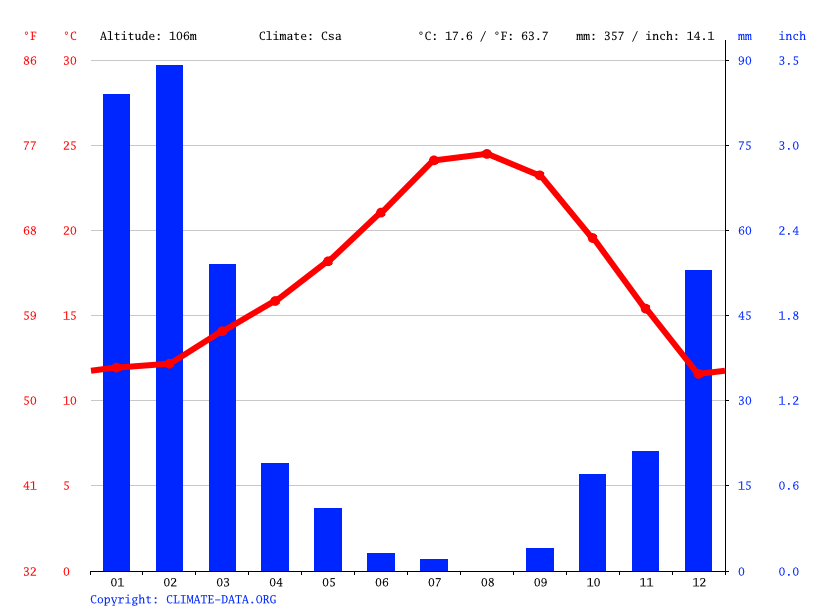
At its core, Los Angeles experiences a Mediterranean climate, characterized by mild, wet winters and hot, dry summers. However, this broad classification only scratches the surface of what makes LA’s weather so distinctive. The interplay of geography – from coastal plains to mountain ranges and expansive valleys – creates a patchwork of microclimates that can often feel like entirely different seasons within a single city.
The Influence of Microclimates
One of the most remarkable aspects of Los Angeles weather is its pronounced microclimates. It’s not uncommon for coastal areas like Santa Monica or Malibu to be 10-15 degrees Fahrenheit cooler than inland regions such as the San Fernando Valley or Pasadena, especially during summer afternoons. This phenomenon is primarily due to the marine layer, a cool, moist air mass that often blankets the coastal areas, particularly in late spring and early summer.
- Coastal Areas (e.g., Santa Monica, Malibu): These regions benefit from the direct influence of the Pacific Ocean. Summers are warm but rarely scorching, with average highs often in the low to mid-70s F (21-24°C). Winters are mild, with daytime temperatures typically in the mid-60s F (18-20°C). The “June Gloom” or “May Gray” phenomenon is prevalent here, where overcast skies persist until midday or early afternoon before burning off to reveal sunshine.
- Basin and Hills (e.g., Beverly Hills, Hollywood, Downtown Los Angeles): As you move slightly inland, the marine influence lessens. Temperatures here are generally warmer than the coast but still more moderate than the valleys. Summers can see highs in the 80s F (27-32°C), while winters remain pleasant, usually in the upper 60s F (19-21°C). The air tends to be drier, and sunshine is more consistent throughout the day, even during the “gloom” months, which are typically less pronounced further from the coast.
- Valleys (e.g., San Fernando Valley): The San Fernando Valley is a prime example of LA’s distinct microclimates. Shielded by mountains from the direct ocean breeze, it experiences significantly hotter summers, with average highs frequently climbing into the 90s F (32-37°C) and occasional spikes well over 100°F (38°C). Winters are still mild but can see cooler nighttime temperatures than the coastal or basin areas, sometimes dropping into the low 40s F (4-7°C).
Understanding these variations is critical for travelers. A morning stroll on Santa Monica Pier might require a light jacket, while an afternoon exploring Universal Studios Hollywood in the San Fernando Valley could necessitate shorts and sunscreen.
Seasonal Overviews: A Year in LA Weather
While Los Angeles rarely experiences extreme seasons like much of the world, each period offers a distinct atmospheric flavor.
- Spring (March – May): This is often considered one of the best times to visit LA. Temperatures are mild and pleasant across the board, ranging from the mid-60s F (18-20°C) on the coast to the upper 70s F (24-26°C) inland. Rain is rare, and the landscape is still green from winter showers. The infamous “May Gray” can sometimes bring overcast mornings to coastal areas, but it usually burns off by afternoon.
- Summer (June – August): Summers are generally hot and dry. Coastal areas enjoy highs in the low to mid-70s F (21-24°C), often accompanied by the marine layer in June and early July. Inland areas, especially the valleys, regularly see temperatures in the 90s F (32-37°C) or higher. Humidity is typically low, making even higher temperatures feel more tolerable than in humid climates. This is peak travel season, perfect for beach activities and water parks.
- Fall (September – November): Often the most delightful season in Los Angeles. The oppressive summer heat usually breaks by mid-September, but warm, sunny days persist well into October. “Indian Summer” days can bring very warm temperatures, sometimes exceeding August averages, especially due to Santa Ana winds. Averages range from the mid-70s F (24-26°C) to mid-80s F (27-30°C) inland, with less humidity than summer. This is an excellent time for outdoor attractions and exploring landmarks.
- Winter (December – February): Winters are mild, sunny, and occasionally wet. Daytime temperatures across the region generally hover in the mid-60s F (18-20°C), though nights can drop to the mid-40s F (7-10°C), especially inland. Rain typically occurs in infrequent, concentrated storms, accounting for most of the city’s annual precipitation. Snow is virtually unheard of in the city itself but can be found in nearby mountain resorts. This is a quieter tourism season, ideal for visiting museums or enjoying fewer crowds at popular sites.
Planning Your Los Angeles Trip: Weather-Wise Travel Tips
The variable nature of Los Angeles’s climate means that smart planning is essential for a seamless travel experience. Your choice of timing can significantly impact not only the activities you enjoy but also your comfort level and even the best accommodation options.
Best Times to Visit for Specific Experiences
Matching your travel dates to your desired activities can enhance your Los Angeles adventure.
- For Beach Lovers and Water Activities: The peak summer months of July and August offer the warmest ocean temperatures and the most consistent beach weather, especially further from the coast. However, late spring (May/June) and early fall (September/October) can also be excellent, with pleasant air temperatures and fewer crowds. Be mindful of “June Gloom” which can mean cooler, overcast mornings at the beach.
- For Theme Park Enthusiasts (e.g., Universal Studios Hollywood, Disneyland Park): While popular year-round, theme parks can be intensely hot in the summer, especially in the valleys. Spring and fall offer the most comfortable temperatures for long days of walking and outdoor rides. Early November and late January/February can provide cooler weather and significantly fewer crowds.
- For Hiking and Outdoor Exploration (e.g., Runyon Canyon Park, Griffith Observatory): Spring (March-May) and Fall (September-November) are ideal. The weather is cool enough for strenuous activity, and the hillsides can be beautifully green in spring after winter rains. Summer hikes should be planned for early mornings to avoid the intense heat.
- For Sightseeing and Urban Exploration (e.g., Downtown LA, Hollywood Walk of Fame, Getty Center): Fall (September-November) and Spring (March-May) are prime times. The comfortable temperatures make walking around the city, exploring outdoor landmarks, and enjoying outdoor dining a true pleasure. Winter can also be great for exploring museums and indoor attractions without the heat.
- For Luxury Travel and Spa Retreats: Los Angeles’s luxury hotels and resorts are equipped to provide comfort year-round. However, the mild temperatures of spring and fall allow for maximum enjoyment of outdoor amenities like pools and patios without the intense summer heat or potential winter chill.
What to Pack: Essential Guide for Every Season
Given LA’s microclimates, versatility is key when packing. Layering is always recommended, regardless of the season.
- Spring & Fall:
- Day: Light long-sleeved shirts, t-shirts, light jeans or pants, shorts.
- Evening: A medium-weight jacket, light sweater, or cardigan is essential as evenings can cool down considerably, especially on the coast.
- Footwear: Comfortable walking shoes are a must. Sandals or fashionable sneakers for evenings.
- Accessories: Sunglasses, sunscreen, a hat for sun protection.
- Summer:
- Day: Light and breathable clothing (cotton, linen), shorts, t-shirts, swimwear.
- Evening: A light jacket or sweater is still advisable, especially for coastal areas or air-conditioned indoor venues.
- Footwear: Sandals, flip-flops, and comfortable walking shoes.
- Accessories: High SPF sunscreen, wide-brimmed hat, sunglasses, reusable water bottle.
- Winter:
- Day: Long-sleeved shirts, sweaters, light to medium-weight jacket.
- Evening: A warmer jacket or coat, especially for inland areas where temperatures can drop significantly.
- Footwear: Closed-toe shoes, potentially waterproof if rain is in the forecast. Boots are generally not necessary unless you plan to visit nearby mountain areas.
- Accessories: Umbrella (just in case), scarf for cooler evenings.
Remember, dressing in layers allows you to adapt to the fluctuations from morning fog to afternoon sun, and from coastal coolness to inland warmth.
How Temperature Impacts Your LA Experience
The thermometer in Los Angeles does more than just tell you how hot or cold it is; it dictates the rhythm of daily life and the flow of tourism. From where you choose to rest your head to what kind of cuisine you crave, temperature subtly (or not so subtly) influences every aspect of your visit.
Accommodation Choices and Weather Considerations
Your choice of hotel, resort, or apartment can significantly impact your comfort, particularly during warmer months.
- Coastal Retreats: If you’re sensitive to heat, consider staying in Santa Monica, Malibu, or Venice Beach. Properties like The Surfrider Malibu or Terranea Resort offer refreshing ocean breezes and often milder summer temperatures, providing a natural respite from the heat. Many coastal hotels feature oceanfront rooms and rooftop bars that capitalize on the temperate climate.
- Luxury in the Hills and Basin: Beverly Hills and West Hollywood offer world-class hotels such as the Four Seasons Hotel Beverly Hills, The Peninsula Beverly Hills, Hotel Bel-Air, and the historic Beverly Wilshire. These establishments excel in climate control, boasting magnificent pools and air-conditioned suites, ensuring comfort regardless of the outdoor temperature. The London West Hollywood and W Hollywood are also excellent choices in this category.
- Downtown and Valley Stays: If your itinerary focuses on Downtown Los Angeles or theme parks in the San Fernando Valley, prioritize hotels with good air conditioning and inviting pools if visiting in summer. Options like The Ritz-Carlton, Los Angeles near Crypto.com Arena, The LINE LA in Koreatown, or Ace Hotel Downtown Los Angeles provide stylish and comfortable bases for urban exploration. In Pasadena, the historic The Langham Huntington, Pasadena offers luxurious amenities perfect for warmer days. Always check for amenities like pool access or in-room climate control when booking accommodation during warmer months.
Exploring Attractions and Activities by Temperature
Temperature often dictates the most enjoyable way to experience Los Angeles’s myriad attractions.
- Hot Days (Summer, Inland): Seek out indoor attractions with excellent air conditioning. The Getty Center, LACMA, The Broad, and the California Science Center offer cultural enrichment away from the sun. Shopping centers like The Grove or Rodeo Drive provide shaded or indoor retail therapy. Consider water parks or a day trip to the coast for cooler temperatures.
- Mild Days (Spring, Fall, Coastal Summer): These are perfect for enjoying Los Angeles’s outdoor landmarks. Stroll along the Hollywood Walk of Fame, explore Griffith Observatory for panoramic views, or cycle along Santa Monica Beach. Hiking trails in Runyon Canyon Park or Topanga Canyon are particularly pleasant.
- Cooler Days (Winter): Embrace LA’s vibrant indoor culture. Attend a concert at the Walt Disney Concert Hall, catch a game at Crypto.com Arena, or explore the diverse neighborhoods. Even on cooler days, you’ll often find plenty of sunshine for a leisurely outdoor lunch or a visit to a botanical garden.
Culinary Delights and Lifestyle Under the Sun (or Clouds)
Los Angeles’s lifestyle and food scene are inextricably linked to its climate. The prevalence of pleasant weather year-round fosters a strong outdoor dining culture. From rooftop restaurants in Hollywood offering stunning views to casual patio cafes in Beverly Hills, dining al fresco is an LA staple.
In summer, light, refreshing cuisine like poke bowls, tacos, and fresh seafood from the coast becomes even more appealing. The mild winters still allow for outdoor enjoyment, but perhaps with the added comfort of patio heaters and a warmer cocktail. The city’s emphasis on health and wellness, with its farmers’ markets and plant-based eateries, thrives in a climate that encourages outdoor activity and fresh produce year-round. This active lifestyle is a testament to California’s enviable weather.

Beyond the Forecast: Embracing Los Angeles’s Varied Charms
While knowing the temperature is crucial for practical planning, true enjoyment of Los Angeles comes from embracing its dynamic nature. Don’t be surprised if your morning coffee by the beach requires a hoodie, only for you to shed layers for an afternoon exploring a sun-drenched downtown art gallery. This diversity is part of LA’s charm, offering a different facet of the city to explore each day, or even each hour.
Consider extending your travel beyond the city limits to fully appreciate Southern California’s climate diversity. A short drive can take you from the balmy coast to the cooler mountain air of Big Bear Lake for winter sports, or to the desert heat of Palm Springs for a dry, sunny escape. Or take a ferry to Santa Catalina Island for an even more distinct island climate experience.
Ultimately, the temperature in Los Angeles isn’t just a number; it’s a guide to an ever-changing landscape of experiences. It influences what you wear, where you stay, what you eat, and how you engage with this vibrant city. By understanding LA’s unique climate patterns and microclimates, travelers can tailor their visits to perfection, ensuring that whether it’s 65°F and foggy or 95°F and sunny, every moment in the City of Angels is cherished. The temperate climate is one of the biggest drawcards for tourism in Los Angeles, making it a desirable destination for travel almost any time of the year, offering a unique blend of culture, adventure, and relaxation under its often brilliant skies.
LifeOutOfTheBox is a participant in the Amazon Services LLC Associates Program, an affiliate advertising program designed to provide a means for sites to earn advertising fees by advertising and linking to Amazon.com. Amazon, the Amazon logo, AmazonSupply, and the AmazonSupply logo are trademarks of Amazon.com, Inc. or its affiliates. As an Amazon Associate we earn affiliate commissions from qualifying purchases.