
Packing for a trip to Hawaii, the Aloha State, is an exciting prospect, promising days filled with sun, sand, and unforgettable adventures. As a premier destination within the United States, Hawaii offers a unique blend of natural beauty, vibrant culture, and diverse activities, from relaxing on pristine beaches to exploring lush volcanic landscapes. Given the distinct climate and the wide array of experiences available across its islands – Oahu, Maui, Kauai, and the Big Island (also known as Hawaii Island) – knowing exactly what to pack is crucial for a smooth and enjoyable journey. This comprehensive guide will delve into the essential items you should consider bringing, ensuring you’re well-prepared for everything from a leisurely stroll on Waikiki Beach to an adventurous hike up Diamond Head. We’ll cover everything from clothing and footwear to important documents, health essentials, and technology, helping you curate a packing list that aligns with the islands’ laid-back lifestyle and adventurous spirit, while also considering various travel styles, accommodation types, and local customs.
Essential Packing for the Hawaiian Climate & Lifestyle
The tropical climate of Hawaii means warm temperatures year-round, but it also encompasses microclimates that can bring anything from sun showers to cool mountain breezes. Your packing strategy should reflect this diversity, prioritizing comfort, versatility, and preparedness for both sun-drenched days and cooler evenings. Moreover, embracing the local “aloha” spirit often means opting for casual, comfortable attire that allows you to fully immerse yourself in the relaxed island lifestyle.
Wardrobe for Paradise: Comfort and Style
When it comes to clothing for your Hawaiian getaway, light, breathable fabrics are paramount. Think cotton, linen, and moisture-wicking materials that will keep you comfortable in the humidity and heat.
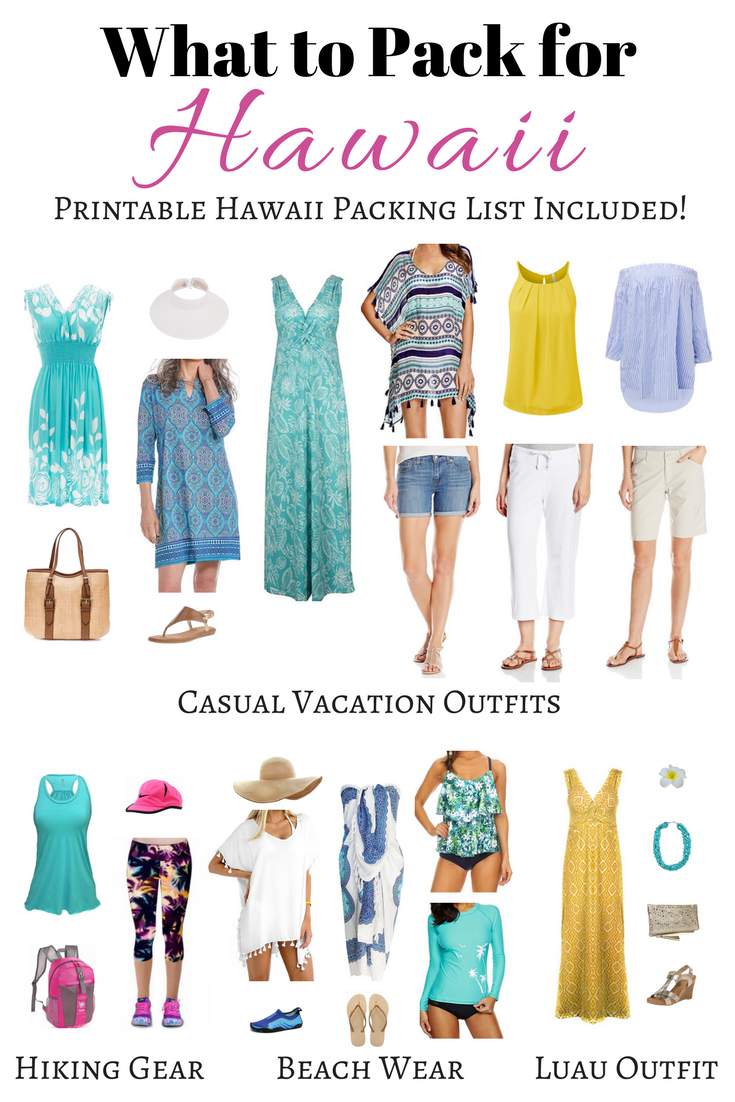
- Swimsuits (2-3): This is non-negotiable. With endless beaches, vibrant coral reefs perfect for snorkeling, and stunning resort pools, you’ll be spending a significant amount of time in the water. Bringing multiple suits allows one to dry while you wear another, which is particularly useful if your accommodation doesn’t have immediate laundry access, like many hotels or resorts. If you plan on engaging in extensive water sports, consider a rash guard for added sun protection and comfort against chafing from surfboards or paddleboards.
- Cover-ups and Beachwear: Easy-to-slip-on dresses, sarongs, or board shorts are perfect for transitioning from the beach or pool to a casual lunch spot or for wandering through local markets. They offer modesty and sun protection without requiring a full wardrobe change.
- Casual Daytime Outfits (5-7): Pack an assortment of shorts, t-shirts, tank tops, and casual dresses. For men, Hawaiian shirts are not just a cliché but a comfortable and widely accepted form of casual wear. For women, sundresses and skirts are ideal for daytime excursions, offering both comfort and a touch of island elegance. Remember that while Hawaii is generally casual, some upscale resorts or restaurants in areas like Wailea on Maui or downtown Honolulu might appreciate a slightly more polished casual look in the evenings.
- Light Jacket or Sweater: Evenings can be surprisingly cool, especially if you’re near the ocean, in higher elevations, or dining in air-conditioned establishments. A light cardigan, a denim jacket, or a windbreaker will provide just enough warmth. If your plans include visiting destinations like Haleakala National Park for a sunrise viewing on Maui, or Mauna Kea on the Big Island, a much warmer jacket and even a hat and gloves are essential, as temperatures can drop below freezing.
- Rain Jacket or Umbrella: While sunny skies are the norm, tropical showers can occur suddenly, especially on the windward sides of the islands (e.g., the Hana Highway on Maui or the lush areas of Kauai). A lightweight, packable rain jacket will keep you dry without adding bulk.
- One “Nicere” Outfit: For a special dinner, a luau, or an evening show, you might want something a bit dressier. A collared shirt and slacks for men, or a maxi dress or elegant romper for women, will suffice. There’s no need for formal wear unless you’re attending a specific event that requires it. This also ties into experiencing local culture, as many luaus are fantastic cultural experiences that call for something a little special.
Footwear for Every Adventure
Your choice of footwear will heavily depend on your planned activities. Hawaii offers a spectrum from sandy beaches to rugged hiking trails, so a versatile selection is key.
- Flip-flops or Sandals: The quintessential Hawaiian footwear. Perfect for the beach, poolside, casual strolls, and generally embracing the island vibe. These will likely be your most-worn shoes.
- Water Shoes: If you plan on exploring rocky shores, tide pools, or want extra grip for snorkeling and kayaking, water shoes are invaluable. They protect your feet from sharp coral and volcanic rock, enhancing your comfort and safety during water activities. This is especially true in areas like the Napali Coast on Kauai or certain lava flows on the Big Island.
- Comfortable Walking Shoes or Sneakers: Essential for exploring towns like Lahaina on Maui, shopping in Honolulu, or visiting historical sites like Pearl Harbor. Choose a pair that offers good support and breathability.
- Hiking Shoes or Boots (Optional but Recommended): If you plan on tackling any of Hawaii’s incredible trails, such as those in Volcanoes National Park or the trails leading to waterfalls in Waimea Canyon, sturdy hiking shoes with good traction are a must. Trails can be muddy, rocky, and steep, so proper footwear will ensure your safety and enjoyment.
Sun Protection: Your Most Important Accessory
The Hawaiian sun, while glorious, is incredibly strong due to its proximity to the equator. Protecting your skin and eyes is paramount for a comfortable and healthy trip.
- Reef-Safe Sunscreen: This is not just a recommendation; it’s a law in Hawaii. To protect the delicate coral reefs and marine life, only mineral-based sunscreens containing zinc oxide or titanium dioxide are permitted. Avoid chemical sunscreens with oxybenzone and octinoxate. Pack a generous supply as it can be more expensive to purchase on the islands.
- Wide-brimmed Hat: A hat offers excellent protection for your face, neck, and ears, reducing the risk of sunburn and heatstroke. Choose one that is packable and provides good coverage.
- Sunglasses: High-quality sunglasses with UV protection are crucial for shielding your eyes from the intense glare, especially when near the water or exploring bright landscapes.
- Rash Guard/UV-Protective Clothing: For extended periods in the sun, especially while swimming, snorkeling, or surfing, a rash guard offers superior protection compared to sunscreen alone. Many brands now offer stylish UV-protective clothing for both adults and children.
Navigating Your Trip: Documents, Health, and Tech
Beyond your wardrobe, a successful trip to Hawaii requires careful consideration of essential documents, health and safety items, and the technology that keeps you connected and captures your memories. These items ensure your journey is smooth, safe, and allows you to focus on the unique experiences Hawaii has to offer.
Crucial Documents and Financial Preparedness
Ensuring you have all necessary documents and access to funds is fundamental before you even leave home.
- Identification: A valid driver’s license or state-issued ID for domestic travelers. For international visitors, a passport and any required visas are absolutely essential. Keep digital copies on your phone or in a cloud service, separate from your physical documents, as a backup.
- Travel Itinerary & Reservations: Printouts or digital copies of your flight tickets, hotel or accommodation bookings (whether it’s a resort like Four Seasons Resort Maui at Wailea or a private Airbnb rental), car rental confirmations, and any activity reservations (e.g., luaus, tours, surf lessons). While smartphones make it easy to access these, having backups is always wise, especially in areas with spotty Wi-Fi.
- Credit/Debit Cards & Cash: While most places in Hawaii accept credit cards, it’s always good to have some cash for smaller purchases, tips, or vendors at local markets. Inform your bank of your travel dates to avoid any issues with card usage. The local currency is the US Dollar.
- Travel Insurance Information: Although hopefully not needed, having your travel insurance policy details readily accessible can be a lifesaver in emergencies, covering everything from medical issues to lost luggage or trip cancellations.
Staying Healthy and Safe
Your well-being is paramount. A small, well-stocked health kit can address minor issues quickly, allowing you to get back to enjoying your vacation.
- Personal Medications: Bring an adequate supply of any prescription medications you take, along with copies of your prescriptions. Keep them in your carry-on luggage.
- Basic First-Aid Kit: Include essentials like band-aids, antiseptic wipes, pain relievers, allergy medication, motion sickness tablets (especially if you plan on boat tours or scenic drives like the Hana Highway), and any personal blister treatment.
- Insect Repellent: Mosquitoes can be present, especially in lush, tropical areas. Choose a repellent suitable for tropical climates.
- After-Sun Lotion/Aloe Vera: Even with diligent sunscreen application, minor sunburns can happen. Aloe vera is incredibly soothing for sun-kissed skin.

Tech Essentials for Capturing Memories and Staying Connected
In today’s digital age, technology plays a significant role in travel, from navigation to photography.
- Smartphone and Charger: Your primary device for communication, navigation, photos, and accessing travel information. Don’t forget the charging cable and wall adapter.
- Portable Power Bank: Crucial for keeping your phone and other devices charged while you’re out exploring all day, especially when hiking or spending extended time on the beach.
- Camera and Accessories: While smartphone cameras are excellent, a dedicated camera (DSLR, mirrorless, or an action camera like a GoPro) can capture stunning high-quality photos and videos of Hawaii’s breathtaking landscapes and underwater world. Remember extra batteries, memory cards, and waterproof housing if you plan on underwater photography.
- E-reader or Tablet: For downtime on the beach, during flights, or relaxing at your accommodation (be it a suite at Grand Hyatt Kauai Resort & Spa or a private villa), an e-reader or tablet loaded with books and movies can be a great companion.
- Headphones: For flights, relaxing by the pool, or simply enjoying some personal time.
Gear for Hawaiian Adventures and Relaxation
Hawaii is a playground for both active adventurers and those seeking ultimate relaxation. Packing the right gear for specific activities will significantly enhance your experience and potentially save you money on rentals.
Beach and Water Activity Must-Haves
With the vast Pacific Ocean surrounding the islands, water activities are a highlight of any Hawaiian trip.
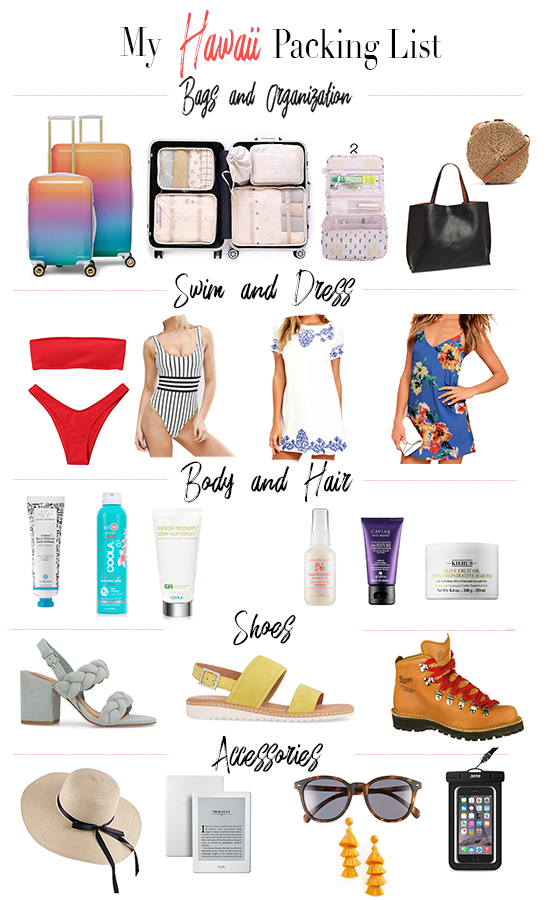
- Beach Bag: A spacious and sturdy bag to carry your towel, sunscreen, book, water bottle, and snacks to the beach. Look for one that’s easily washable or sand-resistant.
- Beach Towel: While many hotels provide towels, having your own quick-drying, compact beach towel can be convenient for spontaneous dips or if you’re staying at an accommodation that doesn’t supply them (e.g., some vacation rentals).
- Snorkel Gear (Mask, Snorkel, Fins): If you plan on snorkeling frequently, bringing your own gear can be more hygienic, comfortable, and cost-effective than renting. Popular snorkeling spots include Hanauma Bay on Oahu or Molokini Crater off Maui.
- Small Dry Bag: Ideal for keeping your phone, wallet, and other valuables safe and dry while you’re enjoying water activities like kayaking, paddleboarding, or boat tours.
- Inflatable Raft or Floaty (Optional): If you envision lazy days drifting in calm waters, a small, packable inflatable can add an extra layer of relaxation. Be mindful of rules at your resort or beach.
Exploring Beyond the Beach: Hiking and Sightseeing Gear
Hawaii’s interior offers incredible landscapes, from lush rainforests to volcanic craters, all waiting to be explored.
- Daypack/Small Backpack: Essential for day trips, hikes, or exploring towns. It should be comfortable enough to carry water, snacks, a light jacket, and your camera. Choose one with external pockets for water bottles.
- Reusable Water Bottle: Staying hydrated is crucial in the tropical climate. Filling up a reusable bottle helps reduce plastic waste and is more economical. Many resorts like Aulani, A Disney Resort & Spa have water refill stations.
- Binoculars (Optional): For wildlife viewing (like humpback whales during winter months), bird watching, or appreciating distant landscapes, binoculars can greatly enhance your sightseeing experience, especially at scenic lookouts or national parks.
- Guidebook or Maps: While digital resources are great, a physical guidebook or map can be invaluable, especially in areas with limited cell service (like the more remote parts of the Big Island or Molokai). These also often contain valuable information about local culture, history, and hidden gems.
Personal Comforts and Miscellaneous Items
Sometimes, it’s the small things that make a big difference in your travel comfort.
- Toiletries: While most hotels provide basic toiletries, bring your preferred brands or travel-sized versions of shampoo, conditioner, soap, lotion, and toothpaste. Consider environmentally friendly options to align with Hawaii’s conservation efforts.
- Hair Ties/Clips: For keeping hair off your face in the heat and humidity, especially during active excursions.
- Small Laundry Bag: To keep dirty clothes separate from clean ones in your luggage.
- Books/Magazines: For relaxing on the beach or by the pool. An e-reader can combine multiple reads into one device.
- Travel Pillow/Eye Mask/Ear Plugs: For comfort during long flights or for light sleepers in unfamiliar accommodations.
- Plastic Bags (reusable): Handy for wet swimsuits, muddy shoes, or organizing small items within your luggage.
- Snacks: While Hawaii has incredible food, having a few favorite snacks from home can be comforting and save money, especially for kids on family trips.
Smart Packing Tips and Local Insights
Beyond the specific items, how you pack and your awareness of local nuances can greatly impact your Hawaiian adventure. Efficient packing, respecting the environment, and understanding the culture will make your trip even more rewarding.
Eco-Conscious Travel and Supporting Local
Hawaii’s natural beauty is fragile, and sustainable tourism is highly encouraged. Your packing choices can play a role in this.
- Reusable Shopping Bag: Many stores on the islands charge for bags or don’t offer them. A reusable bag is perfect for grocery runs or souvenir shopping, reducing plastic waste.
- Support Local Businesses: While not a packing item, consider purchasing souvenirs, food, and essentials from local businesses and artisans. This supports the island economy and often provides more authentic experiences than chain stores. Explore farmer’s markets in places like Kona or the North Shore for fresh produce and unique crafts.
- Mindful Waste Management: Be conscious of your trash. Pack out what you pack in, especially on beaches and hiking trails.
Final Checks and Avoiding Overpacking
It’s tempting to pack for every conceivable scenario, but strategic planning can prevent unnecessary bulk and ensure you have everything you need without excess.
- Check Your Accommodation’s Amenities: Before you finalize your packing list, verify what your hotel, resort (like Kaanapali Beach resorts on Maui), or rental provides. Many establishments offer beach towels, toiletries, hair dryers, and sometimes even snorkel gear. This can significantly reduce what you need to bring.
- Roll, Don’t Fold: Rolling your clothes often saves space and minimizes wrinkles. Packing cubes can also be incredibly useful for organizing your luggage and compressing items.
- Wear Bulky Items: Wear your heaviest shoes and jacket on the plane to free up luggage space.
- Leave Room for Souvenirs: You’ll likely want to bring back some local coffee, macadamia nuts, or handcrafted items. Ensure you have space in your luggage, or consider packing an extra foldable duffel bag.
- Consider Laundry Options: If you’re staying for an extended period, or if you’re traveling with a family (especially to family-friendly resorts like Aulani, A Disney Resort & Spa or a vacation rental with a washer/dryer), you might be able to pack less and do laundry. Check if your accommodation offers laundry facilities.
- Don’t Forget the Aloha Spirit: Ultimately, the most important thing to bring is an open mind, a sense of adventure, and respect for the local culture and environment. Whether you’re witnessing the raw power of Kilauea, learning about ancient traditions at the Polynesian Cultural Center, or simply relaxing on Poipu Beach on Kauai, Hawaii promises an experience unlike any other. Pack smart, travel light, and prepare for an unforgettable journey to these magical islands.