
When you’re planning a trip to the sprawling metropolis of Los Angeles, understanding the local time isn’t just a matter of setting your watch; it’s fundamental to crafting an unforgettable itinerary, navigating jet lag, and truly immersing yourself in the California lifestyle. As a global hub for entertainment, innovation, and culture, [Los Angeles] operates on a unique rhythm that travelers from across the globe need to tune into. From the moment you land at LAX, the city’s primary international gateway, the clock begins to dictate your adventure, influencing everything from hotel check-ins to prime sightseeing hours and the best times to hit the city’s vibrant dining scene.

For many, [Los Angeles] represents a dream destination, a place where cinematic history meets sun-kissed beaches and vibrant neighborhoods. Whether you’re chasing celebrity sightings in Beverly Hills, exploring the artistic treasures of the Getty Center, or seeking thrills at Universal Studios Hollywood, timing is everything. A well-planned schedule, informed by an understanding of the local time, traffic patterns, and the operating hours of key attractions, can elevate a good trip into an extraordinary experience. This guide will delve into everything you need to know about time in [Los Angeles], ensuring your visit is as smooth and enjoyable as possible, whether you’re a first-time visitor or a seasoned traveler returning to the City of Angels.
Understanding Los Angeles’s Time Zone: PST vs. PDT
At its core, understanding the time in [Los Angeles] begins with recognizing its official time zone. [Los Angeles], like the rest of [California] and much of the western United States and North America, observes Pacific Standard Time (PST) during the fall and winter months. PST is UTC-8, meaning it is eight hours behind Coordinated Universal Time. However, from early March to early November, the region switches to Pacific Daylight Time (PDT), which is UTC-7. This “spring forward” and “fall back” adjustment is crucial for travelers, as it can subtly shift your planned schedule and impact your biological clock, especially if you’re arriving from a distant time zone.
This time zone distinction is more than just a technicality; it impacts daily life, business hours, and even the natural light available for your activities. During PDT, the longer daylight hours mean you can enjoy outdoor attractions like Runyon Canyon Park or Santa Monica Pier well into the evening. Conversely, during PST, sunsets are earlier, prompting a different rhythm for evening plans, perhaps favoring indoor activities like a show at the Dolby Theatre or a concert at the Walt Disney Concert Hall.
Time Zone Comparisons: Bridging Global Gaps
For international travelers, the time difference can be substantial. If you’re flying from London, [Los Angeles] is typically 8 hours behind during PDT and 9 hours during PST. From Paris, it’s a 9 or 10-hour difference. Travelers from Tokyo will find a significant 16-hour gap, and from Sydney, it could be up to 17 or 18 hours, depending on daylight saving adjustments in both locations. Even domestic travelers from the East Coast, like New York City, face a 3-hour time difference, enough to disrupt sleep patterns and energy levels upon arrival.
Understanding these time zone comparisons is the first step in mitigating the effects of jet lag and planning your communication with home. It also informs decisions about flight timings – often, overnight flights can help you “lose” or “gain” time more smoothly, allowing you to wake up closer to local time. Keep a world clock handy, or use a reliable app that automatically adjusts for daylight saving, to stay on top of the current time in [Los Angeles] and your home city. This small preparation can make a big difference in how quickly you adapt and begin enjoying your [Los Angeles] adventure.
Navigating Jet Lag: The Traveler’s Time Challenge
Jet lag is an inevitable companion for many travelers crossing multiple time zones, and a trip to [Los Angeles] from afar is no exception. It’s a physiological condition resulting from alterations to the body’s circadian rhythms, causing symptoms like fatigue, disorientation, disturbed sleep, and reduced cognitive function. Effectively managing jet lag is paramount to maximizing your travel experience, ensuring you’re energized enough to explore the vibrant city.
Proactive Strategies for Minimizing Jet Lag
Combating jet lag starts even before your flight departs. One effective strategy is to gradually adjust your sleep schedule a few days before your trip. If you’re flying west to [Los Angeles], try going to bed and waking up later; if flying east, aim for earlier bedtimes and wake-up calls. Onboard the flight, stay hydrated by drinking plenty of water and avoiding excessive alcohol and caffeine, which can disrupt sleep. Try to set your watch to [Los Angeles] time as soon as you board the plane, mentally preparing yourself for the new schedule.
Upon arrival at [LAX], sunlight is your best friend. Exposure to natural light helps to reset your internal clock. Spend time outdoors, perhaps with a stroll along Venice Beach or by enjoying an outdoor cafe. Resist the urge to nap for too long during the day, even if you feel exhausted. Instead, try to stay awake until a reasonable local bedtime to solidify your new sleep cycle. Gentle exercise, like a walk or light gym session, can also help alleviate fatigue and promote better sleep later. Many hotels, recognizing the impact of jet lag, offer amenities like blackout curtains, calming teas, and even in-room wellness programs designed to assist guests in adjusting to the local time. For instance, luxury resorts like the Waldorf Astoria Beverly Hills often prioritize guest comfort and a serene environment to aid recovery.
A Day in Los Angeles: Crafting Your Time-Sensitive Itinerary
With the time zone mastered and jet lag strategies in place, the real fun begins: planning your [Los Angeles] itinerary. The city offers an overwhelming array of attractions, and knowing the best times to visit them can make all the difference in avoiding crowds, catching the perfect light for photos, or experiencing a venue at its prime.
Morning Explorations and Early Bird Attractions

Starting your day early in [Los Angeles] can be incredibly rewarding, especially to beat the notorious traffic and crowds at popular spots. A sunrise hike at Runyon Canyon Park offers breathtaking views of the city and the iconic Hollywood Sign without the mid-day rush. Following this, consider a visit to The Grove for breakfast and some early morning shopping before the boutiques become bustling. For history and culture enthusiasts, the [Getty Center] opens its doors mid-morning, providing ample time to explore its stunning architecture, gardens, and art collections before lunch. Families often benefit from early arrivals at theme parks like [Universal Studios Hollywood] or Disneyland Resort, allowing them to maximize ride times and minimize queues. Many top-tier hotels such as the Four Seasons Hotel Los Angeles at Beverly Hills offer early breakfast options, perfect for travelers eager to get a head start on their day.
Afternoon Delights and Golden Hour Magic
Afternoons in [Los Angeles] are perfect for delving into the heart of its cultural and entertainment scene. A stroll along the Hollywood Walk of Fame and a visit to the historic TCL Chinese Theatre are quintessential experiences. For luxury shopping and people-watching, Rodeo Drive in [Beverly Hills] sparkles in the afternoon sun. As the day progresses, keep an eye on the clock for the “golden hour,” that magical period before sunset when the light is soft and warm. This is the ideal time to visit the [Santa Monica Pier] for stunning ocean views, or to head to Griffith Observatory for panoramic vistas of the city skyline as it transitions from daylight to glittering night lights. Many tours, especially those focusing on celebrity homes or historical sites, are scheduled for early afternoon, providing a comfortable way to see multiple areas without intense heat.
Evening Vibrance and Nightlife Pulse
When night falls, [Los Angeles] truly comes alive. The city offers an incredible array of evening entertainment, from world-class dining to live music venues and theatrical performances. Dinner reservations are often essential at popular eateries, especially in areas like Malibu or [West Hollywood]. Catching a baseball game at Dodger Stadium or a show at the [Dolby Theatre] are iconic evening activities. For a more relaxed vibe, a sunset drink at a rooftop bar at hotels such as The London West Hollywood at Beverly Hills provides spectacular views. The [Griffith Observatory] continues to be a draw after dark, offering stargazing opportunities and unparalleled night views of the city lights. Always check closing times for attractions and remember that traffic can still be a factor, even late at night, so factor in travel time between venues. Planning your evenings ensures you don’t miss out on the dynamic experiences that define [Los Angeles] after dark.
Accommodations and the Clock: Optimizing Your Stay
The time in [Los Angeles] plays a significant role in your accommodation experience, influencing everything from check-in and check-out procedures to the availability of amenities designed to ease your travel. Selecting the right hotel or apartment and understanding their time-related policies can significantly enhance the comfort and convenience of your trip.
Maximizing Check-in and Check-out Times
Standard hotel check-in times in [Los Angeles] typically range from 3:00 PM to 4:00 PM, while check-out is usually between 11:00 AM and 12:00 PM. For travelers arriving on early morning flights, an early check-in can be a lifesaver, allowing you to settle in, freshen up, and potentially combat initial jet lag with a short rest. Similarly, late check-outs are invaluable for those with evening departures, providing a comfortable base to relax and store luggage before heading to [LAX].
It’s always advisable to communicate your estimated arrival and departure times with your accommodation provider in advance. While early check-ins and late check-outs are subject to availability and may incur additional fees, many hotels, especially those catering to business or luxury travelers like the Hyatt Regency Long Beach or The Standard Downtown LA, are often flexible and willing to accommodate if possible. Some, particularly large resorts like the Hilton Anaheim, offer dedicated hospitality lounges where guests can relax, use Wi-Fi, and store luggage before their rooms are ready or after check-out. These small considerations can make a huge difference in your overall comfort, especially after a long flight.
Amenities for Time-Conscious Travelers
Modern accommodations in [Los Angeles] are increasingly equipped with amenities designed to support travelers adjusting to new time zones or managing busy schedules. Features like 24-hour fitness centers allow you to maintain your routine regardless of your body clock. In-room dining services, available around the clock, cater to those whose appetites don’t align with standard meal times. High-speed Wi-Fi is crucial for coordinating plans, checking attraction hours, and communicating with home, regardless of the hour.
For a more extended stay, or for those seeking a home-away-from-home feel, serviced apartments and villas offer greater flexibility. These accommodations often come with fully equipped kitchens, allowing you to prepare meals at any time, which can be particularly useful when dealing with jet lag or catering to specific dietary needs. Regardless of your choice, researching these time-saving and comfort-enhancing amenities can help you select the perfect base for your [Los Angeles] adventure, ensuring your stay is as seamless and enjoyable as possible.
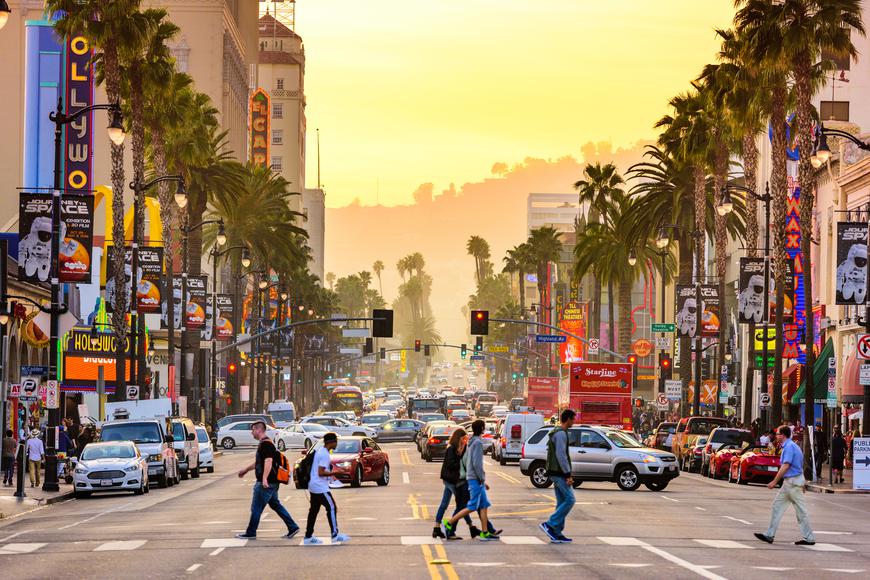
Experiencing Los Angeles’s Rhythms: Beyond the Clock
While schedules and itineraries are important, truly experiencing [Los Angeles] involves more than just adhering to the clock. It’s about tuning into the city’s unique rhythms, understanding its cultural pulse, and embracing the spontaneous moments that make travel so enriching. [Los Angeles] is a city of diverse lifestyles, where the fast-paced entertainment industry coexists with laid-back beach communities and vibrant artistic enclaves.
The “best” time to visit a Museum Row exhibition might be a quiet weekday morning, but the “best” time to experience the bustling energy of [Venice Beach] might be a sunny weekend afternoon when street performers, artists, and locals create an unforgettable spectacle. Similarly, while a formal dinner reservation at a Michelin-starred restaurant demands punctuality, a casual food truck crawl around downtown [Los Angeles] encourages a more flexible, open-ended exploration of local flavors.
Understanding [Los Angeles]’s tempo also means recognizing that some of its most iconic experiences are time-sensitive by nature. Catching a world-class show in [Hollywood] requires booking tickets in advance and arriving on time, while witnessing a spectacular [California] sunset from [Santa Monica Pier] or [Malibu] is purely dictated by the sun’s schedule. The energy of [Disneyland Resort] peaks during holidays and weekends, offering a different kind of vibrant chaos compared to a quieter weekday visit. Even simple things like avoiding rush hour traffic between 7-10 AM and 3-7 PM can profoundly impact your day, freeing up valuable time for more enjoyable pursuits.
Ultimately, your visit to [Los Angeles] is an opportunity to sync with a city that constantly reinvents itself. By understanding its time zones, strategically planning your days, and remaining open to its diverse rhythms, you’ll not only navigate the city with ease but also discover its many layers and make memories that last a lifetime. So, set your watch, plan your adventures, and prepare to immerse yourself in the timeless allure of [Los Angeles].
LifeOutOfTheBox is a participant in the Amazon Services LLC Associates Program, an affiliate advertising program designed to provide a means for sites to earn advertising fees by advertising and linking to Amazon.com. Amazon, the Amazon logo, AmazonSupply, and the AmazonSupply logo are trademarks of Amazon.com, Inc. or its affiliates. As an Amazon Associate we earn affiliate commissions from qualifying purchases.