
Florida, often celebrated as the Sunshine State, is a vibrant tapestry of diverse ecosystems, from sun-drenched beaches to whispering pine forests and dense, tropical hammocks. For travelers and nature enthusiasts, understanding the state’s plant hardiness zones offers a unique lens through which to appreciate its natural beauty, plan unforgettable excursions, and even understand the local culinary scene. Far more than just an agricultural metric, these zones reveal the very essence of Florida‘s appeal, shaping everything from the vibrant landscaping of its resorts to the unique produce found in its markets.
The concept of “growing zones” might initially sound like a technical detail best left to professional horticulturists. However, for anyone planning a trip to Florida, especially those interested in exploring its natural parks, botanical gardens, or even just admiring the local flora surrounding their accommodation, grasping these zones is invaluable. It helps explain why the northern parts of the state feel distinctly different from the southern tip, why certain fruits thrive in one region but not another, and how tourism and lifestyle experiences are intricately woven into the fabric of its climate.
This guide will delve into Florida‘s plant hardiness zones, exploring how they influence the state’s travel destinations, hotel experiences, local tourism, iconic landmarks, and the overall lifestyle it offers. Whether you’re seeking a tranquil retreat amidst exotic blooms, an adventure through unique ecosystems, or a taste of the freshest local produce, Florida‘s growing zones hold the key to unlocking a richer, more immersive travel experience.
Understanding Florida’s USDA Plant Hardiness Zones
The United States Department of Agriculture (USDA) Plant Hardiness Zone Map is the standard by which gardeners and growers determine which plants are most likely to thrive at a specific location. This map divides North America into 13 zones based on the average annual extreme minimum winter temperature. Each zone represents a 10-degree Fahrenheit difference, further broken down into ‘a’ and ‘b’ subzones (e.g., Zone 10a and 10b), which represent 5-degree differences.
Florida is unique in that it spans a remarkable range of these zones, reflecting its elongated geographical shape and proximity to both temperate and tropical influences from the Atlantic Ocean, the Gulf of Mexico, and the Caribbean Sea. This diversity is precisely what makes Florida such an intriguing destination for travelers, offering a spectrum of experiences within a single state.
A Spectrum of Subtropical to Tropical Climates
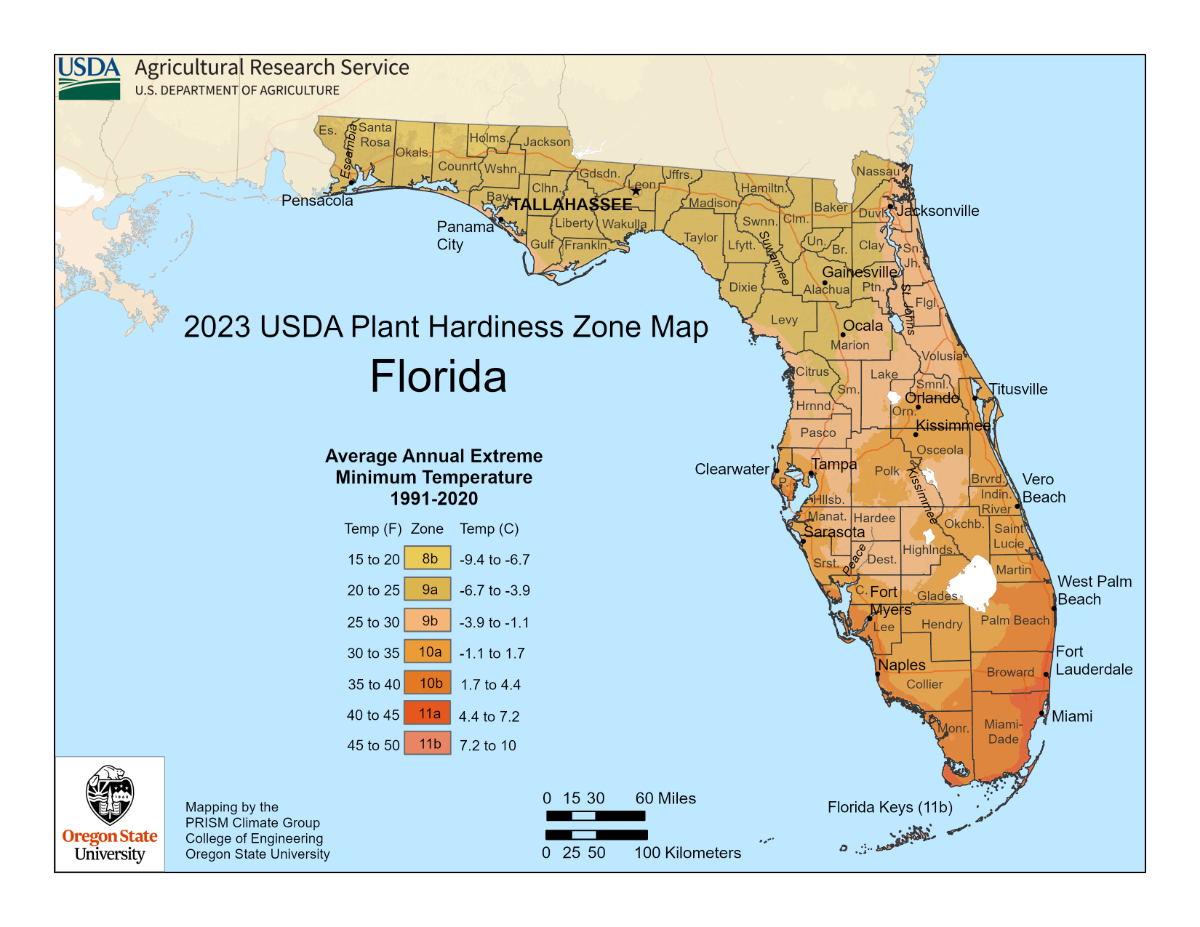
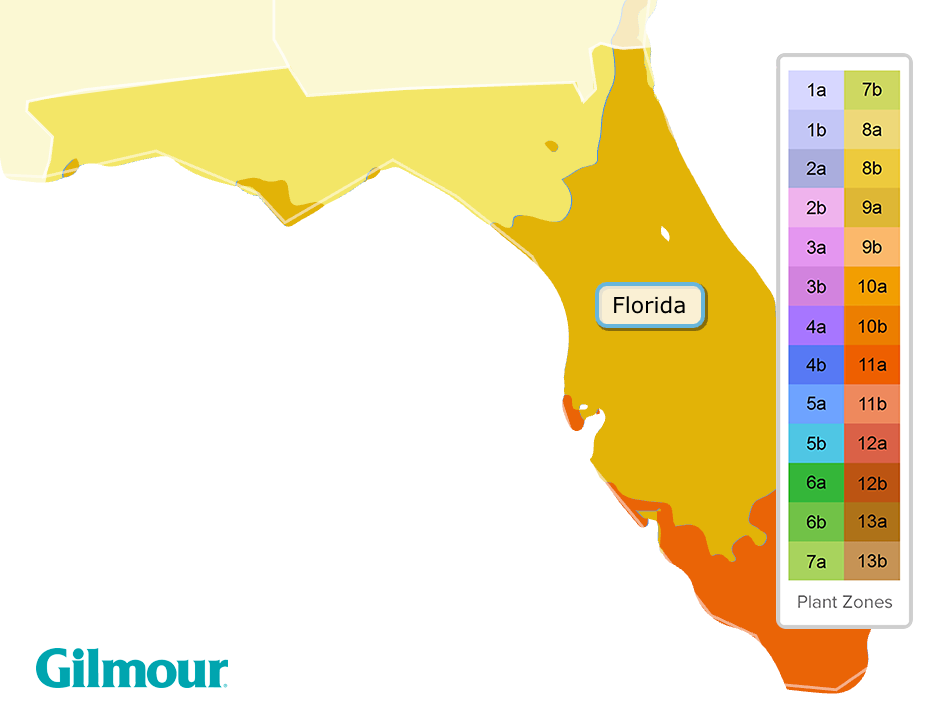
From its northern border, dipping into the temperate southeastern United States, down to its southernmost point in the Florida Keys, Florida encompasses USDA Zones 8b through 11a. This wide range explains the dramatic shifts in vegetation and climate you’ll observe as you travel across the state.
- Zone 8b: Found in the extreme northwestern panhandle, this zone experiences cooler winters, occasionally dipping below freezing for extended periods. Here, you’ll find plants more commonly associated with temperate climates, such as certain oaks, pines, and even deciduous trees that shed their leaves in winter.
- Zone 9a & 9b: Covering much of the central and northern interior of the state, these zones are characterized by milder winters than Zone 8b, but still with occasional frosts. Citrus groves begin to dominate here, alongside palms and a wider variety of subtropical plants.
- Zone 10a & 10b: Extending through central and south Florida, these zones boast very mild winters with rare frosts. This is where true tropical and subtropical vegetation begins to flourish, including a vast array of palms, orchids, bromeliads, and exotic flowering trees. Many of Florida‘s iconic fruit crops, like mangoes and avocados, thrive here.
- Zone 11a: Found only in the southernmost tip of Florida, particularly the Florida Keys, this zone experiences virtually no frost. It is a truly tropical environment, supporting incredibly diverse and sensitive tropical plants that cannot tolerate even a brief chill.
What These Zones Mean for Visitors and Local Charm
For the traveler, these hardiness zones translate directly into the types of landscapes, natural attractions, and even culinary delights you’ll encounter. A journey from Jacksonville to Key West, for instance, is not just a change in latitude but a vivid horticultural progression. It dictates the aesthetics of hotel gardens, the species of birds and butterflies you might spot, and the seasonal availability of fresh, local produce. This understanding allows for more intentional travel planning, enabling visitors to seek out specific botanical experiences or enjoy the unique “sense of place” each zone provides. From the historic charm of Spanish moss-draped oaks in the north to the vibrant, year-round blooms of the deep south, Florida‘s botanical diversity is a cornerstone of its allure.
Exploring Florida’s Botanical Wonders: Destinations Shaped by Climate
Florida‘s distinct growing zones have sculpted its regions into unique travel destinations, each offering a different botanical narrative and a specific array of experiences for every type of traveler.
Northern Florida: A Taste of Southern Charm and Temperate Flora
The northern reaches of Florida, encompassing cities like Jacksonville, Gainesville, and Tallahassee, primarily fall within USDA Zones 8b and 9a. This region feels distinctly more “Southern” than the state’s tropical south, characterized by expansive pine forests, ancient oak trees draped in Spanish moss, and charming, historic landscapes.
Here, visitors can explore a different side of Florida. Consider a stay at the luxurious Ritz-Carlton, Amelia Island on Amelia Island, where the landscaping elegantly blends coastal dunes with indigenous oaks and pines. In historic St. Augustine, the oldest continuously inhabited European-established settlement in the United States, you’ll find charming courtyards adorned with camellias, azaleas, and magnolias, especially vibrant in spring. The nearby coastal town of Ponte Vedra Beach also showcases this unique blend of temperate and subtropical plants. Travelers interested in agricultural tourism will find farms growing pecans, blueberries, and even some grapes, thriving in this cooler climate. The lifestyle here is often more relaxed, with an emphasis on outdoor activities like hiking and exploring state parks, where the native flora is a key attraction.
Central Florida: The Heart of Citrus and Theme Park Grandeur
Moving south into Zones 9b and 10a, Central Florida truly comes alive with the iconic images of the Sunshine State: sprawling citrus groves, towering palms, and a vibrant array of subtropical foliage. This region, home to major hubs like Orlando and Tampa, is where Florida‘s tourism engine is in full swing, and its growing zones play a significant role in creating the magical environments visitors expect.
The climate here is perfect for citrus, meaning travelers can often find roadside stands selling fresh oranges, grapefruits, and tangerines, a quintessential Florida experience. Beyond the theme parks like Walt Disney World Resort and Universal Orlando Resort in Lake Buena Vista, whose meticulous landscaping showcases an impressive variety of plants adapted to this zone, Central Florida boasts stunning botanical landmarks. Bok Tower Gardens in Lake Wales is a National Historic Landmark, renowned for its diverse plant collections, including camellias, magnolias, and a vast collection of Florida native plants, all thriving in its Zone 9b climate. Similarly, Leu Gardens in Orlando offers 50 acres of cultivated grounds, featuring the largest camellia collection in the Eastern United States, a rose garden, and a butterfly garden. Even attractions like Busch Gardens in Tampa integrate lush, zone-appropriate landscaping to enhance the visitor experience, transporting guests to diverse environments.
South Florida and the Keys: Tropical Paradise Unveiled
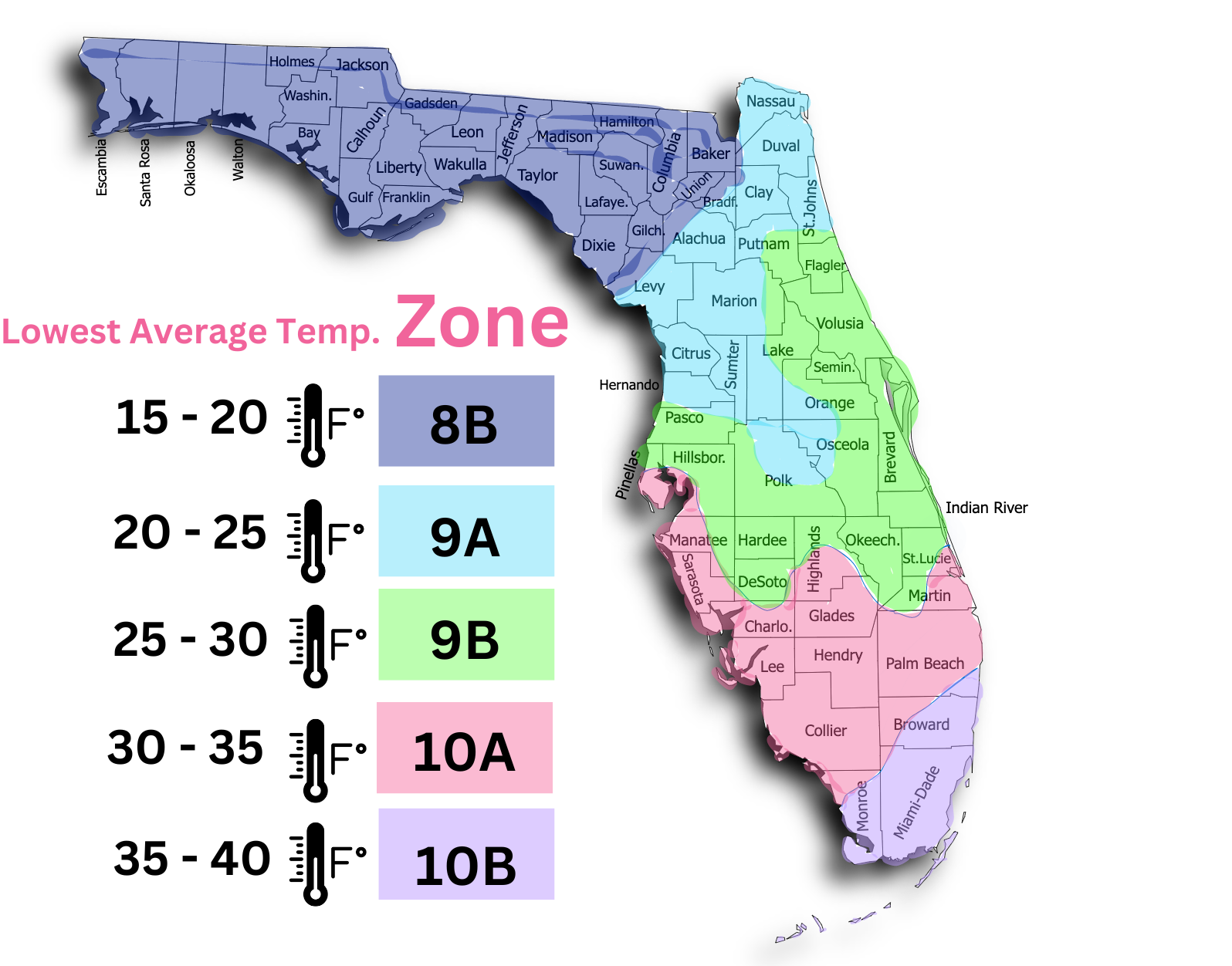
Zones 10b and 11a define South Florida and the Florida Keys, a region synonymous with tropical paradise. Cities like Miami, Fort Lauderdale, Naples, and Key West bask in near-constant warmth, allowing truly tropical plants to flourish without fear of frost. This is where the most exotic and vibrant flora of Florida can be found, influencing everything from the architecture to the local cuisine.
In South Florida, you’ll encounter a breathtaking array of plants: vibrant bougainvillea spilling over walls, magnificent banyan trees, towering royal palms, and an astonishing variety of orchids and bromeliads. The iconic South Beach area of Miami is lined with palm trees and art deco architecture, creating a quintessential tropical urban landscape. Nature lovers can explore the unique mangrove ecosystems of Everglades National Park, a vital wetland environment that thrives in this frost-free zone. The Fairchild Tropical Botanic Garden in Coral Gables is a premier destination for studying and displaying tropical plants, offering visitors an unparalleled immersion into the world of tropical botany, from rare palms to exotic fruits. Farther south, the Florida Keys, falling into Zone 11a, showcase the most tender tropical plants, including many species found in the Caribbean, making it a truly unique botanical experience within the United States. The lifestyle here is distinctly laid-back and outdoor-focused, with lush surroundings enhancing beachfront resorts and boutique accommodations.
The Impact on Florida’s Tourism and Lifestyle Experience
Florida‘s growing zones are not merely an academic concept; they are a fundamental pillar supporting its vibrant tourism industry and shaping the unique lifestyle experiences it offers. From farm-to-table dining to luxurious resort amenities, the flora dictated by these zones creates an immersive environment for every visitor.
Culinary Journeys: From Farm to Table in Every Zone
For travelers passionate about food, Florida‘s diverse growing zones present an exciting culinary journey. The local produce varies dramatically from north to south, offering a dynamic “farm-to-table” experience. In Northern Florida, expect to find sweet blueberries, fresh strawberries, and even some specialty vegetables. As you move into Central Florida, the citrus reigns supreme, providing a bounty of oranges, grapefruits, and tangerines, perfect for fresh juices or culinary applications. South Florida and the Florida Keys, with their tropical climate, are a haven for exotic fruits like mangoes, avocados, papayas, and star fruit, many of which you might only find seasonally elsewhere.
Exploring local farmers’ markets, like those found in Sarasota or Miami, allows visitors to taste the freshest offerings specific to that region’s zone. Many restaurants pride themselves on sourcing ingredients locally, providing a genuine taste of Florida‘s bounty. This aspect of local culture and food offers a unique activity for visitors, tying their travel experience directly to the ecological underpinnings of the state.
Accommodations and Ambiance: Hotels Embracing Nature’s Bounty
The aesthetics and ambiance of Florida‘s hotels, resorts, and vacation rentals are profoundly influenced by their respective growing zones. Luxury hotels leverage these zones to create breathtaking landscapes that enhance the guest experience. Imagine waking up to the fragrant scent of jasmine and hibiscus outside your villa in South Florida, or strolling through meticulously manicured gardens reminiscent of a European estate at a resort in Central Florida.
For instance, a grand establishment like The Breakers Palm Beach in West Palm Beach showcases immaculate landscaping with a stunning array of palms and tropical flowers that thrive in its Zone 10b climate, creating an opulent and verdant backdrop for luxury travel. Resorts often feature spectacular pool areas fringed with lush, zone-appropriate foliage, creating a sense of secluded paradise. Even budget-friendly accommodations often benefit from the natural beauty of the surrounding environment, offering travelers an authentic taste of Florida‘s plant life without a premium price tag. For those on long-term stays or seeking apartment accommodations, the ability to cultivate small container gardens or simply enjoy the view of native flora contributes significantly to the lifestyle appeal.
Landmarks and Natural Attractions: Where Zones Define Beauty
Many of Florida‘s most celebrated landmarks and natural attractions owe their unique character to their specific growing zones. Beyond the already mentioned botanical gardens, the state’s natural preserves and state parks offer incredible opportunities to experience Florida‘s diverse plant life firsthand.
Myakka River State Park near Sarasota, for example, showcases a variety of ecosystems including pine flatwoods, prairies, and hammocks, with plant species indicative of its Zone 9b/10a transition. Historical sites like Vizcaya Museum & Gardens in Miami boast opulent European-inspired gardens that seamlessly incorporate subtropical plants, making the grounds a destination in themselves. The very existence of these diverse landscapes is a direct result of the varying climatic conditions across the state. For history buffs and art enthusiasts, even cultural landmarks like The Ringling in Sarasota feature impressive grounds and gardens, offering a blend of art, history, and botany that caters to a refined lifestyle.
Planning Your Florida Trip: Leveraging the Zones for Unique Experiences
Understanding Florida‘s growing zones can transform a standard vacation into a deeply enriching and specialized travel experience. It allows you to tailor your itinerary to specific interests, whether it’s admiring seasonal blooms, tasting unique fruits, or simply soaking in the distinct atmosphere of each region.
Best Times to Visit for Floral Spectacles
Each zone offers its own unique floral spectacles, making certain times of the year particularly attractive for botanical tourism.
- Late Winter to Early Spring (Northern/Central Florida): This is prime time for viewing vibrant azaleas, camellias, and magnolias in their full glory, especially in the more temperate northern and central regions.
- Spring to Summer (Central/South Florida): The citrus harvest is in full swing from winter through spring in Central Florida, while South Florida‘s tropical fruits like mangoes and avocados ripen during the late spring and summer months. This is also when many tropical flowering trees and orchids burst into bloom.
- Year-Round (South Florida/Keys): Due to the consistently warm temperatures, South Florida and the Florida Keys offer a continuous display of tropical blooms, ensuring a vibrant botanical experience regardless of the season.
Planning your trip around these natural cycles can add another layer of enjoyment, whether you’re a keen photographer, a gardening enthusiast, or simply someone who appreciates natural beauty.
Engaging with Local Culture Through Flora and Fauna
Eco-tourism opportunities abound throughout Florida, often intrinsically linked to its growing zones. Guided nature walks through pine forests in the north, airboat rides through the sawgrass marshes of the Everglades, or snorkeling excursions around the coral reefs of the Florida Keys (which are part of the broader tropical ecosystem that includes Zone 11a plants) all offer immersive ways to engage with the local environment. Many destinations offer educational programs, from learning about native plant uses at state parks to understanding the ecological importance of mangroves. This provides an enriching experience for family trips, educational travel, or simply for individuals seeking a deeper connection with nature.
By taking into account Florida‘s diverse growing zones, travelers can craft itineraries that move beyond typical tourist attractions, offering a profound appreciation for the state’s lush landscapes, unique culinary offerings, and the very essence of its distinctive charm. Florida truly is a botanical wonderland, inviting explorers to discover its hidden gardens and vibrant ecosystems, zone by zone.
LifeOutOfTheBox is a participant in the Amazon Services LLC Associates Program, an affiliate advertising program designed to provide a means for sites to earn advertising fees by advertising and linking to Amazon.com. Amazon, the Amazon logo, AmazonSupply, and the AmazonSupply logo are trademarks of Amazon.com, Inc. or its affiliates. As an Amazon Associate we earn affiliate commissions from qualifying purchases.