
Planning a trip to the vibrant state of Louisiana promises an unforgettable experience, steeped in rich history, unique culture, and unparalleled culinary delights. From the bustling streets of New Orleans to the serene bayous of Cajun Country, there’s an adventure awaiting every traveler. However, for those looking to explore the Pelican State, understanding its hurricane season is crucial for a smooth and safe journey.
Louisiana, with its extensive coastline along the Gulf of Mexico, is particularly susceptible to tropical storms and hurricanes. While these powerful weather events can be daunting, a well-informed traveler can mitigate risks and still enjoy the best of what Louisiana has to offer. This guide will delve into the specifics of hurricane season, offer essential travel advice, and highlight the optimal times to visit, ensuring your Louisiana experience is nothing short of spectacular.
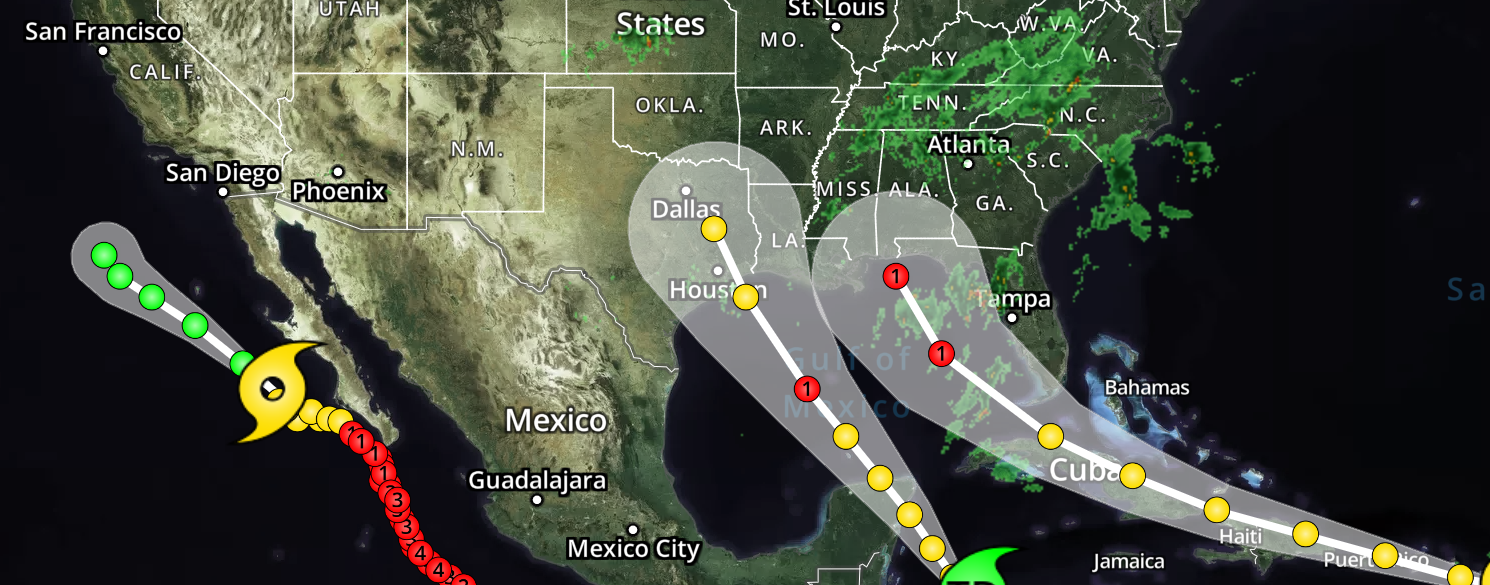
Understanding Louisiana’s Hurricane Season: Dates and Impact
For anyone considering travel to Louisiana, knowing the official dates and characteristics of hurricane season is the first step in responsible trip planning. This period, while potentially challenging, doesn’t mean you should avoid the state entirely; rather, it calls for heightened awareness and preparedness.
When It Happens: Official Dates and Peak Months
The official Atlantic hurricane season, which directly impacts Louisiana and other states along the Gulf of Mexico and the Atlantic Ocean, runs annually from June 1st to November 30th. During these six months, conditions in the tropical Atlantic are conducive to the formation and intensification of tropical cyclones.
While the entire season warrants attention, the most active period, often referred to as the “peak,” typically occurs from mid-August through late October. This is when the ocean waters are warmest, and atmospheric conditions are most favorable for significant storm development. Historically, many of the most impactful hurricanes that have affected Louisiana have occurred within this three-month window. Travelers planning visits during these months should exercise the highest level of vigilance. Organizations like the National Hurricane Center (NHC) and the National Oceanic and Atmospheric Administration (NOAA) provide continuous monitoring and forecasting, which are invaluable resources for staying informed.
Why It Matters for Travelers: Safety, Travel Disruptions, and Decision-Making
For tourists and visitors, hurricane season carries several implications that can affect travel plans and overall experience:
- Safety Concerns: The most critical aspect is personal safety. Hurricanes bring with them a range of dangerous conditions, including strong winds, torrential rainfall, storm surges, and inland flooding. These can lead to power outages, impassable roads, and even mandatory evacuations. Understanding these risks is paramount for making informed decisions.
- Travel Disruptions: Even if a storm doesn’t make a direct hit, its proximity can cause significant travel disruptions. Airports may close, flights could be delayed or canceled, and major highways might be affected by flooding or debris. Such disruptions can lead to missed connections, extended stays, or the inability to reach your intended destination.
- Accommodation and Activity Closures: Hotels, resorts, and popular attractions often have protocols in place for severe weather. This can include temporary closures, reduced services, or even full evacuations. Festivals and outdoor events are frequently canceled or postponed. This means that even if you can safely reach Louisiana, the experiences you planned might not be available.
- Flexibility and Financial Impact: Travelers who book during hurricane season without considering the risks may face unexpected costs due to last-minute changes, unrecoverable deposits, or needing to purchase new tickets. Having travel insurance and understanding cancellation policies become incredibly important.
Ultimately, while the allure of Louisiana remains strong year-round, traveling during hurricane season demands a proactive approach and a willingness to adapt.
Navigating Travel to Louisiana During Hurricane Season
Deciding to travel to Louisiana during hurricane season doesn’t have to mean canceling your trip, but it does require careful planning and an awareness of how to best prepare. With the right precautions, you can still enjoy a memorable visit.
Assessing the Risks: Types of Impacts
Louisiana’s unique geography, with its low elevation and extensive waterways, makes it particularly vulnerable to various hurricane impacts:
- Wind Damage: Strong winds can cause structural damage, down trees, and disrupt power and communication lines.
- Rainfall and Inland Flooding: Hurricanes can dump massive amounts of rain, leading to widespread inland flooding, especially in areas near the Mississippi River and its tributaries, or across urban centers like New Orleans and Baton Rouge.
- Storm Surge: Perhaps the most destructive element, storm surge is an abnormal rise of water generated by a storm, pushing inland from the coast. This can inundate coastal communities, causing catastrophic damage.
- Evacuations: Depending on the storm’s intensity and projected path, state and local authorities may issue mandatory or voluntary evacuation orders. These orders are for public safety and must be taken seriously.
Understanding these potential impacts helps travelers gauge the severity of any developing weather system and react appropriately.
Preparing for Your Trip: Essential Precautions
If your travel plans coincide with hurricane season, consider these essential steps:
- Travel Insurance: This is perhaps the most crucial investment. Look for policies that specifically cover trip cancellations, interruptions, and delays due to severe weather events, including hurricanes. Read the fine print carefully to understand what is covered.
- Flexible Bookings: Whenever possible, choose accommodations and flights with flexible cancellation or change policies. This provides a safety net if your plans need to shift unexpectedly.
- Emergency Plan: Have a personal emergency plan. Know what you would do if an evacuation order were issued. Identify potential alternative routes out of the area and keep a small emergency kit with essentials like medications, a first-aid kit, and important documents.
- Monitor Forecasts Diligently: Before and during your trip, continuously monitor weather updates from reliable sources like the National Hurricane Center, local news channels, and the National Weather Service. Pay attention to advisories, watches, and warnings.
- Communication: Keep your friends and family informed of your travel plans and location. Have fully charged phones and a portable power bank.
- Accommodation Best Practices: Choose hotels or resorts that have robust emergency plans in place. Ask about their hurricane policies, including evacuation procedures and cancellation refunds, when booking. Major hotel chains like The Roosevelt New Orleans, A Waldorf Astoria Hotel or Hotel Monteleone in New Orleans are generally well-prepared but always confirm.
The Best Times to Visit Louisiana: Beyond Hurricane Season

For travelers who prefer to minimize weather-related risks, planning a visit outside of hurricane season offers the greatest peace of mind and often the most pleasant conditions for exploring Louisiana’s many treasures.
Spring in Louisiana: Festivals and Pleasant Weather
Spring (March to May) is arguably the most popular time to visit Louisiana. The weather is typically mild and sunny, with comfortable temperatures ideal for sightseeing and outdoor activities. This season also coincides with some of the state’s most iconic festivals and events:
- Mardi Gras: While technically late winter/early spring (February or March), this world-famous celebration in New Orleans draws millions with its parades, music, and vibrant energy.
- New Orleans Jazz & Heritage Festival (Jazz Fest): Held in late April and early May, Jazz Fest is a massive celebration of music, food, and culture, attracting international talent and a diverse crowd.
- Plantation Tours and Swamp Adventures: The comfortable temperatures make it perfect for exploring historic sites like Oak Alley Plantation or Laura Plantation, or embarking on a thrilling swamp tour through the Atchafalaya Basin.
The downside to spring travel can be larger crowds and higher prices for flights and accommodations, so booking well in advance is highly recommended.
Fall in Louisiana: Mild Temperatures and Culinary Experiences
Fall (October to November) offers another excellent window for visiting Louisiana, particularly after the peak of hurricane season has passed in mid-October. The heat and humidity of summer begin to dissipate, leading to cooler, drier, and more pleasant weather.
- Culinary Delights: Fall is a fantastic time for foodies, with many culinary festivals celebrating local Creole cuisine and Cajun cuisine. Oysters are at their prime, and hearty gumbos and jambalayas are perfect for the cooler evenings.
- Outdoor Exploration: Enjoy walking tours through the historic French Quarter or the elegant Garden District in New Orleans, or explore the natural beauty of state parks without the intense summer heat.
- Cultural Events: Beyond the culinary scene, fall hosts events like the Voodoo Music + Arts Experience in New Orleans and various local fairs across the state, offering a rich tapestry of Louisiana’s unique traditions.
By late October and November, the risk of hurricanes significantly decreases, making it a safer bet for those concerned about weather disruptions.
Winter in Louisiana: Holiday Cheer and Fewer Crowds
Winter (December to February) presents a charming and often overlooked time to experience Louisiana. While temperatures can be cooler, especially in northern Louisiana cities like Shreveport, the southern parts of the state, particularly New Orleans, remain relatively mild.
- Holiday Festivities: The holiday season brings a unique festive spirit to Louisiana, with elaborate light displays, historic home tours, and special events like “Celebration in the Oaks” in New Orleans.
- Fewer Crowds: Outside of Mardi Gras and the immediate holiday weeks, winter generally sees fewer tourists, allowing for a more relaxed and intimate exploration of attractions.
- Unique Cultural Events: Enjoy local parades, cultural performances, and the chance to experience authentic Louisiana life without the summer heat or major festival crowds.
Winter travel can also be more budget-friendly, with potentially lower prices on flights and accommodations, making luxury stays at places like the Windsor Court Hotel or the Royal Sonesta Hotel more accessible.
Exploring Louisiana’s Charms: A Year-Round Destination
Regardless of when you choose to visit, Louisiana offers an incredible array of attractions and experiences. The state’s diverse regions each present a unique flavor, from vibrant urban centers to serene natural landscapes.
Iconic Cities and Attractions
Louisiana’s cities are treasure troves of history, music, and distinct cultures:
- New Orleans: The undisputed cultural capital, New Orleans is famed for its French Quarter with iconic landmarks like St. Louis Cathedral and Jackson Square. Beyond its historic architecture, explore the elegant Garden District, delve into history at the National WWII Museum, or enjoy family fun at the Audubon Zoo and Aquarium of the Americas.
- Baton Rouge: The state capital offers a blend of political history and southern charm. Visit the Old Louisiana State Capitol, explore the USS Kidd Veterans Memorial, or enjoy the vibrant university atmosphere.
- Lafayette and Acadiana: Known as the heart of Cajun Country, Lafayette is a hub for Cajun cuisine, music, and dance. Explore the Lafayette Science Museum or immerse yourself in history at Vermilionville Historic Village.
- Lake Charles: A popular destination for gaming and entertainment, Lake Charles boasts casino resorts like Golden Nugget Lake Charles and L’Auberge Casino Resort Lake Charles, alongside beautiful beaches and the Creole Nature Trail.
- Shreveport: In northern Louisiana, Shreveport offers a different vibe with its blend of casinos, riverfront attractions, and a growing arts scene.
Accommodation Choices and Culinary Delights
Louisiana’s accommodation landscape caters to every preference and budget. In New Orleans, you can find opulent stays at historic establishments like The Roosevelt New Orleans, A Waldorf Astoria Hotel or Hotel Monteleone, charming boutique hotels in the French Quarter, or modern resorts like Harrah’s New Orleans Hotel & Casino. Across the state, from Baton Rouge to Lake Charles, you’ll find a wide range of options, including family-friendly hotels, cozy bed & breakfasts, and luxurious casino resorts. Always consider booking accommodation well in advance, especially during peak season or major events.
No trip to Louisiana is complete without indulging in its world-renowned culinary scene. The state is a gastronomic paradise, famous for its distinct Creole cuisine and Cajun cuisine. From rich gumbos and spicy jambalayas to fresh seafood, po’boys, and beignets, every meal is an adventure. Experiencing the local food is a fundamental part of understanding Louisiana’s culture and way of life.

Making the Most of Your Louisiana Adventure
Whether you choose to visit during the busy spring festival season, the vibrant fall, the festive winter, or even the more cautious hurricane season, Louisiana promises a truly unique and enriching travel experience. The key to a successful trip lies in informed planning, flexibility, and an open mind. By understanding the nuances of the weather, especially hurricane season, and taking proactive steps for preparedness, you can focus on soaking in the unforgettable sights, sounds, and flavors that make Louisiana an extraordinary destination. Always prioritize safety, stay informed, and embrace the spontaneous charm that this incredible state has to offer.
LifeOutOfTheBox is a participant in the Amazon Services LLC Associates Program, an affiliate advertising program designed to provide a means for sites to earn advertising fees by advertising and linking to Amazon.com. Amazon, the Amazon logo, AmazonSupply, and the AmazonSupply logo are trademarks of Amazon.com, Inc. or its affiliates. As an Amazon Associate we earn affiliate commissions from qualifying purchases.