
The question of whether hurricanes hit California is one that has long fascinated meteorologists, residents, and prospective travelers alike. For decades, the answer was a resounding “no,” or at least, “not directly as a hurricane.” California, often referred to as the Golden State, is renowned for its sun-drenched beaches, iconic landmarks, and a consistently mild Mediterranean climate that seems almost immune to the extreme tropical weather events seen elsewhere. However, August 2023 marked a historic shift, challenging conventional wisdom and providing a definitive, albeit rare, “yes” to the question, as Hurricane Hilary made landfall as a tropical storm, leaving an indelible mark on the state.

While a direct hurricane landfall remains an exceedingly rare phenomenon for California, the impact of tropical storm remnants or weakened systems is not unheard of. Understanding this distinction is crucial for anyone planning a visit, considering accommodation options, or simply curious about the nuances of the state’s diverse weather patterns. This article delves into the specifics of why California typically avoids hurricanes, the unprecedented event of Hurricane Hilary, and what travelers and residents need to know about preparing for such extraordinary weather.
The Unprecedented Arrival: Hurricane Hilary’s Impact on California
The summer of 2023 brought an extraordinary weather event that captured global attention: Hurricane Hilary. This powerful storm, originating in the Eastern Pacific, underwent rapid intensification before taking an unusual northward trajectory, directly threatening the usually tranquil coast of California. While it weakened to a tropical storm before making landfall in Southern California, its arrival was a stark reminder that no region is entirely immune to the unpredictability of nature.
A Historic Event: The Rarity of Tropical Storm Landfalls
Before Hurricane Hilary, the record books showed an astonishing 84-year gap since a tropical storm last made landfall in California. That previous event occurred in 1939, when a tropical storm hit Long Beach, causing significant damage and flooding. For nearly a century, subsequent tropical systems from the Pacific Ocean had either dissipated over cooler waters or veered westward, sparing California from direct hits.
The approach of Hurricane Hilary was therefore met with a mix of awe and apprehension. Meteorologists closely tracked its path, issuing unprecedented warnings and prompting emergency declarations at both federal and state levels. The rarity of the event underscored the importance of comprehensive preparedness, even in areas historically considered safe from tropical cyclones. It served as a powerful lesson for emergency services, local governments, and the public on the necessity of vigilance and adaptability in the face of changing weather patterns. For travelers, it highlighted the critical need to monitor local weather advisories and adjust itineraries accordingly, a fundamental aspect of responsible tourism.
From Desert Downpours to Coastal Concerns: Hilary’s Manifestation
While Hurricane Hilary arrived as a tropical storm, its impact was far-reaching and substantial, particularly across Southern California. The storm primarily manifested as an extreme rainfall event, shattering records in desert regions, mountain areas, and inland valleys. Places like Palm Springs, typically bone-dry, experienced unprecedented deluges, leading to widespread flash floods. Roads transformed into rivers, trapping vehicles and making travel impossible. Mudslides became a significant concern, especially in areas near recent wildfires where vegetation loss increased vulnerability.
Beyond the deluge, Hilary brought strong, gusty winds, though thankfully not of hurricane force. These winds were still powerful enough to cause widespread power outages, disrupting daily life and affecting thousands of homes and businesses across Los Angeles, Orange County, and San Diego. Along the coast, the storm generated high surf and dangerous rip currents, prompting advisories against swimming and other water activities. Beaches, usually bustling with tourists and locals, were largely deserted as safety became the paramount concern. The event showcased the multifaceted nature of tropical storm impacts, extending beyond just wind and encompassing significant hydrological and coastal hazards.
Travel and Tourism Disruptions in the Golden State
The approach and impact of Hurricane Hilary significantly disrupted travel and tourism across California and even neighboring states like Nevada and Arizona. Airlines preemptively canceled hundreds of flights, particularly at major hubs like LAX (Los Angeles International Airport), stranding travelers and delaying countless journeys. This directly impacted plans for those visiting California’s diverse destinations, from its world-famous cities to its stunning natural landmarks.
National parks, a cornerstone of California’s tourism appeal, were severely affected. Both Death Valley National Park and Joshua Tree National Park, popular desert attractions, faced extensive road closures due to flooding and washouts. These closures impacted not only visitor access but also the operations of various accommodations and related businesses surrounding these natural wonders. Many schools and businesses across Southern California closed as a precautionary measure, transforming what would typically be a vibrant tourist weekend into a period of hunkering down and vigilance.
For those with hotel bookings or resort stays, the storm prompted a wave of cancellations and rescheduling requests. Travelers were urged to contact their hotels directly regarding refund policies or alternative arrangements. Resorts and villas in affected areas, particularly those susceptible to flooding, had to implement emergency protocols to ensure guest safety and protect their properties. This unprecedented event served as a practical case study in travel resilience, emphasizing the importance of flexible booking options, comprehensive travel insurance, and staying informed through official channels when planning a trip to any destination with potential weather risks.
Why California Usually Dodges the Bullet: Natural Protections
Despite the historic exception of Hurricane Hilary, California’s coastline has historically been remarkably safe from direct hurricane landfalls. This consistent protection is not by chance but rather a consequence of a unique combination of natural oceanic and atmospheric phenomena that collectively act as a formidable barrier against tropical cyclones originating in the Pacific Ocean. Understanding these protective mechanisms offers insight into the rarity of Hilary’s journey and why such events remain an anomaly rather than a norm.
The Cold Embrace of the Pacific: California Current’s Role
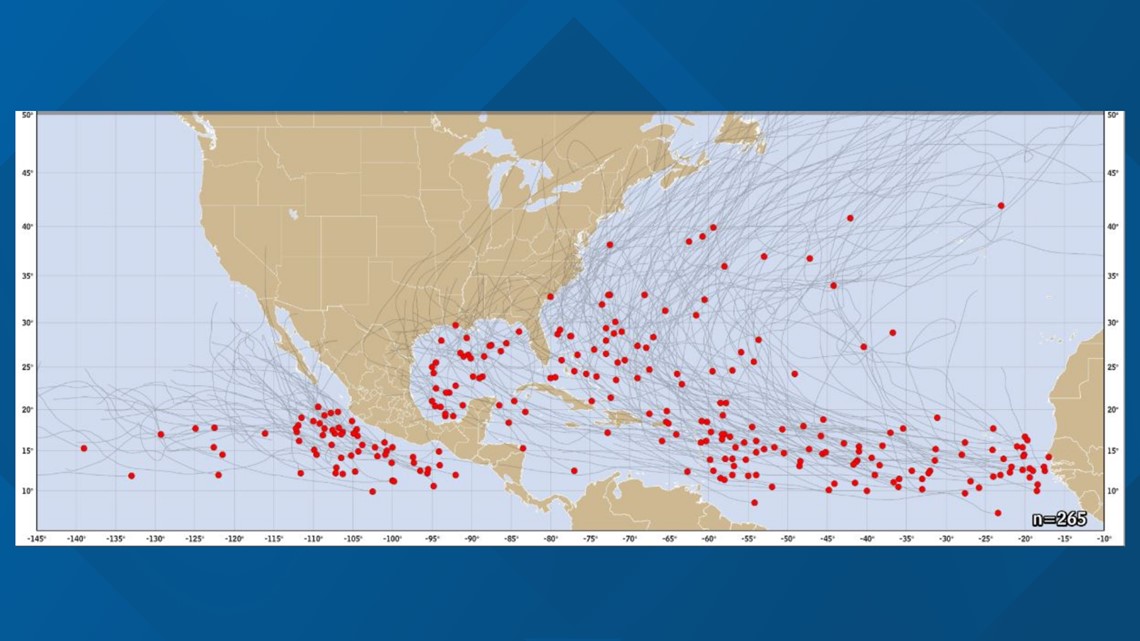
One of the primary defenses against hurricanes impacting California is the California Current. This cold ocean current flows southward along the western coast of North America, bringing frigid waters from the Gulf of Alaska down to Baja California. Tropical cyclones require warm ocean waters (typically above 80°F or 26.5°C) to form and sustain their intensity. As a hurricane or tropical storm moves into the colder waters of the California Current, it rapidly loses its energy source. The cooler temperatures absorb the storm’s heat and moisture, causing it to weaken significantly, often dissipating into a mere rain depression or even falling apart entirely before reaching the coast.
This consistent band of cool water effectively creates a “cold water barrier” that acts like a natural shield. Most tropical storms that develop off the coast of Mexico in the Eastern Pacific are steered westward by prevailing winds, taking them further away from the continental United States. Even if a storm manages to deviate northward, its encounter with the California Current is typically its demise, ensuring that by the time it approaches California, it is a much weaker system, if it exists at all.

Steering Clear: High-Pressure Systems and Prevailing Winds
Beyond the cold ocean currents, atmospheric patterns play a crucial role in diverting tropical systems away from California. A persistent high-pressure system, known as the Pacific High, typically dominates the northeastern Pacific Ocean. This massive atmospheric feature acts as a meteorological “roadblock,” steering developing hurricanes and tropical storms southwestward, away from the North American coastline and into the open ocean.
Accompanying this high-pressure system are the prevailing winds, which generally blow from east to west in the lower latitudes of the Pacific. These winds effectively “push” nascent tropical cyclones away from the coast, guiding them on a trajectory that keeps them clear of California and even further north towards Oregon and Washington. It’s only when this delicate balance of atmospheric forces shifts, as it did in the case of Hurricane Hilary, that a storm can find a “path of least resistance” and track closer to the coast. These shifts are infrequent but demonstrate that while the protective mechanisms are robust, they are not infallible.
Topographic Buffers: Mountains as Natural Barriers
While less direct than ocean currents and wind patterns, California’s formidable topography also contributes to weakening any tropical systems that do manage to approach the state. The towering mountain ranges, such as the Santa Ana Mountains, San Bernardino Mountains, and the Sierra Nevada further north, act as significant physical barriers.
As a tropical storm attempts to cross these mountainous terrains, the interaction with the high elevations causes friction and forces the moist air to rise and condense, dropping much of its rainfall on the windward slopes. This process, known as orographic lifting, can further strip the storm of its moisture and energy, causing it to rapidly dissipate into rain and wind squalls by the time it reaches the interior valleys or the eastern side of the mountains, such as the Antelope Valley. While this doesn’t prevent rain or strong winds, it significantly reduces the likelihood of a system maintaining its tropical characteristics and destructive power deep inland, confining most of the severe impacts to the immediate coastal and desert-facing mountain regions.
Understanding the Threat: What Californians and Travelers Can Expect
While direct hurricane landfalls in California are historically rare, and even tropical storm landfalls like Hilary’s are anomalies, it’s crucial for both residents and visitors to understand what can be expected from tropical weather systems that approach the state. Preparing for potential impacts is a key aspect of safe travel and enjoying all that California has to offer, from its bustling cities like San Francisco and Los Angeles to its breathtaking natural wonders like Yosemite National Park and the scenic drive along Big Sur.
More Than Just Rain: The Remnants of Tropical Systems
The most common interaction California has with tropical cyclones is not through direct impact but rather from the remnants of storms that have weakened significantly over the cooler waters of the Pacific or after making landfall further south in Baja California, Mexico. These remnants typically bring:
- Heavy Rainfall: Even a weakened system can carry a significant amount of moisture, leading to torrential downpours. These can cause localized flash flooding, especially in urban areas with poor drainage, desert regions (where the ground cannot absorb water quickly), and burn scar areas from previous wildfires (which are prone to mudslides and debris flows).
- Strong Winds: While not hurricane-force, winds can still be gusty and powerful enough to cause minor damage, down tree branches, and lead to localized power outages.
- High Surf and Rip Currents: Even if the storm center is far offshore, its expansive wind field can generate large swells that propagate towards the coast. This results in dangerous rip currents and high surf, making ocean activities hazardous. Popular beach destinations like those in San Diego or Orange County would be particularly affected.
- Increased Humidity: Uncharacteristically high humidity levels can make the weather feel muggy and uncomfortable, especially during the otherwise dry summer and early autumn months.
These remnants are most likely to affect Southern California and the desert interior, though their moisture can sometimes spread northward, bringing unusual summer rains to regions like the Central Valley or even parts of Northern California.
Planning Your California Adventure: Weather Preparedness for Tourists
For those planning to visit California, particularly during the late summer and early fall (the traditional hurricane season in the Eastern Pacific), a few preparedness tips can ensure a smoother and safer trip:
- Stay Informed: Before and during your trip, regularly check weather forecasts from reliable sources like the National Weather Service. Pay attention to any special advisories or warnings, especially for flood-prone areas or coastal regions. Many destinations, from Lake Tahoe to Hollywood, offer specific local weather updates.
- Flexible Travel Plans: Consider booking flights and accommodations with flexible cancellation or rebooking policies. This is a vital lifestyle tip for any traveler, allowing for adjustments due to unforeseen weather events. Travel insurance can also be a valuable investment, especially for significant trips.
- Emergency Kit: If embarking on road trips, especially to more remote areas or national parks like Death Valley, have a basic emergency kit in your vehicle. This should include water, non-perishable food, a first-aid kit, a flashlight, and a portable charger for your phone.
- Avoid Flooded Areas: Never attempt to drive or walk through flooded roads or waterways. “Turn around, don’t drown” is a crucial safety message. Flash floods can be incredibly powerful and are responsible for many weather-related fatalities.
- Secure Outdoor Items: If you are staying in a vacation rental or villa with outdoor furniture or décor, ensure these items are secured to prevent them from becoming projectiles in strong winds. This applies to hotels and resorts as well, though they typically have their own protocols.
- Follow Official Advice: Always heed evacuation orders or other directives from local authorities. These decisions are made with public safety as the highest priority. If a landmark or attraction, such as Disneyland or the Golden Gate Bridge, issues a closure notice, respect it.
- Consider Alternative Activities: If your beach day is rained out or your hiking trail is closed, California still offers an abundance of indoor attractions, museums, diverse culinary experiences, and shopping opportunities to explore. Adapting your plans can still lead to a memorable travel experience.
The Future of California’s Weather: Climate Change Considerations
The extraordinary event of Hurricane Hilary has naturally led to discussions about the role of climate change in California’s weather patterns. While no single event can be definitively attributed solely to climate change, scientific consensus suggests that a warming planet could lead to shifts in tropical cyclone behavior globally. This might include:
- Stronger Storms: Warmer ocean waters could fuel more intense hurricanes, even if they remain further offshore.
- Slower Movement: Some research indicates that tropical cyclones might be moving more slowly, increasing the duration of rainfall and wind impacts in affected areas.
- Unusual Tracks: Changes in atmospheric circulation patterns could, in rare instances, allow storms to take more unusual trajectories, such as the one observed with Hilary, potentially bringing them closer to regions historically considered safe.
For California, a state already grappling with drought, wildfires, and atmospheric rivers, the potential for increased interaction with tropical systems, even if weakened, adds another layer of complexity to its climate resilience efforts. This ongoing evolution underscores the importance of continuous monitoring, robust infrastructure planning, and public education. For the travel and tourism sector, it emphasizes the growing need for destinations and accommodations to integrate climate adaptation strategies into their operations, ensuring the safety and enjoyment of visitors in a changing world.
In conclusion, while direct hurricane hits on California remain exceptionally rare, the historic landfall of Hurricane Hilary as a tropical storm served as a powerful reminder that the state is not entirely immune to tropical weather systems. The combination of cold ocean currents, high-pressure systems, and formidable mountain ranges typically acts as a natural shield, weakening or diverting most storms. However, understanding the potential for heavy rainfall, strong winds, and dangerous surf from tropical remnants is crucial for anyone living in or visiting the Golden State. By staying informed and prepared, travelers can continue to safely explore the incredible destinations, attractions, and diverse experiences that California proudly offers.
LifeOutOfTheBox is a participant in the Amazon Services LLC Associates Program, an affiliate advertising program designed to provide a means for sites to earn advertising fees by advertising and linking to Amazon.com. Amazon, the Amazon logo, AmazonSupply, and the AmazonSupply logo are trademarks of Amazon.com, Inc. or its affiliates. As an Amazon Associate we earn affiliate commissions from qualifying purchases.