
Louisiana stands alone among the U.S. states for its unique administrative divisions, known as parishes, while the rest of the nation organizes its internal territories into counties. This distinction is more than just a linguistic curiosity; it’s a profound reflection of Louisiana’s rich and complex history, a vibrant tapestry woven with French, Spanish, and Catholic influences that set it apart from its Anglo-American neighbors. For travelers exploring the diverse landscapes and cultures of this captivating state, understanding the origins and significance of its parishes is key to unlocking the true spirit of Louisiana.
The journey to comprehending why Louisiana has parishes begins centuries ago, long before it became a part of the United States. It’s a story rooted in colonial ambitions, religious fervor, and a distinctive legal tradition that continues to shape daily life and governance. From the bustling streets of New Orleans to the tranquil bayous of Acadiana, each parish tells a part of this enduring narrative, inviting visitors to delve deeper into its unique charm. This article will explore the historical foundations, modern administrative functions, and the cultural implications of Louisiana’s parishes, offering insights for anyone planning a memorable trip to this extraordinary destination.
The Deep Roots of Colonial Legacy: France, Spain, and the Church
The primary reason Louisiana adopted the parish system lies firmly in its colonial past, a period dominated first by France and then by Spain. Unlike the British colonies that would form the bedrock of the United States, these European powers brought with them distinct administrative and religious frameworks that diverged significantly from the Anglo-Saxon model.
French Colonial Era: Ecclesiastical Divisions Take Hold
When the French first settled Louisiana in the late 17th and early 18th centuries, establishing posts like New Orleans and Natchitoches, the Catholic Church played an integral role in structuring colonial society. In Catholic nations, a “parish” (from the Latin parochia and Greek paroikia) was primarily an ecclesiastical term, referring to a specific geographic area served by a local church and its priest. These church parishes served not only spiritual needs but also performed many civil functions, such as recording births, marriages, and deaths, and even rudimentary forms of education and social welfare.
As the French colony of Louisiana expanded, these ecclesiastical parishes became the de facto administrative subdivisions for both religious and secular governance. The boundaries of these church-defined regions naturally evolved into recognized territorial units, creating a familiar structure for the colonists. The earliest parishes, such as those encompassing New Orleans and the surrounding fertile lands along the Mississippi River, were essential for managing a sprawling and sparsely populated territory. This initial reliance on the Catholic Church’s organizational system laid the groundwork for what would become Louisiana’s unique governmental framework.
Spanish Rule and the Formalization of the Parish System
In 1762, by the terms of the Treaty of Fontainebleau, France secretly ceded Louisiana to Spain. Spanish rule officially began in 1769, and though the Spanish brought their own legal and administrative traditions, they largely maintained and codified the existing French territorial divisions. The Spanish, also a predominantly Catholic power, found the existing ecclesiastical parish structure to be a practical and recognizable system.
Under Spanish influence, the administrative role of the parishes was further solidified. While still serving their religious purpose, these geographic units were increasingly utilized for civil administration, tax collection, and judicial oversight. The Cabildo in New Orleans, the seat of the Spanish municipal government, oversaw the colony’s affairs, which were organized around these established parish boundaries. This period was crucial for embedding the “parish” as the standard civil designation, distinguishing Louisiana from the common law traditions developing in the English colonies further east.
When Louisiana was briefly returned to France and then sold to the United States through the Louisiana Purchase in 1803, the existing administrative divisions were firmly in place. The new American authorities, led by President Thomas Jefferson, recognized the deep-seated nature of these divisions and chose to retain the term “parish” rather than attempting to impose the “county” system, respecting the established order and cultural identity of the newly acquired territory. In 1807, the Louisiana territorial legislature formally divided the territory into 19 parishes, cementing the term into its legal and political landscape. This decision underscores the deep respect, or perhaps pragmatic necessity, for maintaining Louisiana’s distinct legal heritage, which notably includes a Civil Law system (derived from the Napoleonic Code) rather than the Common Law system prevalent in other U.S. states.
Modern Administration: Parishes as Pillars of Local Governance
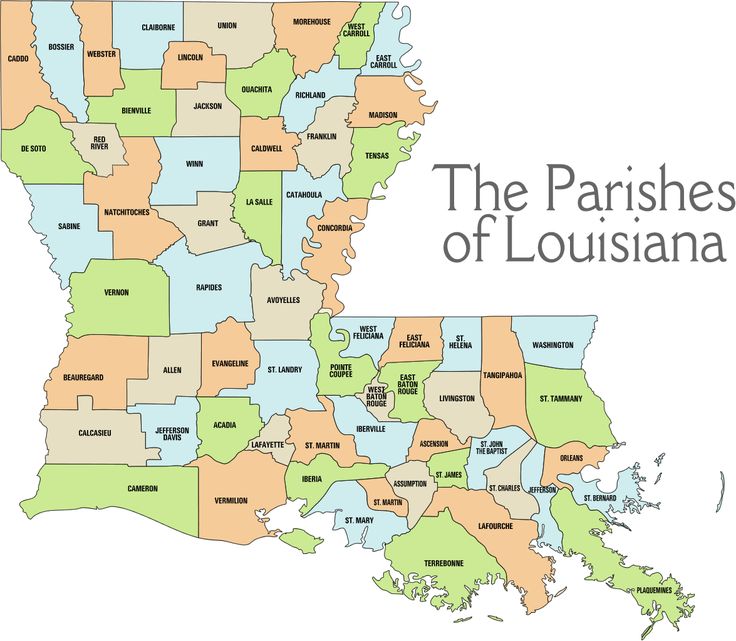
Today, Louisiana’s 64 parishes function much like counties in other U.S. states, serving as the primary units of local government. However, even in their modern administrative roles, the echoes of their historical origins and the state’s unique legal framework continue to shape their character and operations.
Governmental Structure and Services
Each Louisiana parish is an independent political subdivision responsible for a wide array of local services. These typically include law enforcement (managed by a sheriff’s office), public education (run by parish school boards), road maintenance, public health initiatives, and infrastructure development. The specific structure of parish government can vary, but common forms include the police jury system (a legislative body that also performs executive functions), the parish president system (with an elected executive), or consolidated city-parish governments (such as Baton Rouge and East Baton Rouge Parish or New Orleans and Orleans Parish).
One of the most significant distinctions in Louisiana’s governance is its adherence to the Civil Law tradition, a direct inheritance from its French and Spanish past. This system, unlike the Common Law practiced in other U.S. states, relies on comprehensive, codified statutes as the primary source of law rather than judicial precedent. While the federal legal system still applies, Louisiana’s unique legal framework permeates its local ordinances and judicial proceedings, adding another layer to its distinct identity. For visitors interested in local culture and history, observing the legal and administrative subtleties can be a fascinating aspect of their Louisiana experience.
Cultural Identity and Local Pride
Beyond their administrative functions, parishes in Louisiana serve as powerful symbols of local identity and pride. Each parish often boasts its own distinctive cultural nuances, dialects, culinary traditions, and festivals. This strong sense of place is deeply ingrained in the local psyche, fostering community bonds that are tangible to any traveler.
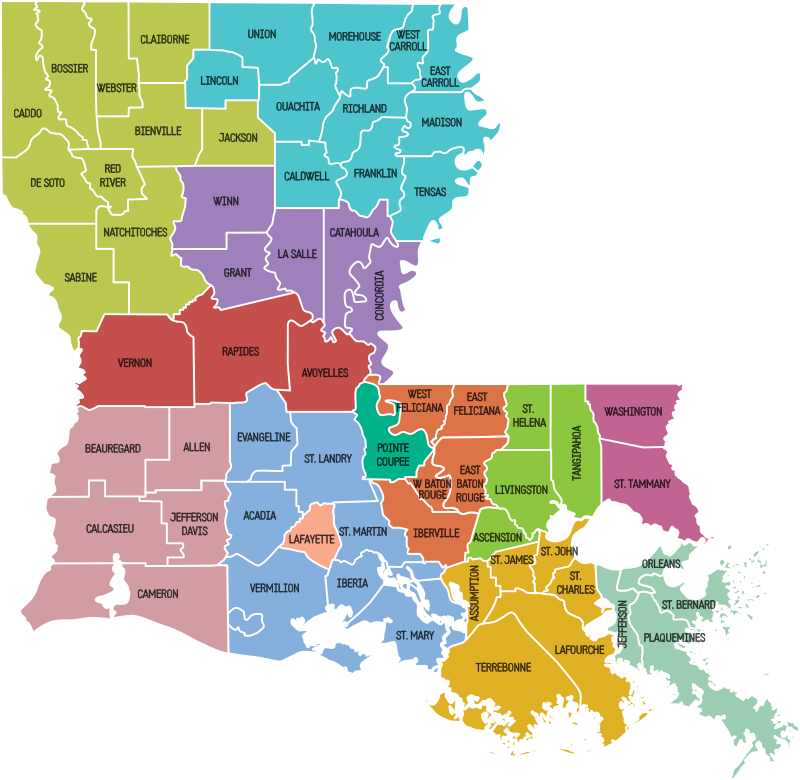
For instance, Acadiana, a region comprising many parishes in southwestern Louisiana (including Lafayette Parish, St. Martin Parish, and Vermilion Parish), is the heartland of Cajun culture, famous for its vibrant music (Zydeco and Cajun), spicy cuisine, and unique French dialect. New Orleans and Orleans Parish are synonymous with Creole culture, Jazz, and the iconic Mardi Gras celebrations. Plantation Country along the River Road between New Orleans and Baton Rouge offers a different historical perspective with its grand antebellum homes like Oak Alley Plantation and Laura Plantation.
The names of the parishes themselves often reflect this heritage—St. Bernard Parish (named for Spanish Governor Bernardo de Gálvez), St. Tammany Parish (named for a Native American chief), Jefferson Parish (for Thomas Jefferson), and so on. These names are not merely labels; they are signposts to the layered history and diverse influences that have shaped Louisiana. For those interested in local culture and traditions, visiting different parishes reveals the mosaic that makes Louisiana such a compelling travel destination.
Experiencing Louisiana’s Parishes: A Traveler’s Guide
For tourists, the parish system provides a natural framework for exploring the multifaceted wonders of Louisiana. Each parish, with its distinct identity and offerings, promises a unique experience, from bustling urban centers to serene natural landscapes.
Exploring Diverse Regions: From Urban Hubs to Bayou Country
Louisiana’s parishes offer an incredible spectrum of travel experiences:
- New Orleans (Orleans Parish): The crown jewel of Louisiana tourism, Orleans Parish is home to the iconic French Quarter, historic Garden District, vibrant music scene, and world-renowned cuisine. Visitors can explore landmarks like Jackson Square, St. Louis Cathedral, and the historic Cabildo and Presbytère museums, offering deep dives into the city’s French and Spanish colonial past. The city’s unique blend of Creole and Cajun influences is palpable in its food, music, and architecture, making it an essential stop for cultural immersion.
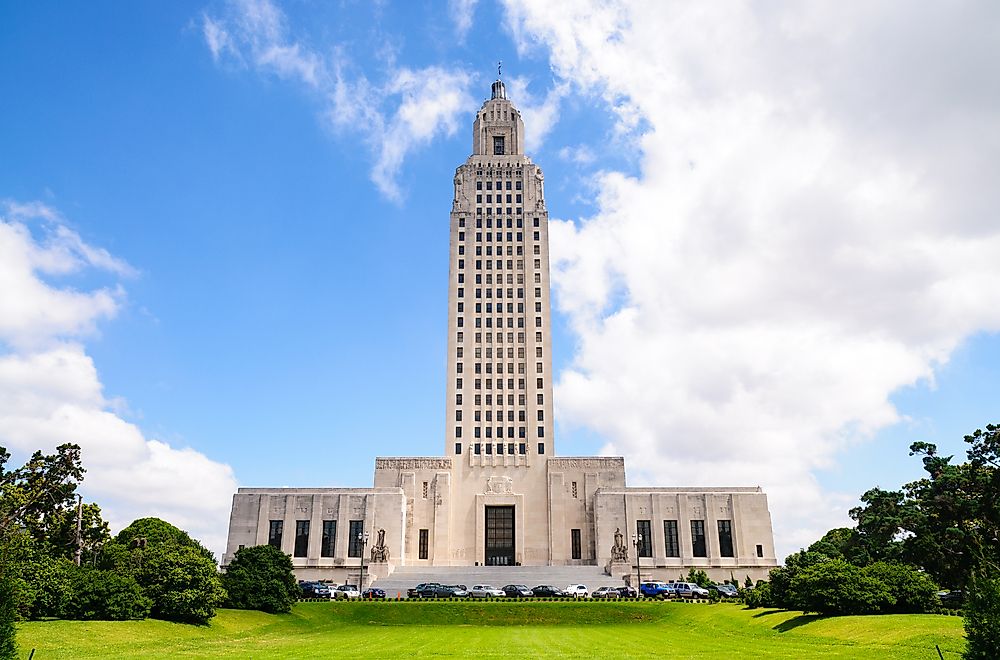
- Baton Rouge (East Baton Rouge Parish): The state capital, East Baton Rouge Parish, offers a blend of historical sites, political landmarks, and university town charm. Attractions include the Old State Capitol, the LSU Rural Life Museum, and the USS KIDD Veterans Museum. It serves as an excellent base for exploring the nearby plantations and the River Road.
- Acadiana (e.g., Lafayette, St. Martin, Vermilion Parishes): For an authentic Cajun experience, head to the parishes of Acadiana. Lafayette Parish is often considered the capital of Cajun Country, offering lively dance halls (fais do-dos), delicious Cajun food, and swamp tours through the Atchafalaya Basin, the largest river swamp in the United States. St. Martin Parish is particularly renowned for its picturesque bayous and access to breathtaking natural beauty, where travelers can spot cypress trees draped in Spanish moss and observe local wildlife like alligators and migratory birds.
- North Louisiana (e.g., Caddo, Ouachita Parishes): Parishes like Caddo Parish (home to Shreveport) and Ouachita Parish (home to Monroe) offer a different flavor, leaning more towards a Southern, sometimes even Texan or Arkansan, cultural blend. These regions boast outdoor recreation, historical sites, and a burgeoning food scene. The ancient earthworks of Poverty Point World Heritage Site in West Carroll Parish are a testament to millennia of human history in North America.
- Gulf Coast Parishes (e.g., Jefferson, Plaquemines, Lafourche Parishes): These parishes offer stunning coastal scenery, fishing opportunities, and unique barrier island experiences, such as Grand Isle in Jefferson Parish, a popular destination for fishing and birdwatching. Jean Lafitte National Historical Park and Preserve offers insights into the Mississippi Delta’s natural and cultural history through various sites across multiple parishes, including opportunities for swamp tours and exploring historic battlefields.
Planning Your Parish Adventure: Tips for Visitors
To make the most of your trip to Louisiana and its parishes, consider these tips:
- Embrace Local Culture: Each parish has its own events, festivals, and local traditions. Check local tourism boards for schedules, whether it’s a small-town Mardi Gras celebration, a seafood festival, or a Zydeco dance.
- Culinary Exploration: Louisiana’s food scene is legendary. Venture beyond New Orleans to savor regional specialties, from gumbo and jambalaya to boudin and étouffée, often found in humble local eateries across the parishes. A visit to Avery Island in Iberia Parish, the home of Tabasco sauce, offers a unique culinary tour.
- Accommodation Variety: Louisiana offers a range of accommodation options. In larger cities like New Orleans, you can find everything from luxury resorts and boutique hotels in the French Quarter to charming guest houses and modern suites. In more rural parishes, consider staying in a historic bed and breakfast, a cozy villa, or even an apartment for a longer stay, offering a more immersive experience. For those seeking unique amenities, many hotels and resorts offer pools, spas, and gourmet dining.
- Transportation: While major cities are walkable, exploring the diverse parishes often requires a car. This allows for flexibility to visit swamp tours, plantations, and smaller towns at your own pace.
- Respect the Environment: When visiting natural areas like bayous and coastal regions, be mindful of the delicate ecosystems and follow guidelines for responsible tourism.
In conclusion, the question “Why does Louisiana have parishes?” leads us on a fascinating journey through centuries of history, demonstrating how colonial legacies can endure and shape modern governance and cultural identity. For any traveler to this enchanting state, understanding its parish system is not just an academic exercise but an essential part of appreciating the vibrant, diverse, and deeply historical spirit that makes Louisiana unlike anywhere else in the United States. So, pack your bags, prepare to be charmed, and embark on an unforgettable adventure through the parishes of Louisiana.
LifeOutOfTheBox is a participant in the Amazon Services LLC Associates Program, an affiliate advertising program designed to provide a means for sites to earn advertising fees by advertising and linking to Amazon.com. Amazon, the Amazon logo, AmazonSupply, and the AmazonSupply logo are trademarks of Amazon.com, Inc. or its affiliates. As an Amazon Associate we earn affiliate commissions from qualifying purchases.