
The question “Is Hawaii apart of the USA?” might seem straightforward to some, but it often sparks curiosity, particularly for those unfamiliar with American geography or the unique history of this island paradise. The definitive answer is a resounding yes: Hawaii is indeed the 50th state of the USA, a status it officially achieved on August 21, 1959. However, its identity as an American state is intertwined with a rich, complex history and a vibrant culture that sets it apart from any other region within the nation. This unique blend of American governance and distinctly Polynesian heritage is precisely what makes Hawaii one of the world’s most captivating destinations, drawing millions of travelers annually to explore its breathtaking landscapes, immerse themselves in its traditions, and experience its unparalleled hospitality.
From the moment you arrive, the difference is palpable. The warm, humid air, the scent of plumeria and frangipani, and the ubiquitous greeting of “Aloha” instantly transport you to a place unlike anywhere on the mainland. While you’ll find familiar American brands, infrastructure, and currency, the spirit of Hawaii—its deep connection to nature, its reverence for ancestors, and its emphasis on community—pervades every aspect of life. This article will delve into Hawaii’s journey to statehood, explore its vibrant cultural tapestry, and provide insights for planning an unforgettable travel experience to this extraordinary part of the USA.
Hawaii’s Place in the American Union
Understanding Hawaii’s current status as a U.S. state requires a look back at its fascinating and often tumultuous past. Its journey to becoming the 50th star on the American flag is a tale of monarchy, geopolitical maneuvering, and the eventual embrace of a new national identity.
A Historical Journey to Statehood
For centuries, Hawaii was an independent kingdom, ruled by a succession of monarchs who united the islands and established diplomatic ties with major global powers. The arrival of Captain James Cook in 1778 marked the beginning of significant Western influence, leading to increased trade, missionary efforts, and, eventually, political interference. By the late 19th century, American business interests, particularly in sugar plantations, held considerable sway. In 1893, a group of American and European businessmen, supported by U.S. Marines, overthrew the Hawaiian monarchy, leading to the establishment of a provisional government and then the Republic of Hawaii.
Despite efforts by native Hawaiians to restore their sovereignty, Hawaii was annexed by the USA in 1898, becoming a U.S. territory. For over half a century, the islands operated under this territorial status. The pivotal event that solidified Hawaii’s importance to the USA and the world was the attack on Pearl Harbor on December 7, 1941, which thrust the USA into World War II. The strategic military significance of the islands became undeniable. Following the war, a strong movement for statehood gained momentum, driven by both residents of Hawaii and politicians on the mainland. Finally, after a plebiscite in which Hawaiian residents voted overwhelmingly in favor, Hawaii was admitted to the Union in 1959. Today, Honolulu, located on the island of Oahu, serves as the state capital, a vibrant metropolitan hub that beautifully encapsulates the state’s blend of cultures.
Geography and Administration
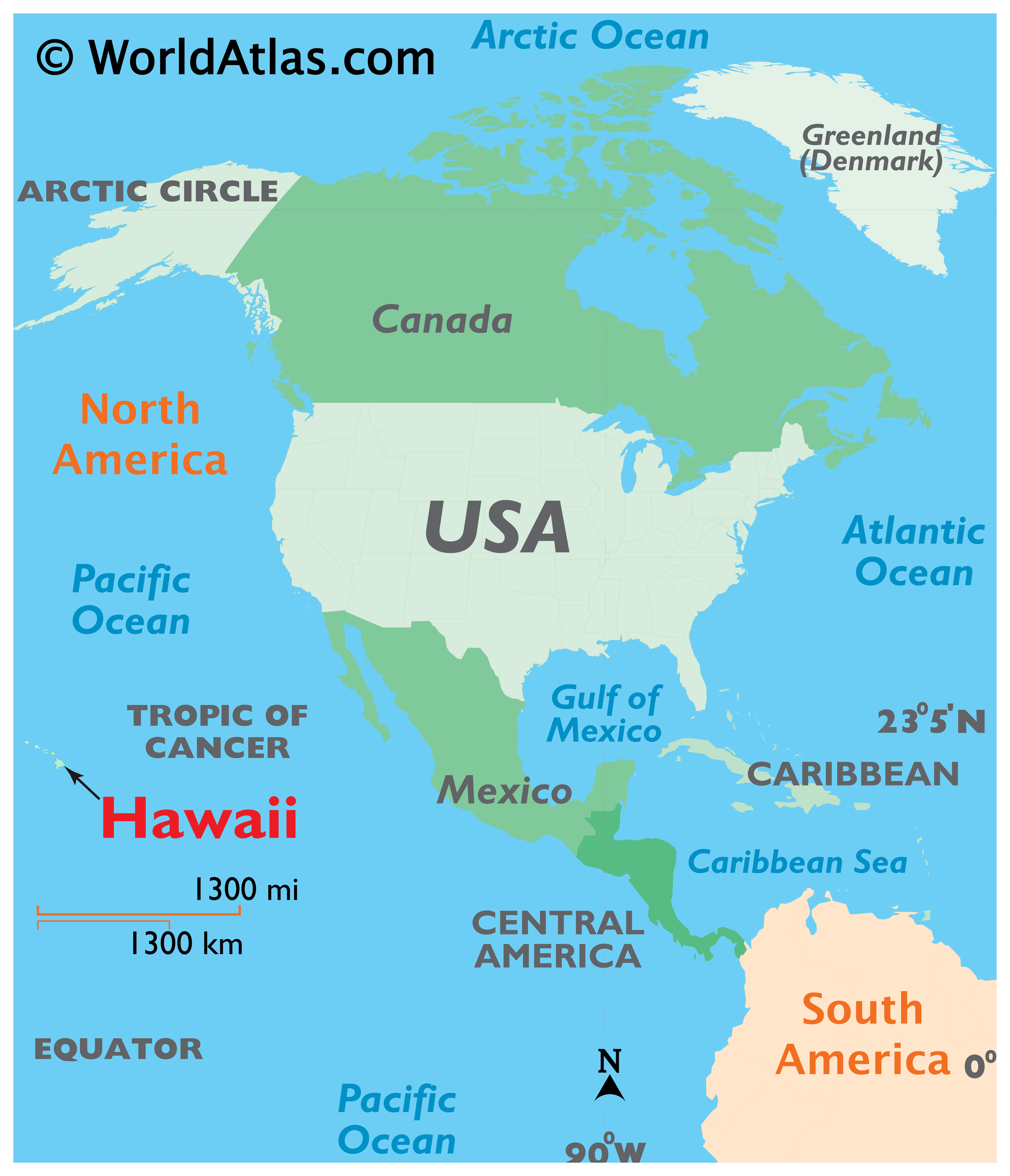
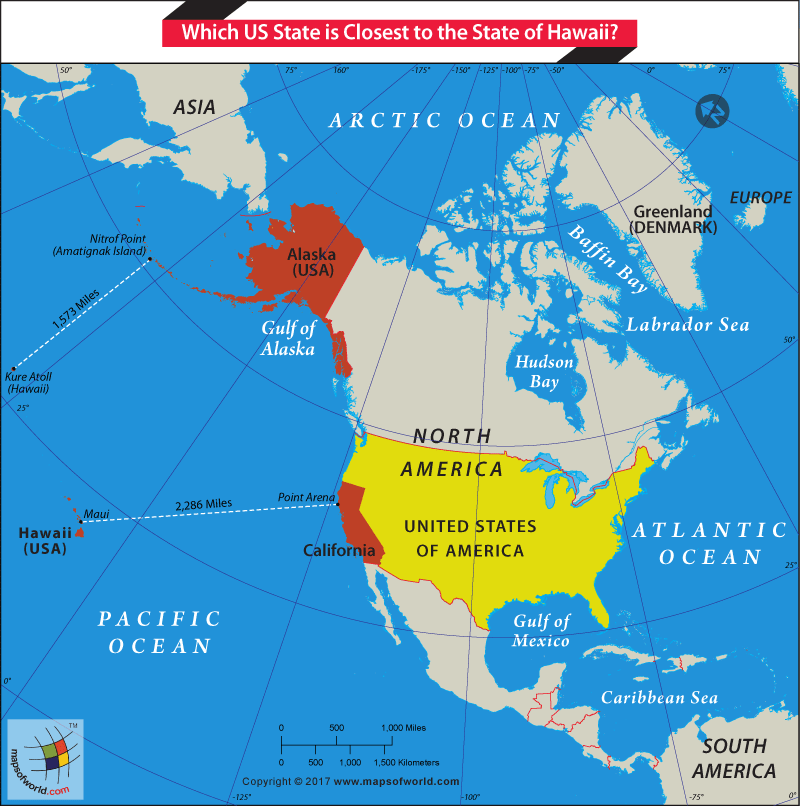
Geographically, Hawaii is truly unique within the USA. It is the only state composed entirely of islands, and it is the southernmost and westernmost state in the nation. Situated in the Pacific Ocean, it lies approximately 2,400 miles southwest of California, making it the only U.S. state not located in North America. The archipelago consists of hundreds of islands, though eight main islands form the core of the state: Hawaii (often called the Big Island), Maui, Oahu, Kauai, Molokai, Lanai, Niihau, and Kahoolawe.
As a U.S. state, Hawaii operates under the same federal laws and constitutional framework as any other state. Residents are U.S. citizens, pay federal taxes, and vote in federal elections. The state has its own governor, a bicameral state legislature, and a judicial system. Despite its remote location, it is fully integrated into the American political, economic, and social fabric, offering all the protections and responsibilities of U.S. citizenship.
The Aloha State: A Melting Pot of Culture and Beauty
Beyond its political status, Hawaii’s true allure lies in its vibrant culture and unparalleled natural splendor. It is a destination where ancient traditions thrive alongside modern amenities, offering a kaleidoscope of experiences for every traveler.
Unique Cultural Heritage
Hawaii’s cultural heritage is profoundly rooted in its indigenous Polynesian ancestry. The original voyagers brought with them a rich oral tradition, a deep reverence for the land (aina) and sea (kai), and sophisticated navigational skills. Today, these roots are evident in the enduring power of the Hawaiian language, the graceful movements of the hula, the intricate craftsmanship of leis, and the concept of “ohana” (family), which extends beyond bloodlines to embrace community.
Over centuries, Hawaii’s isolated location became a crossroads for various cultures. Successive waves of immigration from China, Japan, the Philippines, Portugal, and other nations introduced new languages, culinary traditions, and customs, creating a uniquely diverse society. This cultural fusion is best experienced through Hawaii’s celebrated cuisine, where traditional Hawaiian dishes like poi and poke share menus with Japanese sashimi, Filipino adobo, and American staples, often with a local twist. Attending a traditional luau isn’t just a meal; it’s an immersive cultural experience, complete with traditional music, dance, and storytelling.
Unrivaled Natural Attractions
Hawaii’s natural beauty is legendary, characterized by dramatic volcanic landscapes, lush rainforests, and pristine beaches. Each island offers its own distinct charm and a wealth of natural wonders waiting to be explored.
On the Big Island, Hawaii Volcanoes National Park is a UNESCO World Heritage Site, home to two of the world’s most active volcanoes, Kilauea and Mauna Loa. Visitors can witness otherworldly landscapes, steam vents, and sometimes even glowing lava flows, a truly humbling experience. Maui is famous for its stunning Road to Hana, a scenic drive winding through dense rainforests, past cascading waterfalls, and along rugged coastline. Its iconic Ka’anapali Beach offers golden sands and excellent snorkeling. Oahu boasts the world-renowned Waikiki Beach, framed by the majestic Diamond Head crater, a hub for surfing lessons and vibrant nightlife. Beyond the bustling city, Oahu’s North Shore is a legendary surfing mecca, attracting professional surfers from around the globe.

For those seeking more secluded beauty, Kauai, the “Garden Isle,” offers the breathtaking Na Pali Coast, a dramatic stretch of emerald cliffs, hidden beaches, and sea caves, best explored by boat, helicopter, or a challenging hike. Underwater, Hawaii’s coral reefs teem with colorful marine life, making snorkeling and diving popular activities, especially at sites like Molokini Crater off the coast of Maui. From hiking ancient lava fields to swimming with sea turtles, the opportunities for outdoor adventure and communion with nature are endless.
Planning Your Hawaiian Escape: Travel, Accommodation, and Experiences
As an integral part of the USA, planning a trip to Hawaii for U.S. citizens is as straightforward as domestic travel, requiring no passport or currency exchange. However, its unique geography and popularity mean some specific considerations for international visitors and all travelers alike.
Getting There and Around
The primary gateway to Hawaii is Daniel K. Inouye International Airport (HNL) in Honolulu, Oahu, which receives direct flights from major cities across the U.S., Asia, and the Pacific. Other international airports are located on Maui (Kahului Airport – OGG), the Big Island (Kona International Airport – KOA and Hilo International Airport – ITO), and Kauai (Lihue Airport – LIH). Inter-island travel is predominantly by short domestic flights, with several airlines offering frequent connections between the main islands. While ferries exist for specific routes (like between Maui and Lanai), flying is the most common and efficient way to island-hop.
Once on an island, car rentals are highly recommended for exploring beyond resort areas, giving you the freedom to discover hidden beaches, scenic viewpoints, and local eateries. Public transportation options vary by island; Oahu has a robust bus system, but other islands have more limited services. Taxis and ridesharing apps are also available in metropolitan areas.
Where to Stay: Hotels, Resorts, and Unique Accommodations
Hawaii offers a vast array of accommodation options to suit every budget and travel style, from luxurious five-star resorts to cozy vacation rentals and budget-friendly hotels.
For those seeking an indulgent escape, Hawaii’s luxury resorts are renowned worldwide. On Maui, the Four Seasons Resort Maui at Wailea offers impeccable service, oceanfront access, and exquisite dining. In Waikiki, the iconic The Royal Hawaiian, a Luxury Collection Resort, known as the “Pink Palace of the Pacific,” provides a blend of historic charm and modern amenities. These resorts often feature world-class spas, multiple swimming pools, championship golf courses, and private beach access, catering to travelers looking for ultimate relaxation and pampering.
Beyond resorts, travelers can find boutique hotels offering a more intimate experience, often reflecting local Hawaiian architecture and design. Vacation rentals through platforms like Airbnb and VRBO are increasingly popular, especially for families or those seeking a longer stay, providing kitchens and more living space. These options allow for a deeper immersion into local neighborhoods and the opportunity to live like a local. Budget-conscious travelers will also find a selection of comfortable hotels and guesthouses, particularly outside the main tourist hubs. When choosing accommodation, consider the specific island experience you’re seeking—whether it’s the bustling energy of Waikiki, the tranquil beauty of Kauai, or the volcanic majesty of the Big Island.
Must-Do Activities and Experiences
Hawaii’s appeal as a travel destination lies in its endless opportunities for adventure, relaxation, and cultural exploration.
- Surfing Lessons: Whether on Waikiki Beach or the famed breaks of Oahu’s North Shore, taking a surfing lesson is a quintessential Hawaiian experience.
- Snorkeling and Diving: Explore vibrant coral reefs and swim alongside tropical fish and sea turtles. Popular spots include Molokini Crater in Maui and Hanauma Bay in Oahu.
- Hiking: Traverse diverse landscapes, from the iconic ascent of Diamond Head for panoramic views of Honolulu to challenging trails in Hawaii Volcanoes National Park or along Kauai’s Na Pali Coast.
- Cultural Immersion: Attend a traditional luau to enjoy authentic Hawaiian food, hula performances, and fire dances. Visit historical landmarks like the Pearl Harbor National Memorial to reflect on a pivotal moment in U.S. history, or explore Iolani Palace, the only official residence of royalty in the USA.
- Food Exploration: Indulge in local delicacies such as poke, shaved ice, kalua pig, and fresh seafood. Don’t miss visiting farmers’ markets for local produce and unique crafts.
- Relaxation: Simply unwind on one of Hawaii’s many stunning beaches, listen to the gentle waves, and soak in the sun.
Lifestyle in Paradise: Beyond the Tourist Trail
While millions visit Hawaii for its unparalleled tourist attractions, the daily life for residents offers a glimpse into a lifestyle deeply connected to its unique environment and cultural values.
Living the Island Life
The “Aloha Spirit” is more than a marketing slogan; it’s a way of life that emphasizes compassion, respect, and a harmonious relationship with nature and each other. The pace of life tends to be more relaxed, often referred to as “island time.” Outdoor activities are not just leisure pursuits but an integral part of daily existence. Surfing, swimming, hiking, and fishing are woven into the fabric of local communities. The concept of “ohana” fosters strong community bonds, where neighbors support one another, and a sense of shared responsibility for the land and its people prevails. Many residents prioritize sustainability and environmental conservation, understanding the delicate balance of their island ecosystems.
Economic Landscape and Challenges
Hawaii’s economy is heavily reliant on tourism, which serves as its largest industry. While providing numerous job opportunities and contributing significantly to the state’s revenue, this reliance also presents challenges. The high cost of living, driven by the necessity to import most goods, is a significant concern for residents. Housing, groceries, and fuel are often considerably more expensive than on the mainland. The delicate balance between welcoming tourists and preserving the natural beauty and cultural integrity of the islands is an ongoing discussion. Efforts are continually made towards sustainable tourism practices, diversifying the economy, and addressing environmental impacts, ensuring that Hawaii remains a paradise for both its residents and its visitors for generations to come.
In conclusion, Hawaii’s status as a U.S. state is a fundamental aspect of its identity, providing the stability and infrastructure of American governance. Yet, it is the profound influence of its Polynesian heritage, its vibrant multiculturalism, and its awe-inspiring natural landscapes that truly define this archipelago. For travelers, it represents an opportunity to experience an exotic, culturally rich, and breathtakingly beautiful destination without leaving the convenience of the USA. From the bustling streets of Honolulu to the serene beaches of Kauai, Hawaii offers a myriad of experiences that celebrate its unique place in the world, inviting everyone to embrace the Aloha Spirit.
LifeOutOfTheBox is a participant in the Amazon Services LLC Associates Program, an affiliate advertising program designed to provide a means for sites to earn advertising fees by advertising and linking to Amazon.com. Amazon, the Amazon logo, AmazonSupply, and the AmazonSupply logo are trademarks of Amazon.com, Inc. or its affiliates. As an Amazon Associate we earn affiliate commissions from qualifying purchases.