
California, often referred to as the Golden State, is a land of unparalleled diversity, encompassing everything from sun-drenched beaches and towering redwood forests to bustling metropolitan centers and serene desert landscapes. For travelers, this rich tapestry presents an endless array of destinations and experiences. But beneath the surface of its iconic landmarks and vibrant cities lies a complex administrative structure, essential for understanding how the state functions, from governance to local tourism initiatives. When we ask “how many districts in California?”, we’re delving into a multifaceted answer that reflects the state’s vast geography, population, and democratic principles.
The concept of “districts” in California isn’t singular; it refers to various divisions serving different administrative, political, and even cultural purposes. From local governance to federal representation, these divisions shape the fabric of life and travel across the state. Understanding these structures can offer a unique lens through which to appreciate California’s diverse offerings, whether you’re planning a luxurious escape, a budget-friendly family trip, or an immersive cultural adventure.
Unpacking California’s Administrative and Political Divisions
At its core, California’s governance is built upon a foundational layer of counties, which then branch out into more specialized districts for legislative and representative purposes. These divisions are not just lines on a map; they delineate communities, resources, and often, distinct regional identities that significantly influence local culture, tourism, and lifestyle.
The Foundation: Counties of California
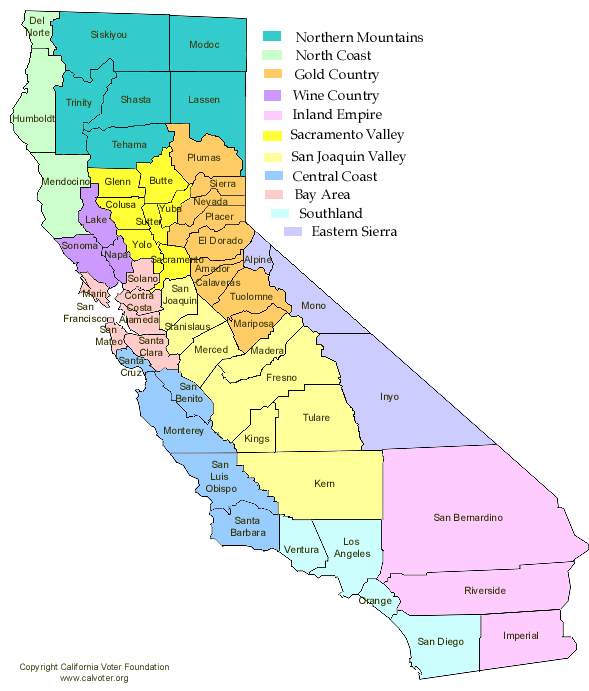
The primary administrative units within California are its counties. The state is divided into 58 counties, each serving as a local government entity responsible for a wide range of services, including law enforcement, public health, roads, and land use planning. These counties vary dramatically in size, population, and character, from the sprawling urban expanse of Los Angeles County to the vast, sparsely populated regions of Inyo County in the eastern Sierra Nevada mountains.
Each county, in turn, contains numerous cities, towns, and unincorporated areas, many of which have their own distinct tourist attractions and local cultures. For example, a visit to Orange County might lead you to the magical gates of Disneyland Park in Anaheim, the sun-kissed beaches of Laguna Beach, or the vibrant arts scene of Costa Mesa. Similarly, San Diego County boasts attractions like the world-renowned San Diego Zoo and the historic Gaslamp Quarter, while offering a different coastal vibe than its northern neighbors.
These counties are the bedrock upon which all other districts are drawn, influencing everything from the availability of luxury resorts to the charm of local bed and breakfasts. When travelers consider where to stay in California, the county often determines the type of experience they will encounter, whether it’s a bustling city break with access to high-end hotels or a tranquil retreat in a rustic cabin amidst natural beauty. Understanding the unique offerings of each county is key to planning a tailored California itinerary that aligns with specific travel preferences and lifestyle choices.
Federal Representation: Congressional Districts
Beyond the county structure, California is also divided for the purpose of federal representation within the United States government. Due to its large population, California holds significant sway in the U.S. House of Representatives. The state is currently divided into 52 congressional districts. Each of these districts elects one representative to serve in the U.S. House of Representatives in Washington D.C.
These congressional districts are meticulously drawn to ensure fair representation based on population, and they are subject to redistricting after each decennial census. While primarily political in nature, the boundaries of these districts often encompass regions with shared economic interests, cultural identities, and tourist appeal. For instance, a congressional district might span the agricultural heartland of the Central Valley, focusing on farm-to-table tourism and rural experiences, while another might cover the tech hub of Silicon Valley, attracting business travelers and innovation enthusiasts interested in the modern lifestyle.
For travelers, recognizing the broad geographic areas covered by these districts can sometimes inform regional exploration. A district encompassing part of the Northern California coast might highlight redwood forests and rugged shorelines, with accommodation options ranging from charming inns to eco-friendly resorts. Conversely, a district in Southern California could feature iconic beaches, theme parks, and luxury hotels, catering to a different kind of vacationer. These districts, though not directly tourist-facing, indirectly reflect the diverse landscapes and community values that make up the unique travel experiences within the Golden State.
State Legislative Districts: Sacramento’s Influence
At the state level, California’s bicameral legislature, based in Sacramento, is also organized into specific districts. This system ensures that every resident has a voice in state policymaking. The state is divided into:
- 40 Senatorial Districts: Each district elects one senator to the California State Senate.
- 80 Assembly Districts: Each district elects one assembly member to the California State Assembly.
These legislative districts are also redrawn periodically to account for population changes and maintain equitable representation. The members elected from these districts address a wide array of state issues, including environmental protection (crucial for California’s national parks and coastlines), education, infrastructure, and tourism funding – all elements that directly impact the travel experience.
Consider, for example, a senatorial district that includes a portion of the Wine Country in Napa Valley or Sonoma Valley. The elected representatives from such a district would likely advocate for policies that support local viticulture, culinary tourism, and boutique hotel development, enhancing the overall lifestyle appeal for visitors seeking luxury travel and gourmet experiences. Similarly, an assembly district covering parts of Lake Tahoe would focus on preserving its natural beauty, promoting outdoor activities, and ensuring sustainable tourism, attracting adventure seekers and nature lovers.
These districts, much like their federal counterparts, represent distinct geographic and demographic areas, each with its own character and appeal. For those interested in local culture and specific activities, understanding the legislative focus of a region can provide insight into the types of attractions, food scenes, and experiences that are celebrated and supported within those areas.

Exploring California’s Regional Charms Through its Divisions
Beyond the formal administrative and political definitions, the concept of “districts” also informally applies to the distinct regions of California that offer unique travel experiences. These regional districts are often defined by geography, climate, and cultural identity, making them natural magnets for specific types of tourism.
Coastal Wonders and Urban Hubs
California’s coastline is arguably its most famous feature, stretching for hundreds of miles and encompassing a myriad of “districts” each with its own allure. From the rugged beauty of Big Sur to the sophisticated urban landscape of San Francisco, the coastal regions offer diverse travel styles.
- San Francisco Bay Area: This “district” is a vibrant hub of innovation, culture, and iconic landmarks. Travelers here can explore the Golden Gate Bridge, visit Alcatraz Island, or wander through the historic streets of Chinatown. Accommodation ranges from luxurious hotels overlooking the bay to charming boutique stays in neighborhoods like Fisherman’s Wharf or Union Square. For those interested in culinary tourism, the Bay Area offers world-class dining and a thriving food scene.
- Greater Los Angeles Area: Often considered a district unto itself, this sprawling metropolitan region is synonymous with entertainment, glamour, and diverse cultural experiences. Visitors flock to Hollywood for its cinematic history, Beverly Hills for luxury shopping, and the beaches of Santa Monica or Malibu for sun and surf. The accommodation options are endless, from five-star resorts and designer suites to trendy hotels catering to budget-conscious travelers. Lifestyle travelers can indulge in high-end experiences or find bohemian retreats, depending on their preference.
- San Diego Coastal Strip: This southern coastal district is famed for its consistent sunshine, laid-back vibe, and family-friendly attractions. Beyond the San Diego Zoo and Balboa Park, visitors can enjoy surfing in La Jolla, exploring the vibrant Gaslamp Quarter, or experiencing the rich history of Old Town San Diego State Historic Park. Resorts and hotels cater to every need, making it an ideal destination for family trips and romantic getaways alike.
These coastal districts, while part of larger counties and political divisions, stand out as distinct travel destinations, each offering a unique blend of landmarks, activities, and accommodation choices.
Inland Empires and Natural Retreats
Away from the coast, California offers vast “inland districts” that showcase its natural wonders, agricultural bounty, and unique desert landscapes.
- The Sierra Nevada Mountains: This majestic “district” is a haven for outdoor enthusiasts. Home to national treasures like Yosemite National Park, Sequoia National Park, and Kings Canyon National Park, it offers unparalleled opportunities for hiking, skiing, and wildlife viewing. Accommodation ranges from rustic cabins and campgrounds to historic lodges and luxury mountain resorts. This region is perfect for adventure travel and those seeking a lifestyle deeply connected to nature.
- The Deserts (e.g., Mojave and Colorado Deserts): East of the coastal ranges lies a fascinating “district” of arid beauty, including the Mojave Desert and Colorado Desert. Joshua Tree National Park is a prime example, drawing visitors with its surreal landscapes and unique flora. Further south, Palm Springs offers a blend of mid-century modern architecture, golf resorts, and a vibrant arts scene, making it a popular destination for luxury travel and relaxation. From glamping experiences to high-end resort amenities, the desert offers a distinct kind of tranquility and adventure.
- Central Valley: Often called the agricultural heartland, this vast “district” provides a different perspective on California. While not as prominent on typical tourist itineraries, it’s rich in local culture, farm-to-fork experiences, and charming small towns. Cities like Fresno and Bakersfield serve as gateways to national parks and offer authentic local insights. Accommodation here often includes chain hotels for business stays, as well as quaint bed and breakfasts.
These inland districts demonstrate California’s incredible geographical diversity, catering to travelers seeking anything from rugged adventure to serene luxury amidst unique natural settings.
Planning Your California Adventure: Accommodation and Lifestyle Choices
Understanding the various districts – be they administrative, political, or regional – provides a robust framework for planning an unforgettable trip to California. The choices you make regarding your destination will directly influence the type of accommodation available and the overall lifestyle experience you’ll encounter.
Choosing Your Stay: Hotels, Resorts, and More
California’s diverse districts mean an equally diverse range of accommodation options. From the moment you begin booking, you’ll find choices to suit every preference and budget:
- Luxury Resorts and Boutique Hotels: In districts known for opulence like Beverly Hills, Napa Valley, or Palm Springs, you’ll find world-class resorts offering exquisite amenities, spa services, and gourmet dining. Boutique hotels provide a more personalized experience, often reflecting the local culture and unique architectural styles of areas like Carmel-by-the-Sea or Santa Barbara.
- Family-Friendly Hotels and Vacation Rentals: Destinations such as Anaheim (for Disneyland Park) or coastal towns like Huntington Beach offer numerous hotels with family suites, kid-friendly pools, and easy access to attractions. Vacation rentals, including apartments, villas, or homes, are popular in many districts, providing more space and flexibility, especially for longer stays or larger groups.
- Budget-Friendly Options: Even in popular tourist districts, budget travel is possible. Hostels in major cities like San Francisco or Los Angeles, motel chains along major highways, and campgrounds in national parks provide affordable alternatives. Websites for booking and comparison tools can help travelers find the best deals and read reviews to ensure quality.
- Unique Stays: For those seeking an alternative lifestyle experience, California’s districts offer unique accommodation such as glamping sites in the desert, houseboats on waterways like the Sacramento-San Joaquin Delta, or charming farm stays in agricultural regions.
When choosing accommodation, consider the specific activities you plan to undertake and the landmarks you wish to visit. Proximity to attractions, transportation, and desired amenities are crucial for a smooth and enjoyable trip.

Lifestyle Travel: From Luxury to Budget
California’s districts cater to every imaginable travel lifestyle. Whether you’re a connoisseur of the finer things in life or an intrepid explorer on a shoestring budget, the state offers tailored experiences.
- Luxury Travel: Many of California’s districts, particularly those along the coast or in its famed wine regions, are synonymous with luxury. This lifestyle involves staying at opulent hotels, dining at Michelin-starred restaurants, indulging in high-end shopping, and enjoying exclusive experiences like private winery tours or yacht charters.
- Budget Travel: Despite its reputation for high costs, California can be explored on a budget. This lifestyle might involve camping in national parks, utilizing public transport, seeking out free attractions like beaches and hiking trails, and opting for more affordable accommodation and dining options.
- Family Trips: With world-famous theme parks, beautiful beaches, and engaging museums, many districts in California are ideal for family trips. The focus here is on kid-friendly activities, safe environments, and accommodations that cater to the needs of families.
- Business Stays: Major metropolitan districts like San Francisco, Los Angeles, and San Jose are significant hubs for business travel. Hotels in these areas often provide conference facilities, business centers, and executive suites, along with convenient access to corporate offices and transportation.
- Adventure and Nature Travel: Districts encompassing the Sierra Nevada, Redwood National and State Parks, or the Channel Islands National Park are perfect for those seeking an active lifestyle. Activities range from surfing, hiking, and rock climbing to skiing, kayaking, and wildlife photography.
Ultimately, the number of “districts” in California is a fluid concept, defined by various lenses—administrative, political, and regional. From its 58 foundational counties to its 52 congressional districts and 120 state legislative districts, the state is a complex mosaic. For travelers, this intricate structure translates into an incredibly rich and diverse array of destinations, activities, and accommodation choices, promising an experience tailored to every imagination and desire. Whether you’re drawn to the glamour of Hollywood or the tranquility of a desert oasis, California’s distinct districts invite exploration and discovery, offering a lifetime of travel opportunities.
LifeOutOfTheBox is a participant in the Amazon Services LLC Associates Program, an affiliate advertising program designed to provide a means for sites to earn advertising fees by advertising and linking to Amazon.com. Amazon, the Amazon logo, AmazonSupply, and the AmazonSupply logo are trademarks of Amazon.com, Inc. or its affiliates. As an Amazon Associate we earn affiliate commissions from qualifying purchases.