
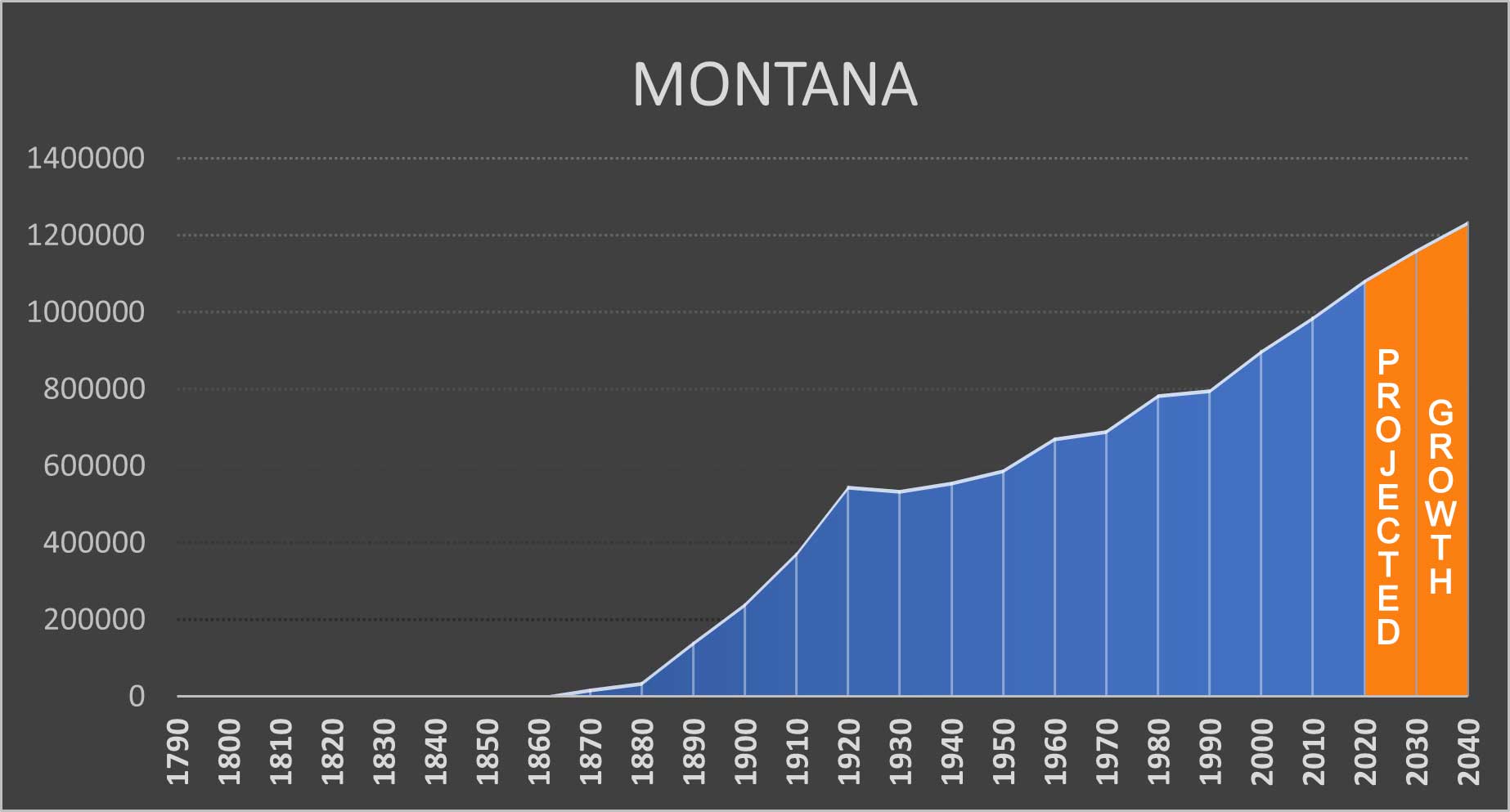
The question “What is the population of the state of Montana?” might seem like a simple demographic inquiry, but for the discerning traveler, it unveils the very essence of what makes Montana an unparalleled destination. Far from being a mere statistic, Montana’s relatively sparse population is its defining characteristic, shaping its culture, preserving its breathtaking landscapes, and offering a unique brand of travel experience. Often referred to as “Big Sky Country” or the “Treasure State,” Montana boasts vast expanses of unspoiled wilderness, majestic mountains, and a frontier spirit that remains palpably alive. It is precisely this low population density—currently just over 1.1 million residents spread across its expansive 147,040 square miles—that allows for the remarkable solitude, the boundless outdoor adventures, and the genuine local encounters that define a trip to this magnificent state.
For those seeking to escape the crowds, immerse themselves in nature, or explore a culture deeply rooted in resilience and community, understanding Montana’s demographic makeup is key to unlocking its full potential as a travel destination. From the vibrant, yet manageable, urban centers to the truly remote corners where wildlife outnumbers humans, the population distribution directly influences everything from the availability of luxury accommodations to the quietude of a hiking trail. This article will delve into Montana’s population figures, exploring how this demographic reality translates into unique travel opportunities, diverse accommodation choices, and an authentic lifestyle experience for every visitor.
Understanding Montana’s Demographic Tapestry and Its Travel Implications
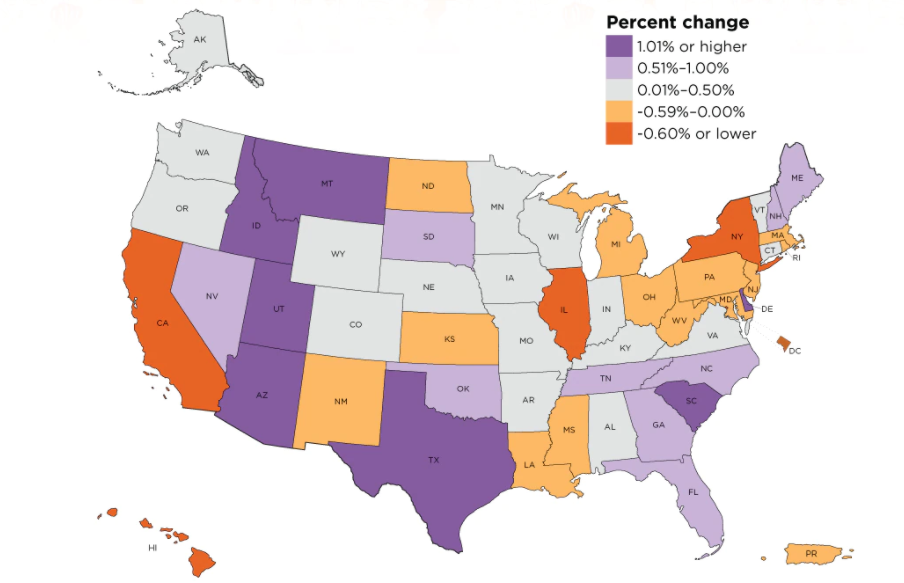
Montana’s demographic landscape is a fascinating study in contrasts: a state of immense size with a relatively small and widely dispersed population. With just over 1.1 million inhabitants, Montana ranks among the least densely populated states in the U.S., a fact that dramatically influences its character and appeal. This low density means wide-open spaces, unmarred vistas, and a pervasive sense of freedom that resonates deeply with travelers. The population has seen steady growth, particularly in recent decades, driven by its natural beauty, burgeoning outdoor recreation industries, and a growing appeal for those seeking a high quality of life away from urban congestion. This growth, while noticeable in specific areas, has largely maintained the state’s expansive feel.
The majority of Montana’s population is concentrated in its valleys and along major river systems, with significant urban centers providing hubs of activity, culture, and services. Even these “cities” maintain a friendly, accessible atmosphere, far removed from the hustle and bustle of larger metropolitan areas elsewhere in the country. This distribution has a direct impact on travel infrastructure; while you’ll find modern amenities and diverse accommodation options in the larger towns, venturing into more remote areas often means embracing a simpler, more authentic experience, where lodges, cabins, and boutique hotels are more prevalent than large chain resorts. This balance offers travelers a spectrum of experiences, from luxurious stays with all the comforts to rugged adventures that connect one directly with nature.
Major Population Hubs and Their Tourist Facets
While Montana is celebrated for its wilderness, its vibrant urban centers serve as essential gateways and destinations in their own right, each offering a distinct flavor of the “Treasure State’s” lifestyle and culture. These cities provide crucial services, dining, and cultural attractions, often nestled conveniently close to some of the state’s most spectacular natural wonders.
Billings stands as Montana’s largest city, often serving as the primary commercial and transportation hub for the eastern part of the state. With a population exceeding 110,000, Billings offers a robust selection of hotels, restaurants, and shopping, making it an excellent base for exploring sites like the Rimrocks, Pictograph Cave State Park, or even as a jumping-off point for Yellowstone National Park‘s northern entrance. Its identity as a “Magic City” stems from its rapid growth, and it provides a blend of historical charm and modern amenities for business and leisure travelers alike.
Missoula, often dubbed the “Garden City,” is renowned for its progressive atmosphere, thriving arts scene, and stunning natural surroundings. Home to the University of Montana, Missoula possesses a youthful energy, with a population around 75,000. Its downtown area is brimming with independent boutiques, craft breweries, and diverse eateries, while the Clark Fork River running through the city offers prime opportunities for fly-fishing, kayaking, and floating. Missoula is a perfect destination for those seeking cultural engagement alongside outdoor adventure, offering a variety of boutique hotels and unique guesthouses.
Bozeman has emerged as one of the fastest-growing cities in Montana, with its population nearing 55,000, attracting newcomers with its stunning mountain views, robust job market, and unparalleled access to outdoor recreation. Often considered the gateway to Yellowstone National Park (via Bozeman Yellowstone International Airport), Bozeman caters to a diverse range of lifestyles, from luxury travelers seeking upscale resorts and fine dining to adventure seekers looking for world-class skiing at Big Sky Resort or hiking in the Gallatin National Forest. Its vibrant main street, art galleries, and farm-to-table restaurants make it a sophisticated yet rugged destination.
Great Falls, with a population around 60,000, sits along the majestic Missouri River and is steeped in the history of the Lewis and Clark Expedition. The city offers a unique blend of history, arts, and military heritage, home to the renowned C.M. Russell Museum and several impressive waterfalls along the river. It’s a great stop for history buffs and those wanting to explore central Montana’s plains and vast landscapes.
Finally, Helena, the state capital, with approximately 33,000 residents, exudes historical charm and political significance. Located amidst the Rocky Mountains, Helena’s rich gold rush history is evident in its beautifully preserved architecture, especially along Last Chance Gulch. Visitors can tour the impressive Capitol Building, explore various museums, or enjoy the scenic trails directly accessible from the city, offering a quiet, contemplative travel experience steeped in Montana’s past.
Embracing Solitude: Travel Experiences in Undersaturated Montana
The true magic of Montana for many travelers lies in its undersaturated nature—the inverse relationship between its vast landmass and its modest population. This isn’t just a numerical fact; it’s a promise of untamed beauty, serene solitude, and unparalleled access to the natural world. In a world increasingly crowded and connected, Montana offers a genuine escape, a chance to disconnect from the digital and reconnect with the wild.
The low population density means that even the most iconic landmarks and natural attractions, while popular, rarely feel overwhelmingly crowded, especially if visited during shoulder seasons or by venturing slightly off the beaten path. This is particularly true for destinations like Glacier National Park in the north and the Montana sections of Yellowstone National Park to the south.
Glacier National Park, often called the “Crown of the Continent,” is a testament to this appeal. While its Going-to-the-Sun Road can see traffic in peak summer, the sheer scale of the park, with its more than 700 miles of trails, allows for endless opportunities to find peace and quiet. Hiking to pristine alpine lakes like Lake McDonald or exploring the less-traveled valleys of Many Glacier offers encounters with wildlife—grizzly bears, mountain goats, and bighorn sheep—in their natural habitat, often with few other humans in sight.
Similarly, the Montana entrances to Yellowstone National Park (via Gardiner or West Yellowstone) offer a different, but equally compelling, experience. While the famous geysers and hot springs draw crowds, the vastness of the park allows for deeper exploration, revealing thermal features, roaring waterfalls, and expansive wildlife viewing opportunities without feeling overwhelmed.
Beyond the national parks, Montana’s natural landmarks include gems like Flathead Lake, the largest freshwater lake west of the Mississippi River in the contiguous United States. Its massive size ensures ample space for boating, fishing, and lakeside relaxation without feeling crowded, even during the height of summer. The region around Flathead Lake is also famous for its huckleberries and cherry orchards, adding a delightful culinary dimension to the natural beauty.
For adventure sports enthusiasts, Montana’s sparse population means less crowded slopes at world-class ski resorts like Big Sky Resort, known for its “Biggest Skiing in America” slogan, and Whitefish Mountain Resort. These resorts offer vast terrain and breathtaking views without the long lift lines often found elsewhere. In summer, these same mountains transform into playgrounds for mountain biking, hiking, and scenic gondola rides.

Moreover, the state’s low population contributes to incredibly clear, dark night skies, making Montana an astronomer’s paradise. Stargazing becomes a profound experience, far from light pollution, where the Milky Way stretches across the firmament in spectacular fashion. From quiet fishing trips on the Yellowstone River, Gallatin River, or Madison River to multi-day backpacking trips deep into the wilderness of the Rocky Mountains or along the Continental Divide trail, Montana delivers genuine wilderness experiences that are increasingly rare.
Tailoring Your Stay: Accommodation in Big Sky Country
The accommodation landscape in “Big Sky Country” is as diverse as its scenery, directly reflecting the state’s varied population distribution and traveler desires. From opulent resorts offering a taste of luxury ranch life to charming boutique hotels in historic downtowns, Montana caters to every preference and budget, ensuring your stay perfectly complements your adventure.
For those seeking the pinnacle of luxury travel, Montana boasts some of the world’s most acclaimed upscale resorts and ranches. Destinations like The Resort at Paws Up near Greenough, The Ranch at Rock Creek in Philipsburg, and Triple Creek Ranch in Darby redefine the term “glamping” and all-inclusive luxury. These properties offer meticulously crafted experiences, combining gourmet dining, expert-led outdoor activities (from horseback riding to fly-fishing), and sumptuously appointed accommodations, from private homes to luxurious tented suites. They provide an immersive Montana experience without sacrificing comfort or exclusivity, perfect for family trips, romantic getaways, or even business stays where unique incentives are desired.
In the state’s more populated centers like Bozeman and Missoula, you’ll find a growing array of modern hotels, stylish boutique accommodations, and charming bed-and-breakfasts. These options cater to travelers who appreciate urban amenities, cultural attractions, and easy access to diverse dining and shopping experiences, all while being a short drive from significant natural landmarks. For example, Bozeman’s vibrant downtown is home to several upscale hotels that combine rustic elegance with contemporary design, reflecting the city’s unique blend of outdoor culture and sophistication.
Near popular national parks and ski resorts, lodging options range from cozy, family-friendly cabins and rustic lodges to larger resort hotels that offer convenient access to outdoor activities. In towns surrounding Glacier National Park or Yellowstone National Park, booking well in advance is crucial, especially during peak summer months. These accommodations often provide a more immersive natural experience, sometimes featuring on-site guides for activities, or simply offering a serene retreat after a day of exploration. For a unique relaxation experience, consider a stay at a hot springs resort like Chico Hot Springs Resort & Day Spa, offering rustic charm and rejuvenating mineral waters.
For budget-conscious travelers, Montana also offers plenty of affordable options, including motels, vacation rentals, and campsites throughout its extensive state and national park systems. These choices allow visitors to stretch their travel budgets further, enabling longer stays and more extensive exploration of the “Treasure State’s” wonders. Long-term stays, especially popular among those exploring remote work or seeking an extended sabbatical, can be arranged through various apartment rentals and cabins, providing a true taste of local living. The key to successful accommodation in Montana, regardless of your budget or style, is often planning ahead, especially during the high season, to secure the best spots.
The Montana Lifestyle: Culture, Community, and Culinary Delights
The population of Montana, while small, is deeply influential in shaping its distinctive lifestyle, vibrant local culture, and burgeoning culinary scene. The tight-knit communities, the reverence for the land, and the spirit of independence are all reflections of a population that chooses to thrive in an environment defined by its vastness. This makes for an incredibly authentic and welcoming experience for travelers eager to delve beyond the scenic beauty.
The “Big Sky Country” lifestyle is intrinsically linked to the outdoors. Whether it’s fly-fishing on pristine rivers, hiking rugged mountain trails, skiing powdery slopes, or simply enjoying a sunset over the plains, life here is lived in harmony with nature. This connection fosters a strong sense of community and self-reliance. Locals are often eager to share their knowledge of the best fishing spots, hiking trails, or hidden viewpoints, offering a genuine warmth that’s characteristic of small-town America. Engaging with these communities through local events, farmers’ markets, or simply striking up a conversation at a local brewery provides invaluable insights into the soul of Montana.
Montana’s culinary delights are a reflection of its ranching heritage, agricultural bounty, and growing foodie culture. Visitors can savor locally raised bison and beef, renowned for their flavor and quality. Huckleberries, a wild berry native to the region, feature prominently in everything from pancakes and pies to jams and ice cream. The craft beer scene has exploded across the state, with numerous microbreweries in cities like Missoula and Bozeman offering unique brews that capture the spirit of Montana. Farm-to-table dining is also gaining traction, with chefs utilizing fresh, seasonal ingredients from local farms and ranches to create innovative dishes.
Cultural activities and tips for travelers are abundant. Montana’s rich history is celebrated in its numerous museums, including those dedicated to Native American heritage and the iconic cowboy culture. Rodeos are a staple in many towns during the summer, offering an exciting glimpse into the state’s cowboy traditions. Powwows celebrate the vibrant cultures of Montana’s tribal nations, providing powerful and educational experiences for visitors. When engaging with locals, a respectful and curious attitude goes a long way. Remember that many residents cherish their peaceful way of life and the unspoiled environment, so adhering to leave-no-trace principles and respecting private property are paramount.
Planning Your Journey to the Treasure State
Planning a trip to the “Treasure State” requires a thoughtful approach to truly maximize its unique offerings, heavily influenced by its expansive geography and scattered population. Given the sheer size of Montana and the distances between its attractions, thoughtful logistics are key to a fulfilling journey.
Best Time to Visit: Each season in Montana offers a distinct experience. Summer (June to August) is popular for visiting national parks like Glacier National Park and Yellowstone National Park, as well as for hiking, fishing, and water sports. However, this is also peak season, so expect more people and higher prices. Spring and Fall, the shoulder seasons, offer fewer crowds, stunning scenery (wildflowers in spring, fall foliage in autumn), and often milder weather, ideal for photography and wildlife viewing. Winter transforms Montana into a wonderland for skiing, snowboarding, and snowmobiling, with resorts like Big Sky Resort offering world-class slopes.
Transportation: Due to the vast distances, a rental car is almost essential for exploring Montana independently. Major airports like Bozeman Yellowstone International Airport, Billings Logan International Airport, and Glacier Park International Airport serve as convenient entry points. Consider the weather, especially if traveling in winter or through mountainous regions, as roads can be challenging.
Accommodation and Booking: As highlighted earlier, the diversity of accommodations is wide. Booking your lodging, particularly if traveling during peak season or to popular areas near national parks, well in advance is highly recommended. For unique experiences like luxury ranches, reservations can be required months, or even a year, ahead. Utilize online booking platforms and reviews to compare options and find the perfect fit for your travel style, whether it’s a family trip, a solo adventure, or a romantic escape.
Respecting Nature and Wildlife: With its expansive wilderness, [Montana](https://lifeoutofthebox.com/montana] is home to abundant wildlife. Always observe animals from a safe distance, never feed them, and store food properly to prevent attracting bears. Familiarize yourself with bear safety protocols, especially when hiking. Adhere to “Leave No Trace” principles to preserve the pristine beauty of the landscapes for future generations. Respect local customs and regulations, particularly concerning fishing licenses or access to private lands.
Embracing the Unexpected: The true joy of Montana travel often lies in its unplanned moments—a sudden wildlife sighting, a friendly chat with a local, or discovering a hidden gem off the main road. Be flexible, keep an open mind, and allow yourself to be captivated by the rhythm of life in “Big Sky Country.”
In conclusion, while the population of Montana is indeed just over 1.1 million, this figure is far more than a statistic. It is the very foundation upon which Montana’s unique allure is built. It promises vast, uncrowded landscapes, authentic cultural encounters, and an array of travel experiences that cater to those who yearn for adventure, luxury, or simply a profound connection with the natural world. Whether you seek the vibrant energy of its growing cities or the quiet solitude of its wilderness, Montana’s population profile ensures that your journey will be one of discovery, space, and unforgettable memories.
LifeOutOfTheBox is a participant in the Amazon Services LLC Associates Program, an affiliate advertising program designed to provide a means for sites to earn advertising fees by advertising and linking to Amazon.com. Amazon, the Amazon logo, AmazonSupply, and the AmazonSupply logo are trademarks of Amazon.com, Inc. or its affiliates. As an Amazon Associate we earn affiliate commissions from qualifying purchases.