
The Lone Star State, a land of immense proportions and even grander legends, holds a unique distinction among the United States of America: it boasts the highest number of counties of any state. For travelers, history buffs, and those simply curious about the administrative tapestry of a truly vast region, the answer to “How many counties does Texas have?” is a resounding 254. This remarkable number doesn’t just represent lines on a map; it tells a story of diverse landscapes, rich histories, and an endless array of destinations awaiting exploration.
Each of these 254 counties serves as a distinct chapter in the sprawling narrative of Texas. From the piney woods of East Texas to the desert expanses of West Texas, the bustling metropolises, and the tranquil Hill Country vineyards, understanding the county structure is key to unlocking the full spectrum of experiences that this incredible state has to offer. Whether you’re planning a luxury retreat, a budget-friendly family road trip, or a deep dive into local culture, the counties of Texas provide the framework for every adventure.
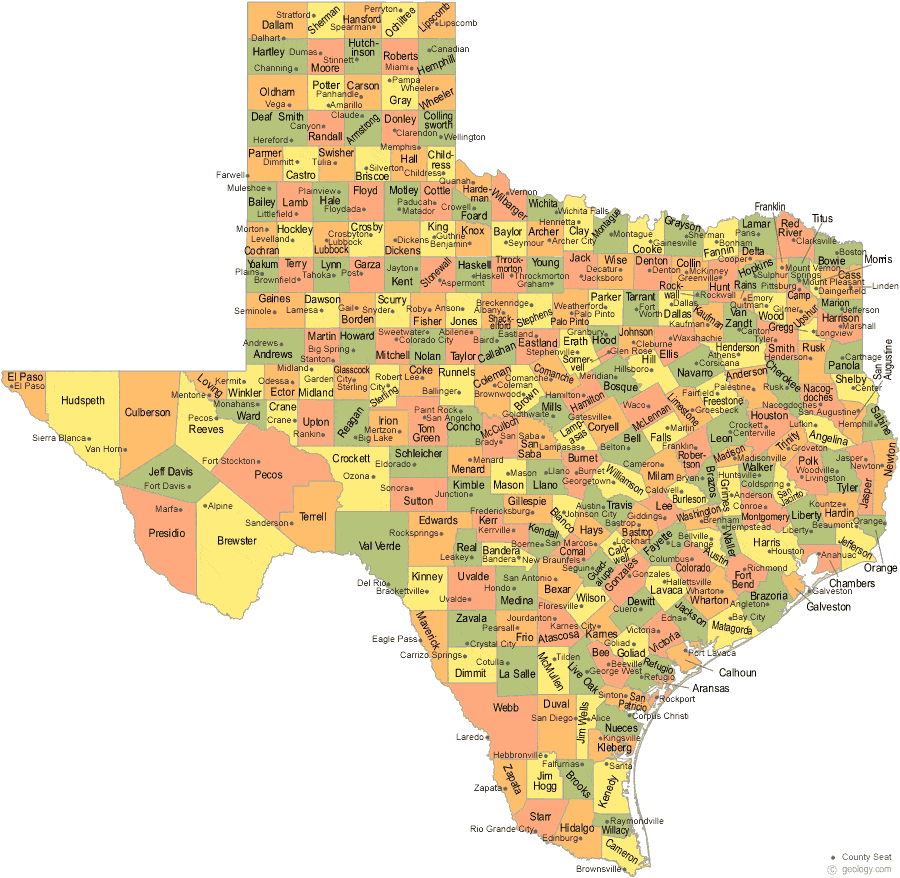
The Genesis of 254: A Historical and Geographic Tapestry
To truly appreciate the sheer number of counties in Texas, one must delve into its fascinating history. The formation of these administrative divisions began long before Texas joined the United States. Initially, under Spanish and then Mexican rule, large municipalities served as regional administrative centers. When Texas declared its independence from Mexico in 1836, establishing the Republic of Texas, it inherited and expanded upon this system. The early republic’s constitution outlined the creation of new counties, largely based on existing municipalities and the needs of a rapidly growing frontier.
The primary impetus for creating so many counties was the practical need for accessible governance in a sparsely populated, enormous territory. Before modern transportation, residents needed to be able to travel to their county seat and return home within a day to conduct legal, political, and commercial affairs. This “day’s ride” principle led to the proliferation of smaller counties, particularly as the population expanded westward. As new settlements emerged, there was a continuous demand for local representation and services, leading to the subdivision of existing large counties.
By the time Texas was admitted to the United States in 1845, it already had a significant number of counties. The trend continued through the latter half of the 19th century, with the last county, Loving County, officially organized in 1893. The historical legacy means that today, each county carries its own unique heritage, often named after historical figures, natural features, or important events, grounding visitors in a sense of place and time. Understanding this historical context enriches any travel experience, allowing visitors to connect with the pioneers, settlers, and leaders who shaped these distinct regions.
Beyond history, geography also played a pivotal role. Texas spans an incredible diversity of ecosystems, from the subtropical Gulf Coast to the arid desert mountains, the flat plains of the Panhandle to the rolling hills and rivers of Central Texas. Each geographic region often corresponds to a cluster of counties sharing similar natural characteristics, local economies, and cultural nuances. This vastness, encompassing 268,596 square miles, ensures that while some counties are geographically tiny, others, like Brewster County in West Texas, are larger than entire states, each offering distinct attractions and experiences.
Navigating Texas: Key Counties and Their Unforgettable Attractions
The sheer number of counties in Texas might seem daunting, but for the discerning traveler, it represents an unparalleled opportunity for exploration. Each county is a microcosm, offering a unique blend of local culture, culinary delights, historical sites, and natural wonders. Let’s explore some of the most prominent and captivating counties, highlighting their key attractions and why they are must-visit destinations.
The Urban Giants: Powerhouses of Culture and Commerce
Harris County: Home to Houston, the largest city in Texas and the fourth largest in the United States, Harris County is a global hub for energy, space exploration, and medical innovation. Visitors can immerse themselves in world-class museums in the Museum District, marvel at human ingenuity at Space Center Houston (part of NASA’s Johnson Space Center), and explore diverse culinary scenes. Accommodation options range from luxury hotels like the Four Seasons Hotel Houston to boutique stays and extended-stay apartments. The Houston Astrodome, while no longer a primary attraction, stands as a historic landmark.
Dallas County: Anchoring the vibrant Dallas-Fort Worth Metroplex, Dallas County is a mecca for arts, fashion, and business. Dallas offers iconic landmarks such as Dealey Plaza and the Sixth Floor Museum, the Dallas Arts District with its stunning architecture, and high-end shopping. Travelers seeking luxury can opt for resorts like The Ritz-Carlton, Dallas, while budget-conscious visitors will find plenty of comfortable hotels and suites. The George W. Bush Presidential Center is also a significant attraction.
Tarrant County: Adjacent to Dallas County, Tarrant County is famously home to Fort Worth, embodying the true “Western” spirit of Texas. The Stockyards National Historic District offers daily cattle drives, rodeos, and authentic Western entertainment. The Cultural District boasts acclaimed museums, including the Kimbell Art Museum. From charming boutique hotels in the Stockyards to modern downtown accommodations, Tarrant County caters to all tastes.
Bexar County: The heart of San Antonio, Bexar County is steeped in history and vibrant culture. Visitors flock to The Alamo, the historic Riverwalk with its charming cafes and shops, and the city’s impressive Spanish colonial missions, which are a UNESCO World Heritage Site. San Antonio offers a range of accommodations, from historic hotels on the Riverwalk like the Omni La Mansión del Rio to family-friendly resorts.
Travis County: Home to the state capital, Austin, Travis County is a hub for live music, technology, and outdoor recreation. Explore the historic State Capitol, enjoy the vibrant nightlife on Sixth Street, or swim in Barton Springs Pool. Austin offers trendy boutique hotels, luxury resorts overlooking Lake Travis, and a plethora of vacation rentals, catering to diverse lifestyles from luxury travelers to budget adventurers.

Beyond the Metropolises: Diverse Regional Experiences
While the major urban counties draw millions, the beauty of Texas’ 254 counties lies in the profound diversity found throughout the rest of the state.
Gillespie County: Located in the scenic Texas Hill Country, Gillespie County is famous for Fredericksburg, a charming town with a strong German heritage, award-winning wineries, and abundant peach orchards. It’s a prime destination for romantic getaways and culinary tourism, offering luxurious bed and breakfasts, quaint guesthouses, and scenic ranch stays. Nearby, the legendary dance hall of Luckenbach in Gillespie County offers a taste of authentic country music.
Brewster County: The largest county by area in Texas, Brewster County in West Texas is home to the majestic Big Bend National Park. This remote wilderness offers unparalleled opportunities for hiking, stargazing, river rafting on the Rio Grande, and experiencing the raw beauty of the Chihuahuan Desert. Accommodation options range from rustic cabins within the park to hotels in the nearby towns of Terlingua and Alpine, catering to adventurous and nature-loving travelers.
Galveston County: Situated on the Gulf Coast, Galveston County is anchored by Galveston Island, a historic port city known for its Victorian architecture, sandy beaches, and family-friendly attractions like Moody Gardens and Pleasure Pier. It’s a popular destination for beach holidays and history enthusiasts, offering a wide array of beachfront hotels, vacation rentals, and charming bed and breakfasts.
Potter County and Randall County: These two counties in the Texas Panhandle share the city of Amarillo. Potter County is known for the iconic Cadillac Ranch and its unique Route 66 attractions. Randall County boasts the breathtaking Palo Duro Canyon State Park, often called the “Grand Canyon of Texas,” offering hiking, camping, and equestrian trails. Visitors can find a range of hotels in Amarillo to serve as a base for exploring both natural wonders and quirky roadside attractions.
Cherokee County: Deep in the piney woods of East Texas, Cherokee County offers a glimpse into the region’s rich timber and agricultural history. It’s an ideal destination for those seeking tranquility, fishing in tranquil lakes, and exploring historic small towns. This area provides opportunities for cabin rentals, camping, and cozy local accommodations, perfect for a relaxing escape or family trip.
Jeff Davis County: Another gem in West Texas, this county is home to the stunning Davis Mountains and the McDonald Observatory, making it a prime spot for stargazing and astronomical tourism. The serene beauty and cool mountain air offer a stark contrast to the rest of Texas. Rustic lodges and charming motels provide comfortable stays amidst breathtaking natural scenery.
Planning Your Texas Adventure: Leveraging the County Structure
Understanding the 254-county framework of Texas is not just an academic exercise; it’s a practical tool for planning an unforgettable journey. Each county, with its distinct local government and community, often has its own set of attractions, festivals, and unique flavors.
Tailoring Your Trip by County
When planning a Texas getaway, considering the counties you wish to visit can help refine your itinerary and ensure a richer experience:
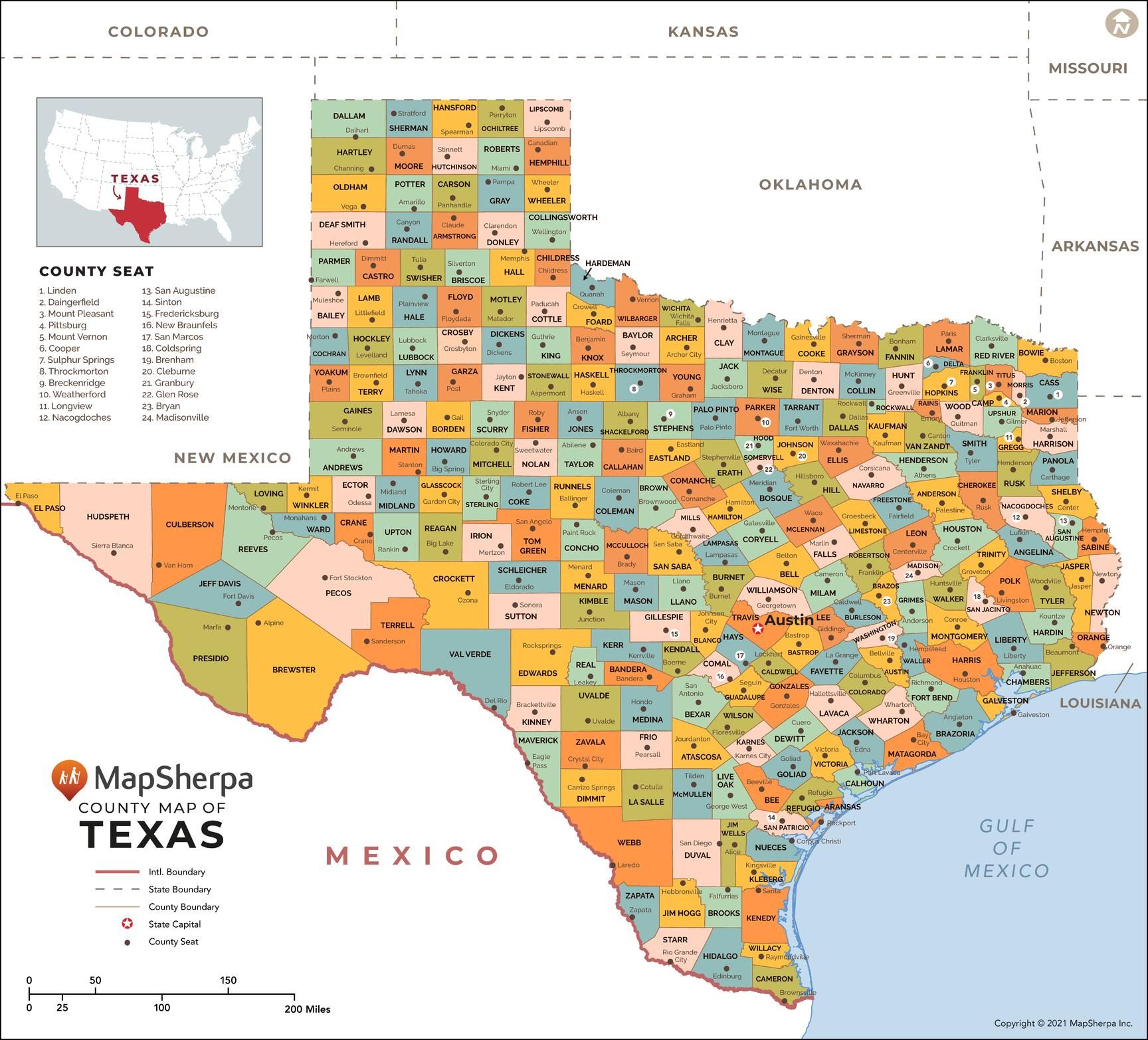
- Regional Road Trips: Instead of simply saying “I want to visit Texas,” consider a “Hill Country wine tour” focusing on Gillespie County and surrounding areas like Blanco County (home to Real Ale Brewing Company in Blanco) or Kendall County (Boerne). Or perhaps a “Big Bend adventure” concentrating on Brewster County, Presidio County (Marfa lights), and Jeff Davis County.
- Special Interest Travel: Are you a history buff? Focus on Bexar County and its missions, or Washington County (where the Texas Declaration of Independence was signed at Washington-on-the-Brazos). Love the outdoors? Head to Travis County for Lake Travis activities, or Comal County for tubing on the Guadalupe River and the Comal River in New Braunfels.
- Accommodation Variety: County lines can sometimes signify shifts in accommodation types and pricing. Rural counties often feature charming bed and breakfasts, rustic cabins, and glamping sites, perfect for long-term stays or unique experiences. Urban counties offer the full spectrum from luxury suites in five-star hotels to budget-friendly apartments. Researching the specific county can reveal hidden gems or local deals. For instance, a stay near Caddo Lake State Park in Harrison County will differ vastly from a downtown Austin hotel.
Tapping into Local Tourism and Lifestyle
Each county fosters its own distinct local culture, food scene, and array of activities. This decentralization of identity is a major draw for tourism:
- Local Culture and Festivals: Many smaller counties host unique annual events, from rodeo championships and county fairs to music festivals and food cook-offs. These events offer an authentic glimpse into local Texas life that larger, more commercialized events might miss. For example, Wurstfest in New Braunfels, Comal County, celebrates German heritage with food and music.
- Culinary Journeys: Texas barbecue is legendary, but its flavors vary significantly by region and, by extension, county. East Texas barbecue differs from Central Texas barbecue. Similarly, the seafood in Nueces County (Corpus Christi) is distinct from the Tex-Mex in El Paso County. Exploring these localized culinary scenes by venturing into different counties is a feast for the senses.
- Outdoor Activities and Nature: The diverse geography ensures a vast range of outdoor activities. Burnet County in the Highland Lakes region is ideal for boating and fishing. Guadalupe Mountains National Park in Culberson County offers challenging hiking trails and stunning vistas. Padre Island National Seashore, spanning Kleberg County and Kenedy County, is a haven for birdwatching and beachcombing.
- Lifestyle Choices: Whether you’re seeking the luxury travel experience of Uptown Dallas, the budget-friendly charm of a small Hill Country town, a family-focused trip to theme parks in Bexar County, or a business stay in Houston’s Galleria area, the choice of county significantly influences the lifestyle of your trip.
In conclusion, the answer to “How many counties does Texas have?” is 254, a number that signifies not just an administrative structure, but a sprawling canvas of diverse experiences. Each county is a gateway to unique destinations, from world-class cities to tranquil natural parks, historic landmarks to vibrant local cultures. For any traveler, understanding this foundational aspect of the Lone Star State is the first step towards unlocking a truly unforgettable Texas adventure, offering endless possibilities for exploration, discovery, and creating cherished memories, one county at a time.
LifeOutOfTheBox is a participant in the Amazon Services LLC Associates Program, an affiliate advertising program designed to provide a means for sites to earn advertising fees by advertising and linking to Amazon.com. Amazon, the Amazon logo, AmazonSupply, and the AmazonSupply logo are trademarks of Amazon.com, Inc. or its affiliates. As an Amazon Associate we earn affiliate commissions from qualifying purchases.