
The vastness of Texas is not just geographical; it also extends to its temporal landscape. Understanding the current time in the Lone Star State is crucial for travelers, business professionals, and anyone planning a connection with this dynamic region. Texas observes two primary time zones: the Central Time Zone (CT) and the Mountain Time Zone (MT). This division, coupled with the intricacies of Daylight Saving Time, creates a need for clarity and precision when planning any activity across the state. Navigating these time differences is a fundamental aspect of experiencing Texas, ensuring that appointments are kept, flights are caught, and the rhythm of daily life aligns across its diverse cities and landscapes.
Understanding Texas’s Time Zones: A Tale of Two Clocks
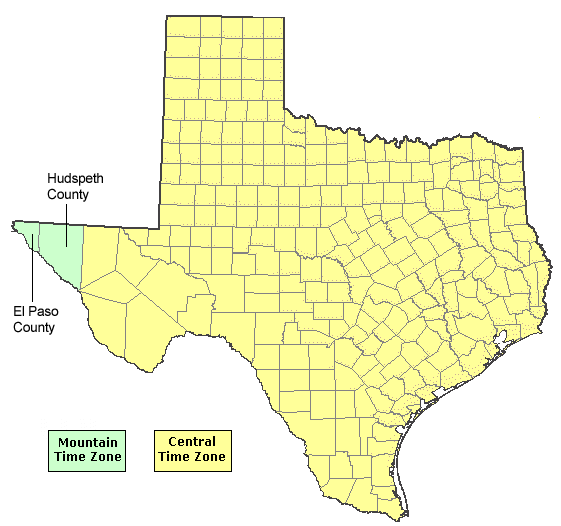
The decision to divide Texas into two time zones is a legacy of historical development and logistical considerations. While the vast majority of the state operates on Central Standard Time (CST) or Central Daylight Time (CDT), a sliver of West Texas adheres to Mountain Standard Time (MST) or Mountain Daylight Time (MDT). This distinction, though seemingly minor, can significantly impact travel plans, business communications, and even social engagements for those who are unfamiliar with the state’s temporal divisions.
The Dominance of Central Time
The Central Time Zone encompasses the most populous and economically significant regions of Texas. This includes major metropolitan areas such as Houston, Dallas, San Antonio, Austin, and Fort Worth. During standard time, this zone operates on Central Standard Time (CST), which is UTC-6. When Daylight Saving Time is observed, it transitions to Central Daylight Time (CDT), which is UTC-5. This observance of Daylight Saving Time means that Texas experiences a shift in time twice a year, typically in March and November, aligning with the majority of the United States. For most visitors and residents, understanding the current time in these bustling urban centers is synonymous with understanding the time in Texas as a whole.
The Western Frontier: Mountain Time Influence
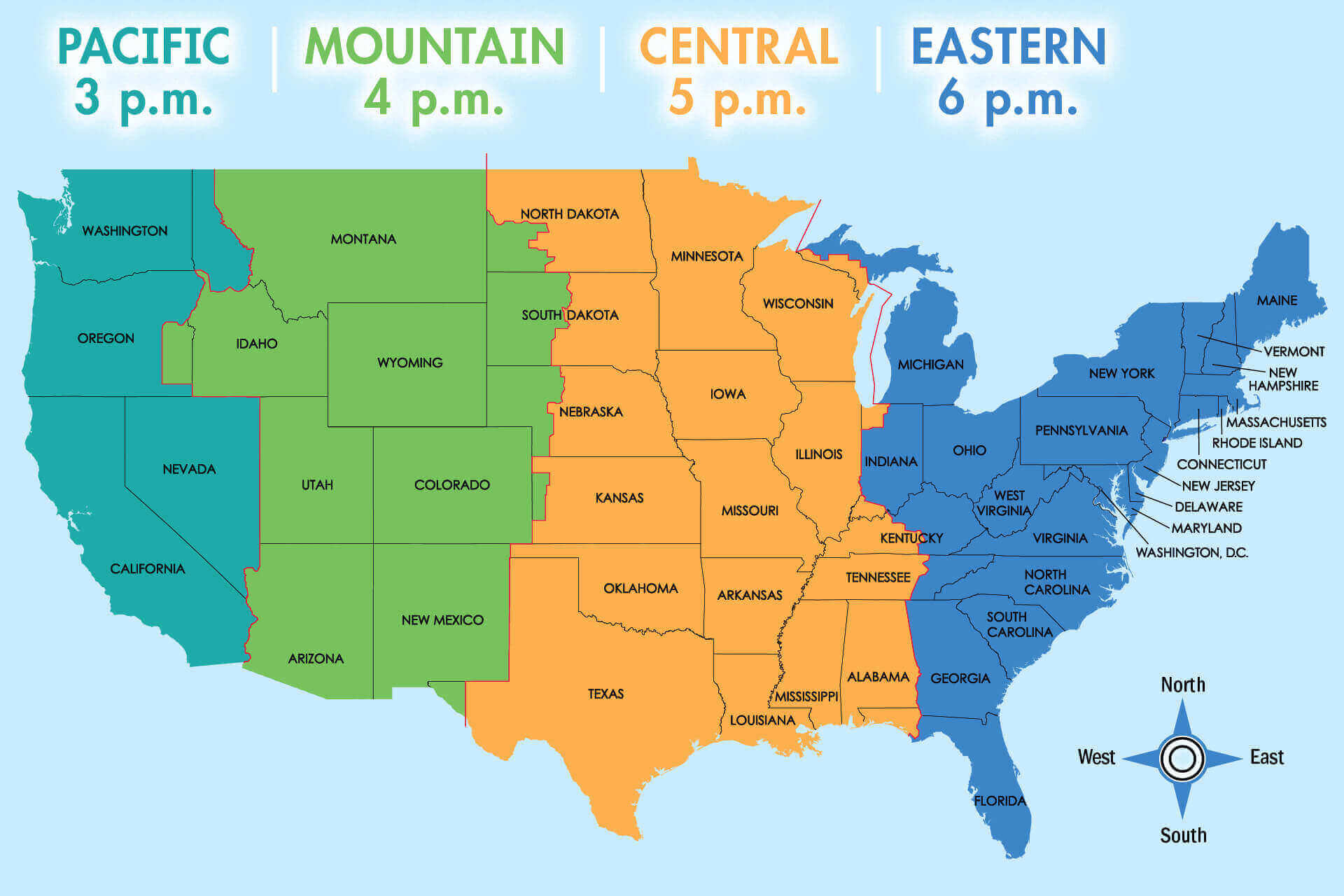
A smaller, more sparsely populated segment of West Texas falls within the Mountain Time Zone. This primarily includes counties along the western border with New Mexico. These areas observe Mountain Standard Time (MST), which is UTC-7, and transition to Mountain Daylight Time (MDT), UTC-6, during Daylight Saving Time. Cities like El Paso, while geographically part of Texas, are temporally aligned with states like Colorado and Arizona (which notably does not observe DST). This temporal anomaly means that when it is, for example, 3:00 PM in Dallas, it is 2:00 PM in El Paso. This difference, while seemingly small, can be a point of confusion for travelers or those coordinating events across the state.
Navigating Daylight Saving Time in Texas
The implementation of Daylight Saving Time (DST) in Texas adds another layer of complexity to understanding the current time. DST aims to maximize daylight hours in the evenings during warmer months.
The Annual Shift
In Texas, DST typically begins on the second Sunday in March and ends on the first Sunday in November. On these dates, clocks are adjusted forward by one hour in the spring and backward by one hour in the fall. This means that during the months between March and November, the Central Time Zone is on CDT (UTC-5) and the Mountain Time Zone is on MDT (UTC-6). Outside of these months, they revert to CST (UTC-6) and MST (UTC-7) respectively. This predictable, yet annually occurring, shift is a common point of reference for many Americans but still requires attention when precise timing is critical.
Exceptions and Considerations

While Texas as a whole observes Daylight Saving Time, it’s worth noting that there are ongoing discussions at both state and federal levels about potentially abolishing the practice. Should such changes be implemented, the temporal landscape of Texas could shift. For the time being, however, travelers should always assume that DST is in effect during the designated periods. This consistent application across most of Texas simplifies planning for many, but the western counties operating on a different schedule, particularly during DST, warrant specific attention.
Practical Implications for Travelers and Businesses
The temporal divisions within Texas have tangible consequences for a variety of activities and operations. Being aware of these nuances can prevent misunderstandings and ensure smooth transitions.
Coordinating Travel and Events
For travelers flying into or out of Texas, it is crucial to confirm the local time at the arrival or departure airport. A flight scheduled to land in Houston will operate on Central Time, while a flight originating from El Paso will be under Mountain Time. This distinction is vital for rental car pick-ups, hotel check-ins, and onward connections. Similarly, businesses operating across the state must be mindful of these time differences when scheduling meetings, coordinating supply chains, or communicating with different regional offices. A conference call between a Dallas-based company and its El Paso branch needs to account for the one-hour difference to ensure all participants are synchronized.
Leveraging Technology for Accuracy
In today’s interconnected world, technology offers a simple solution to the potential complexities of time zones. Most smartphones, computers, and smart devices automatically adjust to local time or allow users to easily set and display multiple time zones. When planning a trip to Texas or engaging in business with the state, it is advisable to program your devices to reflect the specific time zone of your destination or your point of contact. Many online resources and time zone converters are readily available, providing real-time updates on the current time in any Texas city. This technological assistance makes navigating the state’s temporal landscape more manageable than ever before, ensuring that whether you’re enjoying the vibrant nightlife of Austin or the natural beauty of the Big Bend National Park, you’re always on time.
Beyond the Clock: Embracing the Texas Pace
While the precise time is a practical necessity, it’s also worth remembering that Texas is a state known for its unique culture and a certain pace of life. From the bustling energy of its major cities to the wide-open spaces of its rural regions, Texas offers a diverse range of experiences, each with its own rhythm.
A State of Contrasts
The temporal divide in Texas is a subtle reminder of its vastness and the diverse influences that shape its identity. The early mornings in the oil fields of West Texas, operating under Mountain Time, might feel distinctly different from the bustling midday markets in the heart of San Antonio, governed by Central Time. This is a state where you can experience the deep historical roots of places like the Alamo and the cutting-edge innovation of cities like Austin, all within a single day’s travel, provided you account for the time differences.
Planning Your Texas Adventure
Whether you are visiting the iconic Stetson Hat Company in Dallas, exploring the cultural tapestry of Houston, or taking a road trip through the scenic landscapes of the Texas Hill Country, understanding the local time is a foundational step. It allows for seamless planning of activities, from booking a reservation at a renowned Texas barbecue joint to scheduling a tour of a historic mission. Ultimately, knowing “What Time Is It On Texas Now?” is not just about adhering to a schedule; it’s about respecting the state’s diverse temporal realities and fully immersing yourself in the rich experiences that Texas has to offer, from the eastern piney woods to the western desert.
LifeOutOfTheBox is a participant in the Amazon Services LLC Associates Program, an affiliate advertising program designed to provide a means for sites to earn advertising fees by advertising and linking to Amazon.com. Amazon, the Amazon logo, AmazonSupply, and the AmazonSupply logo are trademarks of Amazon.com, Inc. or its affiliates. As an Amazon Associate we earn affiliate commissions from qualifying purchases.