
For motorcycle enthusiasts and road warriors, the open road offers an unparalleled sense of freedom and adventure. Yet, traversing the intricate tapestry of a state’s traffic laws can be as challenging as navigating its most winding mountain passes. One particular practice that often sparks debate and confusion among motorcyclists and drivers alike is lane splitting. For those planning a journey through the stunning landscapes of Nevada, or even just commuting within its bustling cities, understanding the legal stance on lane splitting is paramount.
Nevada, a state celebrated for its vibrant travel destinations, world-class hotels, and unique tourism experiences, draws countless visitors each year. From the dazzling lights of Las Vegas to the serene beauty of Lake Tahoe, its diverse offerings cater to every type of traveler. For motorcyclists, the allure is particularly strong, with scenic byways and vast expanses beckoning exploration. But before you rev your engine and hit the highway, let’s address the crucial question: Is lane splitting legal in Nevada?
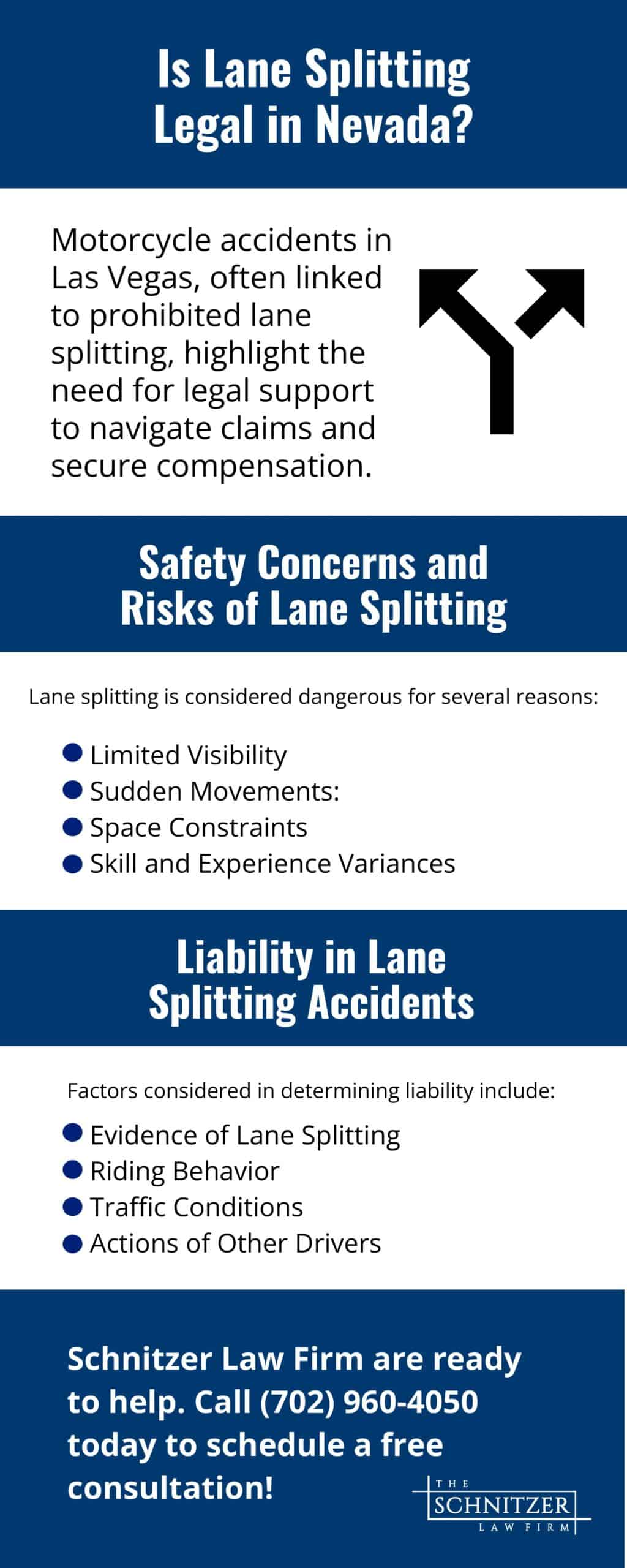
The short answer is no, lane splitting is generally illegal in Nevada, with very specific and limited exceptions. While some states have embraced this practice, Nevada maintains a more conservative approach, prioritizing what it deems as overall road safety. This regulation carries significant implications not only for the daily commute but also for the lifestyle of motorcycle touring and the planning of adventurous trips across the Silver State.
Understanding Lane Splitting: Definition and Legal Landscape
To fully grasp the complexities surrounding lane splitting in Nevada, it’s essential to first define the practice and understand its legal nuances.
What Exactly is Lane Splitting?
Lane splitting, also known as filtering or white-lining, refers to the practice of a motorcyclist riding between lanes of slow-moving or stopped traffic. Typically, this occurs on multi-lane highways or urban roads where congestion is common. There are usually two forms:
- Lane filtering: This is when a motorcyclist moves between stationary cars or cars moving at a very slow speed, usually up to 10-15 mph, often to get to the front of a traffic light.
- Lane sharing/splitting: This involves riding between lanes of moving traffic at higher speeds, often in an effort to bypass congestion and reduce travel time.
Proponents of lane splitting argue that it can reduce traffic congestion, lower the risk of motorcyclists being rear-ended in stop-and-go traffic, and allow motorcycles to move more efficiently. Critics, however, often cite safety concerns, arguing that it puts motorcyclists at a higher risk of accidents due to reduced visibility and unpredictable vehicle movements.
The Legal Status of Lane Splitting in Nevada
Unlike its western neighbor, California, which legalized and provided guidelines for lane splitting, Nevada has not followed suit. The Nevada Revised Statutes (NRS) generally prohibit motorcycles from operating in a manner that constitutes lane splitting. Specifically, NRS 486.351 (Riding on roadways) states that a person operating a motorcycle must not ride more than two abreast in a single lane, and explicitly prohibits riding between lanes of traffic or rows of vehicles.
There was a notable attempt in 2017 to legalize lane filtering in Nevada under specific conditions (e.g., when traffic is stopped or moving slowly, at speeds not exceeding 10-15 mph). This bill, Assembly Bill 236, passed both the Assembly and the Senate, reflecting a recognition of some of the arguments in favor of limited lane filtering. However, it was ultimately vetoed by the governor, primarily due to public safety concerns and a perceived lack of clear enforcement guidelines.
This veto means that, as of the latest legislative actions, the general prohibition on lane splitting remains firmly in place. Motorcyclists found engaging in lane splitting, whether it’s filtering through stopped traffic or weaving between moving vehicles, risk receiving a traffic citation. These citations can come with fines, points on a driving record, and potentially increased insurance premiums, making adherence to these laws crucial for any rider in Nevada.
Why the Controversy? Arguments For and Against
The debate over lane splitting is often heated, with passionate arguments on both sides. Understanding these perspectives helps shed light on why Nevada has maintained its current stance.
Arguments for Legalization often highlight:
- Safety: Proponents, including the American Motorcyclist Association (AMA), argue that lane splitting can be safer than being trapped between two vehicles in congested traffic. A motorcyclist is less likely to be rear-ended by an inattentive driver in stop-and-go conditions if they are moving slowly through lanes. This is often referred to as “thermal management” for air-cooled engines and rider comfort in extreme heat, conditions often found in southern Nevada summers.
- Traffic Congestion: Motorcycles occupy significantly less road space. Allowing them to filter through traffic can reduce overall congestion, decrease travel times, and free up road capacity for other vehicles.
- Environmental Impact: Reduced idling time for motorcycles can lead to lower emissions.
- Efficiency: For riders, it offers a more efficient way to commute, avoiding unnecessary delays.
Arguments against Legalization often focus on:
- Accident Risk: Opponents, often representing automobile drivers, express concern that lane splitting increases the risk of collisions. They argue that drivers may not expect a motorcycle to appear between lanes, leading to sudden lane changes or door openings that could cause accidents.
- Driver Frustration/Aggression: Some drivers report feeling surprised or annoyed by lane-splitting motorcycles, which can contribute to road rage or unsafe reactions.
- Visibility: Motorcycles are inherently less visible than cars. When lane splitting, this visibility is further reduced, especially in blind spots.
- Legal Clarity and Enforcement: As seen with the vetoed Nevada bill, concerns often arise regarding how to establish clear, enforceable rules that ensure safety for all road users.
While the arguments for lane splitting have merit and have led to its legalization in several states, Nevada’s legislature and executive branch have consistently prioritized concerns over immediate safety and clarity of traffic laws. This makes it imperative for anyone riding a motorcycle in Nevada to be fully aware of and compliant with the current prohibition.
Safety and Practicalities for Motorcyclists in Nevada
Beyond the specific legality of lane splitting, navigating Nevada’s diverse roadways requires a comprehensive understanding of general traffic laws and a strong commitment to safety. For those planning a motorcycle tour, these practical considerations are just as important as knowing where to find the best hotels or the most breathtaking landmarks.
Navigating Nevada’s Roads: What Motorcyclists Need to Know
Even without lane splitting, Nevada’s roads present unique challenges and opportunities. From the urban sprawl of Las Vegas and Reno to the vast, open stretches of desert highways, riders must adapt their approach.
- General Traffic Laws: All standard traffic laws apply to motorcyclists in Nevada. This includes speed limits, traffic signals, stop signs, and the proper use of turn signals. Ignorance of the law is never an excuse, especially for visitors.
- Driver Awareness: In a state heavily reliant on tourism, many drivers may be unfamiliar with their surroundings or distracted by GPS and attractions. Defensive riding is key. Assume other drivers don’t see you and always plan an escape route.
- Weather Conditions: Nevada experiences extreme weather. Summers in the southern parts, like Las Vegas and Laughlin, can see temperatures soaring past 100°F (38°C), making dehydration and heat exhaustion serious risks. Winters, especially in northern Nevada around Reno and Lake Tahoe or higher elevations like the Mount Charleston Scenic Byway, can bring snow and ice, rendering some roads impassable or extremely hazardous.
- Road Hazards: Keep an eye out for sand and gravel on roads, especially after wind storms or in rural areas. Wildlife, particularly deer and desert animals, can also pose a significant threat, especially during dawn and dusk.
The Risks of Riding: Accidents and Legal Implications
Motorcycle accidents, unfortunately, are a reality. While personal responsibility and adherence to laws mitigate risk, understanding the legal implications post-accident is crucial.
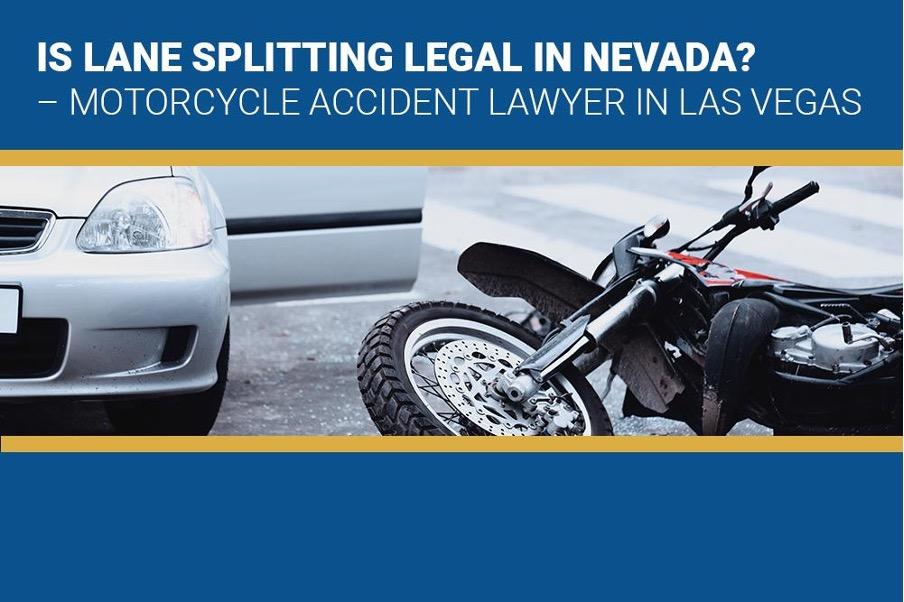
- Common Accident Types: Many motorcycle accidents involve another vehicle failing to see the motorcycle, especially during left turns or lane changes. While lane splitting is illegal in Nevada, accidents involving motorcycles in congested traffic can still occur due to distracted or aggressive drivers.
- Insurance: Adequate motorcycle insurance is non-negotiable. Ensure your policy covers liability, personal injury, and property damage, and consider additional coverage like uninsured/underinsured motorist protection. For long-term stays or specific tour requirements, some accommodation providers might even have specific insurance clauses.
- Legal Recourse: If involved in an accident in Nevada, it’s important to know your rights. Seek immediate medical attention, report the accident to law enforcement, and gather all possible information (witness contacts, photos, driver details). Consulting with a personal injury attorney specializing in motorcycle accidents can help navigate the complex legal system, especially when dealing with insurance companies. Remember, legal advice is outside the scope of this travel guide, but awareness is key.
Essential Gear and Safe Riding Practices
A great motorcycle trip is built on preparedness. The right gear and a commitment to safe riding practices significantly enhance both safety and enjoyment.
- Mandatory Helmet Law: Nevada has a universal helmet law, meaning all motorcycle riders and passengers, regardless of age, must wear a DOT-approved helmet. This is not just a legal requirement but a life-saving measure.
- Protective Clothing: Beyond helmets, investing in proper riding gear – including a sturdy jacket, pants, gloves, and boots – offers protection from abrasions, impacts, and the elements. Given Nevada’s diverse climate, gear that can adapt to temperature changes is ideal.
- Visibility: Make yourself as visible as possible. Wear bright colors, use your headlights (day and night), and consider reflective gear, especially for night riding or touring through less populated areas where street lighting is minimal.
- Motorcycle Training: Even experienced riders can benefit from advanced riding courses. Programs focusing on defensive riding, hazard avoidance, and emergency maneuvers can significantly improve skills and reaction times.
- Pre-Ride Inspections: Always perform a quick check of your motorcycle before each ride: tires, controls, lights, oil, chassis, and stands. A small issue overlooked can quickly become a major hazard on the road.
Embracing these safety measures and adhering to Nevada’s traffic laws will ensure your two-wheeled adventures are memorable for all the right reasons.
Exploring Nevada on Two Wheels: A Traveler’s Guide
While lane splitting might not be an option, Nevada offers an incredible array of travel experiences for motorcyclists. From the iconic highways that crisscross the desert to the scenic routes winding through mountains, the state is a paradise for those who love the open road. Integrating the main topics of this website – travel, tourism, accommodation, and landmarks – into your ride planning will create an unforgettable journey.
Iconic Motorcycle Routes and Scenic Byways
Nevada’s diverse geography offers some of the most spectacular motorcycle rides in the country. Here are a few must-experience routes:
- The Lake Tahoe Loop: Circumnavigating the crystal-clear waters of Lake Tahoe, this route offers breathtaking views of alpine forests and pristine beaches. Start from Reno or Carson City and explore the various towns along the shore, each offering unique attractions, hotels, and dining experiences. The cooler climate here provides a refreshing contrast to the southern desert heat.
- U.S. Route 50 – The Loneliest Road in America: Stretching across the vast, empty expanses of central Nevada, this legendary highway offers a true taste of American solitude. Riders pass through historic mining towns like Virginia City and Ely, with opportunities to explore remote attractions like Great Basin National Park. The feeling of isolation and the stark beauty of the landscape are unparalleled.
- Extraterrestrial Highway (State Route 375): For those with a taste for the unusual, this road near Area 51 offers a quirky ride through alien-themed attractions and vast desert. It’s a unique blend of adventure and pop culture, perfect for a themed lifestyle trip.
- Valley of Fire State Park Loop: Just an hour northeast of Las Vegas, the Valley of Fire Highway carves through stunning red sandstone formations. It’s a shorter, incredibly scenic ride perfect for a day trip, offering vibrant colors and ancient petroglyphs. The park’s unique landscape makes it an unforgettable landmark.
- Red Rock Canyon National Conservation Area: Another gem close to Las Vegas, the scenic loop through Red Rock Canyon National Conservation Area provides dramatic cliffs and unique desert flora. It’s a popular spot for hikers and photographers, and its winding roads are a delight for motorcyclists.
- Hoover Dam and Lake Mead National Recreation Area: A ride out to Hoover Dam via the Hoover Dam Bypass bridge offers spectacular engineering marvels and expansive views of Lake Mead National Recreation Area. This route combines historical significance with natural beauty.
- Lamoille Canyon Scenic Byway: Located in northeastern Nevada near Elko, this often-overlooked route climbs into the Ruby Mountains, offering alpine scenery, waterfalls, and chances to spot wildlife. It’s a stark contrast to the desert landscapes and a rewarding detour for those seeking natural beauty.
Many of these routes can be combined into longer, multi-day tours, perhaps even extending into neighboring states like California, Arizona, or Utah to explore Death Valley National Park, Zion National Park, or Grand Canyon National Park.
Motorcycle-Friendly Accommodation and Lifestyle
Choosing the right accommodation is a crucial part of any travel experience, especially for motorcyclists who may need secure parking or specific amenities. Nevada’s tourism industry is well-equipped to handle diverse needs.
- Booking and Reviews: When planning your trip, utilize online booking platforms to find hotels, resorts, apartments, or even villas that cater to motorcyclists. Look for reviews that mention secure parking, covered parking, or facilities for cleaning gear. Websites like lifeoutofthebox.com offer comprehensive reviews and comparisons to help you make informed decisions, whether you’re seeking luxury travel or budget-friendly options.
- Secure Parking: This is paramount. Always inquire about dedicated motorcycle parking. Many hotels, particularly those near popular motorcycle routes or rally destinations, will offer underground garages or fenced lots. For high-end resorts on the Las Vegas Strip like the Bellagio, Caesars Palace, Wynn Las Vegas, or The Venetian Resort, valet services are common, and often they can direct you to motorcycle-specific parking.
- Amenities: Some accommodations go the extra mile with amenities like bike washes, drying rooms for gear, or even tools for minor repairs. For a luxury travel experience, consider resorts that offer spas, fine dining, and entertainment, perfect for unwinding after a long day’s ride. Budget travelers might opt for motels or campgrounds, which often have more open parking and a relaxed atmosphere.
- Local Culture and Events: Nevada hosts several motorcycle rallies and events throughout the year, such as the Laughlin River Run and Street Vibrations Spring Rally in Reno. Planning your trip around these events can immerse you in a vibrant motorcycle lifestyle and offer unique experiences.

Planning Your Nevada Motorcycle Adventure
A well-planned trip enhances enjoyment and safety. Consider these tips for your Nevada motorcycle adventure:
- Best Time to Visit: Spring and fall offer the most pleasant riding weather across the state. Summers can be brutally hot in the south, while winters can bring snow and ice to higher elevations and the north. For long-term stays, consider the shoulder seasons to avoid extreme conditions.
- Route Planning: Utilize detailed maps and GPS. Factor in fuel stops, as some remote areas have limited services. Plan your daily mileage realistically, considering rest stops, scenic overlooks, and potential delays.
- Bike Rentals: If you’re flying into Nevada, numerous rental companies in Las Vegas and Reno offer a wide range of motorcycles, from touring bikes to cruisers. This is an excellent option for those who want to experience Nevada’s roads without shipping their own bike.
- Group Tours vs. Solo Exploration: Whether you prefer the camaraderie of a guided group tour or the freedom of solo exploration, Nevada accommodates both. Group tours often handle accommodation and route planning, simplifying the logistics, while solo trips offer maximum flexibility to explore local culture and hidden gems at your own pace.
- Cross-State Planning: For extended trips, consider how Nevada connects to other famous motorcycle destinations. For example, a trip starting in San Francisco via the Golden Gate Bridge and Pacific Coast Highway could lead you over the Sierra Nevada mountains into Nevada for a completely different riding experience.
In conclusion, while the question of “Is lane splitting legal in Nevada?” is met with a definitive no (with current legislation), this should not deter motorcyclists from experiencing the incredible beauty and adventure the state has to offer. By understanding and respecting the local laws, prioritizing safety, and planning your journey thoughtfully, you can embark on a truly unforgettable two-wheeled exploration of Nevada’s iconic landscapes, vibrant cities, and welcoming communities. The open roads await, promising a journey filled with discovery, excitement, and the enduring spirit of adventure.
LifeOutOfTheBox is a participant in the Amazon Services LLC Associates Program, an affiliate advertising program designed to provide a means for sites to earn advertising fees by advertising and linking to Amazon.com. Amazon, the Amazon logo, AmazonSupply, and the AmazonSupply logo are trademarks of Amazon.com, Inc. or its affiliates. As an Amazon Associate we earn affiliate commissions from qualifying purchases.