
Embarking on a journey to the Land of Enchantment, whether for its vibrant cultural tapestry, breathtaking landscapes, or unique culinary delights, requires a little forethought, and understanding the local time zone is a foundational step for any traveler. So, to answer directly: New Mexico operates within the Mountain Time Zone (MT). This means it observes Mountain Standard Time (MST) during the cooler months and switches to Mountain Daylight Time (MDT) during the warmer period, adjusting for Daylight Saving Time.
For globetrotters and domestic adventurers alike, this detail isn’t just a minor technicality; it’s a crucial element in seamlessly planning travel, ensuring timely arrivals for flights and tours, and immersing fully in the local rhythm. From coordinating hotel check-ins in Santa Fe to catching a sunrise hot air balloon ride over Albuquerque, being aware of the clock is key to unlocking the full potential of your New Mexico experience. This guide will delve into the specifics of New Mexico’s time, its implications for your itinerary, and how to make the most of every moment in this captivating corner of the United States.
Understanding New Mexico’s Place in Mountain Time
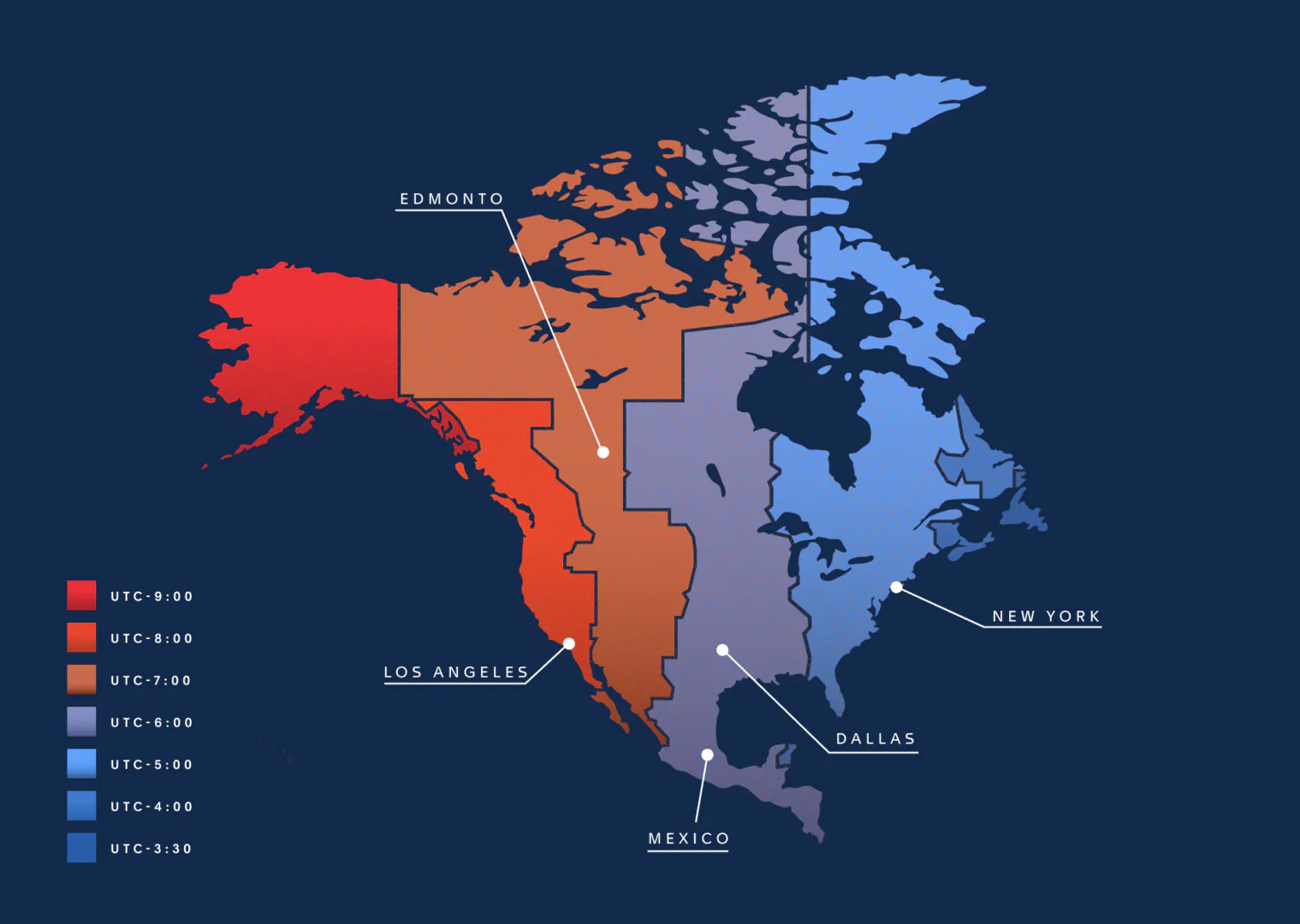
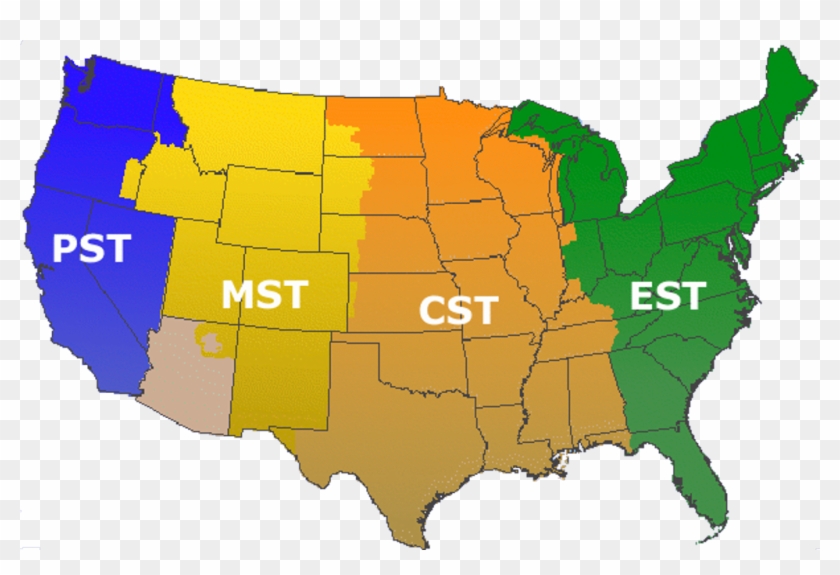
New Mexico’s geographical position places it squarely in the Mountain Time Zone, alongside states like Colorado, Utah, and parts of Arizona (though Arizona largely does not observe Daylight Saving Time). This designation means that New Mexico is typically seven hours behind Coordinated Universal Time (UTC-7) during Mountain Standard Time and six hours behind (UTC-6) during Mountain Daylight Time.
The transition between MST and MDT occurs twice a year. Daylight Saving Time begins on the second Sunday in March, when clocks “spring forward” one hour, effectively moving from MST to MDT. It concludes on the first Sunday in November, when clocks “fall back” one hour, returning to MST. This shift is a critical consideration for travelers, as it impacts everything from airport pickup times to the opening hours of attractions. For instance, an early morning hike in White Sands National Park might feel an hour earlier or later depending on when you visit.
Understanding this dynamic is particularly important when traveling from different time zones. Visitors arriving from the Eastern Time Zone will experience a two-hour shift, while those from the Central Time Zone will adjust by one hour. Travelers from the Pacific Time Zone will move forward by one hour. This difference, while seemingly small, can contribute to jet lag and requires careful planning, especially if you have tightly scheduled appointments upon arrival. Being mentally prepared for these changes helps alleviate potential stress and allows for a smoother acclimatization to the local rhythm, enabling you to fully embrace the enchantment of New Mexico from the moment you land.
Navigating Time for Seamless New Mexico Travel
Effective time management is a cornerstone of any successful travel plan, and in New Mexico, it’s no different. From the moment you begin planning your trip to the final farewell, understanding the local time zone and how it impacts various aspects of your journey will ensure a smooth, stress-free, and ultimately, more enjoyable experience.
Planning Your Arrival and Departure
The moments of arrival and departure are often the most time-sensitive parts of any trip. When flying into Albuquerque International Sunport or other regional airports, accurately knowing the local time is paramount for coordinating ground transportation, whether it’s a rental car pickup, a shuttle service, or meeting up with friends or family. Hotel check-in times, typically in the afternoon, and check-out times, usually in the late morning, are rigidly set in local time. Missing these windows can lead to additional fees or logistical headaches. Always double-check your booking confirmations and set reminders on your devices adjusted to New Mexico time.
For those traveling by train or driving across state lines from neighboring Texas, Oklahoma, or Mexico, the transition between time zones needs to be carefully noted. A seemingly minor one-hour difference can throw off an entire day’s plan if not accounted for. Consider building in a buffer period upon arrival to allow for potential delays, adjust to the time change, and avoid rushing into your first planned activity. This also provides an opportunity to combat any mild jet lag, allowing you to start your New Mexico adventure feeling refreshed.
Furthermore, booking tours, making restaurant reservations, or securing tickets for attractions such as the Sandia Peak Tramway in Albuquerque or a guided visit to Taos Pueblo must all be done with local New Mexico time in mind. Confirming these details in advance and understanding the time zone difference from your origin point will prevent missed opportunities and ensure your itinerary unfolds exactly as planned.
Optimizing Your Itinerary with Local Time
Beyond the logistical aspects, understanding local time allows you to truly optimize your travel itinerary and embrace the unique rhythms of New Mexico. The desert landscape offers stunning sunrrises and sunsets, which are highly sought after for photography, hiking, and simply enjoying the serene beauty. Knowing the precise times of these natural phenomena will help you plan early morning excursions or perfectly timed evening vistas. For instance, catching the golden hour glow at the Rio Grande Gorge Bridge near Taos requires a keen awareness of sunset times.
Similarly, many outdoor activities, particularly in the summer, are best enjoyed during the cooler morning hours before the heat of the day sets in. Visiting natural wonders like Carlsbad Caverns National Park or Chaco Culture National Historical Park often benefits from an early start to avoid crowds and fully appreciate the sites at a leisurely pace.

Conversely, cultural events, gallery strolls along Canyon Road in Santa Fe, or evening dining experiences often pick up later in the day. New Mexico’s vibrant culinary scene, famous for its New Mexican cuisine and the ubiquitous chiles, frequently sees peak dining hours a bit later than in some other parts of the country. Embracing this slightly more relaxed schedule can enhance your overall experience. By aligning your activities with the local pace, you’re not just observing New Mexico; you’re living it.
Experiencing New Mexico: Culture, Landmarks, and Lifestyle
New Mexico is a land rich in history, diverse cultures, and awe-inspiring natural beauty, offering a lifestyle that encourages exploration and appreciation for its unique heritage. Understanding the local time zone is not just about logistics; it’s about synchronizing with the very pulse of the state, allowing travelers to dive deep into its offerings.
Iconic Destinations and Their Timeless Allure
The state boasts an impressive array of landmarks and attractions, each with its own story and optimal visiting hours. In Santa Fe, the capital, art galleries and museums like the Georgia O’Keeffe Museum and the Palace of the Governors have specific operating times. Cultural events, such as the International Folk Art Market, are meticulously scheduled, and being on time ensures you don’t miss any of the festivities.
Albuquerque, the state’s largest city, offers a different urban charm. Exploring Old Town with its historic adobe buildings and quaint shops is often best enjoyed during daylight hours, while the city’s vibrant nightlife and dining scene come alive in the evening. If your visit coincides with the Albuquerque International Balloon Fiesta, a truly iconic event, you’ll find activities beginning well before dawn, emphasizing the importance of accurate timekeeping to witness the spectacular mass ascensions.
Beyond the major cities, New Mexico’s national parks and monuments beckon. Bandelier National Monument offers ancient cliff dwellings, while Petroglyph National Monument showcases thousands of ancient rock carvings. Further west, the Gila Cliff Dwellings National Monument provides a glimpse into prehistoric life. Each of these sites has specific visitor hours, and many offer ranger-led programs that follow a strict timetable. Planning your visits to align with these schedules allows for a richer, more informative experience, ensuring you maximize your time amidst these historical treasures.
Even tracing the historic Route 66 through New Mexico requires an awareness of time, as you pass through charming towns, each with unique attractions, diners, and quirky stops that operate on local schedules.
Accommodation and Enjoying the New Mexico Pace
New Mexico offers an eclectic range of accommodations, from luxurious resorts and boutique hotels to unique adobe apartments and charming villas, catering to every travel lifestyle—be it luxury travel, budget travel, family trips, or business stays. In Santa Fe, options like the opulent Four Seasons Resort Rancho Encantado Santa Fe or the historic Rosewood Inn of the Anasazi provide an indulgent experience, while the Eldorado Hotel & Spa offers a blend of elegance and tradition. In Albuquerque, properties like Hotel Chaco and Hotel Albuquerque at Old Town immerse guests in the city’s heritage. For those seeking wellness, the Ojo Caliente Mineral Springs Resort & Spa offers a tranquil retreat. Even boutique luxury accommodations like The Inn of the Five Graces emphasize a relaxed, unhurried atmosphere.
Booking and checking into these various establishments all operate on the Mountain Time Zone. When making reservations, especially for long-term stays or specific amenities like spa treatments or guided tours offered by resorts, confirming the local time for your appointments is essential.
More than just hotels, New Mexico’s unique lifestyle is characterized by a slower, more contemplative pace. This is particularly true in areas like Taos, an artists’ colony nestled in the Sangre de Cristo Mountains, where galleries, studios, and spiritual retreats often adhere to schedules that reflect the town’s relaxed ethos. Embracing this pace, rather than fighting it, is part of the New Mexico experience. Allowing extra time for lingering over a plate of breakfast burritos, exploring a local market, or simply sitting and watching the light change over the Rio Grande can be just as fulfilling as ticking off every item on a sightseeing list. The local time isn’t just a number on a clock; it’s an invitation to slow down and truly absorb the magic of the Land of Enchantment.
Practical Tips for Time Zone Management in New Mexico
To ensure your New Mexico adventure is as smooth as possible, here are some practical tips for managing time zone differences and making the most of your stay:
- Sync Your Devices: Upon arrival, immediately adjust your smartphone, smartwatch, and any other electronic devices to the local New Mexico time. Most modern devices do this automatically when connected to a network, but it’s always wise to double-check.
- Confirm All Bookings in Local Time: Whether it’s a flight, a hotel reservation, a car rental pickup, or a tour departure, verify that all times listed on your confirmations are understood in New Mexico’s Mountain Time. If you’re booking from a different time zone, be extra vigilant about the conversion.
- Communicate Clearly: If you’re meeting locals or coordinating with people from other time zones (e.g., family calling from back home, business contacts), always specify “New Mexico time” or “Mountain Time” to avoid confusion.
- Allow for Jet Lag (If Applicable): If you’re arriving from a time zone significantly to the east, build in some buffer time on your first day to rest and adjust. Light activity, hydration, and natural light exposure can help your body acclimate faster.
- Utilize Time Zone Apps: There are numerous smartphone apps available that can help you track multiple time zones simultaneously, which can be particularly useful if you need to stay in touch with people in different parts of the world.
- Embrace the Local Rhythm: New Mexico often has a more relaxed pace than bustling urban centers. Allow yourself to ease into this rhythm. Don’t overschedule every minute; leave room for spontaneity and enjoying the moment, whether it’s an impromptu stop at a local artisan shop or an extended conversation with a friendly local.
- Consider Sunrise/Sunset for Activities: New Mexico’s natural beauty shines at dawn and dusk. Plan key outdoor activities, like photography or scenic drives, around these times for the most breathtaking views. Check local sunrise/sunset times online before your trip.
By keeping these tips in mind, you can effectively manage the time aspects of your trip, ensuring that your focus remains on experiencing the unparalleled beauty, culture, and adventure that New Mexico so generously offers. From the spiritual stillness of its ancient pueblos to the vibrant energy of its festivals, every moment in New Mexico is a treasure, and being in sync with its time will help you cherish each one.
LifeOutOfTheBox is a participant in the Amazon Services LLC Associates Program, an affiliate advertising program designed to provide a means for sites to earn advertising fees by advertising and linking to Amazon.com. Amazon, the Amazon logo, AmazonSupply, and the AmazonSupply logo are trademarks of Amazon.com, Inc. or its affiliates. As an Amazon Associate we earn affiliate commissions from qualifying purchases.