
Texas, a land of vast plains, rugged deserts, and bustling metropolises, holds a unique place in the tapestry of American identity. More than just a geographical location, it’s a state imbued with a powerful sense of self, a legacy of independence, and a distinctive cultural flair. Central to this identity is its famous moniker: “The Lone Star State.” This designation isn’t merely a catchy nickname; it’s a direct reflection of its dramatic history, its enduring spirit, and the very symbol emblazoned on its state flag. For travelers and history enthusiasts alike, understanding why Texas is known as the Lone Star State unlocks a deeper appreciation for its attractions, its vibrant culture, and the unforgettable experiences it offers.
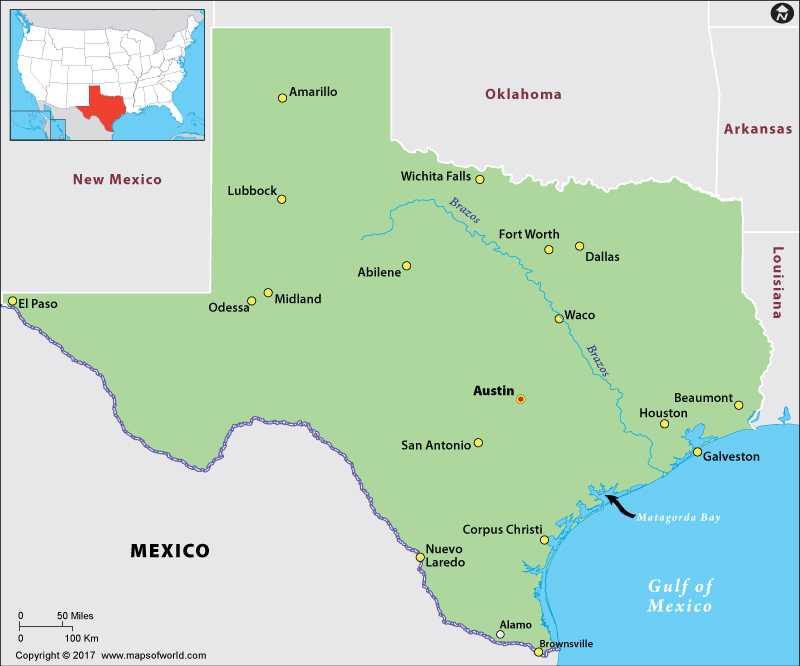
The Birth of a Symbol: A Glimpse into Texas History
The story of the Lone Star begins with the tumultuous, yet pivotal, events that shaped Texas from a remote frontier into an independent nation and, eventually, a powerful state within the United States. It’s a narrative filled with courage, conflict, and the unwavering pursuit of self-determination.
From Mexican Province to Independent Republic
Before it was a state, Texas was a part of Mexico, specifically a province within the state of Coahuila y Tejas. Following Mexico’s independence from Spain in 1821, the new Mexican government encouraged immigration to Texas to populate and develop the sparsely settled region. Many American settlers, drawn by land grants and the promise of a new life, moved into the area. Figures like Stephen F. Austin, often called the “Father of Texas,” led thousands of families to settle in the fertile lands.
However, cultural differences, political instability in Mexico City, and disagreements over issues like slavery and self-governance soon led to escalating tensions between the Texan colonists and the Mexican government. These tensions culminated in the Texas Revolution, a brutal conflict that began in 1835 with the “Come and Take It” skirmish in Gonzales. The revolution saw iconic battles such as the Battle of the Alamo in San Antonio, where a small band of Texan defenders bravely held out against overwhelming Mexican forces for 13 days, eventually succumbing but inspiring future generations. Though a devastating defeat, the cry “Remember the Alamo!” became a rallying point for the Texan cause.
The revolution reached its decisive moment on April 21, 1836, at the Battle of San Jacinto, near present-day Houston. Led by General Sam Houston, the Texan army achieved a stunning victory over General Santa Anna’s forces, securing independence for Texas. This pivotal victory paved the way for the establishment of the Republic of Texas.
The Iconic Lone Star Flag
It was during this era of independence that the “Lone Star” truly emerged as the defining emblem of Texas. The first official flag of the Republic of Texas, adopted in 1839, featured a single, prominent white star against a blue vertical stripe, with horizontal stripes of white and red. This design, created by Senator Charles B. Stewart and approved by the Texas Congress, encapsulated the young republic’s aspirations and its singular status.
The single star was a powerful symbol. It represented Texas’s unity as one-and-only, its proud independence from Mexico, and its bold claim to sovereignty. It stood alone, a beacon of a new nation carved out of the wilderness, a testament to the perseverance of its people. The colors also held significance: blue for loyalty, white for purity, and red for bravery—virtues deeply associated with the struggles and triumphs of the Texan fight for freedom.
The Lone Star flag served as the national flag of the Republic of Texas for nearly a decade, proudly fluttering over its capital, which moved from Washington-on-the-Brazos to Houston, and eventually to Austin. It became ingrained in the collective consciousness as the emblem of Texan identity.
Annexation and Statehood
For nine years, from 1836 to 1845, Texas existed as an independent nation. However, facing ongoing threats from Mexico and significant financial challenges, the idea of joining the United States gained traction. Despite initial reluctance from the U.S. due to concerns over adding a large slave state and provoking war with Mexico, the sentiment for annexation grew.
On December 29, 1845, Texas officially became the 28th state of the United States. Crucially, upon statehood, Texas retained its iconic flag design, a testament to the deep emotional connection its people had with the Lone Star. It remains the official state flag to this day, an unbroken link to its fiercely independent past. The fact that the state’s flag did not change upon joining the Union, unlike many other states, underscores the unique pride and historical significance of the Lone Star symbol.
Embodying the Spirit: The Lone Star in Texan Culture and Identity
The historical origins of the Lone Star are fascinating, but its true power lies in how it has shaped and continues to define Texan culture and identity. It’s more than just a historical relic; it’s a living, breathing symbol that permeates every aspect of life in the state.
A Legacy of Resilience and Independence
The Lone Star embodies a profound legacy of resilience, independence, and self-reliance. Texans are proud of their state’s unique journey, from a frontier territory to an independent republic and then into the Union. This history instills a fierce sense of pride and a distinctive identity that sets Texas apart. The very phrase “Lone Star State” evokes images of rugged individualism, courage in the face of adversity, and a determination to forge one’s own path—qualities that many Texans believe define their character.
This spirit is evident in everything from the state’s political discourse to its economic ventures. Texas often champions self-sufficiency and limited government, echoing the values of its independent republic days. This legacy also contributes to the state’s strong regional identity, where being a “Texan” often feels as significant as, if not more than, being an “American.” It’s a badge of honor, passed down through generations.
Cultural Manifestations: Sports, Music, and Art

The Lone Star motif is ubiquitous throughout Texas, weaving itself into the fabric of daily life and cultural expression. In sports, the star is proudly displayed on jerseys, stadium logos, and fan merchandise, uniting supporters under a common emblem of state pride. From the Dallas Cowboys to high school football teams, the Lone Star is a powerful symbol of team and state.
In music, especially country and Texan blues, references to the Lone Star, the state’s vastness, and its independent spirit are common themes. Artists often celebrate the unique landscapes, the freedom of the open road, and the resilience of its people. The arts, too, are deeply influenced by this historical identity. Galleries and public art frequently incorporate the star or motifs that evoke the state’s history, from cowboy culture to revolutionary heroes. Local artisans craft everything from jewelry to home decor adorned with the iconic symbol, reflecting its enduring popularity and resonance.
The Texan Lifestyle: Pride and Hospitality
The Lone Star isn’t just a symbol; it’s a way of life. The culture of Texas is often characterized by its unique blend of Southern hospitality, Western grit, and a strong sense of community. Texans are renowned for their friendliness and welcoming nature, especially towards visitors. However, this hospitality is often coupled with a deep, unwavering pride in their state—a pride rooted in the Lone Star legacy.
This manifests in various aspects of the Texan lifestyle, from its distinctive Tex-Mex cuisine and world-famous Texas BBQ, to its music traditions and celebrations. Festivals across the state, such as San Antonio’s Fiesta or the Austin City Limits Music Festival, often weave in elements of Texan history and pride, showcasing the rich cultural tapestry that has been shaped by its journey as the Lone Star State.
Exploring the Lone Star State: Travel, Landmarks, and Experiences
For travelers seeking to immerse themselves in the rich history and vibrant culture of Texas, understanding its “Lone Star” identity is key. The state offers a wealth of destinations, attractions, and experiences that directly reflect this iconic moniker.
Historic Landmarks That Tell the Story
A journey through the Lone Star State is incomplete without visiting the historical landmarks that directly trace its path from revolution to statehood. These sites are not just relics; they are powerful reminders of the struggles and triumphs that forged Texas’s identity.
-
The Alamo in San Antonio: Perhaps the most famous symbol of the Texas Revolution, the Alamo is a must-see. This former mission, turned fortress, is where a small band of Texan defenders made their heroic stand. Today, it stands as a shrine to Texan liberty, offering visitors a poignant glimpse into the resolve that fueled the fight for independence. When visiting San Antonio, consider staying at a hotel near the Riverwalk, such as the Grand Hyatt San Antonio River Walk or the historic Hotel Contessa, for easy access to the Alamo and other downtown attractions.
-
San Jacinto Battleground State Historic Site: Located near Houston, this site commemorates the decisive victory that won Texas its independence. The towering San Jacinto Monument, taller than the Washington Monument, and the adjacent Battleship Texas offer a profound sense of the historical significance of this land. Exploring the grounds provides context for the strategic brilliance of General Sam Houston.
-
Texas State Capitol in Austin: This magnificent pink granite building, also taller than the U.S. Capitol building, is the seat of Texas’s government and a symbol of its enduring sovereignty. Its architecture, history, and the surrounding grounds offer a deep dive into the state’s political and social development since its days as a republic. A visit here provides insight into how the Lone Star principles continue to influence governance. In Austin, historic hotels like The Driskill Hotel offer a luxurious stay while keeping you close to the city’s unique blend of history and live music culture.
Beyond History: Modern Lone Star Adventures
While history forms the bedrock of the Lone Star identity, Texas is also a vibrant, modern destination offering diverse experiences. Its sheer size means there’s something for every type of traveler.
For outdoor enthusiasts, the expansive Big Bend National Park in West Texas showcases stunning desert landscapes, river canyons, and incredible stargazing opportunities. The rolling hills and vineyards of the Texas Hill Country, with charming towns like Fredericksburg and legendary music venues like Gruene Hall in New Braunfels, offer a taste of refined country living and authentic Texan hospitality. Coastal adventures await on South Padre Island, known for its beautiful beaches and vibrant marine life.
Major cities like Dallas, Houston, and Austin offer world-class attractions. Houston is home to the NASA Johnson Space Center, reflecting another aspect of Texan ambition. Dallas boasts impressive arts and entertainment districts, while Austin remains the “Live Music Capital of the World.” Whether you’re exploring the upscale shops of Dallas, delving into the diverse culinary scene of Houston’s Museum District, or enjoying a night out in Austin, the underlying spirit of grandiosity and uniqueness, reflective of its Lone Star status, is palpable.
Planning Your Lone Star Journey: Accommodation and Tips
When planning a trip to the Lone Star State, considering accommodation that aligns with your travel style is essential. From luxury resorts like the JW Marriott San Antonio Hill Country Resort & Spa to charming boutique hotels in Fredericksburg or modern apartments in Dallas, there are options for every budget and preference. Booking in advance, especially during peak seasons or major events, is always advisable.
For those looking to fully embrace the local culture, seeking out authentic Texan dining experiences—from sizzling fajitas to slow-smoked brisket—is a must. Don’t shy away from smaller, local establishments; they often offer the most genuine taste of the region. Engaging with locals, learning about their history, and exploring the diverse landscapes will truly bring the Lone Star story to life. Remember that Texas is vast, so planning your itinerary with travel times between destinations in mind is crucial for a smooth and enjoyable trip.

The Enduring Allure of the Lone Star
The designation “The Lone Star State” is far more than a simple geographical identifier for Texas. It is a rich historical narrative, a powerful cultural identifier, and an enduring symbol of independence, resilience, and unique pride. From the battlegrounds where its freedom was won to the vibrant cities and breathtaking natural landscapes, the spirit of the Lone Star permeates every corner of the state.
For anyone traveling through its diverse regions, staying in its welcoming accommodations, or simply experiencing its distinct lifestyle, the story of the Lone Star State offers a profound understanding of what makes Texas truly special. It’s a compelling invitation to explore a state that stands proudly, uniquely, and independently—a true Lone Star in the constellation of American states.
LifeOutOfTheBox is a participant in the Amazon Services LLC Associates Program, an affiliate advertising program designed to provide a means for sites to earn advertising fees by advertising and linking to Amazon.com. Amazon, the Amazon logo, AmazonSupply, and the AmazonSupply logo are trademarks of Amazon.com, Inc. or its affiliates. As an Amazon Associate we earn affiliate commissions from qualifying purchases.