
New Orleans is a city that pulses with a unique rhythm, a vibrant tapestry woven from its rich history, distinct Creole and Cajun cuisine, soulful jazz music, and an undeniable joie de vivre. Planning a trip to this enchanting destination is an exciting prospect, but the timing of your visit can profoundly shape your experience. Whether you’re chasing the exhilaration of Mardi Gras, seeking a serene cultural immersion, or hunting for the best travel deals, understanding the seasonal nuances of the Crescent City is key. This comprehensive guide will help you determine the optimal time to experience all that New Orleans has to offer, tailored to your preferences and travel style.
Understanding New Orleans’ Seasons and Climate
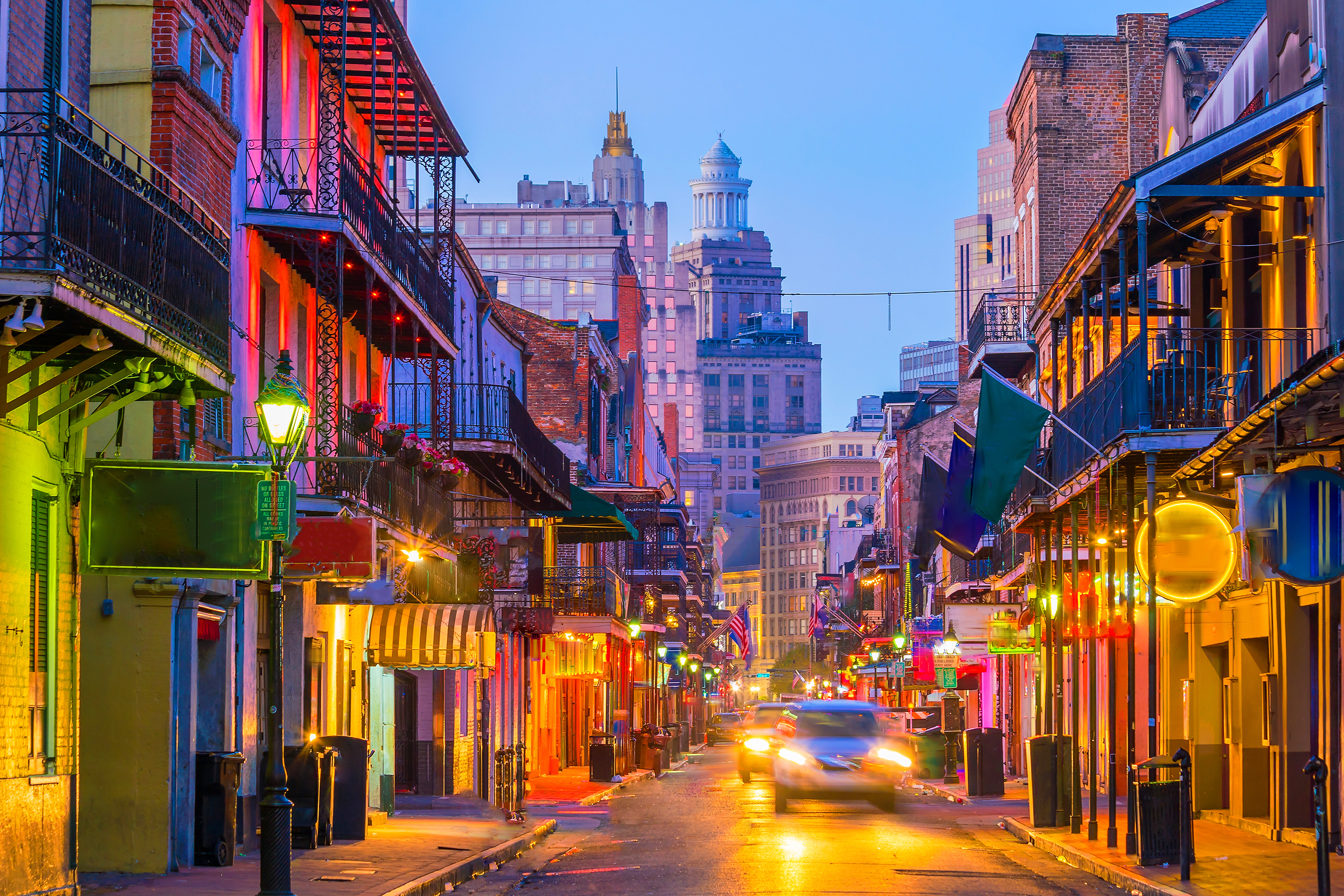
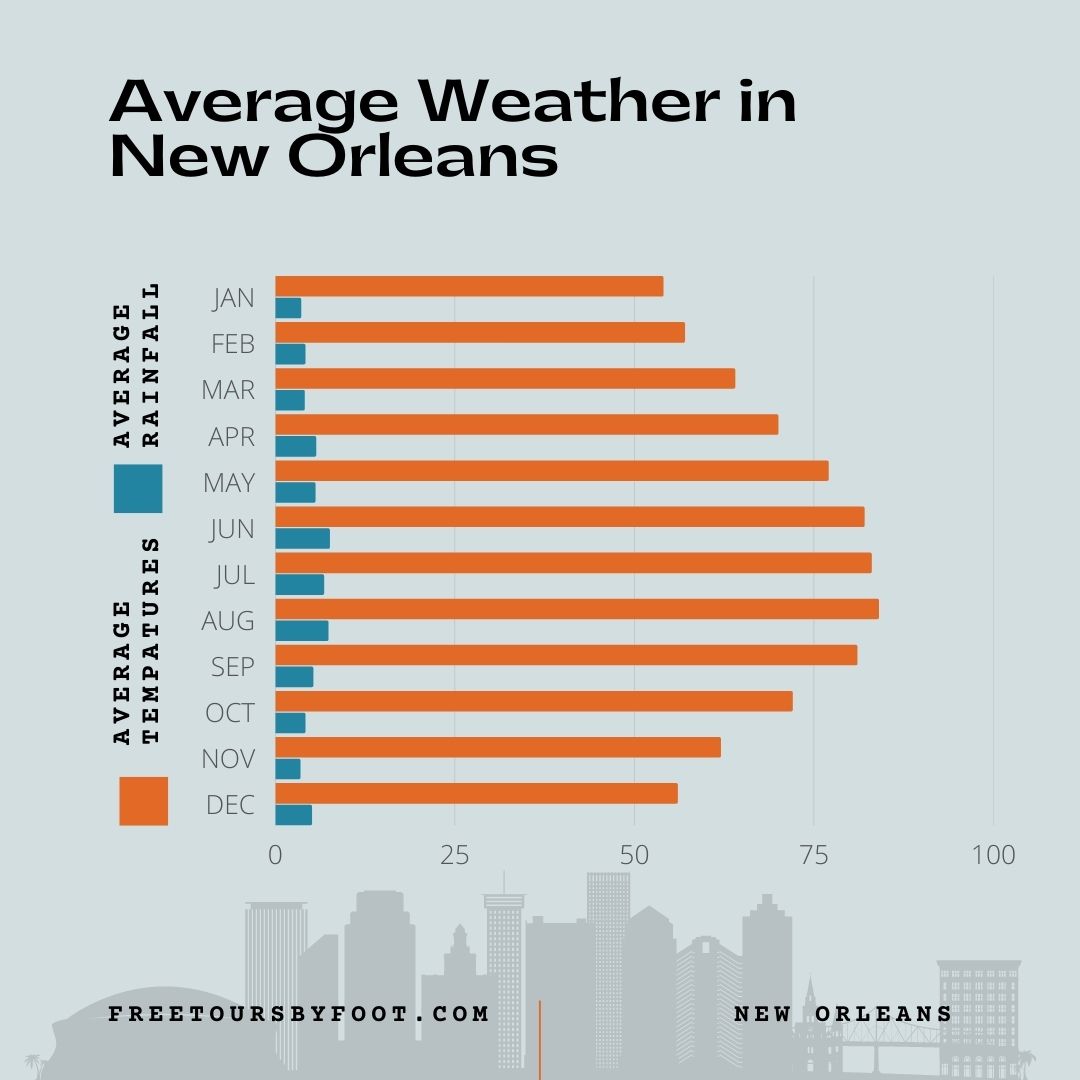
New Orleans experiences distinct seasons, each bringing its own charm, weather patterns, and roster of activities. The city’s subtropical climate means mild winters, hot and humid summers, and pleasant shoulder seasons, which often coincide with its most famous festivals.
Spring (March to May): The Sweet Spot for Festivities and Mild Weather
Spring is widely regarded as the best time to visit New Orleans, and for good reason. The weather is typically ideal, with comfortable temperatures ranging from the mid-60s to low 80s Fahrenheit (18-28°C) and relatively low humidity. The city bursts into bloom, and the air is filled with the scent of jasmine and the sound of live music.
Why Visit in Spring?
- Pleasant Temperatures: Perfect for strolling through the historic French Quarter, exploring the elegant Garden District, or taking a swamp tour without the oppressive heat of summer.
- World-Class Festivals: This season is synonymous with some of New Orleans’ most iconic events. While Mardi Gras often falls in late winter (February or early March), spring keeps the festive spirit alive. The French Quarter Festival, usually held in April, is a free, sprawling celebration of local music, food, and culture, transforming the entire French Quarter into one giant block party. Later in April and early May, the internationally renowned New Orleans Jazz & Heritage Festival, affectionately known as Jazz Fest, draws hundreds of thousands with an incredible lineup of music, food, and crafts.
- Outdoor Activities Flourish: Enjoy patio dining, open-air concerts, and leisurely walks admiring the city’s unique architecture. A streetcar ride down St. Charles Avenue becomes an even more delightful experience.
Considerations for Spring Travel:
- Higher Prices and Crowds: The popularity of spring means that hotel rates, flight prices, and demand for popular restaurants will be at their peak. Accommodation booking should be done several months in advance, especially if your trip coincides with Jazz Fest or French Quarter Festival. Options range from luxury hotels like Hotel Monteleone and The Roosevelt New Orleans, A Waldorf Astoria Hotel in the French Quarter to charming boutique hotels and guesthouses in surrounding neighborhoods.
Summer (June to August): Budget-Friendly Travel with Heat and Humidity
Summer in New Orleans is characterized by intense heat and high humidity, with daily temperatures often reaching into the 90s Fahrenheit (32-35°C), accompanied by frequent afternoon thunderstorms. This period also falls squarely within the Atlantic hurricane season.
Why Visit in Summer?
- Lower Prices and Fewer Crowds: For the budget traveler, summer offers significant advantages. Hotel rates and flight prices plummet, and popular attractions are less crowded. This is an excellent time to find deals on luxury suites or extended long-term stays in serviced apartments.
- Indoor Attractions Shine: Beat the heat by exploring the city’s world-class museums, such as the National WWII Museum, the New Orleans Museum of Art, or the Audubon Aquarium of the Americas.
- Poolside Relaxation: Many hotels and resorts offer fantastic pools, providing a refreshing escape. Consider Windsor Court Hotel or Hilton New Orleans Riverside for excellent pool amenities.
- Culinary Experiences Indoors: Indulge in New Orleans’ renowned food scene in air-conditioned comfort, from casual po’boys to upscale dining at establishments like Commander’s Palace.
Considerations for Summer Travel:
- Heat and Humidity: Be prepared for oppressive weather. Hydration is crucial, and planning activities for early mornings, late afternoons, or indoors is essential.
- Hurricane Season: June 1st marks the official start of hurricane season, which runs through November 30th. While direct hits are rare, it’s wise to purchase travel insurance and stay informed about weather forecasts.
Fall (September to November): A Gradual Return to Pleasant Conditions
Fall is another excellent shoulder season, offering a more comfortable climate than summer and fewer crowds than spring, especially in early September. As the season progresses, temperatures cool down to the 70s and 60s Fahrenheit (21-15°C), and humidity drops.
Why Visit in Fall?
- Comfortable Weather: Mid to late fall provides delightful conditions for exploring the city on foot. It’s perfect for exploring landmarks and soaking in the atmosphere of the French Quarter and Garden District.
- Cultural Events: While not as packed with mega-festivals as spring, fall still offers a rich calendar of local events, including the Oak Street Po-Boy Festival and the Voodoo Music + Arts Experience in October.
- Balance of Price and Availability: You can often find better hotel deals than in spring, and availability for accommodations like charming villas or historic guesthouses tends to be more favorable.
Considerations for Fall Travel:
- Early Fall Humidity: September can still be quite warm and humid, carrying over from summer.
- Hurricane Season Lingers: The latter half of hurricane season can still be active, particularly in September and October, so preparedness remains advisable.
Winter (December to February): Festive Cheer and Mild Weather
New Orleans winters are generally mild and pleasant, with average temperatures ranging from the mid-40s to low 60s Fahrenheit (7-18°C). While occasional cold snaps can occur, it’s a welcome escape from harsher winters elsewhere.
Why Visit in Winter?
- Holiday Magic: December is a magical time, with the city adorned in festive lights and decorations. Celebrations like Celebration in the Oaks in City Park and historic home tours offer unique experiences.
- Pre-Mardi Gras Excitement: The run-up to Mardi Gras begins in January with smaller parades and balls, building anticipation for the main event in February or early March. Visiting just before the main Mardi Gras weekend can offer a taste of the festivities without the most extreme crowds and prices.
- Comfortable Touring: The cooler weather is perfect for extended walks, plantation tours along the Mississippi River, and exploring Jackson Square and St. Louis Cathedral at leisure.
Considerations for Winter Travel:
- Mardi Gras Peak: If your trip coincides with Mardi Gras (which typically falls in February but can be in early March), expect astronomical prices for hotels and flights, extreme crowds, and limited availability. Booking at least a year in advance is often necessary.
- Pack Layers: While generally mild, mornings and evenings can be chilly, and occasional cold fronts can bring temperatures near freezing.
Tailoring Your Visit to Your Travel Style
New Orleans’ diverse appeal means there’s an ideal time for every type of traveler. By aligning your visit with your priorities, you can ensure an unforgettable journey.
For the Festival Enthusiast: Spring is King (and late Winter for Mardi Gras)
If your primary goal is to immerse yourself in the legendary festivals of New Orleans, then spring is your ultimate window.
- Mardi Gras: The pinnacle of New Orleans celebrations. This grand spectacle of parades, costumes, and merriment is an experience unlike any other. However, be prepared for peak prices, massive crowds, and a vibrant, albeit chaotic, atmosphere. Early booking for hotels (often a year in advance) is non-negotiable, and consider staying outside the immediate French Quarter for slightly better value and easier access.
- French Quarter Festival & Jazz Fest: These festivals offer a more concentrated dose of local music, food, and artistry. While still crowded, the atmosphere is generally more relaxed than Mardi Gras. Securing accommodation early is still crucial, especially for preferred hotels or vacation rentals.
For the Budget Traveler: Embrace Summer’s Lull
For those seeking to stretch their travel budget without compromising on authentic New Orleans experiences, summer is the prime time.
- Significant Savings: Enjoy substantially lower prices on flights and hotels. This allows you to splurge on incredible dining experiences, unique tours, or even upgrade to a more luxurious suite than you might otherwise afford.
- Fewer Crowds: Attractions and popular restaurants will be less congested, offering a more relaxed pace for exploration.
- Smart Planning: Choose hotels with excellent pools and air conditioning. Plan your activities for the cooler parts of the day or focus on indoor attractions. Consider hostels or apartment rentals for even greater savings.
For a Balanced Cultural Exploration: Fall and Early Winter
If your interest lies in soaking up the local culture, history, and culinary scene at a comfortable pace, fall and early winter (pre-Mardi Gras) are ideal.
- Comfortable Exploration: Enjoy walking tours of the Garden District’s historic mansions, meandering through the bustling French Market, or taking a paddlewheel boat tour on the Mississippi River.
- Culinary Focus: Fall often brings various food festivals and opportunities to indulge in seasonal cuisine. This is an excellent time for cooking classes or a leisurely food tour.
- Authentic Stays: Opt for a stay in a traditional B&B or a historic guesthouse to fully immerse yourself in the city’s unique charm and hospitality.
For Luxury and Comfort: Anytime with Strategic Planning
New Orleans caters to luxury travel year-round. With strategic planning, you can enjoy a premium experience regardless of the season.
- Upscale Accommodation: New Orleans boasts an array of high-end hotels and resorts offering impeccable service, exquisite amenities, and luxury suites. Consider The Ritz-Carlton, New Orleans, or the Four Seasons Hotel New Orleans for a lavish stay.
- Gourmet Dining: Enjoy upscale dining experiences at restaurants like August or Antoine’s Restaurant, which offer not just exceptional food but also a rich sense of history and ambiance.
- Private Tours and Experiences: Arrange private tours of historic homes, personalized culinary tours, or private jazz club experiences. Spa amenities at your resort can also add to the indulgence.
Key Considerations for Your New Orleans Trip
Beyond the season, several practical factors should influence your planning for a seamless New Orleans travel experience.
- Accommodation Booking: Regardless of the season, New Orleans is a popular destination. Always book your accommodation as far in advance as possible, especially if you have specific hotel preferences or are traveling during a major festival. Reading reviews and using comparison tools can help you find the perfect fit, whether it’s a bustling French Quarter hotel, a serene Garden District B&B, or a modern apartment in the Central Business District.
- Check the Events Calendar: Before finalizing your dates, always consult the official New Orleans events calendar. You might discover a charming local festival or concert series that perfectly complements your visit, or you might choose to avoid a period of particularly high crowds and prices.
- Weather Preparedness: Pack layers for winter, light and breathable clothing for summer, and always bring comfortable walking shoes. An umbrella or light rain jacket is advisable year-round, as afternoon showers are common in the subtropical climate.
- Hurricane Season Awareness: If traveling during hurricane season (June to November), consider travel insurance that covers weather-related disruptions. While most visits are unaffected, being prepared offers peace of mind.
- Transportation Tips: New Orleans’ most popular areas, like the French Quarter, are very walkable. The historic streetcar system is a charming and efficient way to explore neighborhoods like the Garden District and Uptown. Ride-sharing services and taxis are also readily available.
Exploring New Orleans’ Iconic Attractions and Experiences
Regardless of when you visit, New Orleans offers a treasure trove of attractions and experiences that define its unique character.
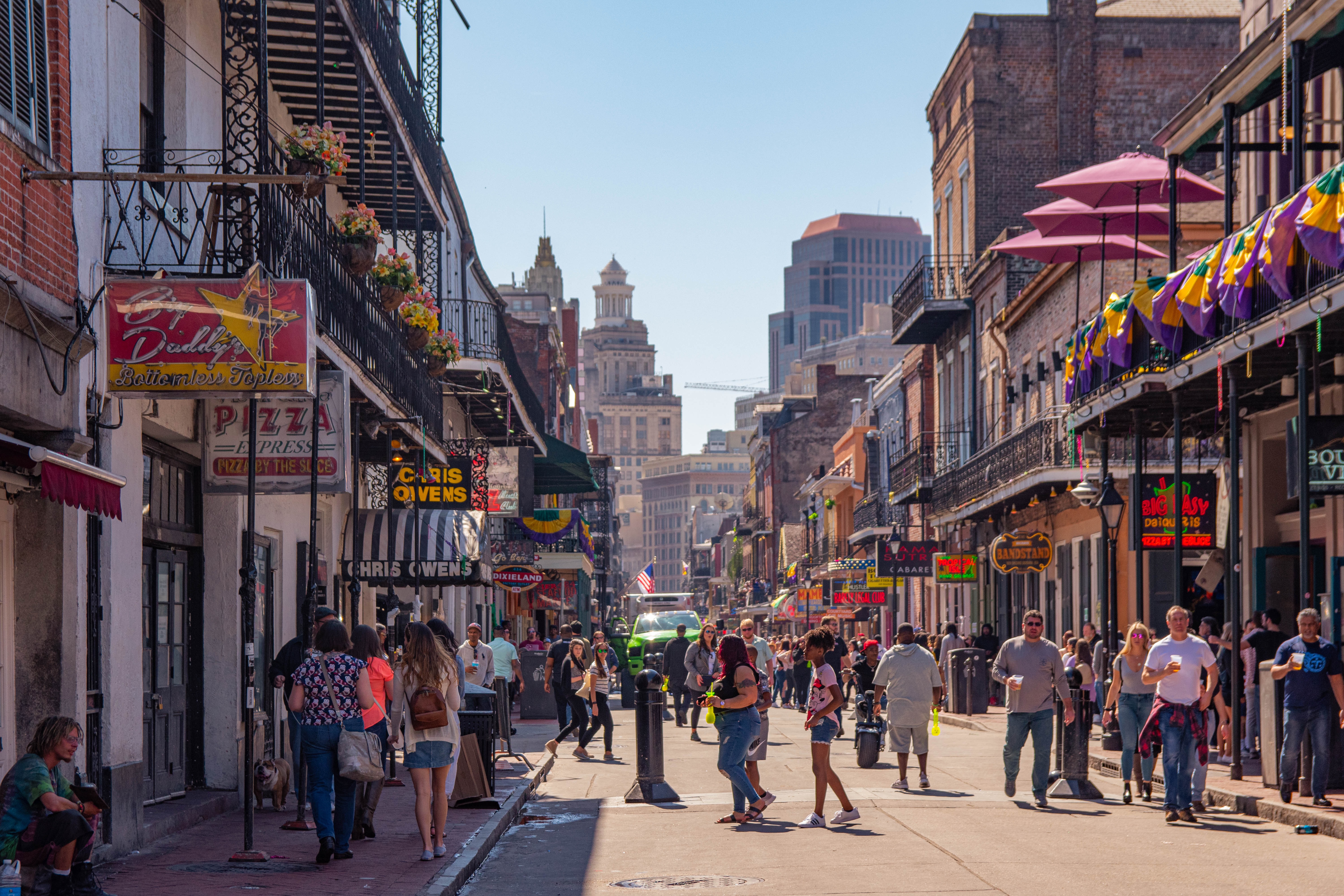
- The French Quarter: The historic heart of the city, famous for its iron-lace balconies, lively Bourbon Street, and the majestic Jackson Square fronting St. Louis Cathedral. Don’t miss a stop at Café Du Monde for beignets and chicory coffee.
- The Garden District: A stunning showcase of antebellum mansions and lush gardens. Take a guided walking tour to admire the architecture and explore Lafayette Cemetery No. 1.
- Museums & Culture: Dive deep into history at the National WWII Museum, discover art at the New Orleans Museum of Art, or catch an authentic jazz show at Preservation Hall.
- Culinary Delights: From comforting bowls of gumbo and savory jambalaya to fresh seafood and delicious po’boys, the food scene is a destination in itself. Embrace the flavors of Creole and Cajun cuisine at every opportunity.
- Beyond the City: Experience the mystical beauty of the Louisiana wetlands on a swamp tour, or step back in time with a visit to historic plantation homes just outside the city.
In conclusion, while spring (March-May) undeniably offers the most idyllic weather and a packed festival calendar, the “best” time to visit New Orleans truly depends on your individual preferences, priorities, and budget. Whether you seek the electrifying energy of Mardi Gras, the tranquil charm of a fall evening, or the unbeatable value of a summer escape, the Crescent City promises a captivating and memorable experience. With careful planning and an open heart, you’re sure to find your perfect rhythm in this extraordinary destination.
LifeOutOfTheBox is a participant in the Amazon Services LLC Associates Program, an affiliate advertising program designed to provide a means for sites to earn advertising fees by advertising and linking to Amazon.com. Amazon, the Amazon logo, AmazonSupply, and the AmazonSupply logo are trademarks of Amazon.com, Inc. or its affiliates. As an Amazon Associate we earn affiliate commissions from qualifying purchases.