
For travelers planning a breathtaking escape to the heart of the Rocky Mountains, a crucial yet often overlooked detail is understanding the local time zone. The question, “Is Colorado Mountain Standard Time?”, is fundamental for anyone looking to seamlessly navigate their travel plans, from booking flights and accommodation to scheduling unforgettable experiences amidst the state’s stunning landscapes. The answer is a resounding yes, though with a seasonal nuance that every visitor should be aware of.
Colorado proudly operates within the Mountain Time Zone (MT), which observes Mountain Standard Time (MST) during the winter months and switches to Mountain Daylight Time (MDT) during Daylight Saving Time in spring, summer, and fall. This seemingly minor detail has significant implications for tourism, itinerary planning, and the overall enjoyment of your Colorado adventure. From coordinating ski trips in Aspen or Vail to exploring the vibrant local culture of Denver, being mindful of the clock is key to a stress-free and enriching journey. This guide will delve into the intricacies of Colorado’s time zone, offering insights and tips to ensure your visit is perfectly timed.

Colorado and Mountain Standard Time: A Traveler’s Guide
Understanding Colorado’s time zone is the first step towards a well-organized trip. It’s not just about knowing what time it is, but how this impacts everything from opening hours of attractions to the best time for scenic drives.
What is Mountain Standard Time?
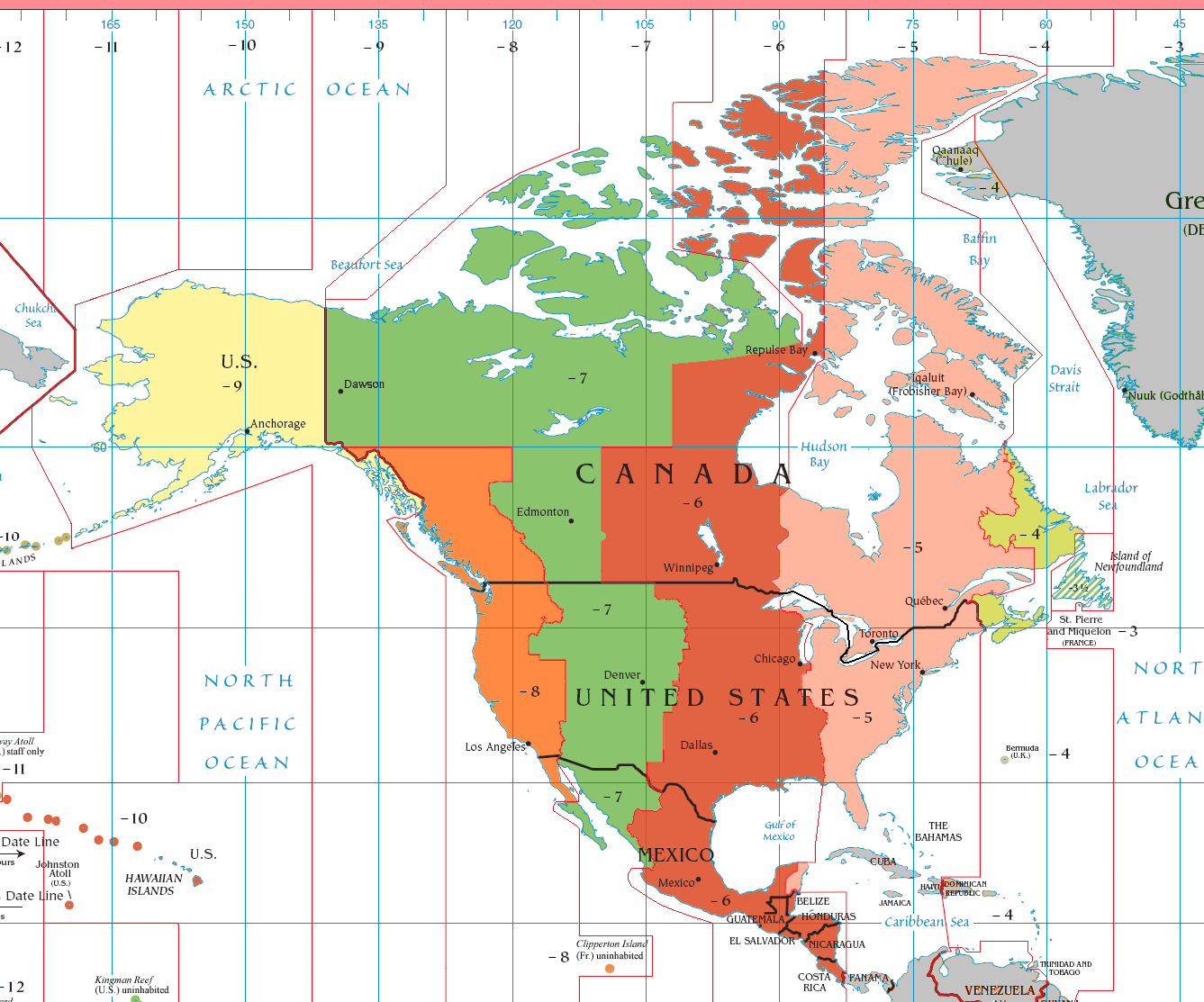
Mountain Standard Time (MST) is a time zone observed in several western states of the United States and parts of Canada and Mexico. It is defined as UTC-7, meaning it is seven hours behind Coordinated Universal Time. This makes it one hour ahead of the Pacific Time Zone, one hour behind the Central Time Zone, and two hours behind the Eastern Time Zone.
For visitors arriving from other parts of the United States, this means a time adjustment. If you’re flying in from New York City (Eastern Time), you’ll need to set your watch back two hours upon landing in Denver. Similarly, if you’re coming from Los Angeles (Pacific Time), you’ll move your clock forward by one hour. This initial adjustment can sometimes lead to mild jet lag, especially for those accustomed to the fast pace of the East Coast.
The Role of Daylight Saving Time in Colorado
While Colorado primarily uses the Mountain Time Zone, it participates in Daylight Saving Time (DST). This means that on the second Sunday in March, clocks “spring forward” by one hour, shifting from Mountain Standard Time (MST) to Mountain Daylight Time (MDT), which is UTC-6. Then, on the first Sunday in November, clocks “fall back” one hour, returning to MST.
This transition is crucial for travelers, particularly those planning trips around these dates. For instance, a springtime visit to Rocky Mountain National Park in April would be observed under MDT, giving you an extra hour of daylight in the evening for hiking or exploring. Conversely, a late fall trip in October would still be under MDT until the change, potentially affecting sunset times for your planned outdoor activities or stargazing experiences. Unlike Arizona, which largely opts out of Daylight Saving Time, Colorado embraces it, and travelers should always verify the current time zone status based on their travel dates.
Geographical Scope: States in the Mountain Time Zone
Colorado is not alone in observing the Mountain Time Zone. Several other states are fully or partially within this zone, including Montana, Idaho (southern part), Utah, Wyoming, New Mexico, and parts of North Dakota, South Dakota, and Nebraska. This commonality means that traveling between these states generally doesn’t require a time adjustment. However, planning a multi-state road trip that crosses into the Pacific or Central Time Zones, such as from Denver to Kansas City or Las Vegas, will necessitate diligent time-keeping to avoid missed bookings or appointments. Being aware of these geographical boundaries is vital for seamless interstate travel.
Seamless Travel Planning: Navigating Time for Your Colorado Adventure
Effective travel planning goes beyond selecting destinations and booking flights; it involves a meticulous understanding of time zones to optimize every moment of your journey. For Colorado, this is particularly true given its emphasis on outdoor activities and fixed-schedule attractions.
Arriving and Departing: Jet Lag and Scheduling Flights
The impact of time zone changes, commonly known as jet lag, can significantly affect your initial days in Colorado. Travelers arriving from Eastern or Central Time Zones will find themselves adjusting to earlier clocks, which can lead to fatigue, difficulty sleeping, and challenges with morning wake-ups. Conversely, those from the Pacific Time Zone will experience a later clock, potentially feeling hungry or tired at unusual times.
To mitigate jet lag, consider booking flights that allow for a gradual adjustment. If possible, arrive a day early to acclimate before diving into intense activities. Stay hydrated, avoid excessive caffeine and alcohol, and try to adjust your sleep schedule to Colorado time as soon as you board your flight. When departing, remember the time zone difference for connecting flights or if you need to coordinate pick-ups at your home destination. A missed connection due to time zone confusion can be a significant setback, so double-check all flight times against the local time of each airport.
Booking Accommodation and Activities Across Time Zones
When planning your itinerary, remember that all booking times for hotels, resorts, tours, and restaurant reservations in Colorado will be in Mountain Time (MST or MDT, depending on the season). It’s easy to make a mistake if you’re booking from a different time zone. For example, a 7 PM dinner reservation in Denver might feel like 9 PM to someone on Eastern Time, potentially leading to an overly late meal.
Always confirm the local time for check-in/check-out at your chosen accommodation – whether it’s a cozy boutique hotel in Boulder or a luxurious villa in Telluride. Similarly, when reserving spots for popular attractions like the Red Rocks Amphitheatre or a rafting trip on the Arkansas River, ensure you’re noting the time in MST/MDT. Many online booking platforms automatically convert to your local time, but it’s always wise to double-check to avoid any confusion or missed appointments.
Business and Remote Work Implications
For those blending business stays with leisure or working remotely while enjoying Colorado’s beauty, time zones are even more critical. Meetings with colleagues in different time zones require careful scheduling. A 9 AM meeting in New York is 7 AM in Denver, which might be too early for some. Conversely, a 5 PM meeting in Denver would be 7 PM on the East Coast, potentially running late into the evening for others.
Tools like world clocks and online time zone converters become indispensable. Clearly communicate your local time to colleagues and clients to prevent misunderstandings. Remember that office hours and business services in Colorado will align with Mountain Time, affecting when you can access banks, postal services, or local businesses for work-related needs. Balancing your work commitments with your Colorado lifestyle means being an expert in time management across borders.
Maximizing Your Colorado Experiences: Landmarks, Local Culture, and the Clock
Colorado offers an incredible array of experiences, from high-altitude adventures to vibrant urban culture. The timing of these activities, influenced by the Mountain Time Zone, plays a pivotal role in how you perceive and enjoy them.
Ski Resorts and Outdoor Adventures
Colorado is world-renowned for its ski resorts like Breckenridge, Steamboat Springs, and Telluride. Lift operating hours are strictly based on local Mountain Time. Early birds might catch the first chairlift at 8:30 AM, which could feel like 10:30 AM if you’re mentally still on Eastern Time, giving you an unexpected advantage. Conversely, if you arrive from the Pacific Coast, you might feel like you’re missing out on precious sleep to hit the slopes early.
Beyond skiing, outdoor activities such as hiking in Rocky Mountain National Park, exploring Mesa Verde National Park, or rafting the Colorado River are often weather-dependent and have specific start times for guided tours. Sunlight hours also dictate the feasibility of longer treks. During Daylight Saving Time, the extended daylight allows for longer afternoon hikes and scenic drives, while in winter MST, days are shorter, requiring earlier starts for full-day adventures to avoid being caught in the dark. Always check park opening and closing times, as well as sunset forecasts, to plan your outdoor excursions safely and effectively.
Urban Exploration and Dining
Colorado’s cities, especially Denver, Boulder, and Colorado Springs, offer a rich tapestry of local culture, food, and architecture. Museums like the Denver Art Museum, galleries, shops, and restaurants all operate on Mountain Time. A common pitfall for travelers from different time zones is misjudging meal times. A desire for an early dinner after a long day of sightseeing might mean arriving at a restaurant before its kitchen officially opens for dinner service. Conversely, prime dinner reservations might feel uncomfortably late.
When making reservations for fine dining in Cherry Creek or catching a show at the Denver Center for the Performing Arts, remember to consider how these times align with your internal clock. Take advantage of Colorado’s renowned craft breweries by planning tastings during their afternoon opening hours, or explore historic landmarks like the U.S. Air Force Academy or Garden of the Gods during quieter morning periods. Being aware of the local schedule helps you maximize your urban experiences without feeling rushed or out of sync.
Stargazing and Sunrise/Sunset Views: Nature’s Clock
The vast, clear skies of Colorado offer unparalleled opportunities for stargazing, especially in designated dark sky areas like the Great Sand Dunes National Park and Preserve or along the Million Dollar Highway. Planning for these ethereal experiences requires precise timing, dictated by Mountain Time and the celestial clock. Astronomical events, moon phases, and the exact times of sunrise and sunset are always reported in local time.
For photographers, hikers, or anyone seeking to witness the stunning Colorado sunrises over Pikes Peak or sunsets painting the Flatirons in Boulder, knowing the local time for these natural phenomena is essential. An early morning start to reach a scenic overlook by sunrise means waking up even earlier by your home time zone, but the reward is often worth the effort. Similarly, calculating the best time to drive to a secluded spot for stargazing after dusk is a crucial part of the planning. Embrace Colorado’s natural rhythm to truly connect with its majestic outdoors.
Lifestyle Adjustments and Smart Tips for Living on Mountain Time
Integrating into the Colorado lifestyle, even for a short visit, means more than just adjusting your watch. It involves adapting your daily rhythms and leveraging practical tips to make your stay as comfortable and enjoyable as possible.
Adapting to the Pace: Food, Sleep, and Well-being
The shift to Mountain Time can subtly impact your body’s internal clock, especially concerning food and sleep patterns. Initially, you might find yourself hungry at odd hours or struggling to fall asleep. To combat this, try to eat meals at Colorado’s standard times, even if you don’t feel hungry. Similarly, establish a consistent sleep schedule that aligns with the local night and day cycles.
Beyond time zones, remember Colorado’s high altitude. This, combined with jet lag, can exacerbate symptoms of fatigue or dehydration. Drink plenty of water, limit alcohol intake, and ease into strenuous activities to give your body time to adjust. Many hotels and resorts across the state, from The Broadmoor in Colorado Springs to the St. Regis Aspen Resort, are equipped with amenities and services aimed at enhancing guest well-being, from humidifiers to oxygen bars. Prioritizing these adjustments will significantly improve your overall enjoyment and help you fully embrace the Colorado lifestyle.
Communication with Home: Keeping in Touch Across Time Zones
Maintaining communication with family, friends, or colleagues back home requires careful consideration of time zones. A simple phone call or video chat can become a scheduling challenge if you’re not mindful of the difference. Before placing a call, quickly calculate the local time for the recipient. For example, when it’s noon in Denver (MST/MDT), it’s 2 PM in Chicago (CST/CDT) and 4 PM in New York (EST/EDT).
For important calls or virtual meetings, pre-scheduling is always best, ensuring everyone is available at a convenient hour. Messaging apps that allow asynchronous communication can be a great alternative for casual check-ins. For those on extended long-term stays or family trips, establishing a routine for communication can help everyone stay connected without disrupting sleep or plans.

Leveraging Technology: Time Zone Converters and Apps
In today’s digital age, navigating time zones has never been easier. Smartphones automatically update to the local time when you arrive in Colorado, removing much of the manual hassle. However, for planning purposes, leveraging specific tools can be invaluable.
- World Clock Apps: Most smartphones have a built-in world clock feature, allowing you to easily view the current time in multiple cities simultaneously. This is perfect for quick checks when planning calls or comparing opening hours.
- Online Time Zone Converters: Websites and apps specifically designed for time zone conversion allow you to input a time in one zone and see what it translates to in others. These are particularly useful for detailed itinerary planning or scheduling international calls.
- Calendar Tools: When adding appointments to your digital calendar, ensure that the time zone is correctly set for the event. Many calendar applications automatically adjust event times based on your current location, but a double-check can prevent mix-ups.
By embracing these technological aids, you can confidently manage your schedule, avoid confusion, and dedicate more time to enjoying the unparalleled beauty and experiences that Colorado has to offer, all perfectly in sync with Mountain Standard Time. So, whether you’re embarking on luxury travel through mountain resorts or a budget travel adventure exploring National Parks, a little time-zone savvy will go a long way.
LifeOutOfTheBox is a participant in the Amazon Services LLC Associates Program, an affiliate advertising program designed to provide a means for sites to earn advertising fees by advertising and linking to Amazon.com. Amazon, the Amazon logo, AmazonSupply, and the AmazonSupply logo are trademarks of Amazon.com, Inc. or its affiliates. As an Amazon Associate we earn affiliate commissions from qualifying purchases.