
The Hawaiian Islands, a breathtaking tapestry of emerald valleys, volcanic peaks, and pristine beaches, stand as a testament to nature’s profound power. This isolated archipelago, nestled in the heart of the Pacific Ocean, is more than just a dream destination for travelers; it’s a living geological marvel, a captivating story etched in fire and stone. From its dramatic, fiery birth to its current status as a global tourism hotspot, the formation of Hawaii directly influences every aspect of its allure, shaping its landmarks, diverse ecosystems, unique cultural experiences, and the very lifestyle it offers. Understanding how these islands rose from the depths is key to appreciating their unparalleled beauty and planning an unforgettable journey to their shores.

The Fiery Genesis: A Geological Marvel
The story of Hawaii’s formation is unlike that of most other island chains, which typically form along tectonic plate boundaries. Instead, this tropical paradise owes its existence to a unique phenomenon known as a “hotspot.” This deep-seated geological process has been continuously at work for millions of years, creating a chain of islands that stretches across the Pacific.
The Hotspot Theory: A Stationary Furnace
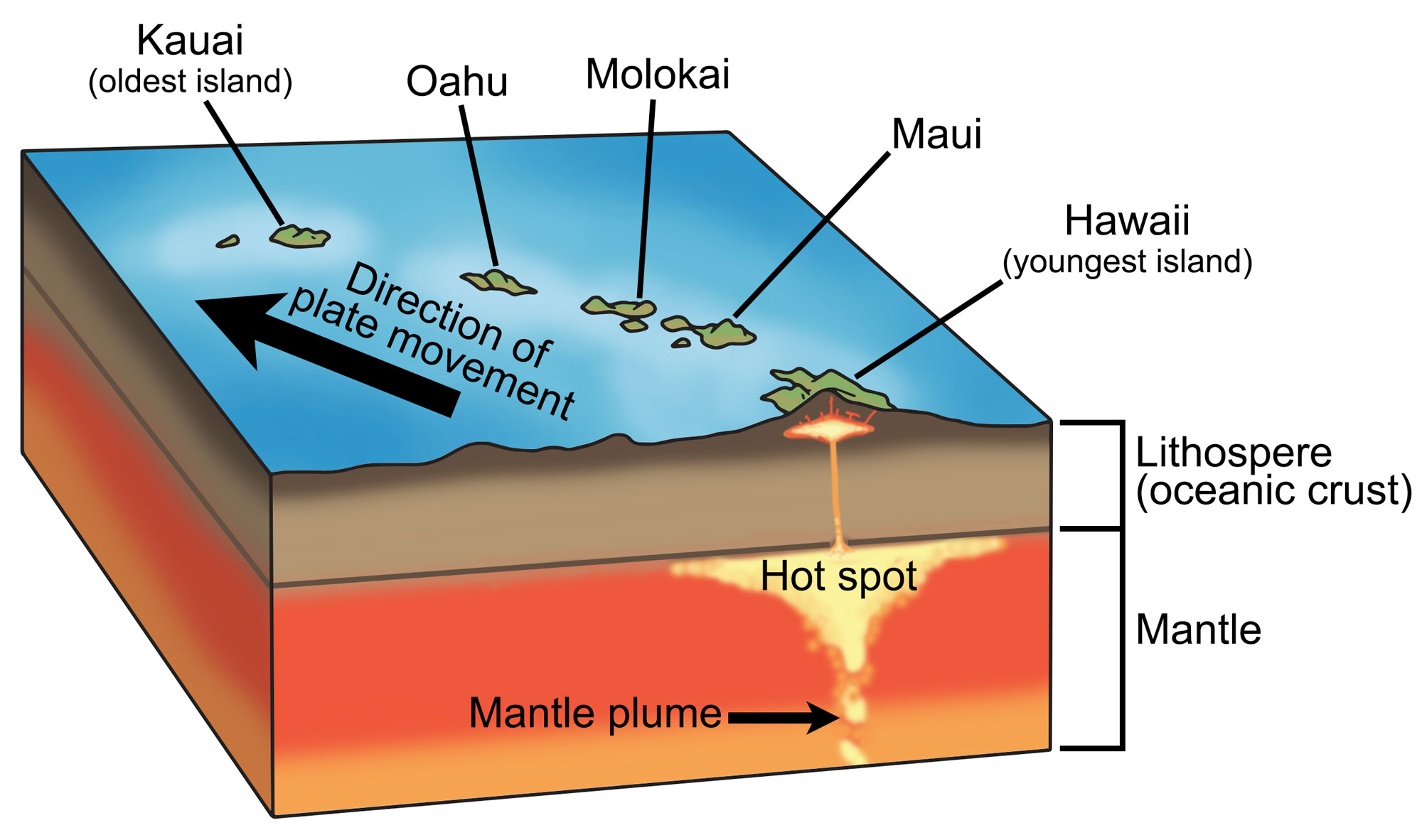
Imagine a massive, stationary plume of superheated magma rising from deep within the Earth’s mantle. This is the “Hawaiian Hotspot.” Unlike the shifting tectonic plates that make up the Earth’s crust, this hotspot remains fixed in its location. As the molten rock from the hotspot rises, it melts through the overlying Pacific Plate, creating a vent for volcanic eruptions.
The sheer volume and persistence of this magma plume are what make Hawaii so extraordinary. Each island is essentially a massive shield volcano, built up layer by layer from countless lava flows over hundreds of thousands of years. These shield volcanoes are characterized by their gentle, sloping sides and broad bases, a stark contrast to the steeper, more explosive stratovolcanoes found in other parts of the world. This unique formation process has resulted in some of the largest mountains on Earth, when measured from their base on the ocean floor, showcasing the immense power of the hotspot.
The Pacific Plate’s Journey: A Conveyor Belt of Creation
While the hotspot itself remains stationary, the Pacific Plate upon which the islands sit is constantly moving. It drifts slowly northwestward, much like a conveyor belt carrying newly formed landmasses away from the hotspot. As the plate moves, an island that was once directly over the hotspot is gradually carried away, cutting off its direct supply of magma. This older island then becomes volcanically inactive and begins to erode, giving way for a new island to form over the hotspot.
This continuous movement and creation process explains the linear arrangement of the Hawaiian Islands, extending over 1,500 miles. The southeasternmost island, the Big Island of Hawaii, is the youngest and most volcanically active, still sitting directly over the hotspot. As you travel northwest along the chain to islands like Maui, Oahu, and Kauai, the islands become progressively older, more eroded, and less volcanically active. This geological timeline is beautifully evident in the varying landscapes, from the barren lava fields of the Big Island to the deeply carved canyons and lush rainforests of Kauai.
From Seamount to Island: The Birth of a Paradise
The birth of a Hawaiian island is a slow and dramatic underwater spectacle. It begins as a seamount, an underwater mountain formed by eruptions on the ocean floor. Over hundreds of thousands, or even millions, of years, successive lava flows build up the seamount until it eventually breaks the ocean surface. At this point, it officially becomes an island.
Once an island emerges, it enters a phase of rapid growth, often marked by effusive eruptions that slowly add to its landmass. As it moves off the hotspot, erosion by wind, rain, and waves begins to sculpt its landscape, creating the dramatic cliffs, fertile valleys, and iconic beaches that define Hawaii’s beauty. This geological life cycle, from fiery birth to gradual erosion, underscores the transient nature of these islands, constantly evolving and shifting through the millennia. It’s a compelling narrative that invites travelers to witness the Earth’s raw power and appreciate the ephemeral beauty of these volcanic creations.
The Unique Archipelago: A Chain of Diversity
The continuous process of the hotspot creating new islands and the Pacific Plate carrying them away has resulted in an extraordinary chain of diverse landmasses. Each island, while sharing a common volcanic origin, boasts its own unique character, shaped by its age, exposure to the elements, and specific geological history. This diversity is what makes Hawaii such a fascinating destination, offering a spectrum of experiences from active volcano viewing to ancient, verdant rainforest exploration.
The Youthful Vigor of the Big Island
The Big Island, officially Hawaii Island, is the youngest and largest in the chain, still actively forming directly over the hotspot. It is home to five major volcanoes, including two of the world’s most active: Kilauea and Mauna Loa. The continuous eruptions from these volcanoes contribute to the island’s ongoing growth, making it a dynamic landscape of barren lava fields, steam vents, and black sand beaches. The raw, untamed nature of the Big Island is a direct consequence of its youth and proximity to the hotspot, offering visitors an unparalleled opportunity to witness Earth’s creative forces firsthand.
Hawaii Volcanoes National Park is a prime example, where trails wind through solidified lava flows, and the opportunity to see glowing lava at night captivates thousands of visitors annually. This island showcases the dramatic beginnings of Hawaii, providing a stark contrast to the lushness of its older siblings. For adventure seekers and geology enthusiasts, Hilo and Kona serve as popular bases for exploring these magnificent natural wonders.
The Lush Landscapes of Older Islands
Moving northwest, the islands of Maui, Oahu, and Kauai represent different stages of erosion and ecological development.
-
Maui, known as the Valley Isle, is home to the massive dormant volcano Haleakala, whose summit offers incredible sunrise views above the clouds. The island’s older volcanoes have been deeply eroded, creating lush valleys, spectacular waterfalls, and fertile agricultural lands. The Road to Hana, a scenic drive along Maui’s eastern coast, is a testament to the island’s geological transformation, revealing a landscape rich in biodiversity and natural beauty. Maui offers a blend of adventure and relaxation, with its diverse landscapes supporting everything from surfing to luxury resorts.
-
Oahu, the Gathering Place, hosts the state capital Honolulu and the iconic Waikiki Beach. Its volcanoes are considerably older, with erosion shaping dramatic landmarks like Diamond Head (Leahi) crater, a popular hiking destination offering panoramic views. The island’s fertile soils, born from ancient volcanic ash, sustain vibrant agricultural areas and dense urban centers. The geological history here has created sheltered harbors like Pearl Harbor, which have played significant roles in human history, further integrating the island’s formation into its cultural and economic development.
-
Kauai, the Garden Isle, is the oldest of the main Hawaiian Islands and showcases the effects of millions of years of erosion. Its volcanic peaks are heavily weathered, resulting in some of the most dramatic landscapes on Earth, including the Na Pali Coast’s towering cliffs and the immense Waimea Canyon, often called the “Grand Canyon of the Pacific.” The abundant rainfall on its central mountains has carved deep gorges and nurtured a verdant, almost primeval rainforest. Kauai’s ancient geological past makes it a haven for nature lovers and adventurers seeking untouched beauty.

Islands like Molokai, Lanai, Niihau, and Kahoolawe each tell their own stories of volcanic birth and subsequent erosion, contributing to the rich tapestry of the archipelago.
Beyond the Main Eight: The Northwestern Hawaiian Islands
The Hawaiian chain extends far beyond the main eight islands. To the northwest lie the Northwestern Hawaiian Islands, a string of atolls, reefs, and submerged seamounts that are the oldest remnants of the hotspot’s activity. These islands are so ancient and eroded that they have largely subsided back into the ocean, leaving behind coral atolls. This remote and protected area, part of the Papahanaumokuakea Marine National Monument, is a critical habitat for endangered species and offers a glimpse into the distant future of the main Hawaiian Islands. It underscores the continuous cycle of creation and decay that defines the Hawaiian hotspot’s legacy.
Geological Wonders as Tourist Magnets
The very process that formed Hawaii has endowed it with an array of natural landmarks and attractions that draw millions of visitors each year. From active volcanoes to stunning coastlines, the geological heritage of the islands is the bedrock of its thriving tourism industry, offering unparalleled scenic beauty and adventurous activities.
Volcanoes: Nature’s Grand Spectacle
The active volcanoes of the Big Island, particularly Kilauea and Mauna Loa, are arguably Hawaii’s most spectacular geological attractions. Hawaii Volcanoes National Park is a UNESCO World Heritage Site where visitors can safely observe lava flows (when active), explore lava tubes, and hike across vast volcanic craters. The experience of seeing the Earth actively creating new land, whether it’s a fiery red glow at night or steamy vents during the day, is profoundly moving and a stark reminder of the planet’s dynamic nature. This park isn’t just a sightseeing destination; it’s an educational journey into the heart of planetary geology, attracting travelers keen on adventure and scientific discovery.
Even dormant volcanoes like Haleakala on Maui and Diamond Head on Oahu offer incredible experiences. Sunrise from Haleakala’s summit is legendary, offering views of a vast caldera stretching to the horizon, often above a sea of clouds. Hiking to the top of Diamond Head provides panoramic vistas of Waikiki Beach and the Honolulu coastline, showcasing how volcanic remnants become iconic urban landmarks.
Coastal Formations: Beaches and Cliffs
The interaction of volcanic activity, ocean currents, and erosion has sculpted Hawaii’s diverse coastline. The islands are famous for their varied beaches, a direct result of their geological makeup. Black sand beaches, like Punalu’u on the Big Island, are formed from shattered lava that cools and fragments upon contact with the ocean. Green sand beaches, such as Papakolea, owe their unique color to olivine crystals from ancient lava flows. And of course, the classic golden and white sand beaches, like those of Waikiki and Kaanapali, are formed from eroded coral and shell fragments, intermingling with volcanic rock.
Beyond the beaches, the powerful forces of erosion have carved dramatic cliffs and sea arches. The Na Pali Coast on Kauai is a prime example, with its towering, emerald-green pali (cliffs) plunging thousands of feet into the ocean, accessible only by boat, helicopter, or strenuous hiking. These spectacular formations offer breathtaking scenic cruises, kayaking adventures, and unrivaled photographic opportunities, making them essential stops on any Hawaiian itinerary.
Coral Reefs: An Underwater Legacy of Volcanic Activity
While not directly volcanic, Hawaii’s vibrant coral reefs are an indirect consequence of its formation. These shallow-water ecosystems thrive around the volcanic islands, providing critical habitats for marine life and attracting snorkelers and divers from around the globe. The volcanic foundation provides the stable substratum upon which corals can establish and grow, forming intricate underwater landscapes. Popular snorkeling spots like Hanauma Bay on Oahu and Molokini Crater off Maui owe their rich biodiversity to the geological structures that shelter them. These natural marine preserves offer some of the best opportunities for wildlife viewing, showcasing Hawaii’s commitment to preserving its natural heritage.
Experiencing Hawaii: Travel, Accommodation, and Culture Shaped by Geology
The geological story of Hawaii is not merely an academic pursuit; it’s the very foundation of its appeal as a global travel destination. Every aspect of a Hawaiian vacation, from the choice of island to the type of accommodation and cultural immersion, is intrinsically linked to how these islands were formed.
Planning Your Volcanic Adventure: Destinations and Activities
The age and geological characteristics of each island directly dictate the types of attractions and experiences available. For thrill-seekers and nature photographers, the Big Island offers unparalleled opportunities to witness active volcanism, hike across newly formed landscapes, and explore lava tubes. Its rugged terrain also makes it ideal for stargazing atop Mauna Kea, another dormant volcano. Accommodation options here range from eco-lodges near Hawaii Volcanoes National Park to resorts along the Kona coast, catering to diverse travel lifestyles.
For those seeking lush rainforests, dramatic cliffs, and cascading waterfalls, Kauai’s ancient, eroded landscapes are perfect for hiking the Kalalau Trail, kayaking the Na Pali Coast, or taking a helicopter tour over Waimea Canyon. Maui offers a balance, with its volcanic crater of Haleakala providing spectacular sunrises and sunsets, while the Road to Hana winds through verdant, erosion-carved scenery. Oahu, with its iconic Diamond Head and fertile valleys, perfectly blends urban sophistication, historical sites, and world-class surfing. Each island’s geological blueprint offers a distinct flavor of Hawaiian adventure, influencing everything from surf breaks to hiking trails.
Eco-Tourism and Sustainable Practices
The fragility and uniqueness of Hawaii’s volcanic ecosystems have also fostered a strong emphasis on eco-tourism and sustainable travel practices. The islands’ isolation, a direct result of their formation far from continental landmasses, has led to a high degree of endemism, meaning many plant and animal species found here exist nowhere else on Earth. Protecting these unique environments, from newly formed lava flows to ancient rainforests and delicate coral reefs, is paramount. Visitors are encouraged to engage in responsible tourism, respecting natural landmarks, observing wildlife from a distance, and supporting local conservation efforts. Many hotels and resorts across the islands are adopting sustainable amenities and practices, understanding that the health of the environment is crucial for the long-term viability of their destinations.
The Influence on Local Culture and Lifestyle
Beyond the physical landscape, the geological formation of Hawaii has profoundly shaped its local culture and the lifestyle of its people. The raw power of the volcanoes is embodied in Hawaiian mythology, particularly in the reverence for Pele, the goddess of fire and volcanoes. Her legends explain the creation of the islands, the flow of lava, and the very ground beneath one’s feet. This deep spiritual connection to the land (aina) informs many Hawaiian traditions, dances (hula), and agricultural practices.
The abundance of fertile volcanic soil supports diverse agriculture, from pineapple and sugarcane in the past to coffee, macadamia nuts, and tropical fruits today, influencing local food and cuisine. The constant presence of the ocean, carved by volcanic activity, has fostered a rich maritime culture of fishing, surfing, and voyaging. Even modern architectural styles and urban planning often subtly reflect the surrounding volcanic terrain and coastal environments, with many resorts and apartments designed to maximize views of the mountains or ocean, or built to withstand the occasional seismic tremor.
In essence, the story of “How Did Hawaii Form?” is not just a scientific explanation; it’s the epic tale of creation that permeates every aspect of these islands. It’s what makes Hawaii a place of unparalleled beauty, adventure, and cultural richness, inviting travelers from around the world to explore its fiery past and vibrant present. Whether you’re drawn by the promise of active volcanoes, serene beaches, or lush rainforests, your journey to Hawaii is a journey into the very heart of planetary creation.
LifeOutOfTheBox is a participant in the Amazon Services LLC Associates Program, an affiliate advertising program designed to provide a means for sites to earn advertising fees by advertising and linking to Amazon.com. Amazon, the Amazon logo, AmazonSupply, and the AmazonSupply logo are trademarks of Amazon.com, Inc. or its affiliates. As an Amazon Associate we earn affiliate commissions from qualifying purchases.