
The bustling corridor between Washington D.C., the nation’s capital, and New York City, the global epicenter of finance and culture, is one of the most traveled routes in the United States. Whether you’re a business traveler shuttling between important meetings, a tourist eager to explore iconic landmarks, or a local visiting family, understanding the distance and various travel options is key to planning a seamless journey. This article delves into everything you need to know about traveling between these two magnificent cities, from the exact mileage to the best modes of transport and what to expect upon arrival in each destination.
Unpacking the Distance: Miles, Kilometers, and Travel Time
At its core, the question “How far is DC to New York?” is about more than just a number on a map; it’s about the journey and the time it takes to traverse this vibrant stretch of the Northeast Corridor.
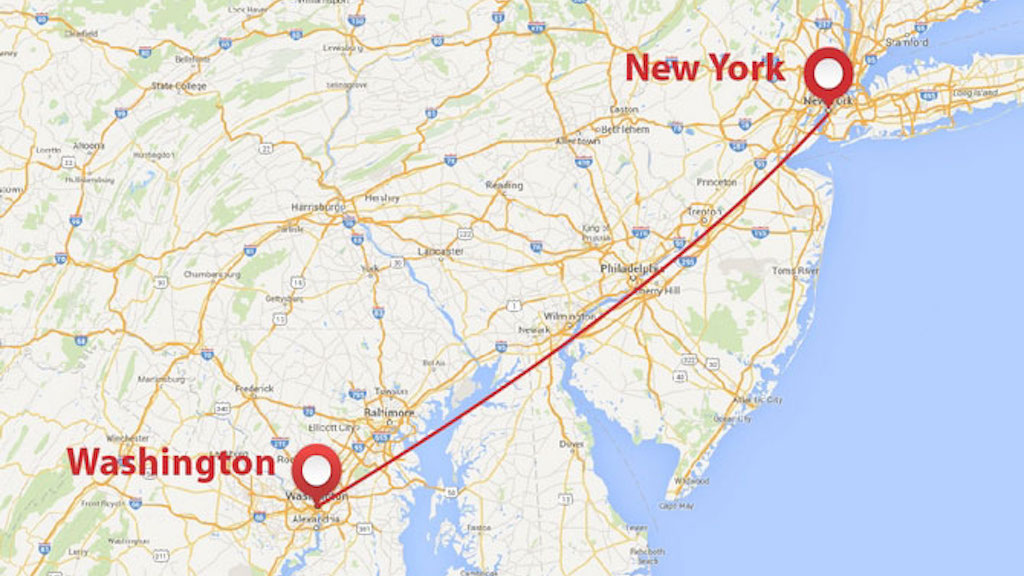
The Straight Answer: Geographic Distance
The direct driving distance between Washington D.C. and New York City is approximately 225 to 230 miles (about 362 to 370 kilometers), depending on your exact starting and ending points within each metropolitan area. This figure, however, is merely a baseline. Real-world travel times are subject to a multitude of factors, most notably traffic, the chosen mode of transportation, and any stops made along the way.
For instance, a car journey, while offering the most flexibility, can fluctuate wildly in duration. During off-peak hours, the drive might take a swift 3.5 to 4 hours. However, during rush hour, particularly around major cities like Baltimore, Philadelphia, and the entry points into New Jersey and New York City, this can easily extend to 5-6 hours or even longer. This variability makes planning crucial, especially for those on a tight schedule.
A Corridor of Connectivity: Why This Route Matters
The Washington D.C. to New York City route is not just a path; it’s a lifeline connecting two of the most influential cities in the United States. For business professionals, it’s a vital link between the political heart and the financial engine of the nation. Corporations often have offices in both cities, necessitating frequent travel for executives and teams.
For tourists, this corridor represents an unparalleled opportunity for a multi-city exploration. One can immerse themselves in the rich history and powerful monuments of D.C. before diving into the electrifying energy, diverse culinary scene, and world-class entertainment of NYC. The cultural exchange, the economic ties, and the sheer volume of people moving between these two hubs underscore the route’s significance in the American travel landscape. Understanding the distance is merely the first step; the true adventure lies in choosing how you wish to experience this dynamic connection.
Navigating the Northeast: Your Travel Options
Traveling between Washington D.C. and New York City offers a range of options, each with its own advantages in terms of speed, cost, and comfort. The choice often depends on your budget, schedule, and personal preferences, catering to various lifestyle needs from luxury travel to budget-conscious family trips.
By Rail: The Quintessential Northeast Experience
Traveling by train along the Northeast Corridor is arguably the most iconic and often the most convenient way to travel between D.C. and NYC. Amtrak offers several services, making it a popular choice for both business and leisure travelers.
The Acela Express is Amtrak’s high-speed service, designed for efficiency and comfort. It typically completes the journey in about 2.5 to 3 hours, offering a smooth ride with amenities like Wi-Fi, power outlets, and a café car. Business Class and First Class options provide more spacious seating and enhanced service, making it a favored choice for those on business stays or travelers seeking a more luxurious experience. Its speed makes it highly competitive with air travel when factoring in airport commute and security times.
The Northeast Regional service is a more budget-friendly option, making more stops and consequently taking a bit longer, usually 3.5 to 4 hours. While not as fast as the Acela, it still offers a comfortable journey with standard amenities. Both services boast the significant advantage of city-center access, with trains departing from D.C.’s historic Union Station and arriving at New York’s bustling Moynihan Train Hall and Penn Station. This eliminates the need for expensive and time-consuming airport transfers, making it a highly efficient option, especially for those staying at hotels or apartments near downtown areas. Booking tickets in advance is always recommended, particularly for peak travel times, to secure better fares.
By Road: Flexibility and Scenic Drives
Road travel offers a different kind of flexibility, suitable for family trips, group travel, or those who prefer to have their own vehicle at their disposal.
Driving yourself typically takes 4 to 6 hours, depending heavily on traffic conditions, particularly through Maryland, Delaware, Pennsylvania, and New Jersey. The primary route is Interstate 95 (I-95), a major artery that can be prone to congestion. Keep in mind that tolls are significant along this route, especially through the Delaware Memorial Bridge, the New Jersey Turnpike, and various tunnels or bridges entering NYC. Consider factoring in fuel costs, parking fees (which can be exorbitant in New York City), and potential car rental expenses if you don’t own a vehicle.
Bus services like MegaBus, Greyhound, and FlixBus provide an economical alternative. These services are often the cheapest way to travel, with fares sometimes as low as $15-$30 for a one-way trip if booked far in advance. The journey duration is typically 4.5 to 6 hours, similar to driving a car, but without the stress of navigating traffic or paying tolls. Buses usually offer Wi-Fi and power outlets, and they drop off passengers at central locations like Port Authority Bus Terminal in NYC. This option is ideal for budget travelers, students, or those who prioritize cost savings over speed.
By Air: The Fastest, But Is It Always Best?
While flying might seem like the quickest option at first glance, the reality of air travel between relatively close cities often paints a different picture. The actual flight time between D.C. and NYC is remarkably short, usually around 1 hour to 1 hour 15 minutes. However, this doesn’t account for the entire travel experience.
You must factor in the commute to and from airports, which can be substantial. D.C. is served by three major airports: Ronald Reagan Washington National Airport (DCA), Washington Dulles International Airport (IAD), and Baltimore/Washington International Thurgood Marshall Airport (BWI). New York City has John F. Kennedy International Airport (JFK), LaGuardia Airport (LGA), and Newark Liberty International Airport (EWR). All of these require significant travel time from city centers.
Furthermore, airport security checks, boarding procedures, and potential delays can easily add 2-3 hours to the overall journey. When you combine airport transfers (which can be expensive), security, and flight time, the total door-to-door travel duration often rivals or even exceeds that of the Acela Express. Cost-wise, flights can fluctuate wildly; sometimes, they are competitively priced, especially if booked far in advance, but they can also be significantly more expensive than train or bus tickets, particularly if booked last minute. Flying is generally recommended if you have connecting flights from one of these cities or if you find an exceptionally good deal and have ample time for airport logistics.
Beyond the Journey: What Awaits in DC and NYC
Once you’ve decided how to travel, the real excitement begins: exploring the unique offerings of Washington D.C. and New York City. Each city provides a distinct array of attractions, accommodation options, and lifestyle experiences.
Washington D.C.: A Capital of Culture and History
The nation’s capital is a treasure trove of history, politics, and culture, offering an unparalleled educational and inspiring experience. Most of its iconic landmarks are centrally located, making it easy for tourists to navigate, often on foot or using the efficient Metro system.
Landmarks and Attractions: The heart of D.C.’s appeal lies in the National Mall, a vast open space flanked by memorials, museums, and monuments. Here, you’ll find the majestic Lincoln Memorial, the solemn Vietnam Veterans Memorial, and the towering Washington Monument. The renowned Smithsonian Museums, including the National Museum of Natural History, the National Air and Space Museum, and the National Museum of American History, offer free admission and could easily fill days of exploration. A visit to the iconic White House and the impressive United States Capitol Building are also must-dos for anyone interested in American politics. Beyond the Mall, explore charming neighborhoods like Georgetown with its historic architecture and upscale boutiques, or the vibrant U Street Corridor, known for its live music venues and rich African American heritage.
Accommodation: D.C. offers a diverse range of accommodation options to suit every budget and style. For those seeking luxury travel, hotels like the Four Seasons Hotel Washington D.C. in Georgetown or The Hay-Adams with its stunning views of the White House, provide impeccable service and opulent suites. Mid-range options abound in areas like Dupont Circle and Farragut Square, offering comfortable stays close to attractions. For budget travelers or those looking for a long-term stay, serviced apartments and more economical hotels near Capitol Hill or along the Metro lines are readily available. When booking, consider amenities like free breakfast, Wi-Fi, and proximity to public transportation to enhance your experience.
New York City: The Epitome of Urban Excitement
New York City needs little introduction. It’s a city of superlatives, a vibrant metropolis that constantly reinvents itself, offering an endless array of experiences from world-class dining to groundbreaking art.
Landmarks and Attractions: The list of must-see places in NYC is seemingly infinite. Start with the iconic Times Square, a dazzling display of billboards and human energy. No trip is complete without seeing the Statue of Liberty and Ellis Island, symbols of American freedom and immigration. Marvel at the city from above at the Empire State Building or Top of the Rock Observation Deck. Find serenity in the sprawling green oasis of Central Park, or catch a world-renowned show on Broadway. Explore diverse neighborhoods like Greenwich Village for its bohemian charm, SoHo for its trendy boutiques, or Chinatown for an authentic cultural and culinary experience. Museums like The Metropolitan Museum of Art and the Museum of Modern Art (MoMA)) house invaluable collections that cater to all artistic tastes.
Accommodation: New York City’s accommodation landscape is as diverse as its population. For unparalleled luxury travel, consider the historic The Plaza Hotel overlooking Central Park, or the elegant St. Regis New York. Boutique hotels like The Standard, High Line offer unique experiences in vibrant neighborhoods. Apartments and extended stay options are popular for longer visits or family trips, providing more space and a local feel. You’ll find a wide range of hotel suites, resorts, and vacation rentals catering to every budget, from hostels in Brooklyn to upscale resorts in Manhattan. When comparing accommodation, always check reviews, amenities, and proximity to subway stations, which are essential for navigating the city.
Planning Your Perfect Northeast Adventure
Seamlessly blending the historical gravitas of Washington D.C. with the vibrant dynamism of New York City into a single trip requires thoughtful planning, especially concerning accommodation and daily activities.
Choosing Your Accommodation: From Luxury Resorts to Cozy Apartments
Your choice of accommodation can significantly impact your travel experience and overall budget. Both D.C. and NYC offer a spectrum of lodging options.
Hotels vs. Apartments: Hotels provide convenience with amenities like room service, concierge, and daily cleaning, suitable for short stays or business trips. Consider booking a hotel suite if you’re looking for extra space or traveling with family. For longer visits, or if you prefer a more independent experience, an apartment or serviced apartment often provides better value, especially with kitchen facilities that can help save on dining costs. Websites that offer booking and comparison tools can help you find the best deals and read reviews from other travelers. For those planning a long-term stay, many establishments offer discounted rates for extended periods.
Amenities and Location: Prioritize what matters most to you. Are you seeking a hotel with a gym and pool? Do you need pet-friendly options? Is complimentary Wi-Fi a must-have? In both cities, staying close to public transportation (the Metro in D.C., the subway in NYC) is crucial for efficient sightseeing and saving on taxi fares. Neighborhoods like Midtown Manhattan or Penn Quarter in D.C. offer central access to many attractions and transport hubs. For a more unique experience, consider boutique hotels or villas that offer a glimpse into local culture and design.
Budget vs. Luxury: Define your travel lifestyle. If you’re on a budget, look for hotels outside the immediate city center but still near public transport, or consider hostels and guesthouses. For luxury travel, explore five-star hotels and resorts that offer premium services and exclusive experiences. Many hotels cater specifically to business stays, offering meeting rooms and executive lounges, while others are perfect for family trips with kid-friendly amenities.
Essential Travel Tips and Experiences
Maximizing your visit to these metropolitan giants involves more than just knowing where to sleep.
Best Time to Visit: Spring (April-May) and Fall (September-October) offer the most pleasant weather for exploring both cities on foot, with vibrant foliage in the fall and blooming cherry blossoms in D.C. in the spring. Summer can be hot and humid, especially in D.C., while winters can be cold with occasional snow. Shoulder seasons often see fewer crowds and potentially lower accommodation prices.
Navigating Public Transport: Both cities boast excellent public transportation systems. Purchase a SmarTrip card for the D.C. Metro and a MetroCard for the NYC subway. These are indispensable for efficient and affordable travel, allowing you to bypass traffic and expensive parking. Familiarize yourself with subway maps and apps beforehand.
Experiencing Local Culture and Cuisine: Don’t just stick to the famous landmarks. Dive into the local food scenes – from Michelin-starred restaurants in NYC to diverse ethnic eateries in D.C.’s neighborhoods. Explore local markets, attend free events, and engage with the vibrant arts scenes. In D.C., catch a show at the Kennedy Center; in NYC, explore the myriad galleries in Chelsea or the live music in Lower East Side.

Making the Most of Multi-City Exploration
Combining D.C. and NYC into one trip offers a rich and varied travel experience, showcasing different facets of American life.
Itinerary Suggestions: A popular approach is to spend 3-4 days in Washington D.C. to absorb its historical sites and museums, followed by 4-5 days in New York City to experience its dynamic urban energy. Traveling between the two cities via the Acela Express is a highly recommended option for its speed and convenience.
Packing for Both: Be prepared for varied weather, as both cities can experience distinct seasonal changes. Comfortable walking shoes are a must, regardless of the time of year, as you’ll be doing a lot of exploring. Consider the dress codes for any specific attractions or fine dining experiences you plan to indulge in.
From calculating the miles to choosing the perfect boutique hotel or a long-term apartment stay, every aspect of your journey between Washington D.C. and New York City can be tailored to create an unforgettable travel experience. Whether you’re seeking cultural immersion, historical insights, thrilling nightlife, or serene park strolls, this bustling corridor promises an adventure for every type of traveler.
LifeOutOfTheBox is a participant in the Amazon Services LLC Associates Program, an affiliate advertising program designed to provide a means for sites to earn advertising fees by advertising and linking to Amazon.com. Amazon, the Amazon logo, AmazonSupply, and the AmazonSupply logo are trademarks of Amazon.com, Inc. or its affiliates. As an Amazon Associate we earn affiliate commissions from qualifying purchases.