
San Francisco, a city renowned for its iconic landmarks, vibrant culture, and breathtaking natural beauty, consistently ranks among the top travel destinations in the United States. From the majestic span of the Golden Gate Bridge to the historic depths of Alcatraz Island and the bustling energy of Fisherman’s Wharf, the city offers an unparalleled array of experiences for every type of traveler. However, like any major urban center, San Francisco has faced its share of media scrutiny regarding safety, leading many prospective visitors to ask: “Is it safe in San Francisco?”
This question is entirely valid and deserves a comprehensive, nuanced answer that goes beyond sensational headlines. As a premier resource for travel, accommodation, and lifestyle, we understand the importance of feeling secure and well-informed when planning a trip. Our goal is to provide a balanced perspective, equipping you with the knowledge and practical tips needed to enjoy a safe and memorable visit to this truly unique California gem. While concerns about homelessness, petty crime, and car break-ins are real and visible, they do not encompass the entire narrative of safety for tourists. With common sense precautions and an understanding of the city’s dynamics, most visitors experience a safe and enriching journey through the diverse neighborhoods and world-class attractions that define San Francisco.
Understanding Safety in San Francisco: Perception vs. Reality
The perception of safety in San Francisco can often be heavily influenced by media reports and anecdotal stories, which may not always reflect the full reality on the ground. It’s crucial for travelers to differentiate between what they see in headlines and the actual experiences of millions of visitors who safely explore the city each year.
The Media Narrative vs. On-the-Ground Experience
News coverage, by its very nature, tends to focus on incidents and challenges, sometimes painting an overly grim picture of urban environments. San Francisco has been particularly susceptible to this, with extensive reporting on issues such as visible homelessness, drug use, and certain types of property crime. While these are legitimate societal concerns that the city is actively working to address, they frequently overshadow the vibrant, welcoming atmosphere that permeates most tourist-friendly areas.
On the ground, the reality for the vast majority of tourists is one of awe and delight. Travelers flock to see the iconic Golden Gate Bridge, explore the historic Alcatraz Island, wander through the charming streets of Chinatown, and savor gourmet meals in countless acclaimed restaurants. These experiences occur daily without incident for countless individuals and families. The city’s innovative spirit, its breathtaking natural beauty framed by the Pacific Ocean, and its diverse cultural tapestry remain strong draws, attracting visitors from all corners of the globe. Choosing San Francisco as a destination means embracing a city that, despite its challenges, offers an unforgettable journey into North America’s unique blend of history, progress, and scenic wonder.
Crime Statistics: A Deeper Look
When examining safety, it’s helpful to look at crime statistics with a critical eye. San Francisco, like many large metropolitan areas, experiences various forms of crime. However, it’s important to distinguish between different types of offenses and their impact on tourists.
Property crime, particularly vehicle break-ins (often referred to as “smash-and-grabs”) and petty theft, has seen increases in recent years. These are the most common crimes affecting visitors, often targeting rental cars or distracted pedestrians in crowded areas. It’s a frustrating issue for residents and tourists alike, and the city has implemented measures to combat it. However, violent crime rates in San Francisco generally remain lower than national averages for similarly sized major cities. Most incidents of violent crime are not random acts against tourists and often occur in specific neighborhoods not typically frequented by visitors.
For those planning their travel and accommodation, understanding these distinctions is key. Choosing to stay in well-regarded tourist districts and adhering to practical safety measures significantly reduces the risk of encountering crime. While no city is entirely crime-free, San Francisco’s vibrant atmosphere and wealth of attractions continue to draw millions, most of whom leave with positive experiences and a desire to return. By staying informed and vigilant, you can confidently navigate the city and focus on enjoying its unparalleled charm and offerings.
Navigating San Francisco’s Neighborhoods: Where to Stay and Explore Safely
One of the most effective ways to ensure a safe trip to San Francisco is to understand its distinct neighborhoods and plan your travel, hotel bookings, and daily itineraries accordingly. The city is a mosaic of communities, each with its own character and safety profile.
Safer Districts for Tourists
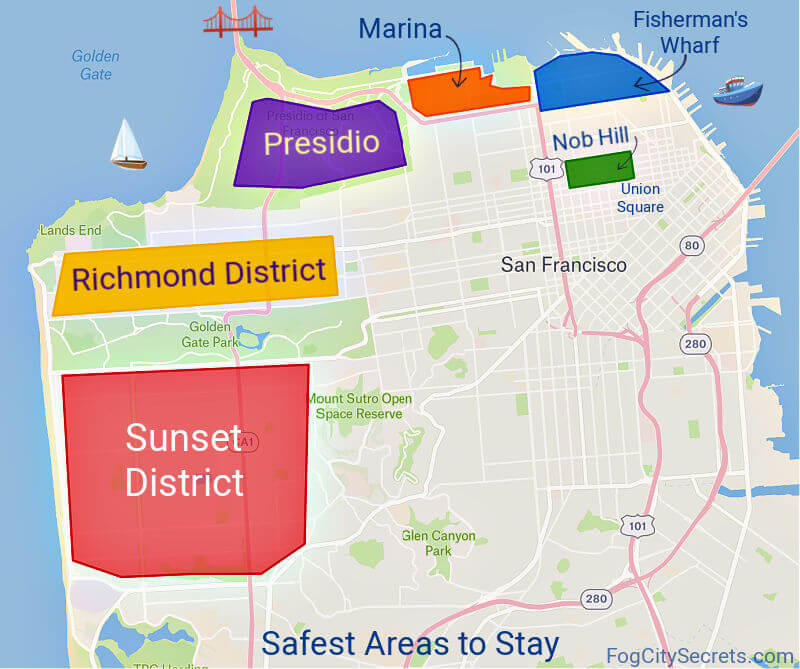
Fortunately, many of San Francisco’s most popular and iconic tourist areas are also among its safest. These districts typically boast high foot traffic, visible security presence, and a concentration of amenities catering to visitors.
- Union Square: This central hub is famous for its luxury hotels, high-end shopping, and vibrant cultural scene. It’s well-patrolled and generally very safe during the day and evening, making it an excellent base for accommodation.
- Fisherman’s Wharf & Pier 39: A bustling waterfront area, home to attractions like the sea lions, excellent seafood restaurants, and the departure point for Alcatraz Island tours. Due to its popularity, it has a strong security presence and is very safe for daytime exploration and evening dining.
- North Beach: Known as San Francisco’s Little Italy and the historic heart of the Beat Generation, North Beach is lively with cafes, restaurants, and nightlife. It’s generally safe, even at night, thanks to its vibrant atmosphere.
- Marina District: Offering stunning views of the Golden Gate Bridge and Alcatraz Island, the Marina District is a largely affluent residential area with charming boutiques and eateries. It’s known for its safety and pleasant strolls along the waterfront, leading to landmarks like the Palace of Fine Arts.
- Financial District & Embarcadero: Primarily business districts, these areas are bustling during weekdays and quieter at night and on weekends. They are generally safe, especially the Embarcadero waterfront promenade, which is popular for walking and jogging and offers views of the Transamerica Pyramid and the Bay Bridge.
- Nob Hill: Home to grand hotels and historic mansions, Nob Hill is an upscale and very safe neighborhood, offering panoramic city views.
- Presidio & Golden Gate Park: These expansive green spaces, including Presidio National Park and the larger Golden Gate National Recreation Area, are safe for daytime activities like hiking, biking, and visiting museums such as the California Academy of Sciences and the de Young Museum.
When booking accommodation, focusing on hotels in these districts can significantly enhance your sense of security. Always check recent reviews, particularly regarding neighborhood safety and hotel amenities like secure parking, if you plan to rent a car.
Areas Requiring Extra Caution
While the majority of San Francisco is safe, some areas do require a heightened level of awareness, particularly after dark. These are typically not primary tourist destinations but might be adjacent to or traversed by public transport routes.
- Tenderloin: Located just west of Union Square, the Tenderloin is often cited as the neighborhood with the most visible challenges, including homelessness, drug activity, and petty crime. While it has some cultural gems, most tourists are advised to avoid walking through it, especially at night. If you find yourself in the area, be extremely vigilant, move purposefully, and avoid engaging with individuals who may seem troubled.
- Parts of SOMA (South of Market): While a large and diverse district, certain industrial or less developed sections of SOMA can feel isolated and less safe at night. Stick to well-lit, populated streets.
- Peripheral areas of Mission District or Haight-Ashbury late at night: These vibrant neighborhoods are fantastic to explore during the day for their culture, food, and history. However, some blocks, particularly late at night, can feel less secure, especially if you’re alone. It’s best to use ride-shares or taxis if you’re out late.
It’s important to stress that “extra caution” doesn’t mean these areas are off-limits, but rather that awareness is paramount. For example, the Mission District is famous for its murals and culinary scene, and the Haight-Ashbury for its unique historical significance. Enjoy them during the day, but consider your transportation and visibility if you stay into the evening.
Public Transportation Safety
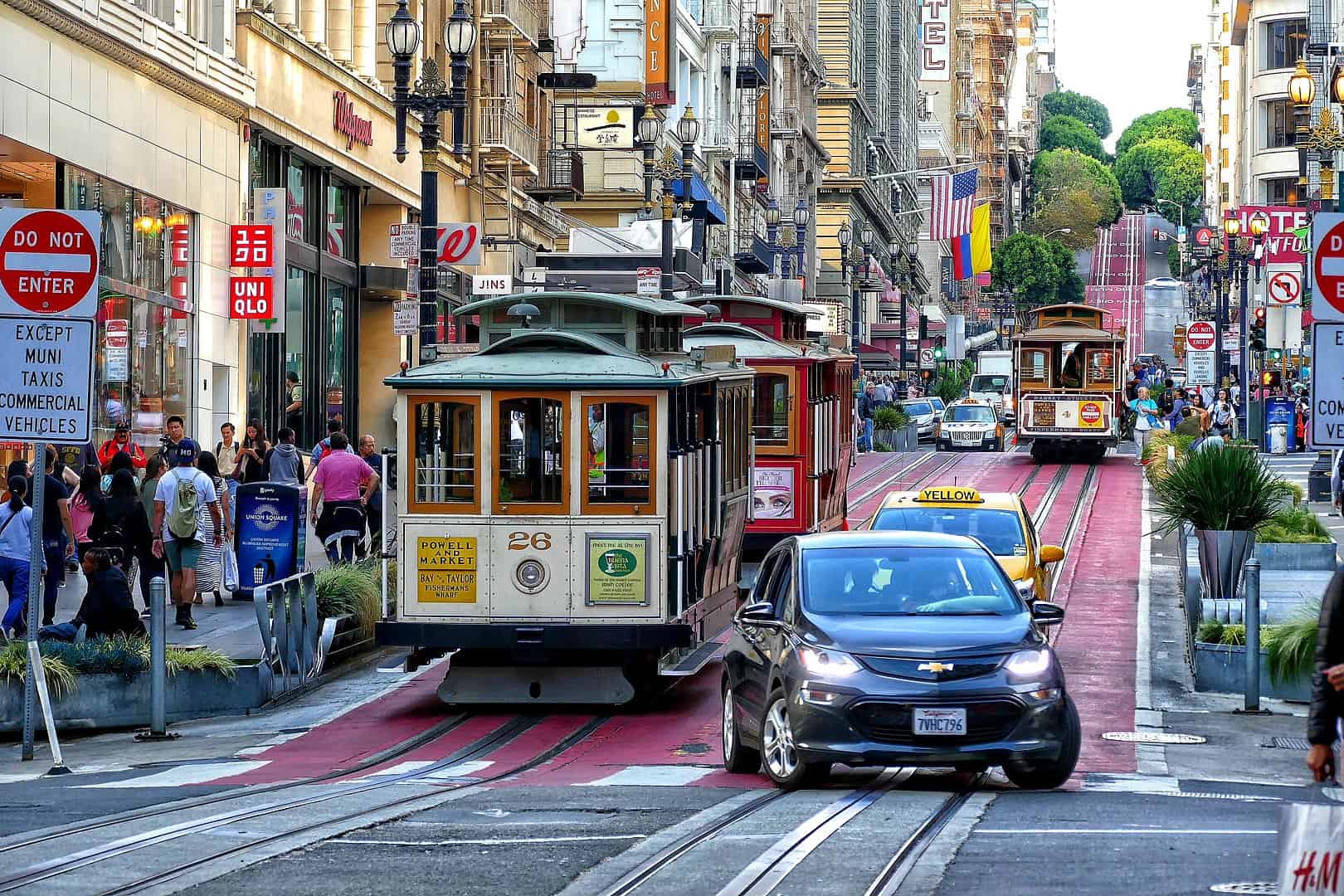
San Francisco’s public transportation system, primarily Muni (buses, streetcars, cable cars) and BART (Bay Area Rapid Transit, connecting San Francisco with Oakland, Berkeley, and beyond), is generally safe and efficient. It’s an excellent way to navigate the city without the hassle of driving and parking.
However, as with any public transit system in a major city, it’s wise to practice common-sense precautions:
- Be aware of your surroundings, especially during off-peak hours or late at night.
- Keep valuables secure and out of sight. Avoid leaving phones or wallets openly displayed.
- If a train car or bus feels unsafe, move to another one if possible.
- While most interactions are harmless, ignore individuals who may be disruptive.
Using public transport is an integral part of the local culture and offers a unique perspective on San Francisco’s daily life, connecting you easily to landmarks, museums like the Asian Art Museum or the Exploratorium, and diverse neighborhoods.
Common Concerns and Practical Safety Tips for Visitors
While San Francisco is generally safe for tourists, being prepared for specific types of common crime and knowing how to react can significantly enhance your experience and peace of mind.
Tackling Petty Theft and Pickpocketing
Petty theft and pickpocketing are the most frequently reported crimes affecting tourists in San Francisco. These incidents often occur in crowded tourist hotspots, on public transport, or at popular landmarks. Areas like Fisherman’s Wharf, Union Square, and even cable car stops are prime locations for opportunistic thieves.
Here are practical tips to mitigate your risk:
- Secure Your Belongings: Use bags with zippers or clasps, wear them across your body, and keep them in front of you. Avoid open-top bags or backpacks that are easily accessible.
- Wallet Placement: Store your wallet in a front pocket, not a back pocket, especially in crowded areas. Consider a money belt for passports and large sums of cash.
- Minimize Valuables: Don’t display expensive jewelry, cameras, or electronics unnecessarily. Keep your phone tucked away when not in use. If you’re a luxury traveler, be discreet. For budget travelers, this means not carrying all your cash in one place.
- Be Aware of Distractions: Thieves often work in teams, using distractions to divert your attention while another snatches your belongings. Be wary of anyone trying to distract you, bumping into you, or asking for directions in an overly pushy manner.
- Avoid Overpacking: Only carry what you need for the day. Leave passports, extra cash, and non-essential items secured in your hotel safe.
Preventing Car Break-Ins
Car break-ins, often targeting rental vehicles, are a persistent issue in San Francisco and throughout the Bay Area. These can happen quickly and in broad daylight, even in seemingly safe areas or near popular attractions. Thieves look for visible items, however small.
To protect your vehicle and belongings:
- Leave Nothing Visible: This is the golden rule. Absolutely nothing should be left visible in your car – not even charging cables, spare change, or empty bags. If a thief sees anything, they might assume there’s more.
- Trunk Policy: If you must store items in your trunk, do so before arriving at your destination and before parking. Never open your trunk, place items inside, and then walk away, as this signals to potential thieves that there are valuables in the car.
- Use Secure Parking: Whenever possible, park in well-lit, attended parking garages, even if it costs more. Avoid street parking, especially in less populated areas or overnight.
- Rental Car Appearance: If you’re driving a rental car, consider removing any rental stickers or keychains that might identify it as such, as rental cars are often targeted.
- Insurance Check: Review your car rental insurance policy to understand what is covered in case of a break-in.
Considering the prevalence of car break-ins, many visitors opt to forgo renting a car altogether, relying instead on San Francisco’s extensive public transportation network (Muni, BART), ride-sharing services, and taxis. This approach can alleviate stress and allow for a more immersive urban experience, from Union Square to the Castro.
Emergency Services and What to Do
Knowing how to access emergency services and what steps to take in a difficult situation is paramount for any traveler.
- Dial 911 for Emergencies: In case of an immediate threat, injury, or crime in progress, dial 911 (toll-free from any phone) to reach police, fire, or medical assistance. Clearly state your location and the nature of the emergency.
- Non-Emergency Police Reports: For non-urgent incidents (e.g., reporting a theft after the fact), you can contact the San Francisco Police Department’s non-emergency line or report online. Your hotel concierge can usually assist with this.
- Lost or Stolen Documents: If your passport is stolen, contact your country’s embassy or consulate immediately. The nearest major consulate presence for many nations will be in San Francisco, or potentially in nearby San Jose or Los Angeles.
- Travel Insurance: Consider purchasing travel insurance that covers theft, medical emergencies, and trip interruptions. This can provide a valuable safety net.
By being informed and prepared, you can navigate San Francisco with confidence, knowing you have a plan in place for any unforeseen circumstances.
Enhancing Your San Francisco Experience: Community Efforts and Responsible Tourism
Beyond individual precautions, it’s worth recognizing that San Francisco is actively working to address its challenges and enhance safety for both residents and visitors. Understanding these efforts and embracing responsible tourism practices can contribute to a more positive and secure environment for everyone.
Local Initiatives for a Safer City
The city government, police department, and local community organizations are continuously implementing strategies to improve public safety and address issues like homelessness and drug use. These initiatives include:
- Increased Police Presence: Particularly in high-traffic tourist areas and commercial districts, you’ll often see uniformed officers, aiming to deter crime and provide assistance.
- Community Ambassadors: Some areas have dedicated ambassadors or street teams that provide information, directions, and act as extra eyes and ears for public safety concerns.
- Homelessness and Mental Health Services: The city is investing in programs to provide housing, support, and services for its unhoused population, recognizing that addressing these root causes is crucial for overall public well-being.
- Cleanliness Campaigns: Efforts are underway to improve street cleanliness and maintenance, contributing to a more welcoming and aesthetically pleasing urban environment.
- Technological Solutions: Law enforcement uses surveillance technology and data analysis to identify crime patterns and deploy resources more effectively.
These ongoing efforts reflect San Francisco’s commitment to maintaining its reputation as a world-class travel destination and a great place to live. For travelers considering their lifestyle choices while visiting, whether it’s luxury travel or a family trip, these initiatives aim to provide a more secure and pleasant backdrop.
The Role of Responsible Tourism
As a visitor, you also play a part in fostering a safe and respectful environment. Embracing responsible tourism means:
- Respecting Local Communities: Be mindful of residents, their homes, and their daily lives. Avoid loud behavior, littering, or trespassing.
- Supporting Local Businesses: Your tourism dollars help sustain the local economy, which in turn supports community initiatives, job creation, and overall neighborhood vitality. From unique boutiques in Chinatown to artisan cafes in the Mission District, there are countless ways to engage with the local culture through commerce.
- Being a Good Witness: If you observe suspicious activity or witness a crime, report it to the authorities. Your vigilance can help keep others safe.
- Minimizing Your Impact: Practice Leave No Trace principles when enjoying San Francisco’s beautiful parks and natural areas, such as Golden Gate Park or the Presidio National Park.
Making the Most of Your Visit
With awareness and a few sensible precautions, San Francisco offers an incredibly rich and rewarding travel experience. Don’t let exaggerated fears deter you from exploring its unparalleled attractions, from the winding curves of Lombard Street to the panoramic views from Coit Tower, or the vibrant history of the Castro district.
Focus on the positive aspects that make San Francisco a truly bucket-list destination:
- World-Class Cuisine: Indulge in everything from Michelin-starred restaurants to diverse ethnic eateries.
- Cultural Attractions: Explore numerous museums, art galleries, and performance venues.
- Stunning Scenery: Enjoy the city’s unique geography, including hills, bay views, and ocean access. Consider a day trip to Sausalito for different views.
- Diverse Neighborhoods: Each district, from the historical depth of Chinatown to the bohemian spirit of Haight-Ashbury, offers a distinct atmosphere and attractions.
By being informed, vigilant, and respectful, you can navigate San Francisco safely and fully immerse yourself in all the incredible experiences this iconic city has to offer.
In conclusion, while concerns about safety in San Francisco are understandable given media portrayals, a balanced perspective reveals a city that is overwhelmingly safe and welcoming for tourists. Like any major urban center, it has its challenges, primarily concentrated in specific non-touristy areas and manifesting largely as property crime rather than violent crime against visitors.
By choosing reputable accommodation in well-trafficked tourist districts like Union Square, Fisherman’s Wharf, or the Marina District, exercising common-sense precautions against petty theft and car break-ins, and staying aware of your surroundings, you can significantly mitigate potential risks. Leveraging the efficient public transportation system and being mindful of areas that require extra caution, especially at night, will further enhance your security.
San Francisco remains a vibrant hub of culture, innovation, and natural beauty, offering unforgettable experiences from the Golden Gate Bridge to Alcatraz Island and beyond. The local community and city authorities are actively working to improve safety and the overall visitor experience. With informed planning and a positive attitude, you can confidently explore this magnificent California city and create memories that will last a lifetime. Prepare well, be aware, and get ready to fall in love with San Francisco.
LifeOutOfTheBox is a participant in the Amazon Services LLC Associates Program, an affiliate advertising program designed to provide a means for sites to earn advertising fees by advertising and linking to Amazon.com. Amazon, the Amazon logo, AmazonSupply, and the AmazonSupply logo are trademarks of Amazon.com, Inc. or its affiliates. As an Amazon Associate we earn affiliate commissions from qualifying purchases.