
Embarking on a journey across the United States, from the vibrant metropolis of New York to the sun-drenched shores of Los Angeles, is a quintessential American experience. While the idea of traversing the continent might conjure images of epic road trips, for most modern travelers, air travel is the most efficient and practical option. But precisely how long can you expect to be airborne, and what factors might influence your journey?
At its core, a direct flight from New York to Los Angeles typically clocks in at around 5.5 to 6.5 hours of airborne time. However, this figure is merely the time spent in the sky. A truly comprehensive answer requires delving into various elements that can extend or slightly shorten this duration, from the type of flight you choose to prevailing weather conditions and the logistical intricacies of air traffic control. This guide will explore these crucial details, providing insights to help you plan a smooth and enjoyable cross-country adventure. Whether you’re traveling for business, a family vacation, or a solo exploration, understanding these dynamics is key to maximizing your travel experience.

Unpacking the Flight Duration: Key Factors at Play
The advertised flight time is often an optimistic estimate of time in the air. Several variables contribute to the actual duration of your journey from the East Coast to the West Coast. Understanding these factors can help set realistic expectations and even inform your booking decisions.
Direct Flights vs. Connecting Flights
The most significant determinant of your total travel time is whether you opt for a direct flight or one with layovers.
- Direct Flights: As mentioned, these typically range from 5.5 to 6.5 hours from takeoff to landing. This is the fastest way to get from New York to Los Angeles. The slight variation within this range can be attributed to specific flight paths, minor air traffic adjustments, and atmospheric conditions.
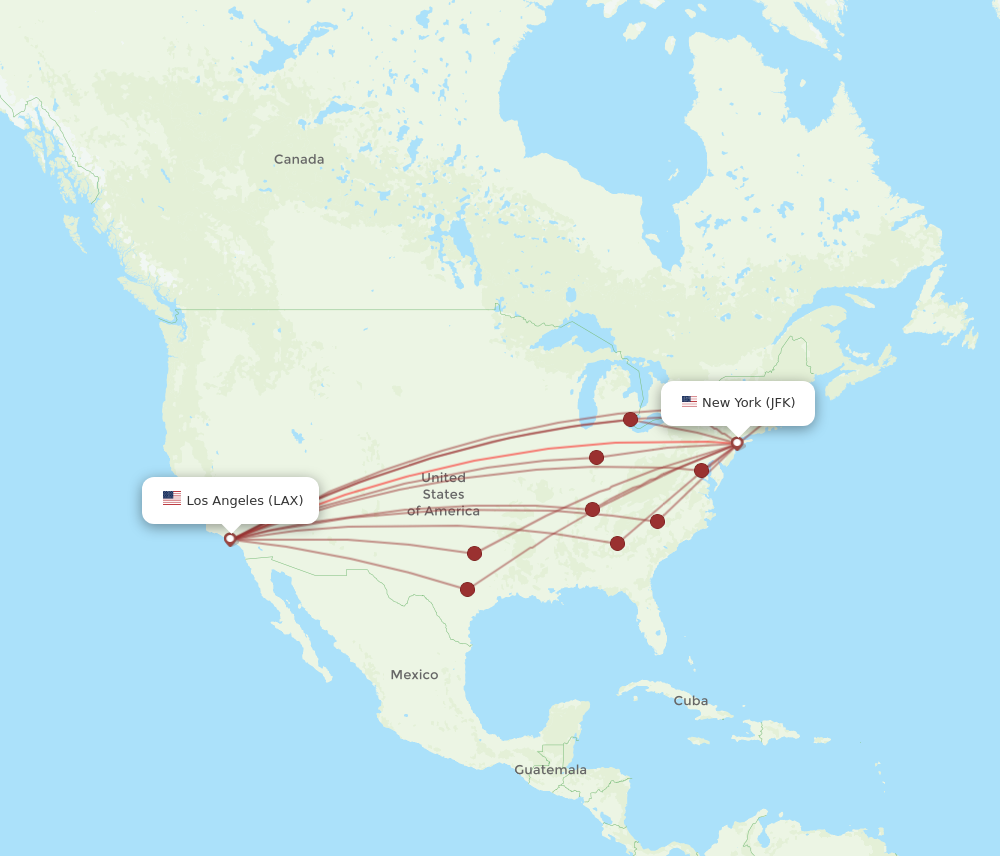
- Connecting Flights: If your itinerary includes a layover, your total travel time will increase substantially. A connecting flight means adding the duration of the first leg, the layover time (which can be anywhere from 1 to 5+ hours), and the duration of the second leg. Common layover cities for this route include major hubs like Chicago, Dallas, Houston, Denver, or Atlanta. Consequently, a connecting flight could easily extend your journey to 8-12 hours or even longer, depending on the connection time and the efficiency of the airports involved. While often more budget-friendly, the trade-off is a considerably longer day of travel.
Aircraft Type and Speed
The specific aircraft model used for your flight also plays a subtle role in determining speed and efficiency. Modern commercial jets are engineered for optimal performance over long distances, but slight variations exist.
- Common Aircraft: For transcontinental routes like NYC to LAX, you’ll typically find narrow-body jets such as the Boeing 737 and Airbus A320 family (including the A321), or larger wide-body aircraft like the Boeing 757, Boeing 777, or Airbus A330.
- Cruising Speed: These aircraft generally cruise at speeds between 500 and 600 miles per hour (800-965 km/h) at altitudes typically ranging from 30,000 to 40,000 feet.
- Winds: Perhaps more impactful than the subtle differences between aircraft models are the prevailing winds. Flights traveling from west to east (e.g., Los Angeles to New York) often benefit from strong tailwinds, pushed by the jet stream, which can significantly shorten the flight time—sometimes by as much as 30-60 minutes. Conversely, flights heading from east to west (like New York to Los Angeles) frequently encounter headwinds, which can add a similar amount of time to the journey. This is why the return flight might feel noticeably shorter.
Weather Conditions and Air Traffic Control
Even with the most advanced aircraft and optimal planning, external factors can influence flight duration.
- Weather: Adverse weather conditions, both at the departure or arrival airports and along the flight path, can cause delays. Strong storms, heavy snowfall, dense fog, or even significant turbulence can necessitate rerouting, slower speeds, or holding patterns, all of which extend the flight time. While pilots always aim for the safest and most efficient route, safety takes precedence.
- Air Traffic Control (ATC): New York and Los Angeles are two of the busiest airspaces in the world. High volumes of air traffic can lead to ground delays, longer taxi times, or airborne holding patterns as planes wait for their turn to land or take off. ATC manages thousands of flights daily, and even minor disruptions in one area can have ripple effects across the entire system, potentially adding minutes to your overall travel time.
Choosing Your Gateway: Airports and Airlines for the Cross-Country Hop
Navigating the logistics of your transcontinental flight involves more than just knowing the flight duration. Your choice of departure and arrival airports, as well as the airline, significantly impacts your overall journey experience, from convenience to comfort.
Departing from New York City’s Major Hubs
The New York metropolitan area is served by three major international airports, each offering distinct advantages:
- John F. Kennedy International Airport (JFK): As the busiest international gateway to the United States, JFK offers the most extensive selection of direct flights to Los Angeles and is often favored for cross-country routes due to its long runways and capacity. While it can be sprawling, its connectivity to Manhattan via the AirTrain and subway makes it accessible.
- Newark Liberty International Airport (EWR): Located in New Jersey but easily accessible from New York City via NJ Transit and AirTrain, EWR is a popular alternative. It often serves as a hub for certain airlines and can sometimes offer slightly less crowded terminals or more competitive pricing.
- LaGuardia Airport (LGA): Primarily serving domestic routes and undergoing a massive modernization, LGA is the closest airport to Manhattan. While it may not offer as many direct options to LAX as JFK or EWR, it’s a convenient choice for those whose itinerary allows for it, or for connecting flights where the initial leg is shorter.
When choosing your departure airport, consider your proximity, preferred airline, and ground transportation options to and from the airport, which can add significant time to your overall journey.
Arriving at Los Angeles International Airport (LAX) and Beyond
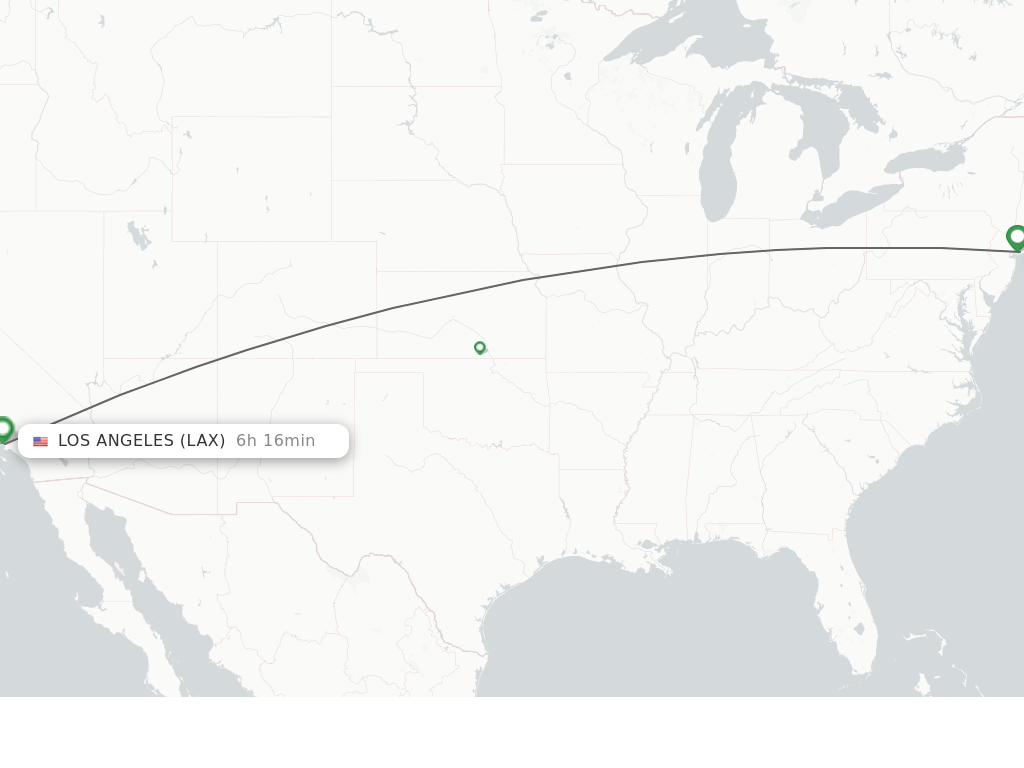
Upon arrival in Southern California, you’ll likely land at the massive Los Angeles International Airport (LAX), though smaller alternatives exist.
- Los Angeles International Airport (LAX): As the primary gateway to Los Angeles and the surrounding region, LAX is one of the busiest airports in the world. It’s a hub for numerous airlines and offers extensive ground transportation options (shuttles, ride-shares, rental cars). Be prepared for its size and potential for heavy traffic, especially during peak hours.
- Alternative Airports: For travelers heading to specific parts of Los Angeles or surrounding counties, considering smaller airports might offer a smoother experience, though direct flights from NYC are less common.
- Hollywood Burbank Airport (BUR): Located north of downtown, BUR is often praised for its ease of use and quicker transit times to parts of the San Fernando Valley and Hollywood.
- Long Beach Airport (LGB): Situated southeast of LAX, LGB offers a relaxed vibe and can be a good option for travelers heading to Long Beach or Orange County.
Popular Airlines for the Route
A variety of airlines compete on the New York to Los Angeles route, offering different amenities, price points, and schedules. Major carriers include:
- Legacy Carriers: United Airlines, Delta Air Lines, and American Airlines all offer frequent direct flights, often from their respective hubs (EWR for United, JFK for Delta and American). They typically provide various cabin classes, including economy, premium economy, business, and first class, catering to different comfort and lifestyle preferences.
- Budget and Hybrid Carriers: JetBlue Airways is known for its competitive pricing and often highly-rated economy experience, frequently flying direct from JFK. Alaska Airlines also offers a strong presence on this route, often celebrated for its customer service. Spirit Airlines and Frontier Airlines provide ultra-low-cost options, though with fewer included amenities.
When selecting an airline, consider not only the price but also the baggage allowance, in-flight entertainment, seat comfort, and overall reputation, especially for a flight of this duration.
Beyond the Flight: Maximizing Your Los Angeles Experience
Your journey doesn’t end when the plane touches down. To truly make the most of your cross-country trip, it’s essential to plan for your arrival in Los Angeles and consider the vibrant experiences awaiting you.
Planning for Arrival and Local Exploration in Los Angeles
Once your flight lands, the next phase of your travel begins. Los Angeles is a vast and diverse city, and preparing for your arrival can make a big difference.
- Ground Transportation: From LAX, you’ll have numerous options for getting to your final destination, whether it’s Beverly Hills, Santa Monica, Downtown LA, or Malibu. These include various shuttle services, ride-sharing apps (Uber/Lyft), taxis, public buses, and rental cars. Given the sprawling nature of Los Angeles, a rental car often provides the most flexibility for exploring, though traffic can be a major consideration.
- Time Difference and Jet Lag: Remember that Los Angeles operates on Pacific Time, which is three hours behind New York’s Eastern Time. This time difference can lead to jet lag. To minimize its effects, try to adjust your sleep schedule a few days before you fly, stay hydrated during the flight, avoid excessive caffeine and alcohol, and expose yourself to natural light upon arrival in LA.
- Exploring Los Angeles’s Iconic Landmarks and Culture: Once settled, Los Angeles offers an incredible array of attractions and experiences, aligning perfectly with the website’s focus on tourism and landmarks.
- Walk among the stars on the Hollywood Walk of Fame and snap a photo of the iconic Hollywood Sign.
- Visit the Griffith Observatory for stunning panoramic views of the city skyline and the cosmos.
- Relax on the beaches of Santa Monica, stroll along the famous Santa Monica Pier, or soak in the bohemian vibe of Venice Beach.
- For theme park enthusiasts, Disneyland Park in nearby Anaheim is a must-visit, offering magical experiences for all ages.
- Explore diverse neighborhoods, from the luxury boutiques of Beverly Hills to the vibrant arts scene of Downtown LA and the scenic coastal beauty of Malibu.
- Indulge in Los Angeles’ renowned culinary scene, which ranges from high-end dining to innovative food trucks, reflecting the city’s diverse cultural tapestry.
Planning Your Stay: Accommodation and Essential Travel Tips
A comfortable and well-planned trip extends beyond the flight itself. Choosing the right accommodation and preparing with essential travel tips are crucial for a seamless experience in Los Angeles.
Accommodation Choices: From Luxury to Budget
Los Angeles offers an incredibly diverse range of accommodation options to suit every budget and lifestyle preference, aligning perfectly with our website’s comprehensive coverage of hotels, resorts, apartments, and villas.
- Luxury Hotels and Resorts: For those seeking a lavish experience, Beverly Hills and West Hollywood boast iconic establishments like The Beverly Hills Hotel or the Waldorf Astoria Beverly Hills, offering unparalleled service, exquisite amenities, and often rooftop pools with stunning views. Upscale resorts can also be found along the coast, providing a serene escape.
- Boutique Hotels: Throughout areas like Silver Lake, Downtown LA, and Venice Beach, numerous boutique hotels offer unique designs, personalized service, and a more intimate atmosphere, reflecting the local culture.
- Budget-Friendly Options: Travelers on a tighter budget will find a wide selection of chain hotels, motels, and hostels across the city, particularly in areas further from prime tourist spots. Booking in advance and considering locations with good public transportation access can yield significant savings.
- Vacation Rentals and Apartments/Villas: For families, groups, or those seeking a more home-like experience, platforms offering apartments or villas for short or long-term stays are incredibly popular. These options often come with kitchens and more living space, providing flexibility and convenience.
When choosing your accommodation, consider its proximity to your planned activities, available amenities (like parking or a pool), and reviews from previous guests to ensure it meets your expectations for comfort and convenience.
Essential Travel Tips for a Smooth Journey
A successful cross-country trip involves more than just booking a flight and a place to stay. Thoughtful preparation can make your journey significantly smoother.
- Book in Advance: Especially for peak seasons or holidays, securing your flights and accommodation well in advance can lead to better prices and wider availability. This also applies to popular attractions or rental cars in Los Angeles.
- Packing Smart: For a long flight, comfortable clothing is a must. Consider layers as cabin temperatures can vary. Pack essentials like a travel pillow, eye mask, earplugs, and any necessary medications in your carry-on bag. Don’t forget chargers for your electronic devices and perhaps a portable power bank. Given Los Angeles’ varied climate, pack light layers and sunscreen.
- Stay Hydrated and Nourished: Airport and in-flight environments can be dehydrating. Drink plenty of water before, during, and after your flight. While airlines offer food and beverages, bringing your own snacks can ensure you have options that suit your dietary preferences and save money.
- In-Flight Entertainment: Although most major airlines offer in-flight entertainment systems, having your own loaded tablet, e-reader, or books can be a lifesaver, especially if the system malfunctions or doesn’t offer content you enjoy.
- Airport Security: Arrive at the airport with ample time, especially when departing from busy hubs like JFK, EWR, or LGA. Be familiar with TSA guidelines for carry-on liquids and prohibited items to expedite the security process.
- Digital Tools: Utilize airline apps to track flight status, gate changes, and boarding times. Many apps also offer mobile boarding passes, reducing the need for paper documents.
In conclusion, while the core airborne time for a direct flight from New York to Los Angeles hovers around 5.5 to 6.5 hours, the total journey is a mosaic of factors. From choosing between direct and connecting flights to navigating busy airports and adjusting to time zones, every element contributes to your overall travel experience. By understanding these components and planning meticulously, you can ensure your cross-country trip is not just a transfer, but a seamless and enjoyable part of your adventure. Whether you’re chasing the Hollywood dream, exploring vibrant neighborhoods, or simply enjoying the California sunshine, a well-prepared journey sets the stage for an unforgettable visit to Los Angeles.
LifeOutOfTheBox is a participant in the Amazon Services LLC Associates Program, an affiliate advertising program designed to provide a means for sites to earn advertising fees by advertising and linking to Amazon.com. Amazon, the Amazon logo, AmazonSupply, and the AmazonSupply logo are trademarks of Amazon.com, Inc. or its affiliates. As an Amazon Associate we earn affiliate commissions from qualifying purchases.