
When planning a hotel stay, especially for holidays or extended travel, understanding the various meal plan options is crucial for making an informed decision that aligns with your budget, itinerary, and desired experience. Among the common choices, “Half Board” frequently appears, offering a compelling middle ground between simply a room and a fully inclusive package. This comprehensive guide will delve deep into what half board entails, its benefits, ideal scenarios for choosing it, and how it compares to other popular accommodation arrangements, ensuring you can confidently select the perfect option for your next adventure.
Understanding the Half Board Concept
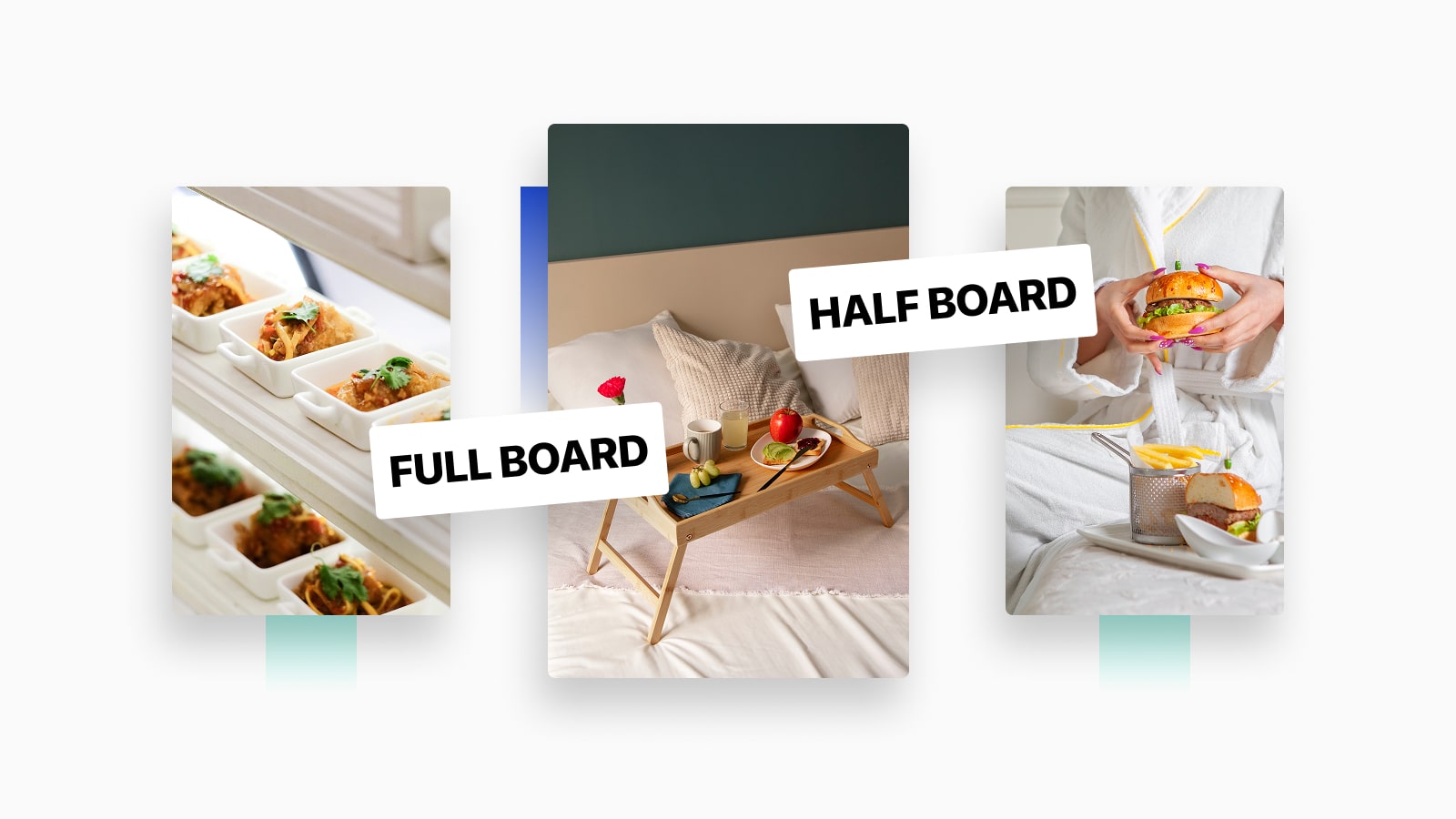
At its core, a half board arrangement in a hotel signifies that your booking includes two main meals per day: breakfast and dinner. This plan is designed to offer a significant level of convenience without restricting your daytime activities or forcing you into a single dining environment for all your meals.
Defining the Core Offering
The term “half board” is widely recognized across the global tourism industry, from boutique hotels in Europe to sprawling resorts in Asia. Primarily, it means that your nightly rate covers:
- Breakfast: Typically a buffet-style meal, offering a wide array of options ranging from continental spreads with pastries, cereals, fruits, and yogurts to hot dishes like eggs, bacon, and sausages. Coffee, tea, and juices are almost always included.
- Dinner: This can vary significantly based on the hotel’s standard and style. It might be a buffet, a set menu (table d’hôte), or occasionally an allowance towards an à la carte meal in one of the hotel’s restaurants. The specific format often depends on the size and luxury level of the establishment. For example, a Four Seasons hotel might offer a gourmet set menu, while a family-friendly resort in Spain could feature extensive buffet options catering to diverse tastes.
The emphasis is on providing substantial meals at the start and end of your day, giving you energy for your travel activities and a relaxing evening dining experience. This structure is particularly popular in holiday destinations where guests spend their days exploring or relaxing by the pool.
Key Inclusions and Exclusions
While breakfast and dinner are always included, it’s vital to understand what typically isn’t, as this can impact your overall budget travel or luxury travel plans.
- Lunch: This is the most significant exclusion. With a half board package, you are expected to arrange your own lunch. This offers immense flexibility, allowing you to try local eateries, grab a quick snack on the go while sightseeing at a landmark like the Eiffel Tower in Paris, or enjoy a light meal at a beachside café in the Caribbean.
- Beverages with Dinner: This is a crucial point to clarify with your hotel. In most half board packages, dinner drinks – including soft drinks, alcoholic beverages (wine, beer, spirits), and even bottled water – are not included and will be charged extra. Exceptions exist, particularly in some higher-end or lifestyle hotels that might include basic non-alcoholic drinks. Always confirm the specific beverage policy at the time of booking or check-in to avoid surprises on your final bill.
- Snacks and Mini-bar Items: Any snacks, items from the mini-bar, room service orders, or additional meals consumed outside of the designated breakfast and dinner times are typically charged separately.
- Specialty Restaurants: If the hotel has multiple dining venues, your half board might only cover meals in the main buffet or designated restaurant. Dining at specialty à la carte restaurants could incur an additional charge or allow for a credit against the cost.
Understanding these inclusions and exclusions allows you to plan your daily expenses more accurately and appreciate the flexibility that half board provides.
The Strategic Advantages of Choosing Half Board
Opting for a half board meal plan brings several compelling benefits that cater to various types of travelers and experiences. It strikes an appealing balance between convenience, cost control, and the freedom to explore.
Balancing Budget and Culinary Exploration
One of the primary advantages of half board is its ability to help you manage your travel budget effectively. By pre-paying for breakfast and dinner, you lock in a significant portion of your food expenses, providing predictability to your holiday costs. This can be particularly beneficial in popular tourist destinations like Rome or Venice, where dining out for every meal can quickly become expensive. Knowing that your two main meals are taken care of allows you to allocate your remaining budget to other activities, souvenirs, or perhaps a more extravagant lunch experience.
Crucially, half board doesn’t trap you into the hotel for all meals. The exclusion of lunch is often seen as a benefit, encouraging guests to venture out and discover local cuisine. Whether it’s enjoying fresh seafood at a taverna in Greece, savoring street food in Thailand, or having a leisurely café lunch overlooking the Colosseum in Italy, half board facilitates these authentic local culture and food experiences. This balance is ideal for those who appreciate the convenience of hotel dining but also crave the gastronomic adventure of their chosen destination.
Enhancing Travel Flexibility and Sightseeing
For travelers eager to explore, half board offers a superior level of flexibility compared to full board or all-inclusive options. With only breakfast and dinner tied to the hotel, your daytime schedule remains largely unencumbered. This is invaluable for:
- Sightseeing and Excursions: You can plan full-day excursions without worrying about returning to the hotel for lunch. Imagine taking a day trip from London to Stonehenge or exploring the ancient wonders of Petra in Jordan; you’re free to eat wherever your journey takes you.
- Spontaneous Plans: Half board allows for spontaneity. You might stumble upon a charming local market offering delicious snacks, or decide to extend your time at a beach or a museum without feeling pressured by a pre-paid lunch.
- Business Stays: For business travelers who might have lunch meetings or prefer to eat out with clients, half board provides a good balance, ensuring breakfast and dinner are covered at the hotel while leaving daytime meals open for business needs or networking.
This freedom allows for a richer, more immersive travel experience, enabling you to tailor each day to your interests without feeling tethered to your accommodation.
Convenience Without Compromise
While offering flexibility, half board doesn’t skimp on convenience. Having breakfast and dinner sorted at your hotel eliminates the daily decision-making process for these meals, which can be particularly welcome after a long day of exploring or relaxing.
- Stress-Free Mornings: Wake up, head to the restaurant, and enjoy a nourishing breakfast without searching for a café or grocery store. This is especially helpful for family trips with children or when you have an early start planned.
- Relaxing Evenings: After a day of activities, the convenience of simply walking to the hotel restaurant for dinner is a significant comfort. It removes the need to research restaurants, make reservations, or navigate unfamiliar streets after dark. This is particularly appreciated in resort areas or locations where dining options might be limited, or transportation is not readily available.
- Safety and Comfort: For solo travelers or those unfamiliar with a destination, knowing that a safe, comfortable, and often high-quality dining option awaits them at their hotel for dinner can provide peace of mind.
Essentially, half board delivers the best of both worlds: structured convenience for key meals and ample freedom to shape your day as you wish, fostering a more personalized and enjoyable holiday.
When Half Board is Your Best Accommodation Choice
Deciding on the optimal meal plan hinges on several factors, including your chosen destination, your travel style, and who you’re traveling with. Half board often emerges as the ideal choice in specific scenarios.

Ideal Destinations and Travel Styles
Half board truly shines in destinations where daytime exploration is a key part of the experience, or where local dining for lunch is a highlight.
- City Breaks: When visiting vibrant cities like New York, Tokyo, or Dubai, you’ll likely be out and about all day, visiting landmarks, museums, and shopping districts. A half board plan allows you to start the day with a solid breakfast and return for a relaxing dinner, while leaving your lunch plans open to grab a quick bite from a street vendor, a café, or a restaurant specific to the area you’re exploring. This setup is perfect for integrating with the local culture and experiencing the city’s diverse food scene.
- Beach Holidays with Exploration Potential: Many popular beach destinations such as the Algarve in Portugal, the Balearic Islands of Spain, or coastal towns in Croatia offer stunning beaches alongside charming towns and historical sites worth exploring. A half board plan means you can spend your mornings relaxing on the sand, enjoy a light lunch at a beach bar, and then head back to the hotel for dinner, or embark on an afternoon excursion without missing a pre-paid meal.
- Touring Holidays: If your itinerary involves significant daily travel between different locations or extensive sightseeing, half board provides the necessary fuel without tying you down to a single location for lunch. This is particularly useful for organized tours or road trips through scenic regions like the Scottish Highlands or the Italian Dolomites.
Tailoring to Different Traveler Preferences
Half board is remarkably versatile, appealing to a broad spectrum of travelers with varying needs and desires.
- Couples and Solo Travelers: Individuals or couples seeking a romantic getaway or a peaceful escape often find half board ideal. It offers intimate dinners at the hotel but the freedom to discover local cafes and restaurants during the day. This balance suits those who want a blend of relaxation and adventure.
- Families with Older Children: While family trips with very young children might sometimes benefit from all-inclusive, families with older kids or teenagers often appreciate half board. It allows them the flexibility to try different lunch spots that cater to various tastes and activity schedules, perhaps enjoying a quick pizza slice one day and a sit-down meal the next, all while ensuring that essential breakfast and dinner are covered and convenient.
- Those Conscious of Budget: As discussed, half board provides excellent value, managing costs without sacrificing the opportunity to experience the local food scene. It’s often a more affordable option than full board or all-inclusive, yet more convenient than room-only, making it a smart choice for budget-conscious travelers who still desire comfort and structured dining.
- Food Enthusiasts: For those whose travel experiences are heavily influenced by culinary exploration, half board is a perfect fit. It guarantees two meals but crucially leaves lunch open for hunting down specific local delicacies, visiting food markets, or participating in a cooking class, enriching the overall gastronomic journey. For instance, in Mexico, a half board stay allows for discovering authentic taco stands during the day while enjoying the hotel’s evening offerings.
In essence, if you desire a mix of hotel convenience and external exploration, particularly when it comes to dining, half board often presents itself as the most judicious and enjoyable choice.
Navigating Other Hotel Meal Plans: A Comparative Look
Understanding half board is best achieved by comparing it to other prevalent hotel meal plans. Each option caters to different traveler preferences and destination types, influencing your overall holiday experience and budget.
Half Board vs. Bed and Breakfast (B&B)
- Bed and Breakfast (B&B): As the name suggests, this plan includes only your room and breakfast.
- Pros of B&B: Offers maximum flexibility for lunch and dinner. Ideal for city breaks, business stays, or destinations with a vibrant and diverse dining scene where you want to eat out for every meal. Often the most budget-friendly option upfront.
- Cons of B&B: Requires you to plan and pay for two meals daily, which can add up quickly and consume valuable sightseeing time searching for restaurants.
- When Half Board is Better: When you want the convenience of having dinner sorted after a long day of exploration, or if dining options outside the hotel for dinner are limited or expensive. Half board offers more value if you consistently dine at the hotel in the evenings.
Half Board vs. Full Board
- Full Board: This plan includes breakfast, lunch, and dinner, typically served in the hotel’s main restaurant. Beverages are usually extra, similar to half board.
- Pros of Full Board: All three main meals are covered, providing extensive convenience and predictability of food costs. Good for travelers who prefer to spend most of their time at the hotel or resort.
- Cons of Full Board: Offers less flexibility for daytime excursions or dining out. You might find yourself rushing back to the hotel for lunch, or “losing” a pre-paid meal if you eat out. Can feel restrictive.
- When Half Board is Better: If you plan on doing a lot of sightseeing, day trips, or want to experience local lunch spots, half board is superior. Full board is best suited for resort holidays where the primary aim is relaxation within the hotel grounds, such as a Marriott or Hilton property focused on on-site amenities.
Half Board vs. All-Inclusive
- All-Inclusive: This is the most comprehensive plan, covering breakfast, lunch, dinner, snacks, and typically an unlimited selection of local alcoholic and non-alcoholic beverages. Some luxury all-inclusive packages might also include premium drinks, activities, and entertainment.
- Pros of All-Inclusive: Ultimate convenience and budget predictability, as virtually everything is paid for upfront. Ideal for complete relaxation, family holidays with young children, or destinations where leaving the resort for food is less appealing (e.g., remote resorts in Mexico or the Dominican Republic).
- Cons of All-Inclusive: Can be significantly more expensive. Discourages exploration and experiencing local cuisine as you’ve already paid for meals at the hotel. Food quality can sometimes be mass-produced.
- When Half Board is Better: If you want to sample local restaurants, explore your destination extensively, or prefer higher-quality, curated dining experiences rather than a buffet for every meal. Half board offers better value if you’re not planning to consume a lot of alcohol or snacks throughout the day.
Half Board vs. Room Only (RO) / Self-Catering
- Room Only (RO) / Self-Catering: With RO, you only pay for the room, with no meals included. Self-catering typically refers to apartments or villas with kitchen facilities, allowing you to cook your own meals.
- Pros of RO/Self-Catering: Maximum freedom and flexibility for all meals. Can be the most cost-effective option if you’re diligent about shopping and cooking, or if you prefer to eat out cheaply. Ideal for long-term stays or those with dietary restrictions.
- Cons of RO/Self-Catering: Requires the most planning, effort, and time for meal preparation or finding restaurants for every meal. Can actually end up being more expensive if you frequently eat out at higher-end places.
- When Half Board is Better: When you want a holiday from cooking and daily meal planning, or if you prefer the convenience and service of hotel dining for your main meals. Half board strikes a balance, providing structure without completely removing the option for external culinary experiences, unlike full self-catering.
By considering these comparisons, you can clearly see that half board occupies a unique and often advantageous position, offering a compelling blend of value, convenience, and flexibility for a wide array of travel experiences.
Maximizing Your Half Board Experience
To truly make the most of your half board choice, a little forethought and strategic planning can significantly enhance your overall holiday satisfaction and value.
Researching Your Hotel and Destination
Before booking a half board package, take the time to do some homework.
- Hotel Dining Options: Investigate the specific hotel’s dining setup. Does it primarily offer a buffet for dinner, or are there à la carte options? Are beverages included (highly unlikely for dinner, but worth a double-check)? Are there different restaurants where your half board can be used, or is it restricted to one? Reading recent reviews on sites like TripAdvisor or checking the hotel’s official website can provide crucial insights. For example, some resorts in the Mediterranean region are renowned for their elaborate half board buffets, while others might offer a more intimate, set-menu experience.
- Local Lunch Scene: Research the local cuisine and lunch options around your hotel or in the areas you plan to visit. Are there street food markets, charming cafes, or specific regional dishes you want to try? Knowing this in advance helps you get excited about your daytime meals and prevents you from feeling lost when lunchtime rolls around. If you’re staying near a major landmark like Machu Picchu in Peru, research nearby towns like Aguas Calientes for suitable lunch stops.
- Transportation: Consider how easy it is to get to external restaurants for lunch. If your hotel is isolated, you might end up relying on expensive hotel snacks or taxis to find lunch, which could negate some of the half board’s cost-saving benefits.
Embracing Local Flavors for Lunch
The beauty of half board lies in the freedom it grants for lunch. Make the most of this by truly diving into the local food scene of your chosen destination.
- Try Street Food: Many cities and towns globally offer incredible and affordable street food. From tacos in Mexico City to spring rolls in Hanoi, these can be some of the most authentic and memorable culinary experiences.
- Visit Local Markets: Farmers’ markets or local food markets are fantastic places to pick up fresh produce, cheeses, baked goods, and prepared snacks for an impromptu picnic. This is a great way to save money and experience the rhythm of local life.
- Dine at Non-Tourist Spots: Venture a few streets away from the main tourist attractions to find eateries frequented by locals. These often offer better value and more authentic flavors. Ask hotel staff or locals for their recommendations – these tips are invaluable.
- Pack a Snack Bag: Especially for family trips or long excursions, having some granola bars, fruit, or small snacks purchased from a local grocery store can tide you over between meals and prevent impulse buys of overpriced snacks at tourist traps.

Staying Hydrated and Mindful of Extras
While half board covers your main meals, remember the common exclusions to keep your budget in check.
- Beverages: Always assume dinner beverages are extra unless explicitly stated otherwise. Factor this into your nightly dining budget. Consider purchasing bottled water or soft drinks from a local supermarket to keep in your room, which can be much cheaper than hotel mini-bar prices.
- Alcohol: If you enjoy alcoholic drinks with dinner, be aware that these will be added to your bill. Some hotels might offer drinks packages or happy hour specials that could be more economical than paying for individual drinks.
- Tipping Culture: Understand the local tipping culture. While tips for meals might be included in some places, in others, a gratuity for good service is expected, even with a pre-paid meal plan.
- Flexibility with Dinner Times: Half board dinners often have specific service hours. Ensure these align with your evening plans. If you anticipate a very late return from an excursion, check if the hotel offers late dining options or a packed meal alternative, though this is rare for half board.
By keeping these tips in mind, you can fully leverage the advantages of a half board plan, enjoying both the structured comfort of your hotel and the exciting culinary adventures that your chosen destination has to offer. It’s a smart choice for the discerning traveler seeking a balanced and enriching holiday experience.
LifeOutOfTheBox is a participant in the Amazon Services LLC Associates Program, an affiliate advertising program designed to provide a means for sites to earn advertising fees by advertising and linking to Amazon.com. Amazon, the Amazon logo, AmazonSupply, and the AmazonSupply logo are trademarks of Amazon.com, Inc. or its affiliates. As an Amazon Associate we earn affiliate commissions from qualifying purchases.