
New York City, often hailed as the world’s most vibrant metropolis, a beacon of culture, commerce, and innovation, attracts millions of visitors annually. Travelers flock to witness its iconic landmarks like the Statue of Liberty, explore world-class museums, indulge in diverse culinary experiences, and immerse themselves in its unique lifestyle. Yet, beneath the glittering facade of skyscrapers and bustling avenues, New York grapples with a complex social challenge: homelessness. Understanding the scope and impact of this issue is not only crucial for residents but also offers a deeper, more nuanced perspective for those who travel to and experience the city. For any visitor, gaining insight into the realities faced by some of its most vulnerable populations can enrich their understanding of the city’s true character, moving beyond curated tourism narratives to appreciate the full spectrum of urban life.

Understanding the Scope: The Numbers Behind Homelessness in New York City
New York City faces a homelessness crisis of significant proportions, distinguishable from many other major cities in the United States due to its unique “Right to Shelter” mandate. This legal precedent, established through a series of court decisions, guarantees a right to shelter for every eligible homeless person in the city. While this provides a vital safety net, it also means that New York City has one of the largest sheltered homeless populations in the nation, alongside a visible, though smaller, unsheltered population.
The Latest Statistics and Trends
The sheer scale of homelessness in New York City is staggering. According to the most recent data released by the Department of Homeless Services (DHS), the number of people sleeping in the municipal shelter system consistently hovers around 80,000 to 100,000 individuals on any given night. This figure fluctuates but generally includes a significant percentage of families with children, single adults, and youth. The Coalition for the Homeless, a leading advocacy organization, frequently publishes up-to-date statistics that underscore the severity of the situation. For instance, in recent years, the average number of homeless single adults sleeping in shelters each night has often exceeded 20,000, while families with children can account for over 50,000 individuals, including tens of thousands of children. These numbers represent not just statistics but individual lives impacted by profound insecurity, living in temporary accommodations within the city’s vast shelter system.
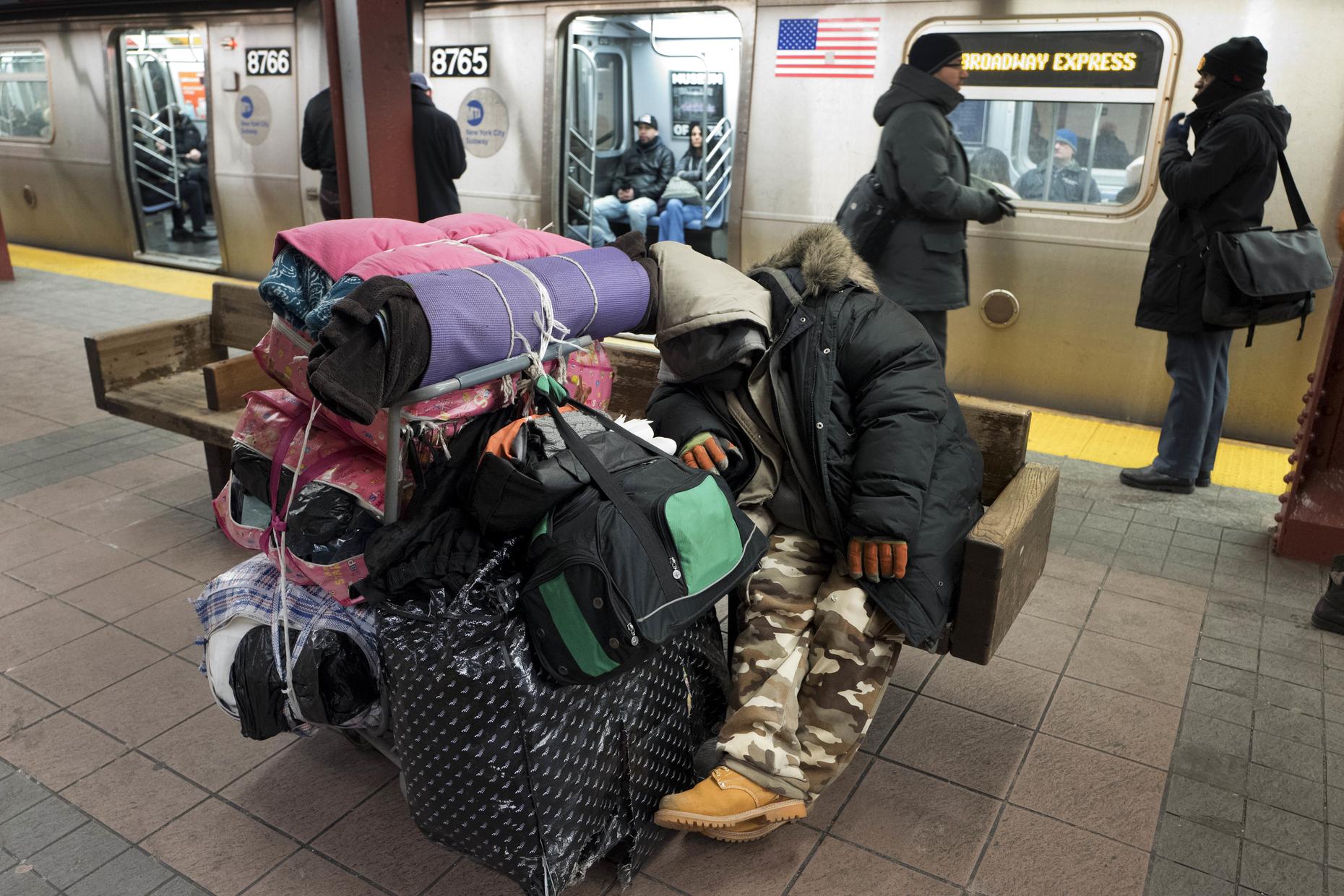
Beyond the sheltered population, there are also individuals living unsheltered on the streets, in the subway system, and in other public spaces. While this segment is harder to count accurately, annual surveys and outreach efforts estimate several thousand individuals are unsheltered on any given night. These are the individuals often most visible to residents and visitors alike, particularly in high-traffic areas such as Midtown Manhattan, near Times Square, or around major transportation hubs. The continuous influx of asylum seekers and migrants in recent years has further exacerbated the demand on the shelter system, pushing capacity limits and presenting new challenges for the city’s housing and social services. This dynamic situation means that the numbers are constantly evolving, reflecting both the city’s challenges and its ongoing efforts to provide support.
Demographics and Vulnerable Populations
Homelessness in New York City is not a monolithic issue; it disproportionately affects certain demographic groups. Families with children constitute the largest segment of the homeless population, a heartbreaking reality in a city celebrated for its opportunities. These families often face complex issues, including domestic violence, eviction, unemployment, and a lack of affordable childcare, which combine to push them into homelessness. For many, the transition from stable housing to a shelter environment is abrupt and traumatic, disrupting children’s education and overall well-being.
Single adults also represent a significant portion, often struggling with a different set of challenges. This group includes a high percentage of individuals with mental health conditions, substance use disorders, chronic illnesses, and those who have experienced incarceration. Veterans, who have served their country but face difficulties reintegrating into civilian life, are another vulnerable population. Additionally, LGBTQ+ youth are disproportionately affected, often facing rejection from family homes and struggling to find safe and affirming spaces. The issue is pervasive across all five boroughs – from the vibrant streets of Manhattan to the diverse communities of Brooklyn, Queens, The Bronx, and Staten Island. While visible homelessness might be more concentrated in commercial centers, the struggle for secure accommodation is a pervasive challenge throughout the entire city.
Root Causes: A Multifaceted Challenge in the Metropolis
The causes of homelessness in a city as dynamic and complex as New York are multifaceted, intertwining economic, social, and systemic factors. No single issue can be identified as the sole culprit; instead, it is a confluence of pressures that push individuals and families into a state of housing insecurity.
Economic Pressures and Affordability Crisis
Perhaps the most significant driver of homelessness in New York City is the extreme cost of living, particularly the exorbitant price of housing. New York consistently ranks among the most expensive cities in the world for renters and homebuyers. Median rents for apartments in desirable neighborhoods often exceed what many working-class or even middle-class families can afford, especially when coupled with stagnant wages that have not kept pace with inflation. The city’s thriving economy, while creating immense wealth and opportunities for some, has also led to rapid gentrification and displacement. Long-term residents are often priced out of their neighborhoods, forced to choose between paying unaffordable rents or facing eviction.
The scarcity of truly affordable housing units means that even a minor financial setback – a job loss, a medical emergency, or a reduction in work hours – can quickly spiral into a housing crisis. For individuals working minimum wage jobs or those in the gig economy, securing a stable and safe place to live can be an insurmountable challenge. The demand for affordable accommodation far outstrips supply, leaving thousands on waiting lists for subsidized housing and making the dream of stable housing elusive for many. This economic reality impacts not only residents but also shapes the kind of travel and lifestyle experiences available, highlighting the contrast between luxury and hardship within the city.
Systemic Factors and Support Gaps
Beyond economic pressures, various systemic factors contribute to and perpetuate homelessness. Mental health issues and substance use disorders are frequently intertwined with homelessness. While these conditions can contribute to housing instability, they can also be exacerbated by the trauma and stress of living without a home. Access to comprehensive and timely mental healthcare and addiction treatment remains a significant challenge, with long waitlists and insufficient resources. For many, these issues prevent them from maintaining employment or stable housing.

Domestic violence is another leading cause, particularly for women and children. Fleeing an abusive situation often means leaving behind all belongings and a place to live, pushing survivors into the shelter system. Systemic issues within the justice system, such as a lack of adequate reentry services for individuals released from incarceration, also contribute, as many struggle to find housing and employment, leading them back to the streets or shelters. Furthermore, gaps in social support systems, administrative hurdles, and a lack of coordination across various city agencies can make it incredibly difficult for individuals to access the assistance they desperately need, creating a cycle of homelessness that is hard to break. These intertwined factors present a complex challenge, demanding comprehensive and compassionate solutions.
The Impact on New York’s Urban Fabric and Visitor Experience
The presence of homelessness, while a deeply human issue, inevitably shapes the urban fabric and can influence the visitor experience in New York City. A global hub for travel and tourism, New York strives to present an image of vibrancy and opportunity, yet the visible realities of homelessness serve as a poignant reminder of the city’s complex social landscape.
Beyond the Skyline: Perception and Reality
For many visitors, their primary interaction with New York City revolves around its famous landmarks and attractions: the glittering lights of Broadway, the serene expanse of Central Park, the majestic Empire State Building, and the vibrant neighborhoods offering endless experiences. However, it is impossible to fully experience the city without occasionally encountering individuals experiencing homelessness. This reality can evoke a range of emotions in visitors, from sympathy and concern to discomfort or even fear, depending on their personal background and understanding of the issue.
The contrast between the city’s opulence—evidenced by luxury hotels, high-end shopping on Fifth Avenue, and gourmet dining—and the visible signs of poverty can be stark. This juxtaposition offers a powerful, albeit sometimes unsettling, perspective on the multifaceted nature of urban life. While it doesn’t detract from the city’s allure as a top travel destination, it does add a layer of depth to the visitor’s understanding. It underscores that behind every grand edifice and bustling street lies a complex ecosystem of human stories, challenges, and resilience. For those seeking an authentic lifestyle experience, acknowledging these realities is part of truly engaging with New York.
City Initiatives and Community Engagement
New York City is actively engaged in combating homelessness through a wide array of government programs and robust community involvement. The city’s “Right to Shelter” mandate means it operates an extensive shelter system, which is constantly striving to provide safe, albeit temporary, accommodation for tens of thousands of individuals and families. Beyond providing shelter, the Department of Homeless Services (DHS) and other agencies work to offer a suite of supportive services, including case management, mental health services, substance abuse treatment referrals, and job placement assistance, all aimed at helping individuals transition out of homelessness.
The city also invests in street outreach teams that engage with unsheltered individuals, offering assistance, connections to services, and a pathway to shelter. Various housing initiatives, such as rent subsidies and the development of new affordable housing units, are crucial long-term strategies, though they often struggle to keep pace with demand.
Beyond government efforts, a vibrant network of non-profit organizations plays an indispensable role. Groups like the Coalition for the Homeless advocate for policy changes and provide direct services. Organizations such as the Bowery Mission have been serving meals, offering shelter, and providing long-term recovery programs for generations. Other groups focus on specific populations, such as veterans, LGBTQ+ youth, or families, tailoring their support to particular needs. These collective efforts demonstrate a deep commitment within the New York City community to address the crisis, showcasing resilience and compassion often unseen by the casual tourist.
A Call for Awareness and Responsible Tourism
Engaging with the reality of homelessness in New York City offers a profound opportunity for visitors to deepen their understanding of this global city. While the allure of New York’s attractions is undeniable, an awareness of its social challenges enriches the overall travel experience and fosters a sense of responsible tourism.
What Visitors Can Do (and Understand)
For visitors, approaching the issue of homelessness with empathy and respect is key. Education is the first step: understanding the complex causes and the city’s efforts to address them can help dispel misconceptions. While direct engagement is a personal choice, simple acts of kindness, such as a polite acknowledgment, can make a difference. Financial contributions to reputable local charities and non-profits that specifically address homelessness (like those mentioned above) can provide much-needed support for their vital work. Many of these organizations rely heavily on private donations to fund their shelters, outreach programs, and advocacy efforts.
Furthermore, being mindful of personal belongings and safety, as in any major urban environment, is always wise, but it shouldn’t overshadow the human element of the situation. Visitors who choose to support local businesses, especially those that employ vulnerable populations or donate a portion of their profits to social causes, can contribute indirectly to community upliftment. Ultimately, understanding that homelessness is a systemic issue, not a personal failing, allows for a more compassionate and informed engagement with the city’s diverse population. This perspective enhances the holistic lifestyle experience of truly understanding a place.
Looking Ahead: The Future of Homelessness in a Global City
The challenge of homelessness in New York City is ongoing, characterized by continuous policy debates, advocacy, and dedicated efforts from both governmental and non-governmental sectors. The sheer scale of the housing crisis, coupled with persistent issues such as mental health support gaps and economic inequality, means that comprehensive, long-term solutions are complex and require sustained commitment. Future strategies will likely involve an even greater emphasis on affordable housing development, expanded access to mental health and substance abuse services, better coordination of social support, and innovative approaches to prevent homelessness before it starts. The city’s resilience and its deep-seated commitment to caring for its most vulnerable populations suggest that while the road ahead is challenging, the pursuit of a more equitable New York for all its residents remains a core value. For every visitor enjoying the world-class hotels, vibrant attractions, and unique experiences that New York offers, acknowledging and understanding this aspect of its social fabric adds a layer of appreciation for the city’s multifaceted reality.
LifeOutOfTheBox is a participant in the Amazon Services LLC Associates Program, an affiliate advertising program designed to provide a means for sites to earn advertising fees by advertising and linking to Amazon.com. Amazon, the Amazon logo, AmazonSupply, and the AmazonSupply logo are trademarks of Amazon.com, Inc. or its affiliates. As an Amazon Associate we earn affiliate commissions from qualifying purchases.