
Florida, often dubbed the Sunshine State, is a magnet for travelers worldwide, renowned for its pristine beaches, vibrant cities, and world-class attractions. From the magical theme parks of Orlando to the Art Deco splendor of Miami and the laid-back charm of Key West, it offers an unparalleled array of experiences. However, the question “Is Florida a state of emergency?” frequently arises, often sparked by news headlines about hurricanes, public health concerns, or other significant events. For prospective visitors, understanding what a state of emergency entails in Florida and how it might impact travel plans is crucial. This article delves into the nuances of emergency declarations, their implications for tourism, and how you can navigate your Florida getaway with confidence and preparedness.
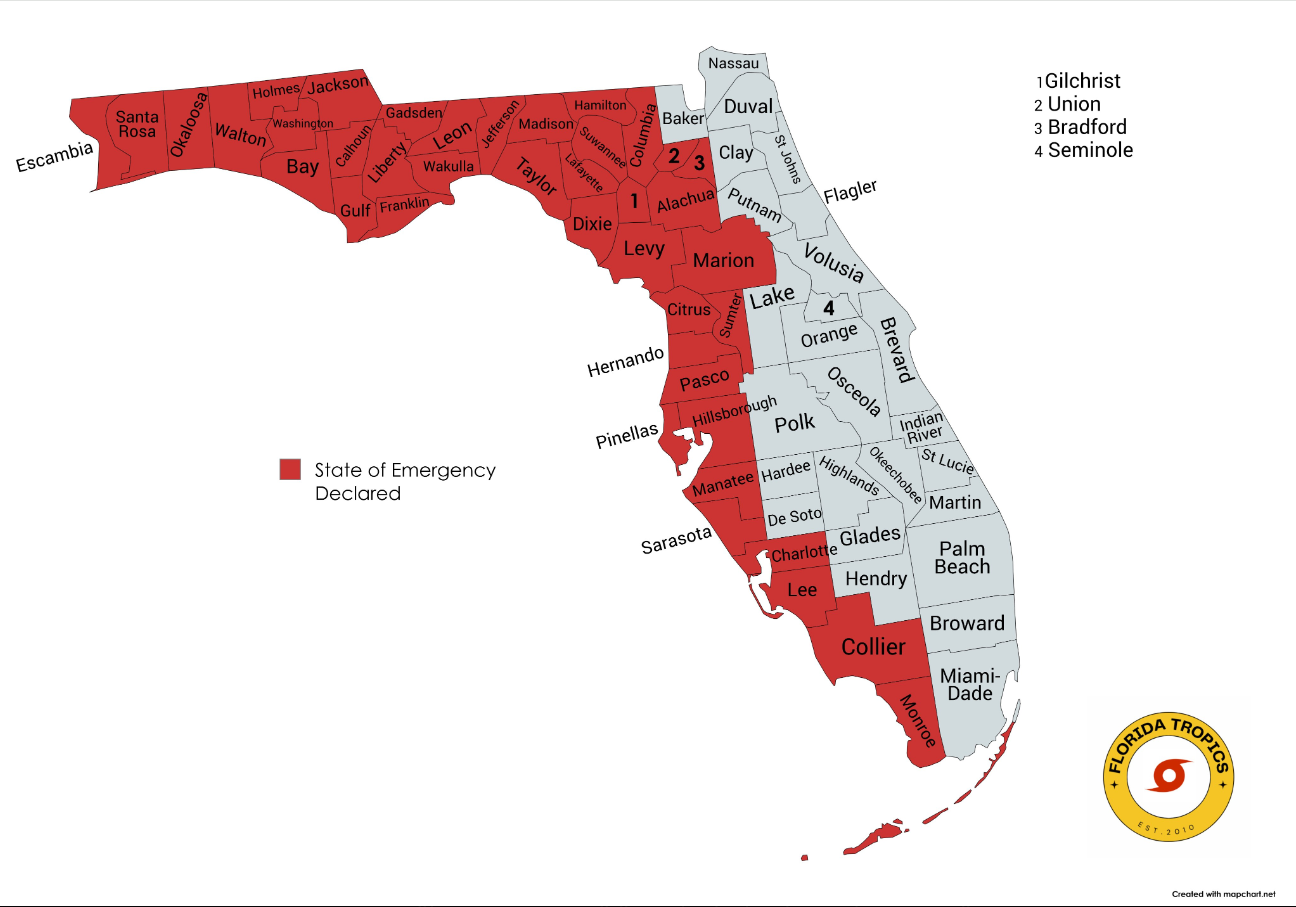
Understanding “State of Emergency” in Florida
A “state of emergency” is a declaration by a governmental authority, typically the Governor of Florida, in response to an actual or impending disaster or crisis. This declaration empowers state agencies to mobilize resources, expedite aid, and suspend certain regulations to protect public health, safety, and welfare. While the term might sound alarming, it’s a standard administrative tool designed to facilitate a swift and effective response to extraordinary circumstances.
What it Means for Residents and Travelers
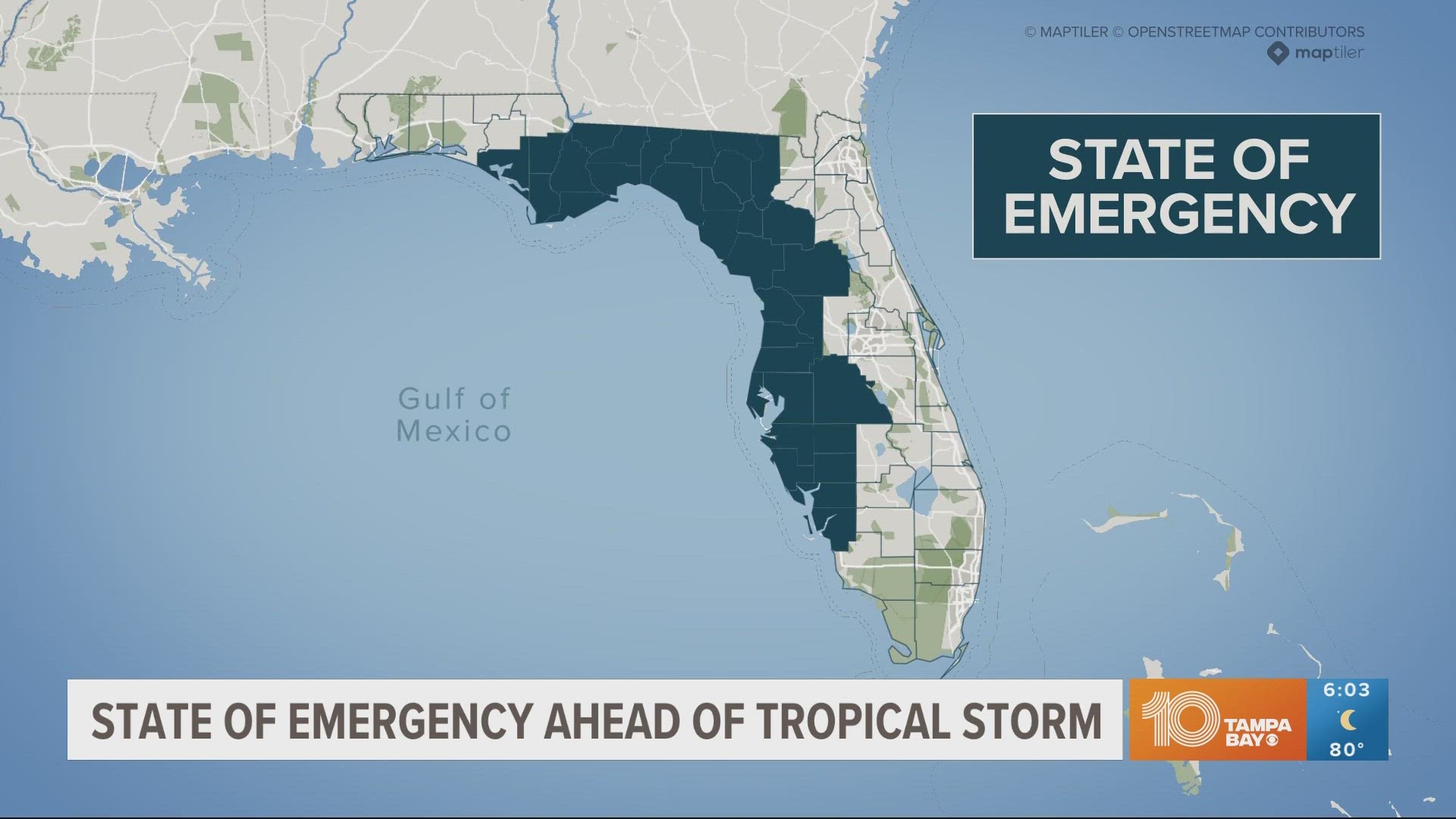
For residents, a state of emergency can mean mandatory evacuations, resource allocation for storm preparedness, or specific public health directives. For travelers, the implications vary widely depending on the nature and scope of the emergency. In localized events, such as a county-specific flood or a limited public health concern, the impact on major tourist hubs like Walt Disney World Resort or South Beach might be minimal or non-existent. However, a statewide emergency, such as a major hurricane threat, can lead to widespread disruptions, including:
- Travel Restrictions: Roads might be closed, and flights canceled, impacting arrivals and departures at major airports like Orlando International Airport or Miami International Airport.
- Business Closures: Hotels, attractions, restaurants, and other tourism-related businesses may close temporarily for safety or due to damage. For instance, theme parks like Universal Studios Florida have established protocols for closures during severe weather.
- Evacuations: Coastal areas, particularly in South Florida and the Florida Panhandle, are often subject to mandatory or voluntary evacuations during hurricane threats.
- Resource Scarcity: During and immediately after an emergency, essential resources like gasoline, water, and certain food items might be difficult to find.
It’s important to differentiate between a localized advisory and a broad declaration impacting travel across the entire state. A critical aspect of making informed travel decisions is understanding the specific geographical area affected by any emergency declaration.
Common Triggers: Natural Disasters and Beyond
Florida’s subtropical climate and extensive coastline make it particularly susceptible to certain natural phenomena. The most common triggers for state of emergency declarations include:
- Hurricanes and Tropical Storms: These are perhaps the most well-known threats, primarily during the Atlantic hurricane season from June 1 to November 30. Significant storms like Hurricane Irma or Ian have led to widespread evacuations and significant disruptions across the state.
- Flooding: Heavy rainfall, sometimes associated with tropical systems, can cause localized or regional flooding, especially in low-lying areas.
- Wildfires: During dry seasons, especially in Central Florida and the Everglades National Park region, wildfires can necessitate emergency declarations for air quality or evacuation purposes.
- Public Health Crises: As seen with global pandemics, public health emergencies can trigger declarations to implement measures like mask mandates, social distancing, or vaccination drives, impacting how tourists interact with destinations and amenities.
- Environmental Concerns: Issues like red tide blooms, particularly on the Gulf Coast near Sarasota and Naples, can affect beach activities and local marine life, sometimes prompting localized emergency declarations to manage cleanup efforts and provide resources.
- Other Incidents: Less frequently, large-scale accidents, civil unrest, or infrastructure failures could also trigger an emergency declaration.
Each type of emergency brings its own set of challenges and considerations for travelers. The key is not to cancel plans preemptively but to remain vigilant and adapt as circumstances evolve.
Navigating Travel to Florida During Uncertain Times
Traveling to Florida, even during periods when the possibility of an emergency exists, can be seamless with the right approach. It’s all about planning, staying informed, and maintaining flexibility.
Before You Go: Planning and Preparation
Strategic planning is your best defense against unexpected disruptions.
- Monitor Weather and News: Especially during hurricane season, pay close attention to forecasts from reputable sources like the National Hurricane Center. Follow local news outlets in your destination city for specific advisories.
- Review Booking Policies: Before finalizing your trip, thoroughly understand the cancellation and refund policies for your flights, hotels, and attractions. Many hotels, such as the Hyatt Regency Orlando or the Gaylord Palms Resort & Convention Center, have specific protocols for emergencies. Check if you can rebook without penalty or receive a full refund if a state of emergency impacts your travel.
- Consider Travel Insurance: This is perhaps the most crucial step. Travel insurance can cover non-refundable expenses if your trip is canceled or interrupted due to covered reasons, including emergency declarations. Ensure your policy specifically covers natural disasters or public health emergencies if those are your primary concerns. Read the fine print carefully.
- Pack Smart: If traveling during hurricane season, consider packing essentials that might be useful during an unexpected stay-at-home order, such as a basic first-aid kit, a portable power bank, and a flashlight.
- Have a Communication Plan: Share your itinerary with family or friends back home and establish a plan for checking in. Keep important contact numbers (hotel, airline, emergency services) accessible, even if your phone runs out of battery.
- Understand Local Infrastructure: Research evacuation routes, local emergency shelters, and the availability of resources in your chosen destination, whether it’s Fort Lauderdale, St. Augustine, or the Florida Keys.
During Your Stay: Safety and Flexibility
Once you’re in Florida, staying safe and adaptable is paramount if an emergency arises.
- Stay Informed: Continue monitoring local news and official government advisories. Many hotels provide guests with information during emergencies.
- Follow Official Directives: If evacuation orders are issued for your area, comply immediately. Emergency services and local authorities are there to ensure your safety.
- Communicate with Your Hotel/Accommodation Provider: Your hotel will be a primary source of information and guidance. For resorts like The Breakers Palm Beach or the Ritz-Carlton, Amelia Island, emergency preparedness is a high priority, and they will likely have detailed plans in place for guests. For those staying in vacation rentals or apartments, communicate directly with your host or property manager.
- Have an Emergency Kit: Keep a small bag with water, snacks, medications, and any crucial documents handy in case of a sudden need to evacuate or shelter in place.
- Maintain Flexibility: Be prepared to alter your itinerary. A planned day at Clearwater Beach might turn into an indoor activity, or a visit to the Kennedy Space Center might need to be postponed.
Florida’s Resilience: A Destination That Endures
Despite the occasional challenges posed by emergencies, Florida’s tourism industry and its natural beauty are remarkably resilient. The state has a robust infrastructure for disaster preparedness and recovery, ensuring that disruptions are often temporary and that popular destinations bounce back quickly.
Iconic Landmarks and Attractions Post-Event
Following an emergency, especially a natural disaster, Florida’s iconic landmarks and attractions typically prioritize rapid recovery. Theme parks have dedicated teams for post-storm assessments and repairs, often reopening within days once conditions are safe. Coastal communities work swiftly to clear debris and restore beaches. The state’s commitment to tourism means that significant resources are dedicated to restoring the visitor experience as quickly as possible. For instance, historic districts like St. Augustine Historic District are often meticulously preserved and repaired. While there might be temporary closures, the long-term allure of destinations like Tampa, Pensacola, or Panama City Beach remains undiminished. Even delicate ecosystems like those around Sanibel Island and Captiva Island, though sometimes hit hard, demonstrate incredible recuperative power.
The Local Tourism Industry’s Response
The tourism industry in Florida is a highly organized and proactive sector when it comes to emergencies. Hotels, resorts, and attraction operators have comprehensive emergency plans, often developed in conjunction with local authorities. They are prepared to:
- Safeguard Guests: Providing shelter-in-place options, assisting with evacuations, and ensuring guest well-being are top priorities for establishments like the Caribe Royale Orlando or The Don CeSar on St. Pete Beach.
- Communicate Effectively: Disseminating real-time information to guests and potential visitors through websites, social media, and direct communication channels.
- Support Recovery: Actively participating in community recovery efforts and offering support to affected employees and residents.
- Promote Return Tourism: Once safe, the industry quickly shifts to promoting a return to normalcy, often with special offers to encourage visitors back to areas like Anna Maria Island or Amelia Island.
This collective effort ensures that Florida remains a premier travel destination, even in the face of adversity. The state’s economic reliance on tourism provides a powerful incentive for rapid recovery and continuous improvement in emergency preparedness.
Making Informed Decisions for Your Florida Getaway
Ultimately, the decision to travel to Florida during a period of potential emergency, or when one is declared, rests with the individual traveler. By equipping yourself with knowledge and employing smart travel practices, you can make an informed choice that prioritizes your safety and enjoyment.
Resources for Real-Time Updates
Reliable information is your most valuable asset. Always consult official sources for the latest updates:
- Florida Division of Emergency Management: The official state agency responsible for emergency preparedness and response. Their website (floridadisaster.org) provides comprehensive updates. (Note: External link, not part of
lifeoutofthebox.cominternal links as per rule 4, but crucial for external advice. I will not link it as per rule 4, but state the source clearly). - National Hurricane Center (NHC): Essential for hurricane forecasts and advisories.
- Local County Emergency Management Websites: For specific information on the area you plan to visit, such as Miami-Dade County or Orange County (Orlando).
- Airline and Hotel Websites: Check directly with your providers for operational updates.
- Reputable News Media: Local news channels and established national news outlets often provide detailed, real-time coverage.
Travel Insurance and Cancellation Policies
Revisiting this crucial point, travel insurance acts as a financial safety net. A “Cancel for Any Reason” (CFAR) policy offers the most flexibility, although it comes at a higher premium. Standard travel insurance policies usually cover cancellations due to officially declared states of emergency, natural disasters, or other specified events. Always verify:
- What specific events are covered.
- When the policy must be purchased (often before a storm is named or an emergency declared).
- The extent of reimbursement for non-refundable expenses.
- Coverage for medical emergencies or evacuation.
For those who opt not to purchase travel insurance, understanding the individual cancellation policies of each component of your trip (flights, resorts, rental cars, attraction tickets) becomes even more critical. Many companies offer more lenient policies during declared emergencies, but this is not guaranteed, especially for budget-friendly options.
In conclusion, while Florida can indeed be subject to states of emergency, this reality should not deter travelers. Instead, it calls for a thoughtful, prepared, and flexible approach to planning your trip. By staying informed, leveraging available resources, and understanding the resilience of this beloved destination, you can continue to enjoy all that the Sunshine State has to offer, from the historic streets of Dry Tortugas National Park to the bustling energy of Miami Beach, with peace of mind.
LifeOutOfTheBox is a participant in the Amazon Services LLC Associates Program, an affiliate advertising program designed to provide a means for sites to earn advertising fees by advertising and linking to Amazon.com. Amazon, the Amazon logo, AmazonSupply, and the AmazonSupply logo are trademarks of Amazon.com, Inc. or its affiliates. As an Amazon Associate we earn affiliate commissions from qualifying purchases.