
For a certain generation of fashion enthusiasts and savvy shoppers, the name Maxx New York conjures images of sophisticated, well-crafted handbags that perfectly bridged the gap between everyday practicality and aspirational luxury. In an era dominated by a few heritage European brands and a nascent American contemporary market, Maxx New York carved out a distinctive niche, becoming synonymous with accessible elegance and enduring style. Its presence was felt not just in the bustling department stores of New York City but in the closets of travelers and trendsetters across the nation and even abroad. Yet, as with many beloved brands in the notoriously fickle world of fashion, its once-ubiquitous presence has faded, leaving many to wonder: what exactly happened to Maxx New York handbags?
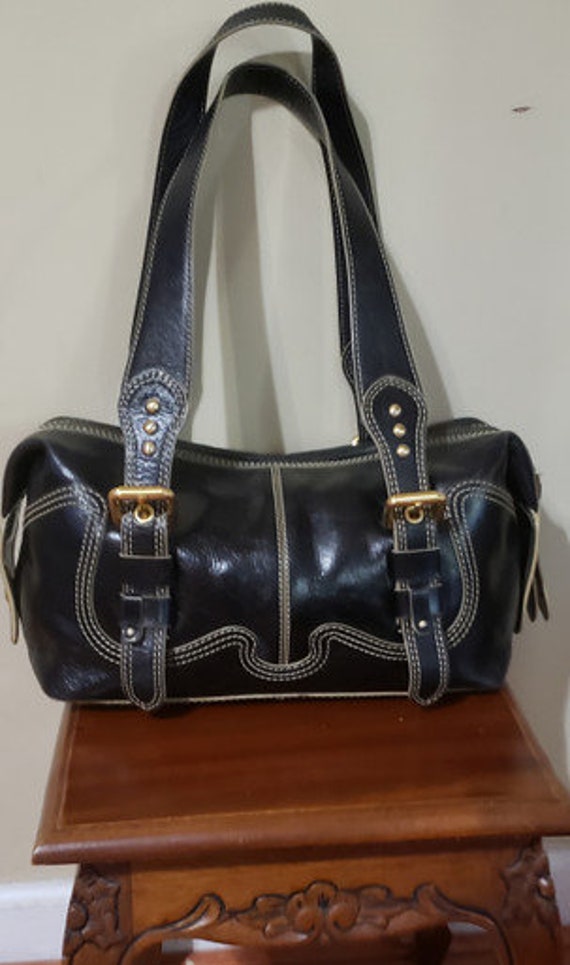
The story of Maxx New York is more than just a tale of a fashion label; it’s a reflection of broader shifts in consumer culture, retail landscapes, and the very definition of luxury travel and lifestyle. It speaks to the challenges faced by mid-tier brands in an increasingly polarized market, squeezed between the allure of high-end designers and the aggressive pricing of fast fashion. For those who once carried a Maxx New York tote through an airport lounge or a stylish clutch to a restaurant in SoHo, the brand represented a certain kind of attainable glamour – a perfect companion for both daily commutes and exciting adventures. Its disappearance from mainstream retail shelves marks the end of an era, but its legacy continues to resonate with collectors and those who appreciate quality craftsmanship.
The Allure of Maxx New York: A Legacy in Lifestyle and Travel Fashion
Maxx New York burst onto the fashion scene in the late 20th century, quickly establishing itself as a go-to brand for women seeking handbags that combined high-quality materials with functional design and a distinctive metropolitan aesthetic. At a time when women’s roles were rapidly evolving, and the concept of the “working woman” was becoming more prevalent, there was a growing demand for accessories that could seamlessly transition from the boardroom to a dinner out, and indeed, from a domestic setting to an international journey. Maxx New York perfectly captured this spirit, offering bags that were both chic and robust enough to withstand the rigors of a modern, dynamic lifestyle, including frequent travel.
The Golden Era: Defining an Accessory for the Modern Traveler
During its heyday, Maxx New York was a staple in prestigious department stores like Saks Fifth Avenue, Bloomingdale’s, Nordstrom, and Macy’s Herald Square. Its prominent display spaces alongside established luxury brands lent it an air of sophistication, making it an aspirational choice for many. The brand excelled at producing a diverse range of styles, from structured satchels and elegant shoulder bags to practical totes and sleek clutches, each imbued with a sense of understated luxury.
What truly set Maxx New York apart was its understanding of the “lifestyle” aspect of fashion. Its handbags were not just accessories; they were tools for living a vibrant life. A Maxx New York bag was often the perfect travel companion, featuring thoughtful compartments, durable hardware, and timeless designs that looked equally at home on Fifth Avenue or strolling through a historic district in Paris. The brand’s aesthetic resonated with women who appreciated quality that spoke for itself, rather than relying solely on overt branding. This approach made it a favorite among those who valued subtle elegance and functional design, traits highly prized by discerning travelers who needed their accessories to be both stylish and reliable.
The brand’s success was also tied to the broader trend of American designers challenging the European dominance in the luxury market. Alongside contemporaries like Coach and Kate Spade, Maxx New York helped define a distinctly American aesthetic – one that balanced classic sophistication with a casual, confident edge. This made their bags not only fashionable but also incredibly versatile, appealing to a wide demographic, from young professionals in Los Angeles to seasoned globetrotters exploring the cobblestone streets of Rome.
Craftsmanship, Quality, and the Urban Chic Aesthetic
A cornerstone of Maxx New York’s appeal was its unwavering commitment to craftsmanship and the use of high-quality materials. Many of their bags were crafted from luxurious leathers, often supple and rich in texture, designed to age beautifully over time. The hardware was typically solid and well-finished, and the stitching was precise, reflecting a dedication to detail that rivaled more expensive designer labels. This emphasis on quality meant that a Maxx New York bag was an investment piece – not a disposable fashion item – which further endeared it to a customer base that valued longevity and substance.
The aesthetic often leaned towards an “urban chic” sensibility, characterized by clean lines, sophisticated color palettes, and practical yet stylish silhouettes. While they offered a range of vibrant hues, their core collections often featured timeless neutrals like black, tan, navy, and deep burgundy, making them versatile additions to any wardrobe. This design philosophy perfectly complemented the demands of modern lifestyle, where versatility and durability are key, especially for those who frequently navigate cityscapes or embark on new adventures. Whether it was a structured tote for carrying essentials on a business trip to London or a compact crossbody for exploring the markets of Tokyo, Maxx New York bags were designed with the discerning, active woman in mind. This blend of elegance, functionality, and durability forged a strong connection with customers who viewed their handbags as integral components of their daily lives and their travel experiences.
Navigating the Changing Tides: Challenges in a Dynamic Market
The fashion industry is notoriously cyclical and prone to rapid shifts, driven by evolving consumer tastes, technological advancements, and global economic forces. For a brand like Maxx New York, which had established itself in a particular niche, adapting to these monumental changes proved to be a formidable challenge. The late 2000s and early 2010s ushered in an era of unprecedented disruption, forever altering how consumers shopped, what they valued, and who they looked to for fashion inspiration.
The Rise of Fast Fashion and E-commerce Disruptions
One of the most significant forces reshaping the retail landscape was the proliferation of fast fashion. Brands like Zara and H&M revolutionized the industry by offering trendy items at incredibly low price points, often mimicking runway styles within weeks. This phenomenon cultivated a culture of constant consumption and disposability, where novelty was prized over longevity and craftsmanship. Maxx New York, with its focus on quality materials and classic designs, found it difficult to compete in a market increasingly swayed by fleeting trends and impulse purchases. The price point of a well-made leather bag, while reasonable for its quality, simply couldn’t compete with synthetic alternatives that cost a fraction of the price.
Simultaneously, the rise of e-commerce transformed shopping habits. The traditional model of relying on brick-and-mortar department stores for discovery and purchase began to wane. While Maxx New York had a presence in major retailers, its online strategy might not have been as robust or agile as necessary to capture the rapidly growing digital market. Smaller, direct-to-consumer brands found it easier to connect directly with their audience, build communities, and offer competitive pricing without the overhead of physical retail space. The global reach of the internet also meant increased competition from international brands, making it harder for Maxx New York to maintain its distinct voice and market share. The convenience of online shopping, particularly for those planning trips and needing quick access to travel essentials, shifted consumer focus away from the more traditional, slower retail experience where Maxx New York thrived.
Evolving Consumer Preferences and the Search for Uniqueness

Beyond economic and technological shifts, consumer preferences themselves underwent a profound transformation. The early 2000s saw a massive surge in “logo-mania,” where visible branding and designer labels became highly coveted status symbols. Brands like Louis Vuitton, Gucci, and Michael Kors capitalized on this trend, offering highly recognizable designs that loudly proclaimed their luxury pedigree. Maxx New York, with its more understated aesthetic, struggled to compete with this overt display of wealth. While its original appeal lay in subtle sophistication, the market began to demand louder statements.
Furthermore, consumers started seeking more unique, niche, or ethically sourced products. The desire for individuality and a rejection of mass-produced items led to a fragmentation of the market. Shoppers began investing in independent designers, vintage finds, or brands that championed sustainability and transparency. Maxx New York, being a mid-sized brand in a competitive category, faced the challenge of adapting to these shifting values while maintaining its brand identity. The search for the “perfect travel bag” also evolved, with consumers looking for highly specialized features, smart technology integration, or eco-friendly materials, further complicating the design and production landscape for established brands. The pressure to innovate continually, without compromising on quality or affordability, became immense.
Beyond the Label: The Enduring Impact and Spirit of Maxx New York
While Maxx New York may no longer grace the shelves of major department stores, its story is far from over. For many, the brand represents a cherished piece of personal history, an essential accessory for countless memories, travels, and life milestones. Its legacy lives on not just in the hands of devoted collectors, but also in the broader influence it had on American handbag design and the evolving landscape of luxury travel and everyday elegance. The spirit of Maxx New York — combining accessible luxury with practicality — continues to inspire new generations of designers and consumers alike.
The Collector’s Quest: Hunting for Vintage Treasures
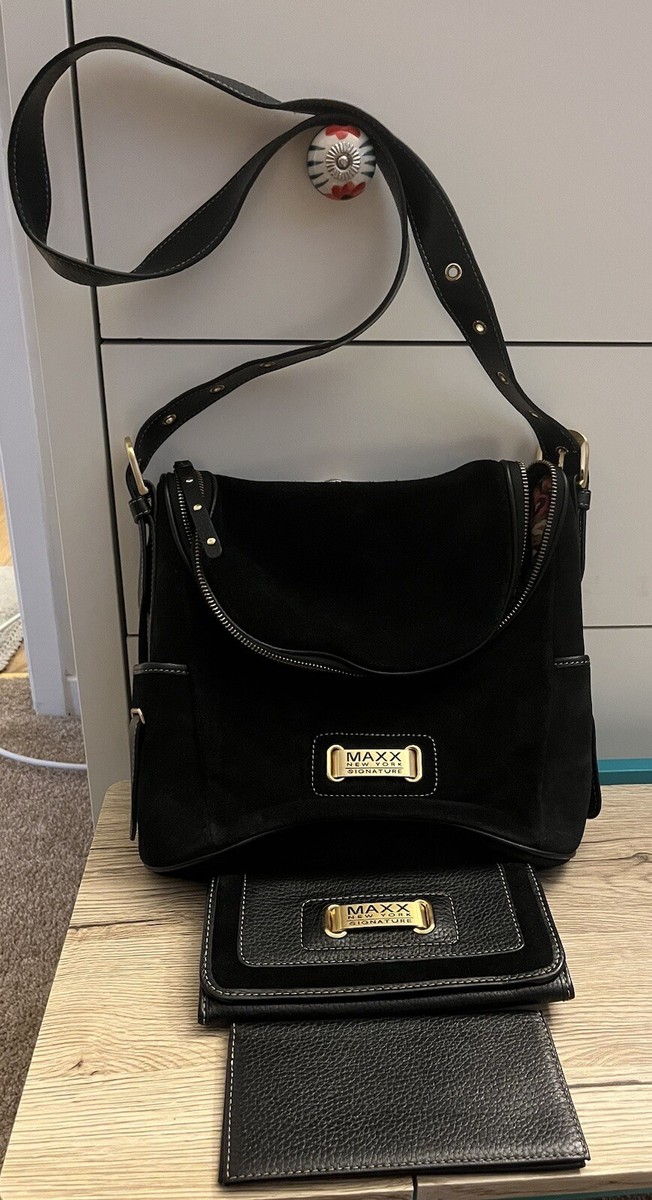
For those who appreciated the quality and style of Maxx New York, the brand’s disappearance from mainstream retail has transformed its bags into coveted vintage treasures. Online marketplaces and consignment shops have become hunting grounds for enthusiasts seeking to recapture the brand’s timeless aesthetic. A quick search on platforms like eBay, Poshmark, or The RealReal often reveals a surprising array of Maxx New York bags, testament to their enduring appeal and durability. Collectors appreciate not only the craftsmanship but also the nostalgia associated with the brand. These vintage finds are more than just accessories; they are tangible links to a past era of fashion, representing a time when quality and thoughtful design held significant sway.
These bags, often showing minimal wear despite years of use, speak volumes about the brand’s commitment to materials and construction. They serve as a testament that true style is timeless, impervious to the fleeting trends that dominate much of the fashion world today. For travelers seeking a unique and reliable bag with character, a vintage Maxx New York piece offers a compelling alternative to contemporary options, providing a touch of classic American design with a story. They fit perfectly into the trend of conscious consumption and appreciation for heritage items, a growing movement in the broader lifestyle and travel communities.
A Nod to Influencers and the Future of Conscious Consumption
Even without an active presence, the spirit of Maxx New York subtly influences current trends and consumer values. The modern emphasis on versatility, durability, and a minimalist aesthetic—qualities that were central to Maxx New York’s design philosophy—has seen a resurgence. Today’s consumers, increasingly aware of the environmental impact of fast fashion, are gravitating towards “investment pieces” that stand the test of time, a concept Maxx New York championed decades ago. Fashion influencers and content creators often highlight the importance of building a curated wardrobe of high-quality, versatile items, a philosophy that a Maxx New York bag would perfectly embody.
Furthermore, the brand’s approach to offering quality without exorbitant price tags aligns with the growing movement of “quiet luxury,” where understated elegance and superior craftsmanship are valued over ostentatious branding. This shift suggests that had Maxx New York been able to navigate the digital transition more effectively, its core values might have found a renewed audience in the current climate. Its legacy reminds us that true luxury often lies in quality, functionality, and timeless design, principles that remain highly relevant in a world grappling with overconsumption and the search for meaningful possessions.
Maxx New York’s Place in the Global Lifestyle Tapestry
The journey of Maxx New York, from its vibrant presence in American department stores to its current status as a cherished vintage label, offers a compelling case study in the ebb and flow of the fashion industry. Yet, its story also weaves into the broader narrative of how accessories shape our lifestyles and enhance our travel experiences. Maxx New York didn’t just sell handbags; it sold a vision of the sophisticated, capable woman navigating her world with grace and style, whether that world was a busy urban center or an exotic travel destination.
From Fifth Avenue Boutiques to International Travel Destinations
For years, Maxx New York bags were a common sight in the bustling fashion districts of major cities. One could easily spot a distinctive Maxx New York tote being carried down Madison Avenue by a busy professional, or a sleek clutch making an appearance at an art gallery opening near Times Square. The brand’s prominence in American retail was undeniable, extending beyond New York to regional powerhouses like Neiman Marcus in Dallas and Dillard’s across the Southern United States. Their consistent presence in these esteemed shopping venues solidified their reputation for accessible luxury.
But the appeal of Maxx New York extended far beyond national borders. The durability and practical elegance of their designs made them ideal companions for international travel. A Maxx New York shoulder bag was perfectly suited for exploring the ancient ruins of Athens, a spacious tote could comfortably carry souvenirs from a market in Marrakech, and a sophisticated satchel would blend seamlessly into the chic cafes of Milan. Their understated designs meant they never felt out of place, whether boarding a transatlantic flight from JFK Airport or navigating the vibrant streets of Hong Kong. This global utility cemented Maxx New York’s place in the lifestyle tapestry, making it a quiet ambassador of American design on the world stage.
The Legacy Lives On: Inspiration for Today’s Luxury Travel and Fashion Trends
While the brand itself no longer actively produces new collections, its legacy continues to inspire. The core tenets of Maxx New York – quality craftsmanship, functional design, and attainable sophistication – remain highly relevant in today’s dynamic market. In a world increasingly focused on sustainable practices and mindful consumption, the idea of investing in a well-made, versatile handbag that lasts for years resonates strongly. This is particularly true for the modern traveler, who seeks durable, stylish, and practical accessories that can withstand the rigors of exploration while maintaining an air of effortless elegance.
The current emphasis on conscious travel and thoughtful packing also aligns with Maxx New York’s ethos. Travelers are increasingly looking for versatile items that serve multiple purposes and reduce the need for excessive baggage. A classic Maxx New York bag, with its thoughtful compartments and robust construction, fits this bill perfectly, embodying the ideal of smart, stylish travel. Its story reminds us that true value in fashion, much like in travel, lies not just in fleeting trends or brand names, but in the enduring quality, timeless design, and the memories forged while carrying these cherished companions on life’s many adventures. Maxx New York may have exited the mainstream stage, but its influence on what we consider essential for a chic and adventurous lifestyle remains. Its absence creates a space for reflection on what truly matters in fashion: authenticity, quality, and an unwavering commitment to the needs of the modern, globetrotting woman.
LifeOutOfTheBox is a participant in the Amazon Services LLC Associates Program, an affiliate advertising program designed to provide a means for sites to earn advertising fees by advertising and linking to Amazon.com. Amazon, the Amazon logo, AmazonSupply, and the AmazonSupply logo are trademarks of Amazon.com, Inc. or its affiliates. As an Amazon Associate we earn affiliate commissions from qualifying purchases.