
Miami, the sun-kissed jewel of South Florida, is renowned for its vibrant culture, stunning beaches, and sizzling nightlife. It’s a dream destination for travelers seeking luxury, adventure, or a relaxing escape. However, like many coastal paradises in the United States and the Caribbean, Miami experiences a defined hurricane season. Understanding when this season occurs, what it entails, and how to navigate travel during these months is crucial for planning a stress-free and enjoyable trip. This comprehensive guide will help you decipher Miami’s hurricane season, offering insights into safe travel, smart accommodation choices, and how to make the most of your visit, regardless of the time of year.

Demystifying Miami’s Hurricane Season: Dates and Dynamics
For anyone considering a trip to Miami, understanding the official hurricane season is the first step in responsible travel planning. While the term “hurricane season” might conjure images of constant storms, it’s essential to remember that it represents a period of increased risk, not a guarantee of bad weather.
The Official Calendar: June to November
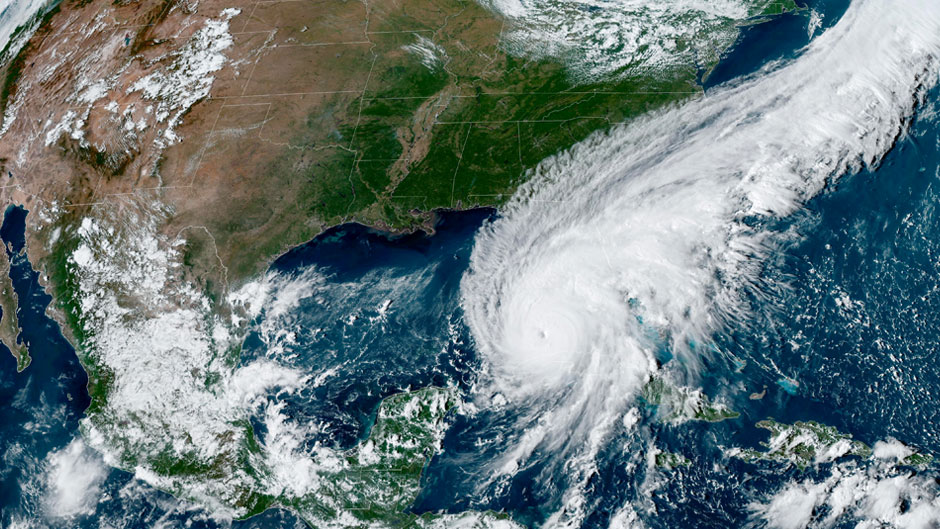
The official Atlantic Hurricane Season, which directly impacts Florida and the entire eastern seaboard of the United States, runs annually from June 1st to November 30th. During these six months, conditions in the Atlantic Ocean and the Gulf of Mexico are most conducive to the formation of tropical depressions, tropical storms, and hurricanes. This doesn’t mean every day within this window will be stormy; in fact, many days are perfectly clear and sunny. However, it means that the potential for significant weather events is elevated.
The early parts of the season, particularly June and early July, often see less intense activity. Storms that do form tend to originate in the western Caribbean or Gulf of Mexico and typically don’t reach major hurricane strength. As the season progresses into late summer and early fall, the oceanic waters warm significantly, creating a more fertile environment for powerful systems to develop and track across the Atlantic.
Peak Activity: September’s Spotlight
Historically, the peak of the Atlantic Hurricane Season falls between mid-August and late October, with September being the most active month. During this period, sea surface temperatures are at their highest, and atmospheric conditions are often ideal for the rapid intensification of tropical cyclones. This is when the largest and most powerful hurricanes are most likely to form and pose a threat to coastal areas like Miami.
Travelers planning visits during this peak window should exercise the highest degree of caution and preparedness. While the odds of a direct hit are still relatively low for any single location, being aware of the heightened risk allows for proactive planning, from choosing the right travel insurance to monitoring weather forecasts diligently. The good news is that advancements in meteorological technology mean that potential threats are usually identified days, if not weeks, in advance, providing ample time for travelers to adjust their plans.
Navigating Travel During Hurricane Season: Risks and Rewards
While the hurricane season carries inherent risks, it’s not without its potential advantages for certain types of travelers. Understanding both sides of the coin can help you make an informed decision about when to book your Miami adventure.
Potential Impacts on Your Miami Getaway
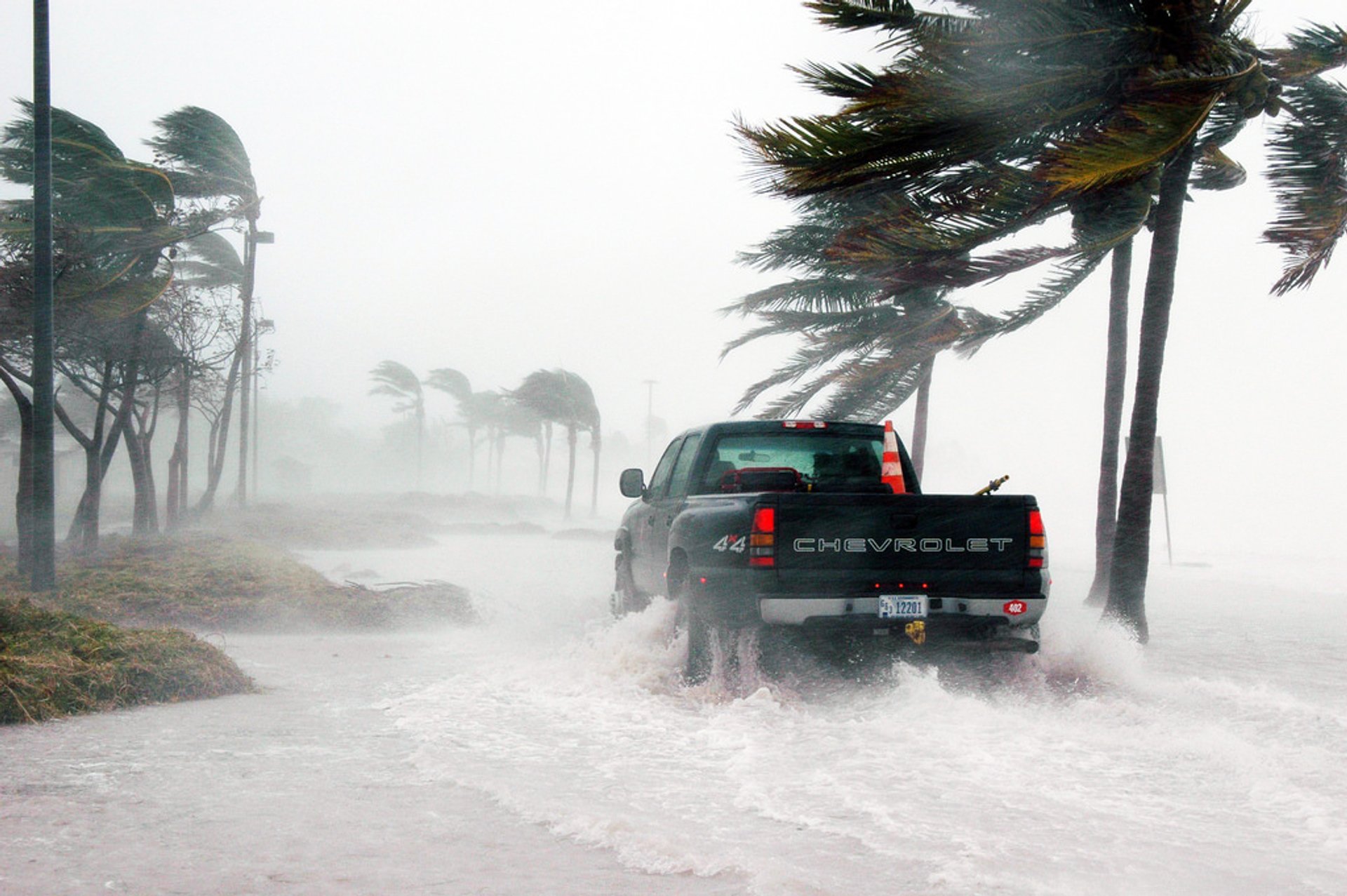
The most obvious impact of hurricane season is the possibility of a tropical storm or hurricane disrupting your travel plans. This could manifest in several ways:
- Flight Cancellations and Delays: Airlines are quick to cancel flights into and out of areas threatened by severe weather, leading to significant travel disruptions. This can affect not only your arrival and departure from Miami but also connecting flights from other destinations.
- Hotel Closures and Evacuations: In the event of an approaching hurricane, local authorities may issue evacuation orders, requiring hotels and other accommodations to close. Even if an evacuation isn’t ordered, some hotels might close voluntarily for safety or to prepare for potential damage. This can force guests to seek alternative shelter or cut their trips short.
- Attraction and Business Closures: Many of Miami’s popular attractions, from South Beach to Vizcaya Museum & Gardens, will close in anticipation of a storm to protect visitors and staff. Restaurants, shops, and other businesses may also shut down, leading to a diminished experience for tourists.
- Weather Conditions: Even without a direct hit from a hurricane, the broader weather system can bring heavy rains, strong winds, and rough seas for several days, making beach activities, boating, and outdoor excursions unfeasible.
These potential disruptions underscore the importance of flexibility and thorough preparation when traveling to Miami during these months.
Why Some Travelers Still Choose These Months
Despite the risks, hurricane season attracts a segment of travelers, primarily due to enticing incentives and a slightly different vibe.
- Lower Prices and Deals: As demand typically drops during the peak hurricane season (especially September and October), airlines and hotels often offer significantly reduced rates. This can translate into substantial savings on flights, accommodation, and even some activities. For budget travelers or those looking for luxury travel experiences at a discount, this period can be highly appealing. Resorts like the Fontainebleau Miami Beach or The Setai might become more accessible.
- Fewer Crowds: Miami’s peak tourist season is generally winter. During hurricane season, especially outside of holiday weekends, the crowds thin out considerably. This means less congestion at popular attractions, easier restaurant reservations, and a more relaxed atmosphere on the beaches and at landmarks like the Art Deco Historic District on Ocean Drive.
- Warm Water Temperatures: The summer and early fall months boast incredibly warm ocean temperatures, perfect for swimming, snorkeling, and other water sports when the weather permits.
- Lush Greenery: The frequent rains contribute to a vibrant, lush landscape, making areas like Everglades National Park particularly verdant.
For travelers who prioritize savings and a more laid-back experience and are willing to accept and plan for the potential weather risks, hurricane season can offer a unique opportunity to experience Miami differently.
Preparing for Your Miami Trip: Essential Safety Measures and Resources
Traveling during hurricane season requires a proactive approach. Proper planning and awareness are your best defenses against potential disruptions and ensure your safety.
Before You Go: Travel Insurance and Flexible Bookings
The cornerstone of safe and stress-free travel during hurricane season is comprehensive preparation.
- Travel Insurance is Non-Negotiable: Invest in robust travel insurance that specifically covers hurricane-related cancellations, delays, and medical emergencies. Read the fine print carefully:
- “Cancel for Any Reason” (CFAR) policies: While more expensive, these offer the most flexibility.
- Trip interruption/cancellation: Ensure it covers weather-related events. Be aware that most policies will not cover events if a storm has already been named or its path is clearly defined before you purchase the insurance. Buy your policy early!
- Flexible Booking Options: When booking flights and accommodations, opt for refundable rates or those with generous cancellation policies. Many hotels, especially larger resorts, offer “hurricane clauses” that allow for penalty-free cancellations or rebooking if a storm directly threatens the area. Always confirm these policies directly with the hotel or booking platform.
- Monitor Forecasts: Stay informed by regularly checking reputable weather sources like the National Hurricane Center (NHC) and NOAA. These agencies provide the most accurate and up-to-date information on tropical cyclone activity. Do this not just a week before, but throughout the planning process.
- Emergency Contact Information: Have a list of essential contacts readily available: your airline, hotel, travel insurance provider, and local emergency services.
During Your Stay: Staying Informed and Prepared
Once you’ve arrived in Miami, vigilance remains key.
- Stay Connected and Informed: Download local news apps and sign up for emergency alerts from Miami-Dade County. Your hotel will also be a primary source of information and instructions.
- Know Your Evacuation Zone: Familiarize yourself with Miami’s evacuation zones and your accommodation’s location within them. While unlikely to be needed, knowing the plan is crucial.
- Have an Emergency Kit: Keep a small emergency kit in your room or carry-on. This might include a flashlight, portable charger for your phone, essential medications, and copies of important documents.
- Follow Instructions: If local authorities issue warnings or evacuation orders, take them seriously and follow all instructions from your hotel staff and emergency personnel. They are there to ensure your safety.
The Best Times to Visit Miami: Sunshine Beyond Hurricane Season
While hurricane season offers its unique opportunities, many travelers prefer to visit Miami when the risk of severe weather is minimal and the conditions are consistently glorious. Miami’s prime tourist seasons offer a different kind of charm and reliability.
Winter Wonderland: Miami’s Peak Tourist Season
December to May generally constitutes Miami’s peak tourist season. This period is characterized by:
- Perfect Weather: Low humidity, abundant sunshine, and average temperatures ranging from the mid-60s to mid-80s Fahrenheit make for ideal conditions for beach activities, exploring Little Havana, or strolling through the Wynwood Walls.
- Vibrant Atmosphere: The city is bustling with energy, attracting visitors from colder climates seeking warmth. Expect lively crowds, top-tier events, and a buzzing nightlife.
- Higher Prices: Unsurprisingly, demand drives up prices for flights, hotels, and even some attractions. Booking well in advance is essential if you plan to visit during this popular window, especially around holidays like Christmas, New Year’s, or Spring Break.
- Diverse Activities: From boat tours departing from Bayside Marketplace to exploring museums like the Perez Art Museum Miami or the Phillip and Patricia Frost Museum of Science, the weather makes almost any activity enjoyable.
For those who can afford it and seek guaranteed sunshine and vibrant social scenes, this is undeniably the best time to experience Miami at its finest.
Spring into Action: Ideal Weather and Fewer Crowds
April and May are often considered a “sweet spot” for visiting Miami. These months bridge the gap between the peak winter season and the onset of hurricane season.
- Excellent Weather: Temperatures are comfortably warm, humidity is still relatively low, and sunshine is plentiful.
- Moderate Crowds and Prices: While still popular, the throngs of winter tourists and spring breakers have begun to dissipate, leading to slightly lower prices and fewer crowds at major attractions like Lincoln Road Mall or Jungle Island.
- Ideal for Outdoor Activities: The pleasant conditions are perfect for exploring Lummus Park on South Beach, enjoying outdoor dining, or taking day trips to nearby areas like Fort Lauderdale or the Florida Keys (though Key West is further south).
If you’re looking for a balance of great weather, manageable crowds, and reasonable prices, late spring is an excellent choice.
Summer’s Embrace: Hot Deals and Vibrant Energy (with precautions)
June, July, and early August fall within the hurricane season but are often spared from major storm activity. These months offer a truly tropical Miami experience.
- High Temperatures and Humidity: Expect daily highs in the high 80s to low 90s Fahrenheit, coupled with significant humidity. Afternoon thunderstorms are common but usually brief.
- Good Deals: Similar to the later hurricane season months, hotels and airlines often offer competitive rates to attract visitors, making luxury stays more attainable.
- Family-Friendly: With schools out, summer can be a great time for family trips to attractions like Miami Seaquarium or Bayfront Park, assuming you manage the heat.
- Vibrant Nightlife: Miami’s nightlife remains electric year-round, and summer is no exception.
While the heat and humidity require some adjustment, and the hurricane risk is present, early summer can be a fantastic time for those seeking value and a lively atmosphere, as long as they stay weather-aware.
Experiencing Miami Year-Round: Beyond the Weather Forecast
Regardless of when you choose to visit, Miami offers a treasure trove of experiences that cater to diverse interests, from cultural immersion to luxurious relaxation. Understanding how to approach your visit with the season in mind ensures a rewarding trip.
Iconic Attractions and Activities for Every Season
Miami’s charm lies in its versatility. Many of its most beloved features are enjoyable in any season, with minor adjustments.
- Beaches: While hurricanes can impact them, Miami’s pristine beaches, especially South Beach and Lummus Park, are central to the experience. During hurricane season, monitor conditions for swimming. Outside the season, they are perfect for sunbathing and water sports.
- Art and Culture: The Art Deco Historic District, Wynwood Walls, and Little Havana offer vibrant cultural experiences that are largely weather-proof. Museums like Vizcaya Museum & Gardens (though parts are outdoors), the Perez Art Museum Miami, and the Phillip and Patricia Frost Museum of Science provide excellent indoor options.
- Shopping and Dining: Lincoln Road Mall, Bayside Marketplace, and countless other shopping districts and world-class restaurants are available year-round. Miami’s culinary scene, from upscale dining to casual Cuban cafes, thrives regardless of the weather.
- Nightlife: Miami’s legendary nightlife, particularly around Ocean Drive and South Beach, pulses throughout the year. Clubs, bars, and lounges offer indoor entertainment options if outdoor conditions are unfavorable.
- Sports and Entertainment: Catch a game at the Kaseya Center, home to the Miami Heat, or enjoy a concert. These indoor venues are perfect for escaping the heat or rain.
- Historical Landmarks: Visit the iconic Freedom Tower in downtown Miami, a symbol of hope and a fascinating piece of history.
Choosing Your Accommodation Wisely
Your choice of accommodation significantly impacts your overall travel experience, especially during hurricane season.
- Resorts and Hotels: Many high-end resorts, like Faena Hotel Miami Beach or The Breakers further north in Palm Beach, are built to withstand severe weather and have robust emergency plans. They often feature extensive indoor amenities, such as spas, fine dining, and entertainment, which can be lifesavers if outdoor activities are limited by weather.
- Apartments and Villas: For longer stays or family trips, private apartment or villa rentals can offer more space and amenities like kitchens. Ensure you understand their specific cancellation policies and emergency procedures. Check reviews regarding property management responsiveness.
- Amenities: Prioritize hotels with strong infrastructure, backup generators, and internal communication systems if traveling during hurricane season. For any season, consider amenities like pools (especially important in hot months), fitness centers, and diverse dining options.
- Location, Location, Location: While beachfront properties offer stunning views, consider slightly inland options if you’re particularly risk-averse during hurricane season, as they might be less prone to storm surge or evacuation orders.
In conclusion, while Miami’s hurricane season runs from June 1st to November 30th, with peak activity in September, it shouldn’t deter you from visiting this incredible city. With diligent planning, the right travel insurance, and a flexible mindset, you can navigate the risks and potentially enjoy a more affordable, less crowded Miami experience. For those seeking consistently perfect weather and a bustling atmosphere, the months from December to May offer an unparalleled tropical escape. Regardless of the season, Miami’s allure of culture, entertainment, and natural beauty awaits, promising an unforgettable journey for every kind of traveler.
LifeOutOfTheBox is a participant in the Amazon Services LLC Associates Program, an affiliate advertising program designed to provide a means for sites to earn advertising fees by advertising and linking to Amazon.com. Amazon, the Amazon logo, AmazonSupply, and the AmazonSupply logo are trademarks of Amazon.com, Inc. or its affiliates. As an Amazon Associate we earn affiliate commissions from qualifying purchases.