
For anyone planning a trip, conducting business, or simply curious about one of the world’s most dynamic urban centers, understanding the local time zone is a fundamental piece of information. New York City, often simply referred to as NYC, operates on the Eastern Time Zone (ET). This seemingly simple fact carries profound implications for travelers, residents, and global communicators alike. From coordinating flight schedules and managing jet lag to planning visits to iconic landmarks and immersing oneself in the city’s vibrant lifestyle, the time zone dictates the rhythm of daily life in the Big Apple.
This comprehensive guide will delve into the specifics of New York City’s time, exploring how it affects various aspects of tourism and travel, offering practical advice for visitors, and providing insights into the logistical considerations that make a trip to NYC seamless and enjoyable. Whether you’re considering accommodation options, mapping out a culinary adventure, or scheduling a critical business meeting, a clear grasp of Eastern Time is your first step towards an unforgettable New York City experience.
Understanding New York City’s Time Zone
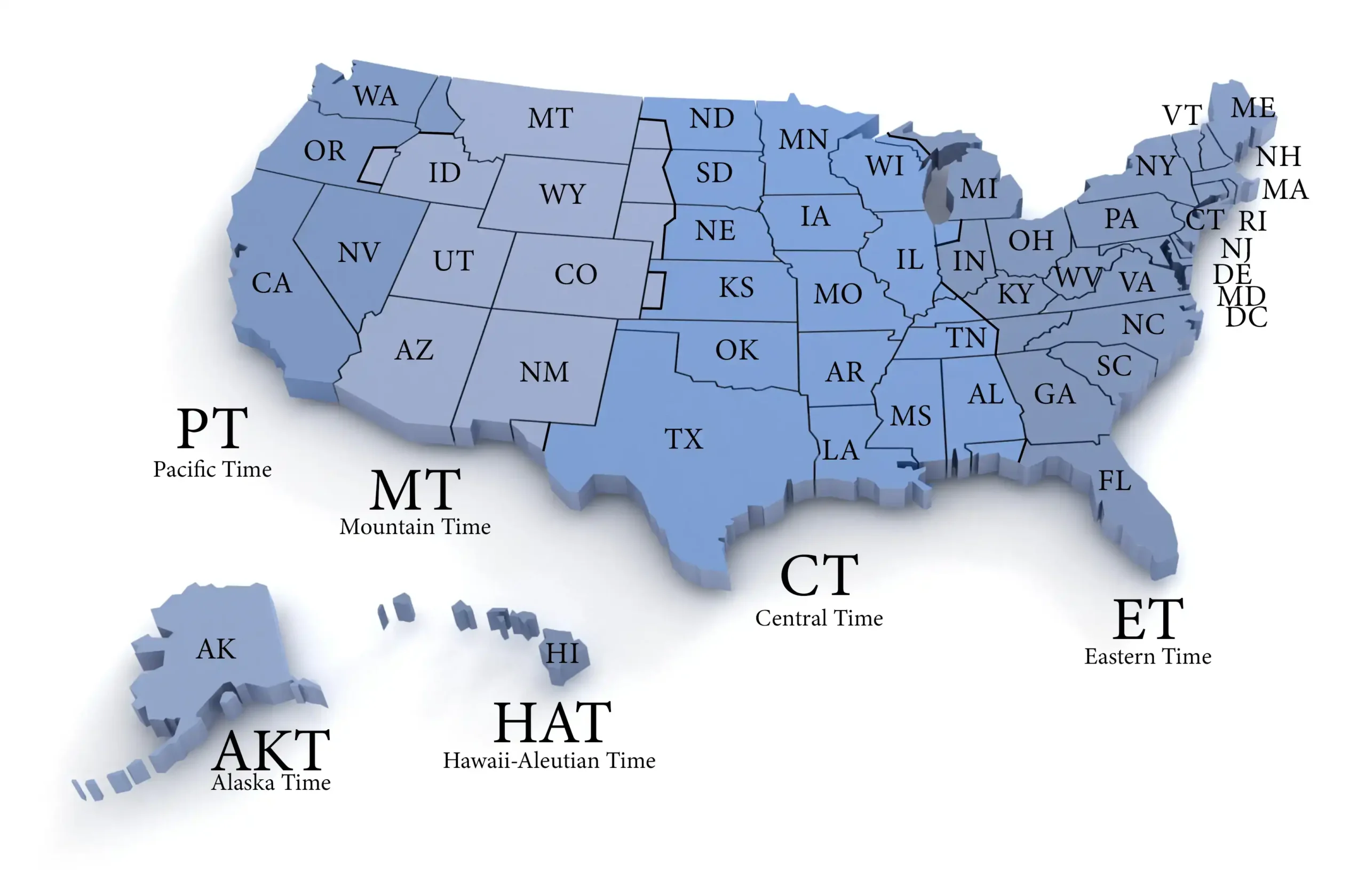
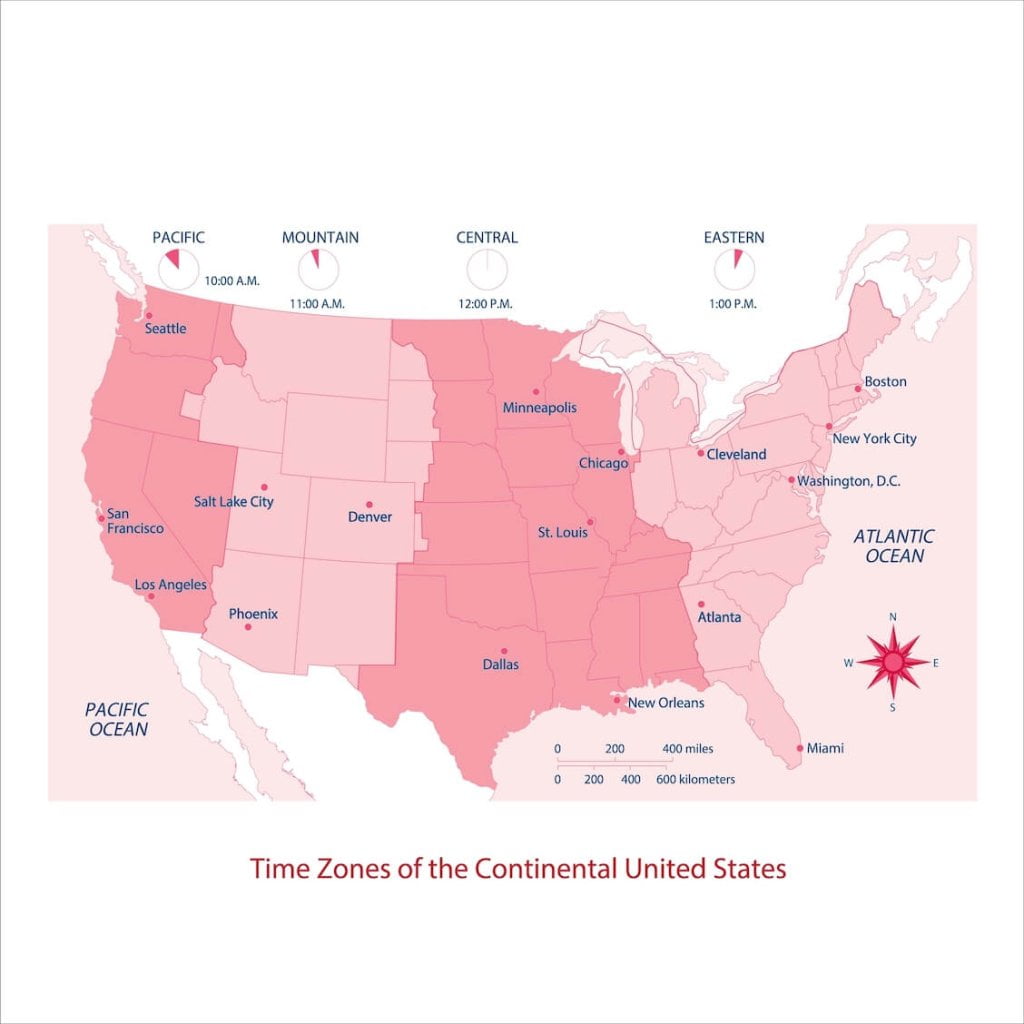
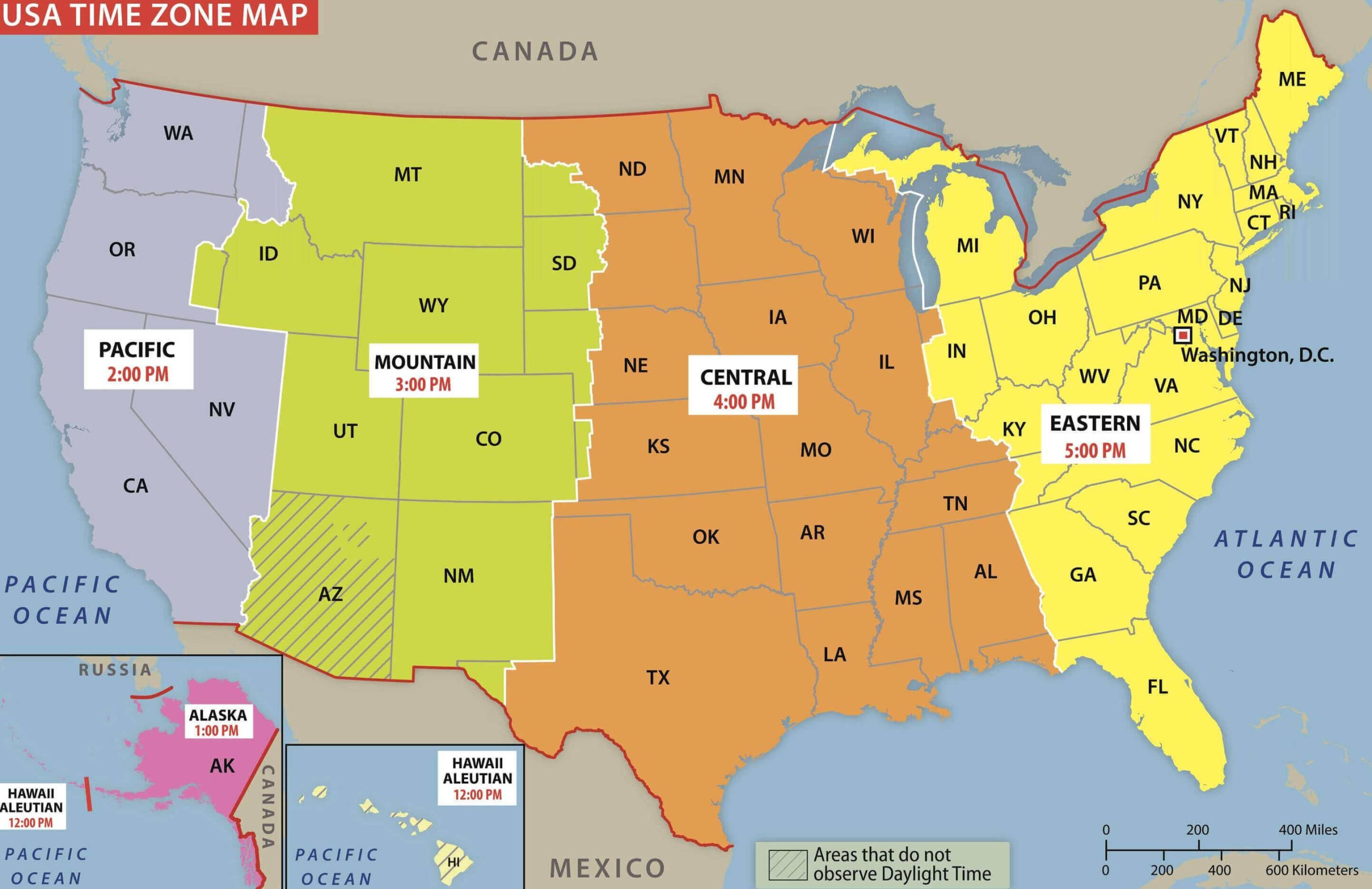
The time zone system in the United States is a patchwork of different zones, but New York City firmly resides in the Eastern Time Zone. This zone encompasses a significant portion of the eastern United States and Canada, as well as some parts of the Caribbean and South America. Knowing its precise relation to global time standards is crucial for international visitors.
The Eastern Time Zone (ET) Explained
The Eastern Time Zone is generally five hours behind Coordinated Universal Time (UTC-5) during standard time, known as Eastern Standard Time (EST). For historical context, UTC is the primary time standard by which the world regulates clocks and time. It is essentially the modern successor to Greenwich Mean Time (GMT). Therefore, when it’s 12:00 PM UTC, it’s 7:00 AM in New York City during EST.
This offset means that travelers arriving from regions like Europe (which is typically UTC+0 to UTC+2) or Asia (which can be UTC+5 to UTC+9 or even higher) will experience a significant time difference. For instance, if you’re flying from London (typically UTC+0 or UTC+1 during Daylight Saving Time), New York City will be five to six hours behind. This differential is a key factor in planning your trip, particularly concerning communication with people in your home country and managing your own body clock.
Daylight Saving Time (DST) and Its Impact
Compounding the complexity for visitors and locals alike is the observance of Daylight Saving Time (DST). Most regions within the Eastern Time Zone, including New York City, adjust their clocks forward by one hour in the spring and back by one hour in the fall.
- Spring Forward: On the second Sunday in March, clocks move forward one hour, shifting New York City from EST (UTC-5) to Eastern Daylight Time (EDT, UTC-4). This means more daylight in the evenings, which is often welcomed for outdoor activities and extended sightseeing, but it also means an immediate one-hour “loss” of sleep.
- Fall Back: On the first Sunday in November, clocks move back one hour, reverting from EDT to EST. This brings an “extra” hour of sleep but results in earlier sunsets.
For travelers, DST is a critical detail. If your trip spans these transition dates, be sure to adjust your clocks accordingly to avoid missed appointments, flights, or reservations. Furthermore, international flight arrival and departure times are typically quoted in local time, so understanding whether the city is observing EST or EDT at the time of your visit is essential for accurate planning.
Navigating Travel and Jet Lag
The excitement of visiting New York City can sometimes be overshadowed by the physical toll of jet lag. This common condition, resulting from rapid travel across multiple time zones, can disrupt sleep patterns, energy levels, and overall well-being. However, with proper planning, its effects can be significantly minimized, allowing you to fully embrace your NYC adventure from the moment you arrive.
Preparing for Your Arrival
Effective jet lag management begins even before you depart. Gradually adjusting your sleep schedule a few days before your flight can make a big difference. If you’re traveling east to New York City (e.g., from California or Europe), try to shift your bedtime earlier. If you’re coming from the west (e.g., Asia), try to go to bed later.
Consider your flight schedule carefully. While red-eye flights might seem efficient, arriving in the early morning in NYC might mean you’re battling extreme fatigue through your first day. Sometimes, a flight that lands in the late afternoon allows you to settle into your accommodation, have an early dinner, and then try to sleep closer to the local bedtime, facilitating a quicker adjustment. Informing family and colleagues of your new time zone is also important to prevent disruptive calls or messages at odd hours.
Minimizing Jet Lag’s Effects
Once you’ve landed in New York City, several strategies can help your body adjust to the Eastern Time Zone:
- Hydration is Key: Airplane cabins are dehydrating. Drink plenty of water before, during, and after your flight. Avoid excessive alcohol and caffeine, which can disrupt sleep.
- Embrace Natural Light: Upon arrival, expose yourself to natural light as much as possible, especially in the morning. This helps reset your circadian rhythm. Head to Central Park for a walk or grab a coffee at an outdoor cafe.
- Stay Active (But Don’t Overtrain): Gentle exercise, like walking around your neighborhood or doing some stretches, can boost energy levels. Avoid intense workouts that might further stress your body.
- Stick to Local Meal Times: Even if you’re not hungry, try to eat meals at New York City’s regular breakfast, lunch, and dinner times. This cues your body to the new schedule.
- Prioritize Sleep: Your hotel room becomes your sanctuary. Choose accommodation with comfortable beds and good blackout curtains. Try to stay awake until the local bedtime, even if you’re tired, but don’t force yourself if you’re utterly exhausted. A short nap (20-30 minutes) can be beneficial, but avoid long naps that interfere with nighttime sleep. Many hotels offer amenities like sleep masks and earplugs.
Planning Your New York City Experience
The effective management of your itinerary within the Eastern Time Zone is paramount to maximizing your New York City experience. Every aspect, from sightseeing to dining, is governed by the clock, making conscious scheduling a crucial part of your travel guide.
Best Times to Visit and Event Scheduling
Understanding New York City’s time zone allows you to strategically plan your visit around seasonal events and avoid peak hours. The city pulsates with activities year-round, from Broadway shows and museum exhibitions to sporting events and holiday festivities. Most shows typically begin in the evening, around 7:00 PM or 8:00 PM EDT/EST, while museums and galleries usually open their doors by 10:00 AM.
Considering the Daylight Saving Time shift is vital for those planning winter or summer trips. Summer (EDT) offers longer daylight hours, perfect for exploring outdoor attractions like Central Park or walking the Brooklyn Bridge well into the evening. Winter (EST) means earlier sunsets, making the illuminated wonders of Times Square or the festive lights of Rockefeller Center even more enchanting. Always double-check event timings and attraction opening hours, as they can sometimes vary seasonally or for special occasions. Many popular tours and attractions, like the Statue of Liberty ferry or the Empire State Building observatory, operate on timed entry systems, so booking well in advance and adhering to your scheduled slot is essential.
Accommodation and Its Importance for Adjustment
Your choice of accommodation can significantly impact your ability to adjust to the Eastern Time Zone and enjoy your stay. New York City offers an unparalleled range of options, from luxury hotels in Midtown Manhattan to cozy boutique hotels in Greenwich Village or stylish apartments in Brooklyn.
When booking, consider amenities that aid sleep and comfort:
- Blackout Curtains: Crucial for blocking out the city lights and allowing you to sleep on your new schedule.
- Quiet Rooms: Request a room away from street noise or elevator shafts, especially if you’re a light sleeper or trying to adjust to a new sleep cycle.
- 24-Hour Room Service: While not always necessary, knowing you can get a meal or snack at odd hours (due to jet lag) can be reassuring.
- Fitness Centers: Access to a gym can help with light exercise to combat fatigue.
- Concierge Services: A knowledgeable concierge can assist with last-minute bookings or provide recommendations tailored to your adjusted schedule.
Brands like Marriott, Hilton, and Hyatt all have numerous properties throughout the city, offering diverse price points and service levels. For a more local experience, consider apartment rentals which often come with kitchen facilities, allowing for more flexible meal times. Regardless of your choice, a comfortable and supportive environment is key to a successful adjustment and an enjoyable visit.
Experiencing NYC’s Lifestyle and Rhythms
New York City never truly sleeps, but it definitely operates on a schedule. Understanding the cadence of the city within the Eastern Time Zone is crucial for a smooth and authentic experience, whether you’re here for luxury travel, a family trip, or a business stay.
Iconic Landmarks and Attractions by the Clock
Every NYC landmark has its optimal viewing times, often influenced by the time of day and the flow of tourist traffic.
- Empire State Building: Open late, offering breathtaking sunset views and city lights that sparkle well into the night. Aim for a visit close to dusk for the best of both worlds.
- Statue of Liberty & Ellis Island: Ferry services typically start early in the morning, around 9:00 AM ET, and run until late afternoon. Arriving early is best to beat the crowds.
- Times Square: A 24/7 spectacle, but it truly comes alive after dark when the neon signs are at their most brilliant. However, even during the day, it’s a bustling hub.
- Museums: Institutions like the Metropolitan Museum of Art or the Museum of Modern Art usually open mid-morning and close in the late afternoon or early evening. Some offer extended hours on certain days.
- Central Park: Always accessible, but its atmosphere changes dramatically throughout the day. Morning runs, afternoon picnics, and evening strolls each offer a unique perspective.
- Grand Central Terminal: A historic landmark that functions as a major transportation hub. Best appreciated during off-peak hours to admire its architecture without the rush.
- The High Line: An elevated park that offers stunning urban views. Popular at sunset, so plan accordingly for crowds.
Considering the local time helps you plan sequential visits efficiently, minimizing travel time between attractions and avoiding the busiest periods.
Culinary Delights and Entertainment
New York City’s culinary scene is as diverse as its population.
- Breakfast/Brunch: Cafes and diners open early, often by 6:00 AM or 7:00 AM ET, while brunch spots typically fill up from 10:00 AM onwards on weekends.
- Lunch: The lunch rush hits between 12:00 PM and 2:00 PM ET, especially in business districts like Wall Street or Midtown.
- Dinner: Dinner service usually begins around 5:00 PM or 6:00 PM ET and can extend late into the night, particularly in popular dining neighborhoods. Reservations are highly recommended for sought-after restaurants, especially between 7:00 PM and 9:00 PM.
- Nightlife: NYC’s nightlife thrives well past midnight, with bars, clubs, and late-night eateries in areas like the Meatpacking District or the Lower East Side often open until 2:00 AM or 4:00 AM.
- Broadway Shows: Evening performances generally start at 7:00 PM or 8:00 PM ET, with matinees on Wednesdays, Saturdays, and Sundays around 2:00 PM. Arrive 30 minutes early to find your seats comfortably.
Shopping and Business Hours
For those interested in shopping or conducting business, knowing the local rhythm is crucial.
- Retail Stores: Most major retail stores and department stores (e.g., Macy’s Herald Square, Saks Fifth Avenue) open around 10:00 AM or 11:00 AM ET and close by 8:00 PM or 9:00 PM. Smaller boutiques might have more limited hours.
- Financial District: The New York Stock Exchange on Wall Street operates from 9:30 AM to 4:00 PM ET, Monday through Friday. If you’re visiting for business, these hours dictate the core of the city’s financial activity.
- Grocery Stores & Pharmacies: Many remain open later than other retailers, with some 24-hour options available, especially in residential areas.
Being mindful of these operational hours ensures you can efficiently plan your day, from securing desired reservations to hitting the shops before they close, all while enjoying the distinct vibrancy that defines the New York City lifestyle.
In conclusion, while the question “What time zone is New York City?” has a straightforward answer—the Eastern Time Zone—its implications are far-reaching for any visitor. From understanding the nuances of Daylight Saving Time to strategically managing jet lag and optimizing your itinerary around the city’s unique rhythm, a thorough grasp of NYC’s time allows for a smoother, more enjoyable, and truly immersive travel experience. So, set your watch, embrace the Eastern Time, and get ready to experience the wonders of New York City at its best.
LifeOutOfTheBox is a participant in the Amazon Services LLC Associates Program, an affiliate advertising program designed to provide a means for sites to earn advertising fees by advertising and linking to Amazon.com. Amazon, the Amazon logo, AmazonSupply, and the AmazonSupply logo are trademarks of Amazon.com, Inc. or its affiliates. As an Amazon Associate we earn affiliate commissions from qualifying purchases.