
California, often celebrated as the Golden State, is a land of unparalleled beauty and diverse landscapes, attracting millions of travelers annually to its sun-drenched beaches, majestic national parks, vibrant cities, and renowned vineyards. From the bustling streets of Los Angeles and San Francisco to the serene wilderness of Yosemite National Park and the charming wine country of Napa Valley, the state offers an incredible array of destinations and experiences. However, beneath this idyllic veneer lies a complex natural phenomenon that has increasingly bewildered both residents and visitors: the occurrence of wildfires, even in the depths of winter. The very idea of fires raging when temperatures drop and rain should be prevalent seems counterintuitive, yet it has become a harsh reality for California. This article delves into the intricate reasons behind California’s unseasonal blazes, exploring the confluence of climate, geography, human factors, and the profound implications for travel, tourism, and the unique lifestyle the state offers. Understanding this challenging aspect of the Golden State is crucial for anyone planning a visit or simply seeking to comprehend the evolving environmental dynamics of one of the world’s most captivating regions.
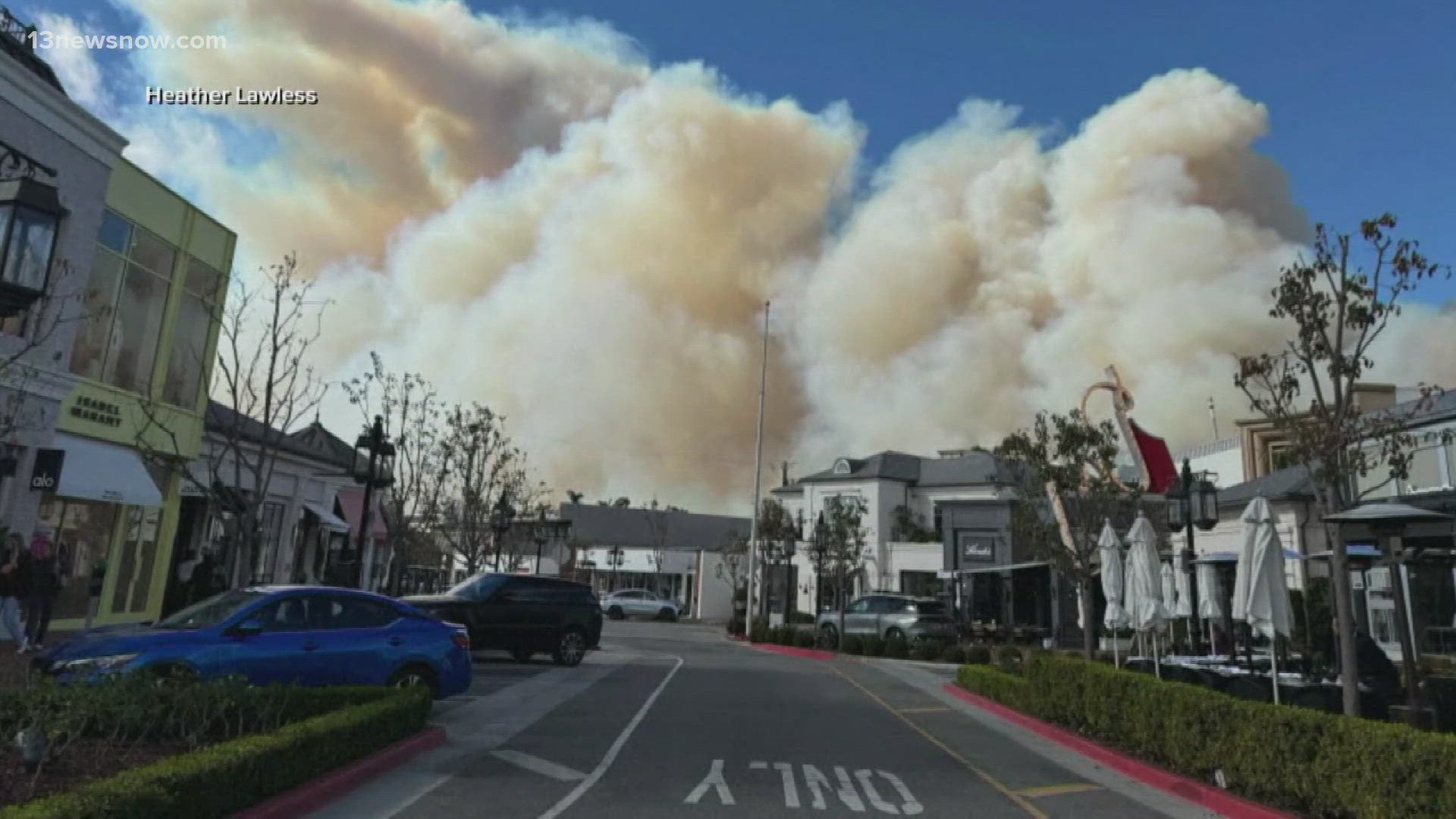
The Unseasonal Blaze: Unpacking California’s Winter Wildfire Phenomenon
The perception that wildfires are exclusively a summer or autumn problem is increasingly outdated in California. While the peak fire season traditionally ran from late spring through fall, recent years have witnessed significant and destructive fires breaking out during months once considered safe, often even in December, January, or February. This shift challenges conventional wisdom and points to a deeper transformation in the state’s ecological and climatic systems. Understanding why fires ignite and spread in winter requires a closer look at the unique environmental conditions that define California, now exacerbated by broader global changes.
A Mediterranean Climate Gone Awry
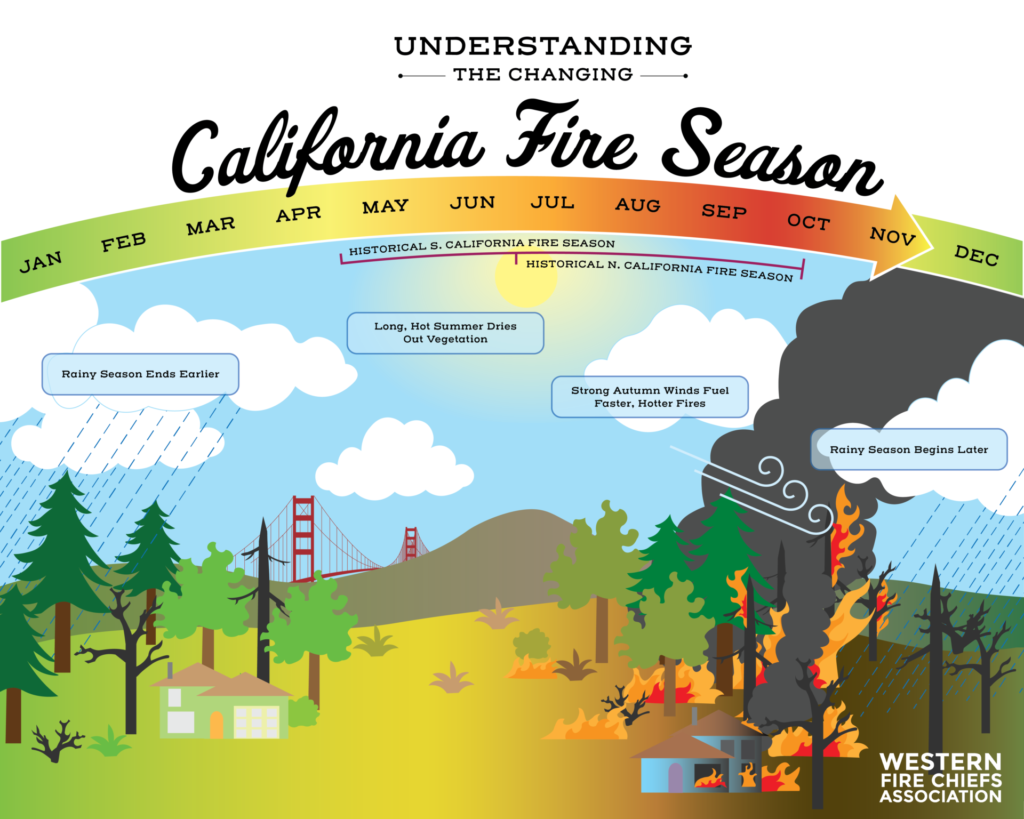
At its core, much of California experiences a Mediterranean climate, characterized by warm, dry summers and mild, wet winters. This natural cycle has historically shaped the state’s flora and fauna, allowing vegetation to flourish during the wet season and then dry out over the long, rainless summers, creating a natural fuel load for potential fires. Historically, fires would primarily occur at the tail end of the dry season. However, this delicate balance has been significantly disturbed.
One of the most critical factors contributing to winter fires is drought. Prolonged periods of below-average rainfall have become more frequent and severe, particularly across Southern California and central regions. When years of insufficient precipitation accumulate, the moisture content in soils and vegetation plummets, turning what would normally be lush winter landscapes into arid, tinder-dry environments. Even a few days without rain in winter can cause grasses and brush to dry out rapidly, especially if preceded by a dry fall. This dryness is a fundamental prerequisite for any significant fire.
Compounding the drought are California’s notorious Santa Ana Winds. These strong, dry, downslope winds typically blow from the high-pressure inland deserts towards the coast, predominantly during autumn and winter. As they descend, the air warms and dries further, stripping moisture from everything in their path and significantly increasing fire risk. These winds can turn a small ember into an inferno, driving flames at alarming speeds and making containment extremely challenging. Areas like Malibu, Santa Barbara, and the foothills surrounding Los Angeles are particularly vulnerable to these wind-driven events, which can quickly overwhelm local fire agencies. The combination of parched landscapes and these powerful, desiccating winds creates a perilous environment, allowing fires to behave as they would in peak summer.
Fuel, Fire, and Human Footprints
While climate sets the stage, the presence of abundant fuel and ignition sources are the direct catalysts for winter wildfires. California’s diverse ecosystems, particularly its dense chaparral and scrub brush, are naturally adapted to fire. However, decades of aggressive fire suppression have led to an unnatural accumulation of dead and dying vegetation. This dense biomass acts as an extraordinary fuel load, meaning that once a fire starts, it burns with much greater intensity and is far more difficult to control. In winter, even if some green growth exists, the underlying layers of dry leaves, branches, and dead grasses provide ample sustenance for a blaze. Many of California’s iconic landscapes, including its vast National Forests and state parks, are now overgrown, presenting a significant hazard.
Beyond natural conditions, human activity plays a critical, often tragic, role in ignition. Studies consistently show that the vast majority of wildfires in California are human-caused. While arson is a factor, accidental ignitions are far more common and can occur even in winter. These include:
- Faulty power lines: Strong winds can cause power lines to arc or fall, sparking vegetation. Aging infrastructure in fire-prone areas has been implicated in numerous major incidents.
- Vehicle accidents: Hot catalytic converters can ignite dry roadside grasses.
- Campfires and discarded cigarettes: Despite fire restrictions, negligence can lead to devastating consequences, particularly in popular outdoor recreation areas.
- Equipment use: Sparks from machinery used in construction, agriculture, or even gardening can easily ignite dry material.
The expansion of urban areas into the wildland-urban interface (WUI) means more homes and infrastructure are directly adjacent to fire-prone natural landscapes. This increases both the risk of human-caused ignitions and the potential for property damage and loss of life when fires inevitably occur. For travelers exploring the state’s diverse attractions, whether hiking in the hills around San Diego or enjoying the scenic drives through areas like Big Sur, awareness of these risks and adherence to local fire safety regulations are paramount.
Climate Change: The Overarching Catalyst
While drought, winds, and fuel accumulation provide immediate explanations, the long-term, overarching driver behind the increasing frequency and intensity of California’s unseasonal fires is climate change. Global warming is fundamentally altering the state’s climate patterns, making the Mediterranean climate even more extreme.
Key impacts of climate change include:
- Increased temperatures: Warmer average temperatures, even in winter, contribute to greater evaporation, drying out vegetation more rapidly and prolonging the period during which fuels are combustible. Higher temperatures also mean that precipitation, when it does occur, is more likely to fall as rain instead of snow at lower elevations, reducing snowpack which acts as a crucial natural reservoir through the warmer months.
- Extended dry seasons: The traditional dry season is lengthening, pushing the start of the wet season later into the fall and winter and causing it to end earlier in the spring. This effectively extends the “fire season” year-round.
- More extreme weather events: Climate change is contributing to more intense heatwaves, prolonged droughts, and potentially more powerful wind events, such as the Santa Ana Winds, all of which heighten fire risk.
These interconnected factors mean that what was once a distinct fire season has blurred into a perennial threat. Winter, which should offer respite and regeneration, is now susceptible to the same destructive forces that once characterized only summer and fall. This global phenomenon has made understanding the state’s changing climate a critical part of appreciating its unique appeal and preparing for safe and responsible travel.
Impact on Travel and Tourism: Navigating the Golden State Amidst Smoke
The occurrence of winter wildfires in California presents unique challenges and considerations for the state’s vibrant travel and tourism industry. As a premier global destination, California’s appeal is inextricably linked to its natural beauty, outdoor activities, and the sense of freedom it offers. Fires, regardless of the season, can disrupt travel plans, raise safety concerns, and temporarily alter the landscape of popular tourist spots. However, understanding the potential impacts and knowing how to navigate them can ensure a safe and enjoyable experience.
Safety First: A Traveler’s Guide to California’s Fire Season
For travelers planning a California getaway, especially during the traditionally “off-peak” winter months, awareness and preparedness are paramount. While the vast majority of the state remains unaffected by fires at any given time, knowing how to stay informed and react responsibly is essential.
Key safety considerations for travelers include:
- Monitoring conditions: Before and during your trip, regularly check official sources for fire updates. Websites like Cal Fire (the California Department of Forestry and Fire Protection) provide real-time maps, incident reports, and containment information. Local county emergency services websites and news outlets are also invaluable.
- Air quality alerts: Even if you’re not near a fire, smoke can travel long distances, impacting air quality. Websites like AirNow.gov provide current air quality index (AQI) readings. Travelers with respiratory conditions should pay particular attention to these alerts.
- Evacuation orders and road closures: Always heed official evacuation orders immediately. Check Caltrans for road closures, especially if planning scenic drives or visiting remote areas. Road closures can reroute travel significantly.
- Travel insurance: Consider purchasing comprehensive travel insurance that covers cancellations or interruptions due to natural disasters. This can provide peace of mind and financial protection.
- Fire safety precautions: When engaging in outdoor activities, particularly in state parks or National Forests, adhere strictly to all fire restrictions. This includes respecting burn bans, using designated campsites, properly extinguishing campfires, and never discarding cigarettes.
While the notion of a fire season might seem daunting, for most travelers, it simply means being more informed. Whether embarking on a family trip to Disneyland, a luxury travel experience in Carmel-by-the-Sea, or a budget travel adventure exploring Joshua Tree National Park, a proactive approach to safety ensures a smoother journey.
Shifting Landscapes and Resilient Destinations
Fires can dramatically alter landscapes, sometimes for years. Forests may be scorched, and hiking trails temporarily closed. However, California’s diverse geography means that impacted areas are typically localized. While one region might be grappling with fire, many others remain entirely open and welcoming.
Considerations for destinations:
- Coastal towns vs. inland areas: Coastal destinations like San Diego, Santa Barbara, and Monterey are often less directly impacted by major wildfires than inland forested or chaparral-covered regions, though they can still experience smoke. Their attractions, from beaches to historic landmarks, generally remain accessible.
- Wine country: Regions like Napa Valley and Sonoma Valley have faced fires, leading to concerns about smoke taint in grapes and temporary closures of wineries or resorts. However, these communities are incredibly resilient, often rebuilding quickly and finding innovative ways to continue offering world-class experiences. Many vineyards, hotels, and restaurants prioritize fire-resistant landscaping and rapid recovery efforts.
- National Parks: While parks like Yosemite National Park or Sequoia National Park can experience fires (often managed through prescribed burns), park services are adept at rerouting visitors, closing impacted areas, and reopening as soon as it’s safe. Travelers should always check park websites for current conditions and alerts.
- Resorts and Luxury Travel: Many high-end resorts, such as the Post Ranch Inn in Big Sur or coastal properties in Laguna Beach, have sophisticated emergency plans and often sit in areas where fire risk is carefully managed or naturally lower due to geography. Their primary concern might be guest comfort related to air quality rather than direct fire threat. These establishments often prioritize clear communication with guests during challenging times.
The spirit of California is one of resilience. While landscapes may bear scars, the vibrant local culture, innovative food scene, and diverse activities continue to thrive. Many communities that have experienced fires are quick to welcome visitors back, demonstrating their strength and commitment to tourism.
Accommodation and Logistics: Planning Your California Getaway
When booking hotels, suites, apartments, or villas in California during the winter months, a few logistical considerations can enhance your experience and minimize potential disruptions.
- Flexibility in bookings: Opt for accommodations with flexible cancellation policies, especially if your travel dates coincide with periods of high fire risk or known incidents. This allows you to adapt your plans if conditions change.
- Direct communication with hotels: If there’s a fire in a region you plan to visit, contact your hotel or resort directly. They can provide the most up-to-date information on local conditions, air quality, and any operational changes. Many establishments will proactively reach out to guests if their stay might be affected.
- Alternative routes and destinations: Have a backup plan. If your primary destination is impacted, research alternative attractions or cities that offer similar experiences but are located away from the affected area. California’s sheer size and diversity mean there are always incredible places to explore.
- Reviews and comparisons: When choosing accommodation, consult recent reviews for insights into how properties handle unexpected events or local advisories. Websites offering hotel booking and comparison tools can also highlight properties with excellent customer service during crises.
- Long-term stays: For those considering long-term stays, it’s even more crucial to research the specific microclimates and historical fire patterns of your chosen neighborhood. Engage with local real estate agents or property managers for informed advice.
Planning a trip to California in winter remains a fantastic idea. The crowds are thinner, the air can be crisp, and the scenery often transforms with lush greenery after rain. By being well-informed and flexible, travelers can confidently enjoy all the Golden State has to offer, even as it adapts to new environmental realities.
Beyond the Blaze: Conservation, Recovery, and the Future of California Tourism
The increasing frequency of winter wildfires is undoubtedly a serious concern, prompting deeper conversations about ecological management and sustainable practices. However, it’s also important to recognize the remarkable resilience of California’s natural systems and its communities. The aftermath of fires often initiates a period of regeneration, offering insights into ecological processes and inspiring new approaches to conservation and tourism.
The Role of Ecology and Regeneration
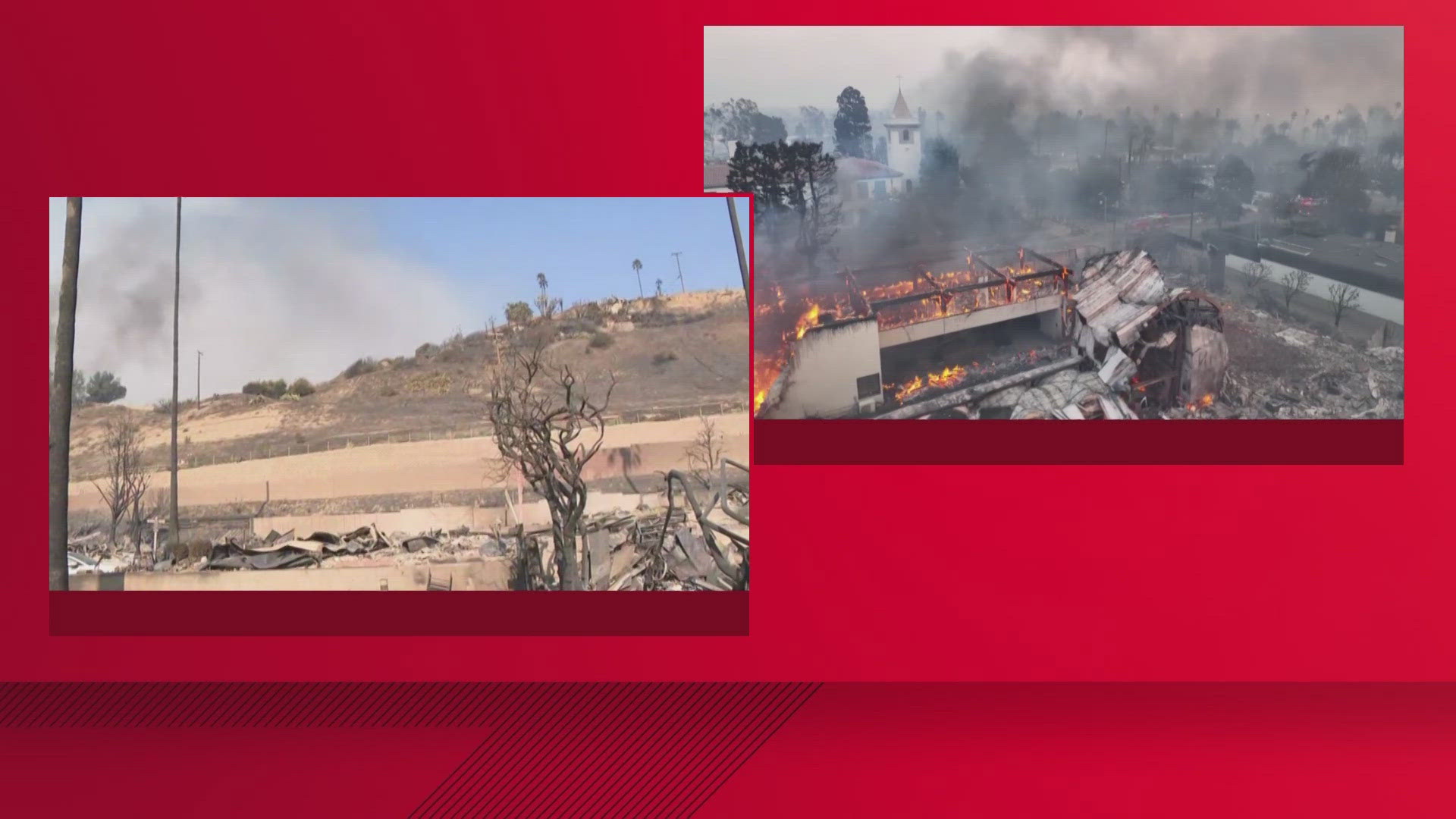
While mega-fires can be devastating, fire is a natural component of many California ecosystems. Chaparral and certain conifer forests, for example, have evolved with fire, with some plant species requiring heat to release seeds (serotiny) or thriving on nutrient-rich ash. In a healthy cycle, natural fires clear out underbrush, allowing new growth to flourish and promoting biodiversity. The challenge arises when fires become unnaturally large, frequent, or intense due to accumulated fuel and extreme conditions, overwhelming the ecosystem’s capacity for recovery.
Post-fire landscapes, though initially stark, begin to transform. The first rains bring forth vibrant displays of “fire followers” – annual wildflowers that bloom prolifically on the scorched earth, creating temporary, breathtaking vistas. This regeneration process can itself become a unique attraction for nature enthusiasts and photographers, showcasing the cyclical nature of life. Conservation efforts following fires focus on erosion control, replanting native species, and managing future fuel loads through prescribed burns and thinning, aiming to restore a healthier, more fire-adapted landscape. Understanding these efforts can provide travelers with a deeper appreciation for the complex interplay between humans and nature in California’s iconic natural landmarks.
Sustainable Travel and Community Support
In light of the evolving fire landscape, the concept of sustainable travel takes on added importance. Travelers have a significant role to play in supporting the recovery and resilience of California’s communities and natural environments.
- Support local businesses: When visiting fire-affected regions that have reopened, actively supporting local restaurants, shops, hotels, and tour operators helps these communities rebuild and thrive. Your tourism dollars directly contribute to economic recovery.
- Volunteer opportunities: For those interested in a deeper engagement, some organizations offer volunteer opportunities for habitat restoration, trail maintenance, or community rebuilding efforts in post-fire areas.
- Eco-conscious choices: Choosing accommodations and tour operators that prioritize sustainability and responsible environmental practices helps minimize your footprint and supports the long-term health of the state’s ecosystems. This aligns with a lifestyle of conscious travel.
- Education and advocacy: Learning about the causes and impacts of wildfires, and advocating for policies that address climate change and promote sound land management, contributes to a more sustainable future for California’s precious natural resources.
- Respecting regulations: Adhering to all fire safety regulations and respecting closures, even if they seem inconvenient, is a simple yet powerful way to contribute to fire prevention.
California’s natural beauty and vibrant culture remain its enduring allure. While winter fires present a modern challenge, they also highlight the state’s dynamic character and the resilience of its people and ecosystems. By embracing responsible and informed tourism, visitors can continue to experience the magic of the Golden State, contributing to its sustainable future.
In conclusion, the presence of fires in California during winter is not a mystery but a multifaceted phenomenon driven by a complex interplay of a naturally dry Mediterranean climate, severe and prolonged droughts, powerful Santa Ana Winds, an abundance of accumulated fuel, human ignition sources, and critically, the overarching influence of climate change. This convergence of factors has transformed California’s fire season into a year-round concern, impacting everything from safety guidelines for travelers to the long-term planning for tourism and accommodation. However, [California](https://lifeoutofthebox.com/california]’s enduring appeal as a destination remains undiminished. With informed planning, a commitment to safety, and a conscious effort to support local communities, travelers can continue to explore and enjoy the unparalleled experiences the Golden State has to offer, appreciating both its challenges and its remarkable capacity for renewal.
LifeOutOfTheBox is a participant in the Amazon Services LLC Associates Program, an affiliate advertising program designed to provide a means for sites to earn advertising fees by advertising and linking to Amazon.com. Amazon, the Amazon logo, AmazonSupply, and the AmazonSupply logo are trademarks of Amazon.com, Inc. or its affiliates. As an Amazon Associate we earn affiliate commissions from qualifying purchases.