
New York City, a global epicenter of culture, finance, and innovation, draws millions of visitors each year. From the iconic landmarks that grace postcards to the bustling streets teeming with life, the allure of the Big Apple is undeniable. But as you plan your adventure to this magnificent metropolis, one crucial question often arises: “What is the temperature in New York City?” Understanding the city’s climate is paramount to a comfortable and enjoyable visit, enabling you to pack appropriately, plan your itinerary, and truly immerse yourself in the unique seasonal charms this vibrant destination offers.
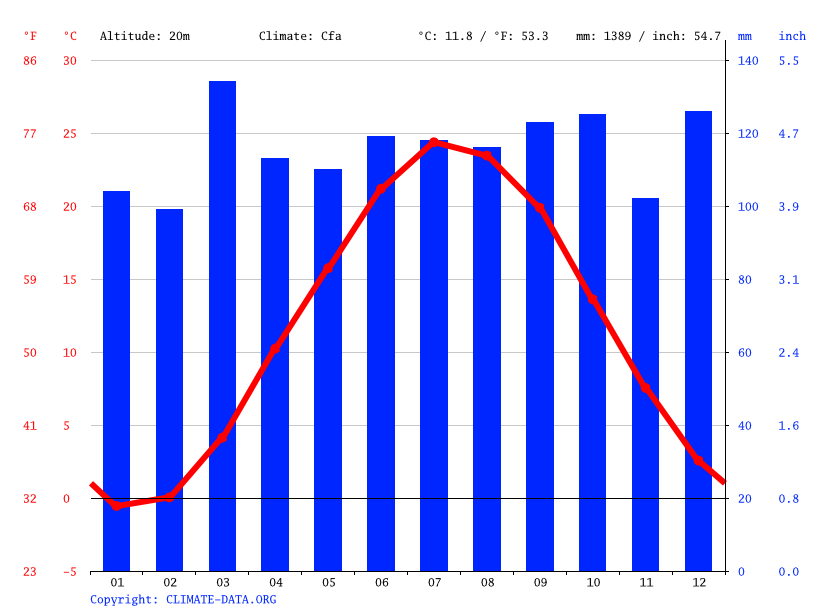
Situated in the northeastern United States, New York City experiences a humid continental climate, characterized by distinct four seasons. Each season brings its own set of temperatures, precipitation patterns, and a host of activities that are uniquely suited to the weather. Whether you dream of crisp autumn strolls, festive winter holidays, blooming spring days, or sun-drenched summer adventures, NYC delivers an unforgettable experience, provided you’re prepared for its meteorological nuances. Let’s dive into what you can expect from the temperature and weather throughout the year, ensuring your trip is nothing short of spectacular.
Understanding New York City’s Climate: A Four-Season Guide
The dynamic weather of New York City is one of its defining characteristics, shaping everything from local fashion to seasonal events. Preparing for the distinct changes across spring, summer, autumn, and winter is key to maximizing your travel experience.
Springtime in the City (March – May)
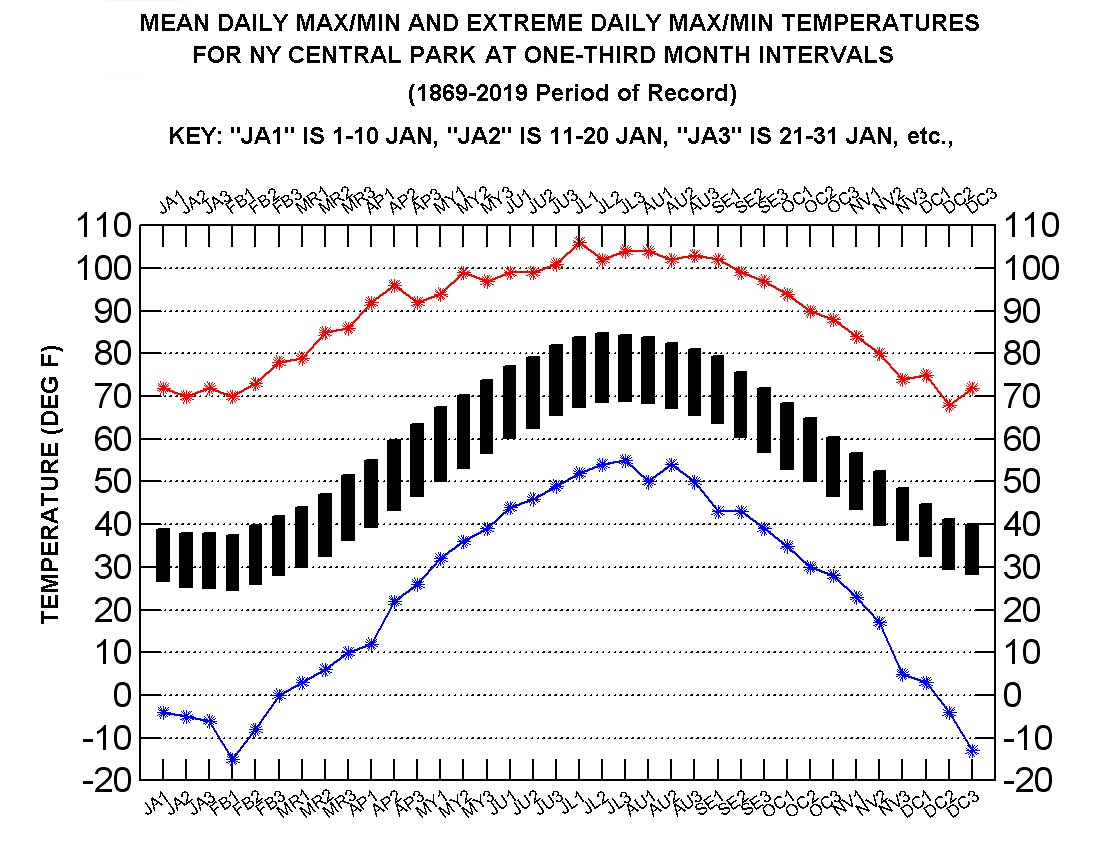
As winter’s chill slowly recedes, New York City awakens with the promise of spring. March can still be quite cool, with average temperatures ranging from 35°F to 50°F (2°C to 10°C). However, by April, a noticeable shift occurs, bringing mild and pleasant weather, typically between 45°F and 65°F (7°C to 18°C). May truly ushers in the warmth, with averages spanning 55°F to 75°F (13°C to 24°C). Spring is often characterized by a mix of sunny days and occasional rain showers, making an umbrella or light rain jacket an essential packing item.
The city transforms into a verdant paradise during spring. Central Park bursts with cherry blossoms and daffodils, offering picturesque settings for leisurely strolls or picnics. Outdoor dining begins to flourish, and attractions like The High Line become even more inviting. This season is ideal for exploring neighborhoods like Greenwich Village or SoHo on foot, ducking into charming cafes when the weather turns. For accommodations, spring sees moderate demand, so booking a comfortable boutique hotel in areas like the Flatiron District can offer a perfect blend of style and convenience for exploring the awakening city.
Summer’s Embrace in NYC (June – August)
Summer in New York City is synonymous with heat and humidity. Temperatures in June typically range from 65°F to 80°F (18°C to 27°C), but July and August are often the hottest months, with averages between 70°F and 90°F (21°C to 32°C). Heatwaves pushing temperatures into the high 90s or even triple digits are not uncommon, and the humidity can make it feel even warmer. Occasional afternoon thunderstorms provide temporary relief but can be quite intense.
Despite the heat, summer is an incredibly vibrant time to visit. Rooftop bars across Manhattan offer stunning skyline views, while parks host outdoor concerts and film screenings, such as those by SummerStage. A trip to Coney Island for beach access and amusement park thrills is a quintessential summer experience. Hydration is crucial, and lightweight, breathable clothing is a must. Given the peak tourist season, hotels fill up quickly, making early bookings essential, especially for luxury resorts like the Four Seasons Hotel or a family-friendly stay at a Hyatt Regency. Consider hotels with pools or strong air conditioning to escape the summer swelter.
Autumn’s Golden Hues (September – November)
Many consider autumn the most beautiful time to visit New York City. The sweltering summer heat gives way to crisp, comfortable air, and the city’s trees erupt in a riot of fall colors. September sees temperatures between 60°F and 75°F (15°C to 24°C), gradually cooling to 45°F to 60°F (7°C to 15°C) in October, and then 35°F to 50°F (2°C to 10°C) by November. Precipitation is moderate, with generally clear skies, perfect for outdoor activities.
The magnificent fall foliage in Central Park, Washington Square Park, and along the Hudson River waterfront creates breathtaking scenery. This season is perfect for exploring the Brooklyn Bridge, taking a ferry past the Statue of Liberty to Ellis Island, or enjoying a walking tour of historic neighborhoods like Dumbo or Wall Street. Cultural events, food festivals, and the lead-up to the holiday season make autumn exceptionally lively. Accommodations during this peak travel time require advance booking, especially around events like the New York City Marathon or Thanksgiving, with popular choices including the grandeur of The Plaza Hotel or the modern elegance of the Mandarin Oriental.
Winter Wonderland (December – February)
Winter in New York City is undeniably cold, often magical, and sometimes challenging. December’s temperatures average from 30°F to 45°F (-1°C to 7°C), dropping to 25°F to 40°F (-4°C to 4°C) in January and February. Snowfall is common, occasionally leading to significant accumulations and blizzards, though sunny, crisp days are also frequent. The wind chill, especially near the East River or in open areas, can make it feel much colder.
Despite the frigid temperatures, winter brings a festive spirit to NYC. The holiday season is unparalleled, with the iconic Christmas tree at Rockefeller Center, elaborate window displays along Fifth Avenue, and ice skating rinks at Bryant Park and Central Park. Indoor attractions like Broadway shows, the Metropolitan Museum of Art, the Museum of Modern Art (MoMA), and the Guggenheim Museum provide perfect refuge from the cold. Warm layers, waterproof boots, hats, gloves, and scarves are non-negotiable. Booking a hotel with excellent heating and cozy amenities, perhaps in the Theater District for easy access to shows, can make all the difference. Options like the Marriott Marquis or The St. Regis offer luxurious warmth.
Beyond the Thermometer: Experiencing NYC’s Weather Through Activities
While temperatures guide your packing, New York City’s sheer breadth of activities ensures there’s always something incredible to do, regardless of the weather outside.
Year-Round Attractions & Indoor Escapes
Many of New York City’s world-class attractions are perfectly suited for any season, providing either air-conditioned comfort in summer or warm shelter in winter. The bright lights of Times Square never dim, and a Broadway show is an experience for all climates. Explore the vast collections of the Metropolitan Museum of Art or the modern masterpieces at the Museum of Modern Art. Marvel at the architecture of Grand Central Terminal or explore the exhibits at the Intrepid Sea, Air & Space Museum.
For breathtaking views, the Empire State Building, One World Observatory, or the new SUMMIT One Vanderbilt offer climate-controlled observation decks. Shopping in flagship stores along Fifth Avenue or exploring unique boutiques in neighborhoods like SoHo provides a delightful indoor activity. The city’s diverse culinary scene, from Michelin-starred restaurants to cozy Chinatown eateries and Little Italy trattorias, offers year-round gastronomic adventures, unaffected by rain or shine.
Outdoor Adventures for Every Season
Even with temperature fluctuations, New York City provides ample opportunities for outdoor enjoyment. In spring and fall, walking tours of historic districts like the Financial District or Greenwich Village are invigorating. A ferry ride to see the Statue of Liberty and Ellis Island is a classic activity, best enjoyed on a temperate day.
Summer is perfect for exploring the extensive green spaces of Central Park, Governors Island, or enjoying waterfront parks along the Hudson River. Winter offers unique outdoor experiences like ice skating at Rockefeller Center or the Winter Village at Bryant Park, and even walking through a snow-covered Central Park can be magical. Iconic structures like the Brooklyn Bridge are accessible year-round, but always check forecasts and dress appropriately to truly appreciate these outdoor marvels.

Planning Your NYC Trip: Weather-Wise Travel Tips
Careful planning, particularly concerning weather, can elevate your New York City trip from good to extraordinary.
Packing Smart for New York’s Weather Variability
Layering is the golden rule for packing for New York City. In spring and fall, a light jacket or trench coat, along with sweaters and long-sleeved shirts, will serve you well. Summer calls for light, breathable fabrics, sunglasses, sunscreen, and a wide-brimmed hat. Don’t forget a reusable water bottle to stay hydrated. For winter, thermal wear, a heavy, waterproof winter coat, a hat, gloves, scarf, and waterproof, comfortable walking boots are absolutely essential. An umbrella is a year-round necessity, as rain can be unpredictable in any season. Always check the weather forecast a few days before your departure and again just before you leave, as New York State weather can change rapidly.
Accommodation Choices and Seasonal Demand
The time of year significantly impacts hotel availability and pricing. Peak seasons, such as summer and autumn, and especially the holiday season from Thanksgiving through New Year’s Eve, see higher demand and prices. Booking well in advance, ideally several months, is highly recommended during these periods. Consider different types of accommodations based on your needs: luxury hotels like The Ritz-Carlton or The St. Regis offer opulent comfort in any weather, while serviced apartments can provide more space and amenities for longer stays or family trips. Off-peak travel in late winter (January/February) or early spring (March) often yields better deals and fewer crowds, provided you’re prepared for the colder temperatures.
Transportation & Navigating the City in Different Conditions
New York City’s’s extensive public transportation system, including the subway and bus network, is a lifesaver in all weather conditions. The subway is efficient and runs largely underground, making it immune to surface weather effects like heavy rain or snow. Buses offer scenic routes but can be subject to traffic delays during inclement weather. Walking is often the best way to experience the city’s diverse neighborhoods like Koreatown or the Financial District, but be mindful of extreme temperatures. In summer, minimize walking during the hottest parts of the day. In winter, ensure you have proper footwear to navigate potentially icy sidewalks. Taxis and ride-shares are readily available but can surge in price and be harder to find during peak times or bad weather.
The Influence of Temperature on NYC Lifestyle and Culture
The seasons not only dictate what visitors wear but also profoundly shape the local lifestyle, cultural calendar, and even the city’s culinary landscape. Summer brings street fairs, outdoor concerts at Lincoln Center, and vibrant farmer’s markets in parks like Union Square Park. Locals flock to beaches or escape to rooftop pools to beat the heat. Autumn ushers in art festivals, harvest celebrations, and the highly anticipated return of indoor cultural events at venues like Carnegie Hall or The Apollo Theater.
Winter is dominated by holiday festivities, from the iconic Rockefeller Center Christmas tree to the magical window displays. Indoor entertainment, including countless Broadway shows and sporting events at Madison Square Garden or Yankee Stadium, becomes a central focus. Spring, with its milder temperatures, signals a re-emergence of outdoor life; café patios fill up, and parks become bustling hubs of activity once more. Each season offers a unique lens through which to experience the dynamic energy of New York City, revealing different facets of its rich culture and diverse communities spread across Manhattan, Brooklyn, Queens, The Bronx, and Staten Island.
In conclusion, understanding the temperature in New York City is more than just knowing what to pack; it’s about anticipating the rhythm of the city. While the mercury may rise and fall, NYC’s magnetic appeal and endless opportunities for adventure remain constant. With a little preparation and an open mind, you can embrace whatever weather New York City throws your way, making your visit an unforgettable journey through one of the world’s most exhilarating destinations.
LifeOutOfTheBox is a participant in the Amazon Services LLC Associates Program, an affiliate advertising program designed to provide a means for sites to earn advertising fees by advertising and linking to Amazon.com. Amazon, the Amazon logo, AmazonSupply, and the AmazonSupply logo are trademarks of Amazon.com, Inc. or its affiliates. As an Amazon Associate we earn affiliate commissions from qualifying purchases.