
Understanding the temperature in Buffalo, New York, is more than just knowing whether to pack a jacket or shorts; it’s the key to unlocking the full potential of your visit to this vibrant city on the shores of Lake Erie. Situated in the northern United States, just a stone’s throw from the Canadaian border, Buffalo experiences four distinct seasons, each offering a unique charm and a different set of activities and experiences. From the frigid beauty of winter to the warm embrace of summer, the city’s climate profoundly influences everything from local culture and culinary delights to optimal travel times and accommodation choices.
Whether you’re planning a family vacation, a romantic getaway, a business trip, or an adventure to explore Buffalo’s rich history and architectural marvels, being prepared for the prevailing temperatures will ensure a comfortable and memorable journey. This comprehensive guide will delve into the nuances of Buffalo’s weather patterns throughout the year, helping you strategically plan your visit, pack appropriately, and choose the perfect activities to match the mercury. We’ll explore how temperature shapes the travel landscape, influencing everything from the availability of outdoor attractions to the amenities you might seek in your chosen hotel or resort. Get ready to discover Buffalo through the lens of its fascinating and varied climate.
Understanding Buffalo’s Climate: A Seasonal Overview
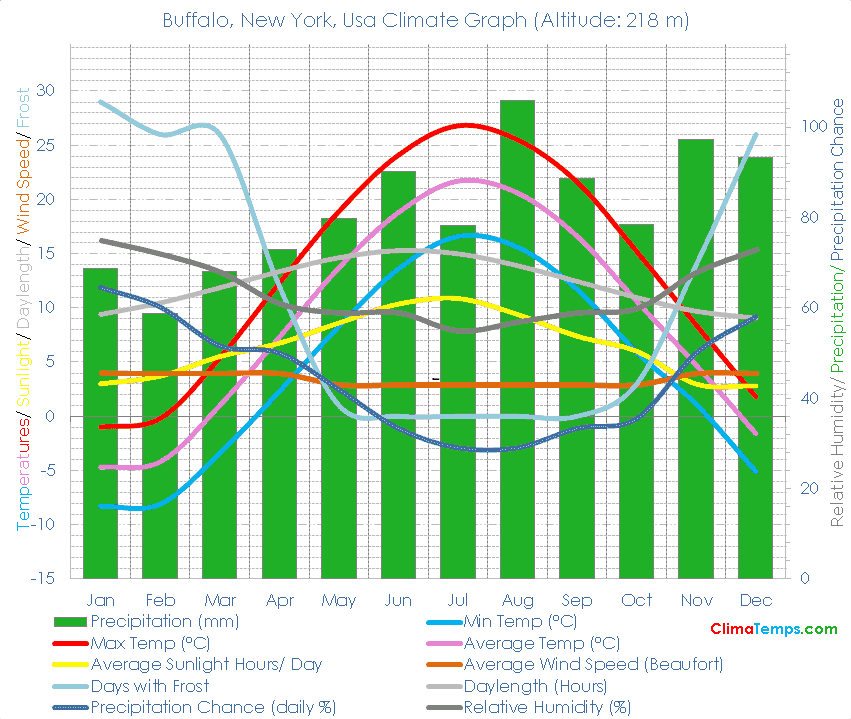
Buffalo is renowned for its diverse climate, characterized by significant temperature variations across its four distinct seasons. This seasonal shift is largely influenced by its proximity to the Great Lakes, particularly Lake Erie, which plays a pivotal role in creating localized weather phenomena, most notably the famous “lake effect” snow. Understanding these seasonal characteristics is crucial for any traveler looking to make the most of their visit.
Winter Wonders and Warmth (December – February)
Winter in Buffalo is undeniably iconic, often conjuring images of heavy snowfall and brisk temperatures. Average daytime temperatures during these months typically hover between 25°F and 35°F (-4°C to 2°C), with nighttime lows frequently dropping into the teens or single digits (-12°C to -7°C). While the cold can be intense, it’s also what transforms Buffalo into a picturesque winter wonderland. The “lake effect” phenomenon, where cold air picks up moisture from the relatively warmer Lake Erie and deposits it as snow on the downwind shore, can lead to impressive accumulations. However, it’s important to note that this snow often falls in localized bands, meaning one part of the city might be buried while another sees only a dusting.
Despite the cold, winter is a season of vibrant activity. The crisp air invigorates outdoor enthusiasts, while cozy indoor attractions offer warmth and entertainment. For travelers, packing layers, a heavy winter coat, waterproof boots, hats, gloves, and scarves is non-negotiable. The winter months can also be a more budget-friendly time to visit, especially outside of holiday peaks, offering great deals on accommodation and flights for those brave enough to embrace the chill. Resorts and hotels often feature inviting amenities like indoor pools, fireplaces in common areas, and warm dining options to create a comfortable retreat from the cold.

Spring’s Gentle Awakening (March – May)
As the calendar turns to spring, Buffalo slowly sheds its winter coat. March can still be quite cold, with lingering snow and temperatures similar to winter. However, by April, a noticeable shift occurs. Average temperatures in April range from 40°F to 55°F (4°C to 13°C), warming further in May to a comfortable 50°F to 70°F (10°C to 21°C). This is a season of transition, marked by melting snow, budding trees, and the gradual reawakening of outdoor life across New York State.
Spring in Buffalo is characterized by unpredictable weather, making versatile packing essential. Layers are still key, as a sunny, mild morning can quickly turn into a cool, rainy afternoon. A waterproof light jacket or umbrella is a must. This season offers a beautiful opportunity to witness the city transform, with parks and gardens coming to life. It’s an excellent time for those who prefer milder temperatures and fewer crowds compared to the peak summer season. Many indoor attractions remain popular, while outdoor activities slowly start to become more accessible as the ground thaws.

Summer’s Vibrant Pulse (June – August)
Summer in Buffalo is a glorious affair, characterized by warm temperatures, abundant sunshine, and a lively atmosphere. Average daytime temperatures typically range from 70°F to 80°F (21°C to 27°C), though heatwaves can push temperatures into the 90s (30s°C) with noticeable humidity, especially in July and August. Nighttime lows are generally pleasant, often staying in the 60s (15°C to 20°C). This is Buffalo’s peak tourist season, drawing visitors with its inviting weather and a plethora of outdoor festivals and events.
For summer travelers, light clothing, shorts, t-shirts, and comfortable walking shoes are essential. Sunscreen, sunglasses, and hats are also recommended for protection during outdoor excursions. The pleasant evenings often call for a light sweater or jacket. Accommodation during the summer can be in high demand, particularly around popular events or holidays, so booking well in advance is advisable. Hotels equipped with air conditioning and often featuring outdoor pools or close proximity to waterfront activities become highly desirable. Buffalo’s waterfront areas, like Canalside, truly come alive during these months.
Autumn’s Golden Embrace (September – November)
Autumn is arguably one of the most beautiful times to visit Buffalo, offering a stunning display of fall foliage and comfortably crisp temperatures. September remains relatively mild, with averages from 60°F to 70°F (15°C to 21°C). As October progresses, temperatures cool to 45°F to 60°F (7°C to 15°C), and by November, winter’s chill begins to set in, with averages dropping to 35°F to 50°F (2°C to 10°C). The vibrant hues of changing leaves across Western New York create a breathtaking backdrop for exploration.
Packing for autumn should involve layers, similar to spring, but with an emphasis on warmer options as the season progresses. Sweaters, long-sleeved shirts, jeans, and a medium-weight jacket are ideal. Waterproof footwear can be useful, especially in late autumn. This season strikes a wonderful balance for travelers: the weather is generally pleasant for outdoor activities like hiking and sightseeing, the crowds are thinner than in summer, and the natural beauty is unparalleled. Many hotels and resorts offer special autumn packages, inviting guests to enjoy the serene beauty before the arrival of winter.
Planning Your Trip: Temperature’s Influence on Buffalo Experiences
The temperature in Buffalo isn’t just a number; it dictates the rhythm of travel, influencing everything from your packing list to the types of activities you can enjoy and the overall vibe of your visit. Strategic planning, keeping the seasonal temperatures in mind, will transform a good trip into an unforgettable experience.
Packing Essentials for Every Season
Winter: Think warmth and waterproofing. A heavy, insulated, and waterproof winter coat is essential. Layering is crucial: thermal base layers, fleece mid-layers, and wool sweaters will provide ample warmth. Don’t forget waterproof boots with good traction, a warm hat that covers your ears, insulated gloves or mittens, and a scarf.
Spring: Versatility is key. Pack a mix of long-sleeved shirts, sweaters, and t-shirts. A waterproof and windproof jacket is a must, along with an umbrella. Comfortable walking shoes are good, but also consider waterproof shoes or boots for potentially wet conditions.
Summer: Light and breathable fabrics are ideal. Shorts, t-shirts, sundresses, and light trousers will keep you comfortable. A light sweater or jacket is useful for cooler evenings or air-conditioned indoor spaces. Sandals, sneakers, and swimwear are also important. Don’t forget sun protection: hat, sunglasses, and high-SPF sunscreen.
Autumn: Layering again, but with a focus on warmth. Long-sleeved shirts, sweaters, and a medium-weight jacket are suitable. Jeans or heavier trousers are comfortable. Waterproof shoes or boots are recommended, especially for late autumn. A warm hat and gloves might be needed for cooler days.
Outdoor vs. Indoor Activities: Making the Right Choice
Winter: While snowy landscapes offer opportunities for ice skating at Canalside, skiing at nearby resorts, or simply enjoying the serene beauty of a snow-covered Delaware Park, many activities shift indoors. Cultural attractions like the Buffalo AKG Art Museum, historical sites such as the Theodore Roosevelt Inaugural National Historic Site, and live performances at Shea’s Performing Arts Center become prime options. Attending a Buffalo Sabres game at the KeyBank Center is also a popular winter pastime.
Spring: As temperatures rise, outdoor activities gradually become more appealing. Strolling through blossoming parks, visiting the Buffalo Naval & Military Park before the peak crowds, or taking a scenic drive to see the early signs of spring near Niagara Falls are great options. Indoor attractions remain a good backup plan for unpredictable weather days.
Summer: This is prime time for outdoor exploration. Enjoy kayaking or paddleboarding at Canalside, exploring the vibrant neighborhoods of Elmwood Village and Allentown on foot, taking a boat tour of the Buffalo River, or catching a baseball game at Sahlen Field. The pleasant evenings are perfect for outdoor dining and waterfront strolls.
Autumn: The crisp air and stunning fall foliage make autumn ideal for outdoor adventures. Scenic drives through Western New York to admire the changing leaves, apple picking at local orchards, or hiking in nearby state parks are highly recommended. Visits to architectural masterpieces like Frank Lloyd Wright’s Darwin D. Martin House offer a blend of indoor history and outdoor beauty.
Staying Cozy or Cool: Accommodation in Buffalo
The choice of accommodation is deeply intertwined with Buffalo’s varying temperatures. Hotels, resorts, and vacation rentals go to great lengths to ensure guest comfort, offering amenities tailored to each season. Your budget, lifestyle, and the time of year will largely dictate your ideal lodging.
Hotel Amenities and Comfort Considerations
In winter, effective heating systems are paramount. Many hotels, especially luxury and boutique options like the Curtiss Hotel or the Hotel at The Lafayette, offer cozy lounges with fireplaces, on-site restaurants serving warm comfort food, and indoor heated pools or hot tubs. These features provide a welcoming refuge from the cold. Rooms with views of the snow-covered city can add a magical touch to your stay. For those planning an extended stay or a family trip, suites with kitchenettes can be particularly appealing for preparing warm meals.
During the warmer months of spring, summer, and early autumn, air conditioning is a top priority. Most modern hotels in Buffalo, such as the Hyatt Regency Buffalo or the Buffalo Marriott HARBORCENTER, are equipped with central AC. Hotels with outdoor spaces like patios, rooftop bars, or swimming pools become highly sought after. Proximity to waterfront attractions like Canalside or areas with vibrant outdoor dining can also enhance the summer experience. For business travelers, comfortable climate control within conference facilities is crucial, regardless of the season.
Booking and Pricing: Seasonal Trends
Accommodation pricing in Buffalo often follows seasonal demand. Summer is typically the peak season, driven by pleasant weather, family vacations, and numerous festivals and events. During these months (June-August), hotel rates tend to be at their highest, and popular options can book up quickly. Booking several months in advance is strongly recommended, especially if your visit coincides with major holidays or conventions.
The shoulder seasons of spring (April-May) and autumn (September-October) offer a sweet spot. Temperatures are generally comfortable, and while some events are ongoing, demand for accommodation is usually moderate. This can lead to more competitive pricing and better availability, making it an excellent time for budget-conscious travelers or those seeking a more relaxed experience. You might find attractive packages that combine accommodation with local tours or dining experiences.
Winter (November-March), excluding the holiday periods of Thanksgiving, Christmas, and New Year’s, often presents the lowest hotel rates. For travelers who don’t mind the cold and are looking for value, this can be an opportune time to visit. However, it’s still wise to book in advance for any dates around major sporting events or indoor festivals, as these can create spikes in demand. Long-term stay options, such as serviced apartments, might also offer more flexibility and better rates during off-peak seasons, particularly for business travelers or those exploring a lifestyle change.
Beyond the Thermometer: Experiencing Buffalo’s Diverse Appeal
While temperature profoundly impacts the practicalities of a trip to Buffalo, the city’s rich culture, renowned landmarks, and unique lifestyle offerings provide a compelling experience year-round, regardless of what the thermometer reads. Integrating these elements with the seasonal climate adds layers of depth to your journey.
Landmarks Through the Seasons
The majestic Niagara Falls, just a short drive from Buffalo, offers a dramatically different spectacle in each season. In winter, the partially frozen falls create an ethereal, icy wonderland, a breathtaking sight that feels otherworldly. Summer brings lush greenery and the full power of the falls, often accompanied by rainbows, with boat tours operating at full capacity. Spring and autumn provide a transitional beauty, with vibrant foliage in fall framing the cascades beautifully.
Closer to the city, architectural gems like Frank Lloyd Wright’s Darwin D. Martin House can be appreciated year-round. The interior tours are comfortable regardless of outside temperatures, allowing visitors to delve into its historical significance. However, the surrounding grounds and gardens are particularly stunning in spring bloom or autumn colors. Canalside transforms from an ice-skating rink in winter to a vibrant hub for kayaking, concerts, and outdoor markets in summer. Delaware Park is perfect for brisk walks in fall, snowy cross-country skiing in winter, or leisurely picnics in summer. Each landmark takes on a new personality with the changing weather, inviting repeat visits.
Culinary Journeys and Local Lifestyle
Buffalo’s culinary scene, famous for its Buffalo wings, also adapts to the seasons. In winter, cozy pubs and restaurants offer hearty comfort food – think rich stews, warm sandwiches, and robust craft beers – perfect for warming up after a day in the cold. The city’s vibrant coffee shop culture also thrives, providing warm beverages and inviting atmospheres.
Summer brings a surge of outdoor dining, with patios and rooftop bars coming alive across neighborhoods like Elmwood Village and Allentown. Farmers’ markets burst with fresh, seasonal produce, inspiring lighter, fresher menus. Food trucks also emerge, offering a diverse array of street food perfect for enjoying under the sun. Spring and autumn offer a blend, with farm-to-table restaurants highlighting seasonal ingredients. The diverse ethnic food scene, particularly notable around the West Side Bazaar, provides a culinary adventure that transcends temperature.
Beyond food, Buffalo’s lifestyle encourages engagement with its community and cultural institutions. The Buffalo Philharmonic Orchestra and various theaters at Shea’s Performing Arts Center offer indoor entertainment regardless of the weather. Local festivals celebrating everything from craft beer to art and music punctuate the calendar, often tailored to the most pleasant temperatures of summer and early autumn. Whether you’re seeking luxury travel with high-end dining experiences or budget travel focused on free outdoor events, Buffalo’s temperature influences the available choices, allowing you to tailor your lifestyle experience to your preferences.
Conclusion
The temperature in Buffalo, New York, is a defining characteristic of this dynamic North American city. Far from being a mere meteorological fact, it is an integral part of the travel experience, dictating the rhythm of daily life and the opportunities for exploration. From the intense, snowy beauty of winter, perfect for cozy indoor retreats and hardy outdoor adventures, to the sun-drenched vibrancy of summer, ideal for waterfront activities and lively festivals, each season presents Buffalo in a new light.
By understanding the city’s distinct seasonal shifts – the chilly elegance of winter, the blossoming promise of spring, the warm exhilaration of summer, and the crisp, colorful charm of autumn – travelers can plan more effectively. This knowledge empowers you to pack appropriately, choose the best accommodation with amenities suited to your comfort, and curate an itinerary that perfectly aligns with the weather. Whether you’re drawn to Buffalo’s architectural marvels, its rich history, its evolving culinary scene, or its proximity to natural wonders like Niagara Falls, a thoughtful consideration of the temperature will undoubtedly enhance your journey. So, check the forecast, embrace the seasonal changes, and prepare to discover the diverse and captivating appeal of Buffalo, come rain, shine, or snow.
LifeOutOfTheBox is a participant in the Amazon Services LLC Associates Program, an affiliate advertising program designed to provide a means for sites to earn advertising fees by advertising and linking to Amazon.com. Amazon, the Amazon logo, AmazonSupply, and the AmazonSupply logo are trademarks of Amazon.com, Inc. or its affiliates. As an Amazon Associate we earn affiliate commissions from qualifying purchases.