
For anyone planning a trip or simply curious, understanding the current time in Oregon, USA, is a fundamental first step. Whether you’re coordinating a business call across continents, planning your arrival from a different time zone, or simply want to know if it’s too late for a morning coffee in Portland, time plays a crucial role in every aspect of travel and daily life. As a vibrant state renowned for its diverse landscapes, thriving cities, and unique culture, Oregon operates predominantly within a single time zone, simplifying planning for most visitors. However, the nuances of Daylight Saving Time and the sheer geographical breadth of the state mean there are always details worth exploring for the savvy traveler.
This comprehensive guide will not only pinpoint the current time in Oregon but also delve into why this knowledge is paramount for planning unforgettable travel experiences. From coordinating flights and hotel check-ins to maximizing your sightseeing schedule and embracing local activities, understanding Oregon’s time zone ensures a smoother, more enjoyable journey. We’ll explore how time impacts everything from dining reservations in Bend to sunset viewing on the Oregon Coast, ensuring your internal clock is perfectly synchronized with the rhythm of this magnificent Pacific Northwest gem.
Understanding Oregon’s Time Zones: Pacific Standard Time Explained
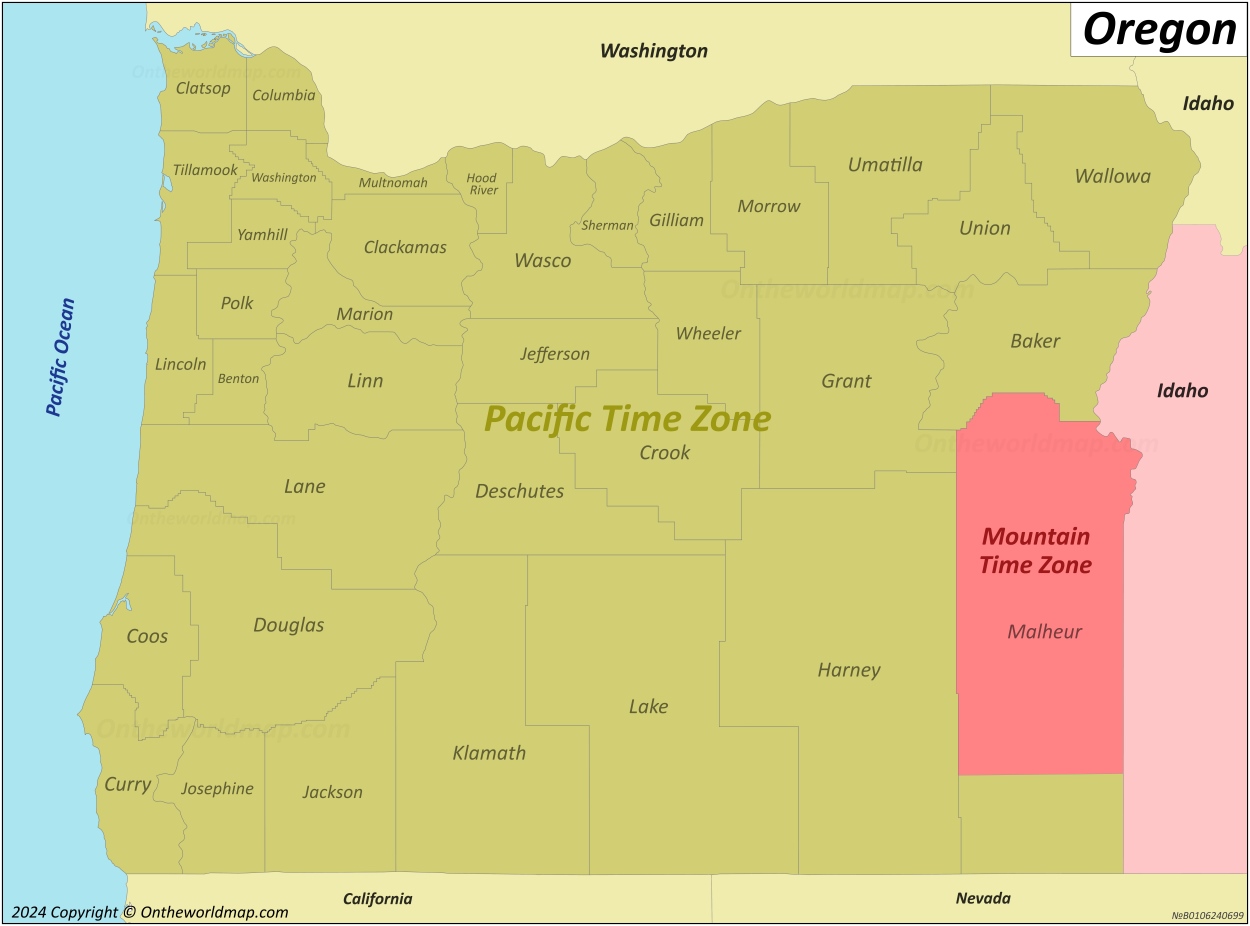
At its core, Oregon observes the Pacific Time Zone. This means that most of the state adheres to either Pacific Standard Time (PST) or Pacific Daylight Time (PDT) depending on the time of year. Knowing this fundamental fact is the key to unlocking seamless travel plans and staying connected with those outside the state.
The Pacific Time Zone: A Geographical Perspective
The Pacific Time Zone encompasses the westernmost contiguous states of the United States, including California, Washington, and Nevada, alongside most of Oregon. Historically, time zones were established to standardize train schedules, and today, they continue to provide a uniform clock for vast geographical regions. For Oregon, this typically means being three hours behind the Eastern Time Zone (EST/EDT) and one hour behind the Mountain Time Zone (MST/MDT). This geographical placement often results in glorious late sunsets during the summer months, offering extended daylight hours for outdoor adventures and evening strolls, a true boon for tourism.
While the vast majority of Oregon falls within the Pacific Time Zone, there’s a small, notable exception. A portion of Malheur County, in the far southeastern corner of the state, observes the Mountain Time Zone. This unique situation is largely due to its proximity and economic ties to Idaho, which observes Mountain Time. For most travelers, especially those sticking to popular routes and destinations, this exception won’t be a concern, but it’s a valuable detail for anyone venturing into that specific region. Always double-check local times if your itinerary takes you to the far reaches of the state.
Daylight Saving Time: Adjusting the Clocks
Like many regions across the globe, Oregon observes Daylight Saving Time (DST). This annual practice involves advancing clocks by one hour in the spring, typically on the second Sunday of March, and reverting them back in the fall, on the first Sunday of November. During the DST period, Oregon switches from Pacific Standard Time (PST) to Pacific Daylight Time (PDT).
The shift to PDT means an additional hour of daylight in the evenings, which significantly impacts travel planning. Imagine long summer evenings where you can enjoy a hike at Mount Hood, explore the shops of Ashland, or savor a late outdoor dinner in Portland, all while the sun is still high in the sky. This extended daylight is a major draw for tourists, allowing for more activities and longer sightseeing days. Conversely, travelers arriving during the transition periods might experience a slight adjustment, either gaining or losing an hour. Modern smartphones and devices typically update automatically, but it’s always wise to confirm local time upon arrival, especially if you’re traveling across multiple time zones. Understanding Daylight Saving Time is crucial for anyone looking to maximize their Oregon adventure, from booking early morning tours to planning sunset photography sessions.
Navigating Oregon: Time Zones and Seamless Travel Planning
For the discerning traveler, understanding Oregon’s time zone goes beyond mere curiosity; it’s a strategic tool for optimizing your itinerary. From the moment you land to your final departure, synchronizing with local time ensures a smooth, stress-free experience, allowing you to immerse yourself fully in the state’s natural beauty and vibrant culture.
Planning Your Arrival: Airports and Transportation
Most visitors to Oregon arrive via Portland International Airport (PDX), the state’s largest and busiest airport. Located in the Pacific Time Zone, your flight arrival time will directly correspond to local Oregon time. If you’re arriving from the East Coast, be prepared for a three-hour time difference (or more, depending on your origin and DST status). This jet lag can be significant, so factor it into your initial plans. Perhaps schedule a relaxed first day, allowing your body to adjust before embarking on strenuous activities.
When booking ground transportation, whether it’s a rental car pick-up, a shuttle service, or a pre-arranged taxi, always confirm times in local Oregon time. Hotel check-in times are also critical; many accommodations, from luxury suites in downtown Portland to cozy cabins on the coast, have standard check-in hours, typically in the afternoon. Knowing the precise time allows you to communicate effectively with your accommodation provider, preventing any missed connections or unnecessary waiting. For those planning to utilize Amtrak or other bus services, all schedules will be listed in local Pacific Time.
Key Destinations and Their Timeless Appeal
Oregon’s diverse geography offers a plethora of destinations, each with its own rhythm and appeal. Understanding the time zones helps you plan travel between these spots, particularly when activities are time-sensitive.
- Portland: The state’s largest city, Portland is a hub for foodies, craft beer enthusiasts, and art lovers. All activities, from early morning coffee shop visits to late-night culinary adventures, operate on Pacific Time. Plan your day to hit the International Rose Test Garden or Powell’s City of Books during optimal hours.
- Oregon Coast: Stretching over 360 miles, the Oregon Coast is a haven of rugged beauty. Towns like Cannon Beach, home to the iconic Haystack Rock, and Astoria are popular stops. Here, time impacts tide pooling (best at low tide), whale watching tours (seasonal and time-dependent), and sunset viewing, which can be spectacular late into the summer evenings due to PDT.
- Columbia River Gorge: Just east of Portland, this national scenic area is famous for its waterfalls, most notably Multnomah Falls. Hiking trails and visitor centers operate on Pacific Time, and planning for early morning visits can help avoid crowds, especially during peak season.
- Central Oregon: Cities like Bend offer a high desert playground for outdoor enthusiasts. Ski resorts on Mount Bachelor, white-water rafting on the Deschutes River, and mountain biking all require careful time management, especially when considering daylight hours and guided tour schedules.
- Southern Oregon: Home to Crater Lake National Park and the Oregon Shakespeare Festival in Ashland, this region promises diverse experiences. Theater performances in Ashland are strictly scheduled, and park operating hours for Crater Lake tours or visitor centers are all in Pacific Time.

Experiencing Oregon: Beyond the Clock
While knowing the time is practical, truly experiencing Oregon means embracing its unique rhythms and making the most of every moment. From its stunning natural landmarks to its vibrant urban centers, Oregon offers a tapestry of experiences best savored without the constant tick of the clock, yet subtly influenced by the passage of time.
Coastal Wonders and Mountain Retreats
The dramatic Oregon Coast provides endless opportunities for exploration. Imagine waking up to the sound of waves at a charming beachfront hotel in Depoe Bay, knowing you have ample daylight to explore tide pools at Ecola State Park or visit the Tillamook Creamery. The sunset over the Pacific, often stretching out due to the western location within the Pacific Time Zone, is a spectacle not to be rushed.
Inland, the majestic Cascade Mountains offer a different kind of retreat. Mount Hood, Oregon’s highest peak, hosts year-round skiing at Timberline Lodge, where lifts open and close punctually according to Pacific Time. Similarly, a visit to the ethereal Crater Lake National Park demands time for scenic drives, boat tours (seasonal and weather-dependent), and reflective moments admiring its deep blue waters. Even a visit to the volcanic landscapes of Newberry National Volcanic Monument in Central Oregon benefits from careful planning to ensure you have enough daylight to explore its lava flows and obsidian fields.
Urban Adventures and Culinary Delights
Oregon’s cities, especially Portland and Eugene, are epicenters of culture and gastronomy. Portland’s renowned food truck scene, world-class restaurants, and vibrant craft brewery culture operate on local time, with specific opening and closing hours. A carefully timed visit means you won’t miss out on that acclaimed brunch spot or a happy hour special. The Willamette Valley, a globally recognized wine region just south of Portland, offers vineyard tours and tasting room experiences that are best booked in advance, keeping Pacific Time in mind.
From strolling through Portland’s diverse neighborhoods to exploring Salem, the state capital, or enjoying a Shakespearean play in Ashland, the rhythm of urban life is dictated by the clock. Museums, art galleries, boutiques, and performance venues all adhere to schedules that are essential for travelers to note. Even simpler pleasures, like catching a movie or attending a local market, require a quick check of the time, allowing you to seamlessly integrate into the local lifestyle and make the most of your travel experiences.
Accommodation and Lifestyle: Making the Most of Your Oregon Stay
The choice of accommodation profoundly impacts your travel lifestyle and overall experience in Oregon. From luxurious resorts offering unparalleled amenities to charming boutique hotels and practical apartments, understanding how time influences your stay is key to a perfectly curated trip.
From Luxury Resorts to Cozy Boutiques
Oregon boasts an impressive array of accommodation options designed to cater to every taste and budget. In Portland, you can find upscale hotels like The Nines, a Luxury Collection Hotel, or the trendy Hotel Vintage Portland, offering amenities from spas to rooftop bars. Resorts like Sunriver Resort near Bend or Riverhouse on the Deschutes provide a comprehensive experience for family trips or romantic getaways. On the coast, boutique hotels and vacation rentals in towns like Cannon Beach offer quaint charm and direct beach access. In Ashland, the historic Ashland Springs Hotel combines elegance with convenience for theater-goers.
Regardless of your choice, standard check-in and check-out times, typically around 3 PM for check-in and 11 AM for check-out, are universally observed in Pacific Time. If you arrive early from a distant time zone, consider inquiring about early check-in or luggage storage options. Conversely, a late flight might necessitate a late check-out arrangement to fully enjoy your last moments in Oregon without rushing. Many hotels offer amenities like 24-hour concierge services or fitness centers, allowing you to adjust to the new time zone at your own pace. For long-term stays, particularly in apartments or villas, communicating your exact arrival and departure times is even more crucial for key handovers and property management.
Embracing Oregon’s Diverse Lifestyles
Oregon caters to a spectrum of lifestyles. For the luxury traveler, a stay at a high-end resort in the Willamette Valley might include timed wine tasting appointments and gourmet dining reservations. For budget travelers, planning activities around free attractions or happy hour specials becomes part of the strategy, with local time dictating the best opportunities. Family trips often revolve around kid-friendly attractions like the Oregon Zoo or various parks, all with defined operating hours. Business travelers, too, must meticulously align their schedules with Pacific Time for meetings and conferences, often juggling calls with colleagues in different time zones.
Embracing the local lifestyle also means understanding when shops open, when public transport is most frequent, or when popular trails are less crowded. The extra daylight hours during Daylight Saving Time can be a game-changer for outdoor enthusiasts, allowing for longer hikes or scenic drives. For those seeking cultural immersion, local festivals, farmers’ markets, and live music events all have specific timings. By being mindful of the clock, visitors can seamlessly integrate into Oregon’s diverse offerings, transforming a simple trip into a rich, authentic experience that resonates with their preferred travel lifestyle.
Practical Tips for Travelers: Synchronizing with Oregon Time
To ensure your Oregon adventure unfolds without a hitch, a few practical considerations regarding time can make all the difference. These tips will help you manage potential jet lag, maximize your sightseeing, and stay connected effectively.
- Adjust Before You Arrive: If traveling from a significantly different time zone, try to adjust your sleep schedule gradually a few days before your trip. Shift your bedtime and wake-up time closer to Oregon’s Pacific Time.
- Set Your Devices: Upon landing, immediately update all your portable devices (phone, watch, tablet) to Pacific Time. Most smartphones do this automatically, but a quick check ensures you’re never out of sync.
- Stay Hydrated and Get Sunlight: Combat jet lag by staying well-hydrated and exposing yourself to natural sunlight, especially in the mornings. This helps reset your body’s internal clock faster.
- Confirm All Bookings in Local Time: Double-check flight departures, hotel check-in/check-out times, restaurant reservations, tour schedules, and rental car pick-up/drop-off times. Always assume they are in local Oregon time unless explicitly stated otherwise.
- Be Mindful of Business Hours: Many small businesses, particularly in rural areas or coastal towns like Tillamook or Florence, may have shorter or more specific operating hours than larger city establishments. Always check online or call ahead, especially for unique shops or local eateries.
- Factor in Daylight Saving Time: Be aware of the spring forward/fall back dates. If your trip spans these transitions, you’ll either gain or lose an hour, which could impact early morning flights or late-night activities.
- Communicate Clearly: When coordinating with friends, family, or business contacts outside of Oregon, clearly state that you are operating on Pacific Time (PST or PDT) to avoid confusion. Tools like world clock apps can be very helpful.
By keeping these simple tips in mind, your journey through Oregon will be as smooth and enjoyable as the state’s iconic Willamette Valley wines. Understanding and respecting the flow of time in Oregon allows you to truly relax, explore, and create lasting memories without the unnecessary stress of missed connections or scheduling mishaps. So, set your watch, embrace the Pacific Time Zone, and get ready to discover all that this incredible state has to offer.
LifeOutOfTheBox is a participant in the Amazon Services LLC Associates Program, an affiliate advertising program designed to provide a means for sites to earn advertising fees by advertising and linking to Amazon.com. Amazon, the Amazon logo, AmazonSupply, and the AmazonSupply logo are trademarks of Amazon.com, Inc. or its affiliates. As an Amazon Associate we earn affiliate commissions from qualifying purchases.