
When one conjures images of the American landscape, states like Colorado, California, or Washington often spring to mind, synonymous with towering peaks, snow-capped summits, and dramatic alpine scenery. Consequently, the state of Oklahoma, often characterized by its vast prairies, rolling plains, and indeed, its iconic Sooner State charm, might not immediately be associated with mountainous terrain. However, this perception, while understandable, overlooks a surprisingly rugged and geologically diverse topography that certainly merits the designation of “mountains,” albeit perhaps not in the same vein as the Rockies. Oklahoma boasts a distinct set of elevated geological formations that offer significant natural beauty, recreational opportunities, and a unique perspective on the state’s rich geological history.

The Geological Tapestry: Defining Oklahoma’s “Mountains”
The definition of “mountain” can be somewhat fluid, often dependent on local context and popular perception. While Oklahoma may not possess stratovolcanoes or massive fault-block ranges, its elevated regions are characterized by significant topographical relief, distinct geological origins, and ecosystems that differentiate them from the surrounding flatlands. These areas are often characterized by rugged terrain, steep slopes, and higher elevations that provide a dramatic departure from the typical prairie landscape.
The Ozark Plateau: A Northeastern Gem
Perhaps the most defining mountainous region in Oklahoma is the southwestern extension of the Ozark Plateau. This ancient dissected plateau, primarily located in northwestern Arkansas and extending into Missouri and eastern Oklahoma, is characterized by its deeply incised valleys, forested hills, and numerous springs and rivers. While not reaching the extreme heights of western mountain ranges, the hills of the Ozark Plateau in Oklahoma frequently rise 1,000 to 2,000 feet above sea level, with some peaks exceeding 2,500 feet. These are not mere hills; they are significant topographical features that dictate local climate, hydrology, and biodiversity. The region’s geology is primarily composed of sedimentary rocks, including limestone and dolomite, which have been eroded over millions of years to create the distinctive karst topography, characterized by caves, sinkholes, and underground streams. This geological history has sculpted a landscape of considerable beauty and ecological importance.
The Ouachita Mountains: A Rugged Southern Frontier
To the southeast, the Ouachita Mountains present an even more formidable and classic mountainous character. This range, extending from central Arkansas into southeastern Oklahoma, is geologically unique, formed by compressional forces that folded and faulted the ancient rock layers. The Ouachita Mountains are characterized by long, parallel ridges and valleys, with elevations reaching over 3,000 feet in places, the highest points in the state. The range is dominated by exposed sandstone and shale formations, contributing to its rugged and often dramatic terrain. Unlike the Ozark Plateau, the Ouachita Mountains are geologically older and exhibit a more pronounced mountain-like structure with significant relief. The dense forests, clear streams, and abundant wildlife further enhance the perception of a true mountain wilderness.
The Arbuckle Mountains: A Geologically Intriguing Uplift
In south-central Oklahoma, the Arbuckle Mountains offer another fascinating example of elevated terrain. This range is not the result of recent tectonic activity but rather represents a much older geological uplift that has been extensively eroded. The Arbuckle Mountains are known for their exposed ancient rock formations, some dating back over a billion years, making them some of the oldest exposed rocks in North America. While not as high as the Ouachitas, the Arbuckles present a distinct, elevated landscape with rugged hills, canyons, and unique geological features like natural springs and ancient marine fossil beds. The area’s geological significance is immense, offering a glimpse into the deep history of the Earth’s crust.
Experiencing Oklahoma’s Elevated Landscapes: Destinations and Activities
The presence of these elevated regions transforms Oklahoma into a destination offering a surprising array of outdoor adventures and natural beauty. Whether you are a seasoned hiker, a nature enthusiast, or simply seeking a scenic drive, these areas provide ample opportunities for exploration and enjoyment.
Hiking and Outdoor Recreation
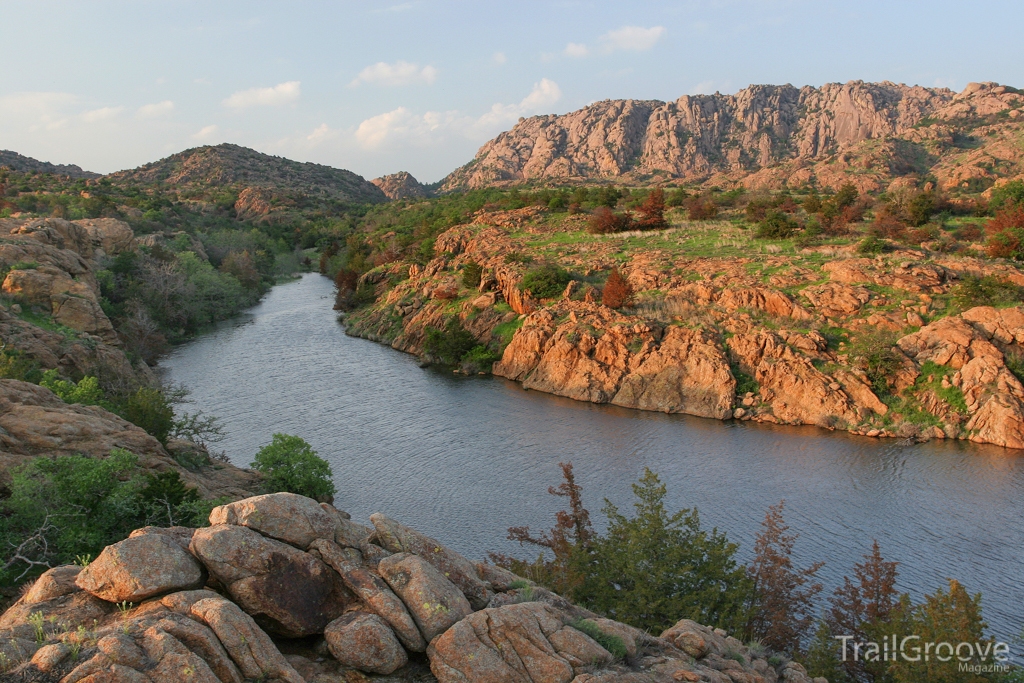
The mountains and highlands of Oklahoma are a haven for outdoor enthusiasts. The Ouachita Mountains, in particular, boast an extensive network of hiking trails, including sections of the famous Ouachita Trail. This trail winds through dense forests, over ridges, and alongside crystal-clear streams, offering breathtaking vistas and a true wilderness experience. Popular destinations within this range include the Talimena National Scenic Byway, which offers spectacular views from its highest points, and the numerous state parks like Beavers Bend State Park, known for its rugged beauty and recreational opportunities around Broken Bow Lake.
In the Ozarks of northeastern Oklahoma, areas like the Spavinaw Hills and the vicinity of Grand Lake o’ the Cherokees offer opportunities for hiking, boating, and exploring picturesque landscapes. The rolling hills and deep valleys provide a gentler, yet still captivating, outdoor experience. The Arbuckle Mountains offer unique hiking opportunities, with trails leading through canyons and to scenic overlooks. Turner Falls Park, home to Oklahoma’s tallest waterfall, is a popular destination within this range, offering swimming, hiking, and cave exploration.
Scenic Drives and Panoramic Views
For those who prefer to take in the scenery from the comfort of their vehicle, the elevated regions of Oklahoma offer some of the most stunning scenic drives in the state. The Talimena National Scenic Byway, which traverses the crest of the Ouachita Mountains between Arkansas and Oklahoma, is an absolute must-drive. Its numerous overlooks provide sweeping panoramic views of the rolling mountain ranges, particularly breathtaking during the autumn foliage season. The winding roads and dramatic elevation changes create a sense of journeying through a truly mountainous landscape.
The drive through the northeastern Ozarks also offers picturesque routes, with roads that meander through wooded hills and offer glimpses of clear lakes and rivers. While less dramatic than the Ouachitas, these drives provide a sense of peaceful exploration through a beautiful, elevated terrain. The Arbuckle Mountains also have scenic roads that wind through their distinctive hills and canyons, offering a different but equally engaging visual experience.
Wildlife and Natural Wonders
The varied topography of Oklahoma’s elevated regions supports a rich diversity of flora and fauna. The dense forests of the Ouachita Mountains are home to white-tailed deer, wild turkeys, and a variety of bird species. Black bears are also present in the more remote areas. The clear mountain streams and lakes teem with fish, making them popular spots for anglers. The Ozarks also support a healthy ecosystem, with abundant birdlife and a variety of woodland mammals. The karst topography of the Ozarks contributes to unique geological formations, including numerous caves that are home to bat colonies and other cave-dwelling creatures.
The Arbuckle Mountains, despite their ancient origins, are also home to unique ecosystems. The region is known for its diverse plant life, including several rare and endemic species. The springs and waterways of the Arbuckles are vital for local wildlife, and the area is a significant stopover point for migratory birds. The clear waters of the springs themselves are a natural wonder, showcasing the geological history of the region.
Beyond the Prairie: A Nuanced Understanding of Oklahoma’s Terrain
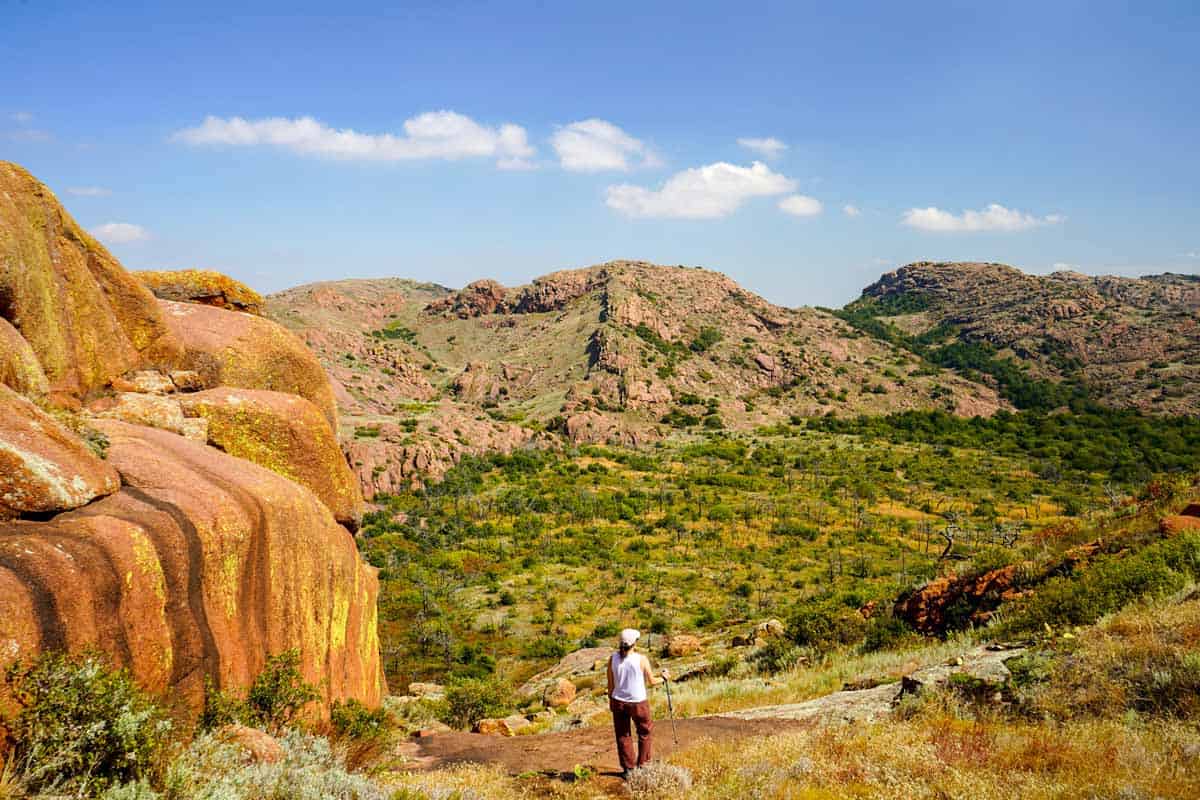
In conclusion, the question “Are There Mountains In Oklahoma?” is best answered with a nuanced “yes.” While the state may not be defined by colossal, snow-capped peaks, it undeniably possesses significant elevated and rugged geographical features that qualify as mountains in their own right. The Ozark Plateau, the Ouachita Mountains, and the Arbuckle Mountains all offer distinct geological characteristics, breathtaking natural beauty, and a wealth of recreational opportunities.
These regions provide a vital counterpoint to the more commonly perceived flat or gently rolling landscapes of Oklahoma, offering visitors and residents alike the chance to explore diverse ecosystems, engage in outdoor activities, and appreciate the geological history etched into the very land. So, the next time you think of Oklahoma, remember that beyond the vast plains lies a surprisingly mountainous heart, waiting to be discovered and explored.
LifeOutOfTheBox is a participant in the Amazon Services LLC Associates Program, an affiliate advertising program designed to provide a means for sites to earn advertising fees by advertising and linking to Amazon.com. Amazon, the Amazon logo, AmazonSupply, and the AmazonSupply logo are trademarks of Amazon.com, Inc. or its affiliates. As an Amazon Associate we earn affiliate commissions from qualifying purchases.