
The question of whether Puerto Rico votes for the US President is a common one, often sparking curiosity among travelers planning a visit and citizens seeking to understand the unique political landscape of this vibrant Caribbean island. While Puerto Ricans are United States citizens, the answer to this seemingly straightforward question is more nuanced than a simple yes or no. This article delves into the political status of [Puerto Rico], its relationship with the [US], and how this impacts presidential elections, all while highlighting the island’s incredible appeal as a travel destination, rich in culture, history, and unforgettable experiences.
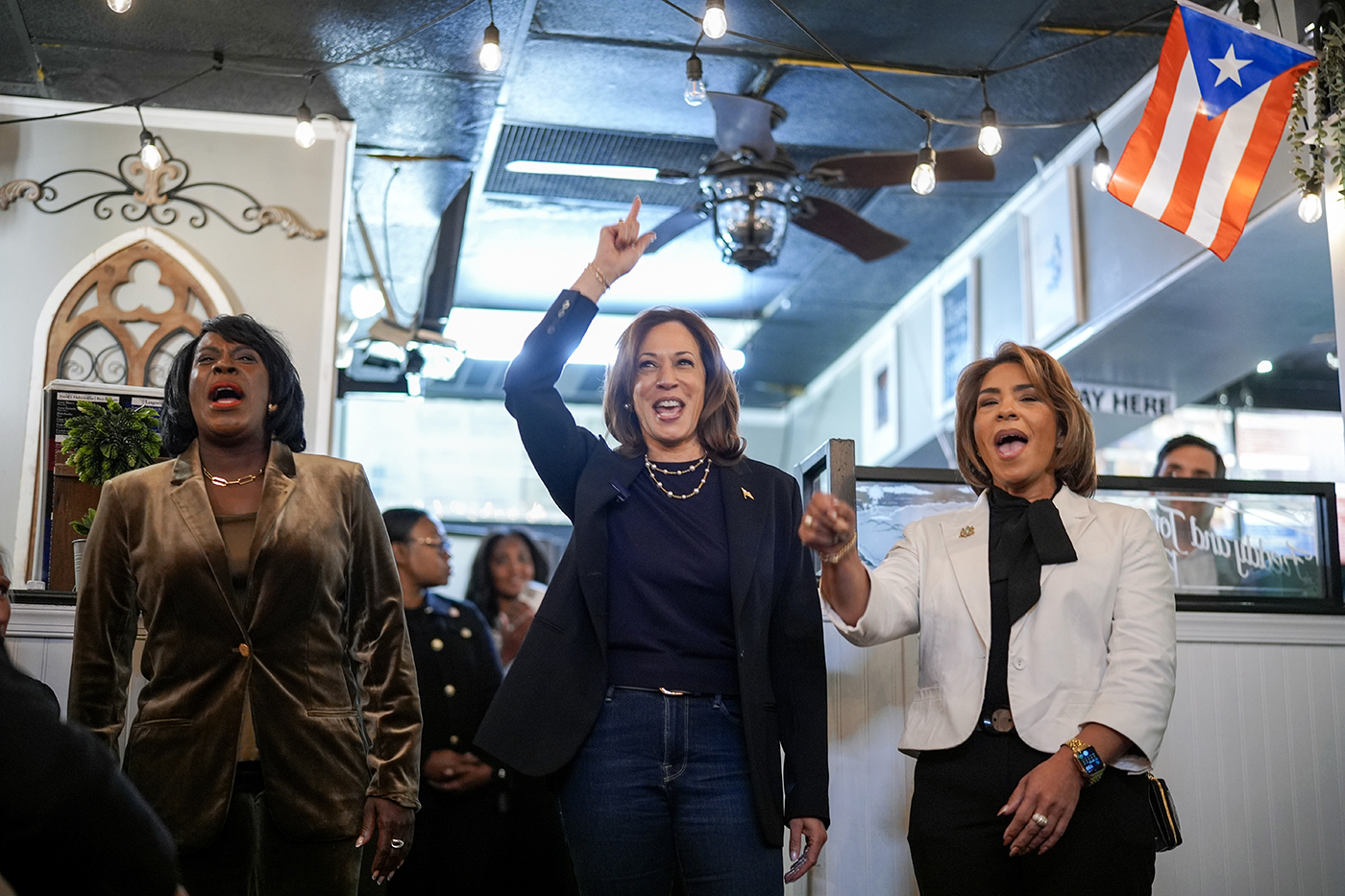
Understanding Puerto Rico’s Unique Political Status
To comprehend why [Puerto Rico] does not participate in general US presidential elections, it’s essential to first understand its unique political standing. Unlike the 50 states, [Puerto Rico] is an unincorporated territory of the [United States]. This designation means it is subject to the authority of the US Congress, but not fully integrated into the [US] federal system.
Historical Context: From Spanish Colony to US Territory
[Puerto Rico]’s journey to its current status is a fascinating saga stretching back centuries. Originally inhabited by the Taíno people, the island became a Spanish colony after Christopher Columbus landed there in 1493. For over 400 years, it remained under Spanish rule, developing a distinct Spanish-Caribbean culture that still thrives today. This rich history is evident in San Juan’s colonial architecture, the vibrant music, and the delicious cuisine that visitors can savor.The shift in sovereignty occurred at the end of the 19th century. In 1898, following the Spanish-American War, Spain ceded [Puerto Rico] to the [United States] under the Treaty of Paris. Initially governed by military rule, it transitioned to civilian administration with the passage of the Foraker Act in 1900. A pivotal moment arrived in 1917 with the Jones-Shafroth Act, which granted US citizenship to all [Puerto Ricans]. This act bestowed significant rights upon island residents, including the ability to serve in the US military and travel freely to the mainland [United States], yet it did not alter the island’s territorial status or grant full federal voting rights.
What Does “Unincorporated Territory” Mean?
The term “unincorporated territory” means that the full US Constitution does not automatically apply to [Puerto Rico]. Instead, Congress determines which constitutional provisions extend to the island. This is a crucial distinction that sets [Puerto Rico] apart from the states. Residents of [Puerto Rico] pay federal taxes like Social Security and Medicare, but generally do not pay federal income tax on income earned within the territory. They are subject to federal laws and regulations but lack full representation in the federal government.
This unique status creates a fascinating duality. On one hand, [Puerto Rico] enjoys significant autonomy in its local governance, electing its own Governor of Puerto Rico and a local legislature. On the other hand, major decisions affecting the island’s future ultimately rest with the [US Congress]. This delicate balance impacts everything from economic development to infrastructure projects, and it’s a topic often discussed by locals, offering visitors a deeper insight into the island’s contemporary dynamics.
The Electoral System: Why Puerto Rico Doesn’t Vote in Presidential Elections
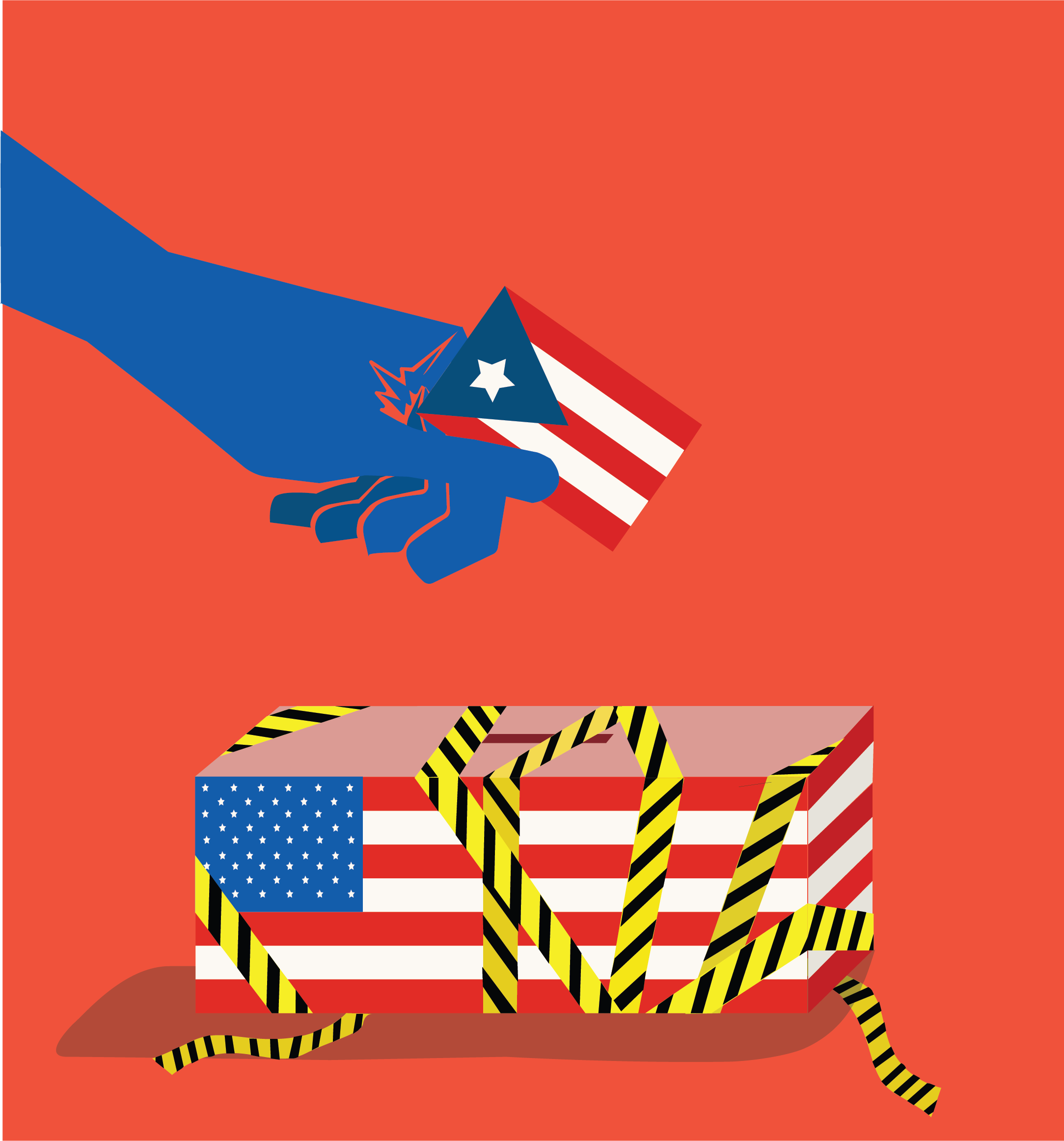
Despite being [US citizens], [Puerto Ricans] residing on the island do not have the right to vote in general [US presidential elections]. This is the direct consequence of its status as an unincorporated territory.
US Citizenship, But No Federal Voting Rights
The fundamental reason for this lies in the [US Constitution], which dictates that presidential elections are determined by the Electoral College. Each state is allocated a certain number of electoral votes based on its population, and only states are given these votes. As a territory, [Puerto Rico] is not a state, and therefore does not have electoral votes. Consequently, its residents cannot vote directly for the President and Vice President in the general election.
This situation means that millions of [US citizens] living in [Puerto Rico] do not have a say in who occupies the highest office in the nation they are a part of. This lack of federal voting representation is a central point of contention in the ongoing debate about the island’s political future. For visitors interested in local politics and social issues, engaging with locals on this topic can provide a profound understanding of their daily lives and aspirations.
The Role of Primary Elections and Delegates
While [Puerto Ricans] cannot vote in the general presidential election, they do participate in the primary elections of the Democratic Party and the Republican Party. During these primaries, Puerto Rican voters cast ballots to help select their party’s nominee for president. The delegates chosen in these primaries then attend their respective national party conventions, where they formally cast their votes for the candidate.
This participation, while significant in shaping party platforms and candidate selection, does not translate into a direct vote in November. It highlights the complex, semi-enfranchised nature of [Puerto Rico]’s relationship with the federal government. For those interested in US political processes and how they intersect with unique territorial arrangements, observing the primary season in [Puerto Rico] offers a fascinating case study.
The Impact of Commonwealth Status on Daily Life and Tourism
The commonwealth status of [Puerto Rico] profoundly shapes not just its political landscape but also the daily lives of its residents and the experience of tourists. It creates a distinctive environment that blends American influences with a deeply rooted Puerto Rican identity.
Economic Implications and Federal Aid
[Puerto Rico]’s economy is intricately linked to its relationship with the [United States]. The island benefits from federal funding in areas like education, healthcare, and infrastructure, similar to how states receive federal aid. However, it also faces unique economic challenges, including a high poverty rate and significant public debt. The debate over statehood, independence, or an enhanced commonwealth status often centers on the potential economic ramifications of each option.For budget-conscious travelers, understanding these dynamics can offer insight into the local economy, from the pricing of goods and services to the availability of local products. The infrastructure, though robust in many tourist areas like [San Juan], also reflects the historical ebb and flow of federal investment and local initiatives.
Local Governance and Autonomy
Under its commonwealth status, [Puerto Rico] has a strong degree of self-governance. It has its own constitution, ratified in 1952, and an elected government consisting of a Governor and a bicameral legislative assembly. This local autonomy allows [Puerto Rico] to enact its own laws on many domestic matters, manage its own police force, and develop its own educational system, reflecting the specific needs and cultural values of its people.
This local control is a key factor in maintaining [Puerto Rico]’s distinct cultural flavor, which is a major draw for tourism. Unlike some other US destinations, [Puerto Rico] offers a distinctly Latin American ambiance, with [Spanish] as the primary language and vibrant local traditions.
A Unique Cultural Identity for Visitors and Residents
Perhaps one of the most compelling aspects of [Puerto Rico]’s status is the preservation and celebration of its unique cultural identity. While connected to the [United States], [Puerto Rico] is far from a mere extension of the mainland. It boasts a rich tapestry of [Taíno], [African], and [Spanish] heritage, which is beautifully expressed through its [music], art, festivals, and [cuisine].
For travelers, this means an immersive experience that is both familiar and exotic. You can find major US chain hotels and resorts offering world-class amenities, but also charming boutique hotels and local guesthouses that embody the island’s spirit. The lifestyle here is a vibrant blend of efficiency and leisure, where business meets beach, and history intertwines with modern comforts. From the historic streets of Old San Juan to the natural wonders of El Yunque National Forest, every corner of the island tells a story of cultural resilience and pride.
The Ongoing Debate: Statehood vs. Independence vs. Enhanced Commonwealth
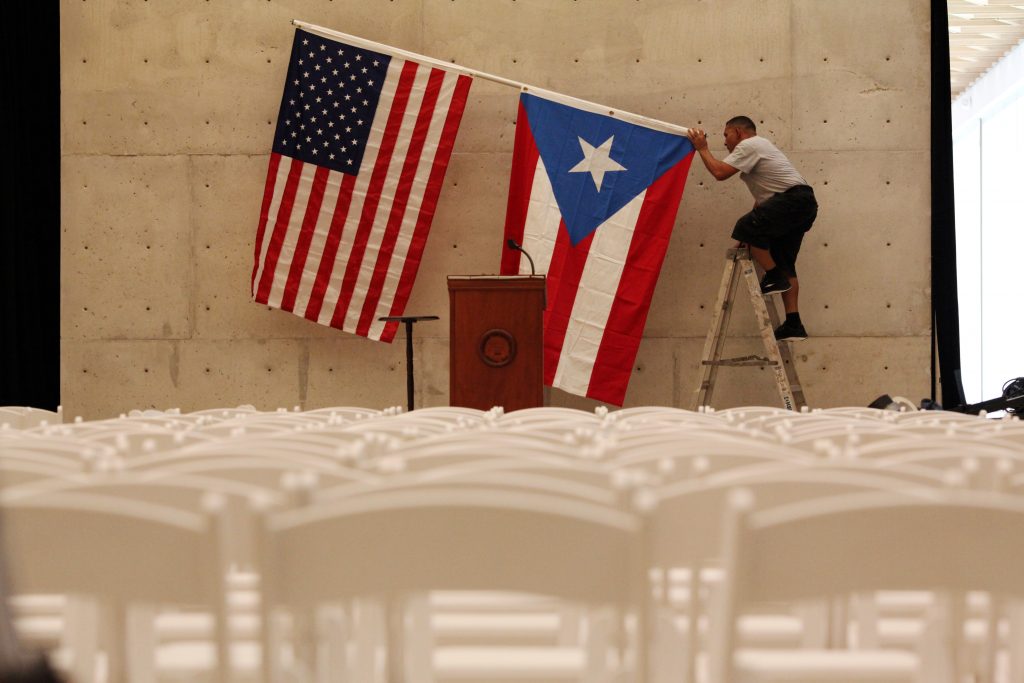
The question of [Puerto Rico]’s ultimate political status is a persistent and passionate debate among its residents, with significant implications for its future. The three main options continually discussed are statehood, independence, or an enhanced commonwealth status.
Arguments for Statehood
Proponents of statehood argue that full integration into the [United States] as the 51st state would grant [Puerto Ricans] equal rights, including the right to vote in presidential elections and full representation in [Congress]. They believe statehood would bring economic stability, increased federal funding, and eliminate the current “second-class citizenship” status. Many also point to the psychological benefit of being fully recognized as equals within the [US] political system.
The potential for increased tourism investment and economic growth through a clearer, more stable political future is often cited as a benefit. Hotels and tourism businesses might see statehood as an opportunity for further development and increased visitor numbers, as it could simplify federal regulations and access to capital.
Arguments for Independence
Advocates for independence believe that [Puerto Rico] should become a sovereign nation, free from US colonial influence. They argue that this would allow [Puerto Rico] to fully control its destiny, develop its own foreign policy, and foster a truly independent economy rooted in its unique strengths. For them, true self-determination and the preservation of distinct Puerto Rican culture can only be achieved through complete separation.
An independent [Puerto Rico] would redefine its travel industry, potentially attracting a different kind of visitor seeking a purely [Caribbean] experience unmixed with [American] political ties. This could foster unique cultural tourism initiatives and emphasize local entrepreneurship in the hospitality sector.
Arguments for Enhanced Commonwealth
The “enhanced commonwealth” option seeks a middle ground, advocating for greater autonomy and powers for [Puerto Rico] while maintaining its association with the [United States]. This could involve stronger economic ties, more control over international agreements, and a clearer definition of the relationship without full statehood or complete independence. Supporters argue this path preserves [Puerto Rico]’s distinct identity while still benefiting from the stability and advantages of its [US] connection.
This option might appeal to many who enjoy the current blend of cultures and conveniences for [travel] and [lifestyle]. It could allow for tailored policies that support both the vibrant tourism sector and the unique local [culture], potentially making it an even more attractive destination for those seeking a mix of familiar and exotic.
Plebiscite Results and Future Prospects
Over the years, [Puerto Rico] has held several plebiscites (referendums) to gauge public opinion on its status. While results have varied and been subject to debate, recent plebiscites have shown a trend towards statehood, though often with significant portions of the electorate boycotting the votes due to disagreements over the legitimacy or format of the options presented. The final decision, however, ultimately rests with the [US Congress].
The ongoing nature of this debate means that the political landscape of [Puerto Rico] is constantly evolving. For anyone visiting or considering a long-term stay, understanding these discussions provides crucial context for the island’s present and future. It’s a land of breathtaking beauty and resilience, where every landmark and every interaction with a local can offer a glimpse into this complex and compelling narrative.
Experiencing Puerto Rico: A Unique Blend of Culture and Hospitality
Regardless of its political future, [Puerto Rico] remains an extraordinary destination, offering travelers a vibrant tapestry of experiences that celebrate its rich history, stunning natural beauty, and warm hospitality. The island’s unique status has fostered a blend of [US] efficiency and vibrant Latin American culture, making it an accessible yet exotic getaway.
San Juan: A Hub of History, Food, and Nightlife
The capital city of [San Juan] is often the first stop for visitors and a microcosm of the island’s allure. [Old San Juan], a UNESCO World Heritage site, captivates with its colorful colonial buildings, cobblestone streets, and historic fortifications like El Morro and Castillo de San Cristobal. Here, history buffs can spend days exploring ancient ramparts, while foodies can indulge in world-class Puerto Rican cuisine at charming local eateries or upscale restaurants. The city also boasts a lively nightlife, with salsa clubs, rooftop bars, and casinos offering entertainment well into the early hours.
Beyond [Old San Juan], districts like Condado and Isla Verde offer modern [resorts], pristine beaches, and luxury travel experiences, catering to those seeking comfort and indulgence. From oceanfront suites to exclusive villas, the accommodation options are diverse, ensuring every traveler finds their perfect stay.
Beyond the Capital: Natural Wonders and Adventure Travel
[Puerto Rico]’s natural beauty extends far beyond its urban centers. The island is home to the only tropical rainforest in the US National Forest System, [El Yunque National Forest], where visitors can hike lush trails to stunning waterfalls and enjoy panoramic views. For unparalleled natural spectacles, the Bioluminescent Bays of Vieques, Fajardo, and Lajas offer magical nighttime kayaking experiences where the water glows with microscopic organisms.Beach lovers will be spoiled for choice, from the iconic white sands of Flamenco Beach on the island of Culebra (consistently ranked among the world’s best) to the tranquil shores of Luquillo. Adventure travel enthusiasts can explore vast cave systems like Camuy River Cave Park, go zip-lining through the rainforest, or surf some of the best waves in the [Caribbean] on the west coast.
Planning Your Puerto Rico Getaway: Hotels, Resorts, and Accommodation
Whether you’re planning a romantic escape, a family vacation, or a business stay, [Puerto Rico] offers an impressive range of [accommodation] options. From opulent luxury resorts like the Ritz-Carlton Reserve Dorado Beach or the St. Regis Bahia Beach Resort, featuring world-class spas, golf courses, and private villas, to charming [guesthouses] and budget-friendly apartments perfect for longer stays, the island caters to all preferences and budgets.
Many [hotels] and [resorts] provide comprehensive travel guides and concierge services, helping guests discover local attractions, book activities, and experience the best of Puerto Rican hospitality. Online booking platforms and review sites make it easy to compare options and find the perfect spot, whether it’s an all-inclusive experience or a self-catering [villa] in a secluded natural setting.
Lifestyle on the Island: A Unique Blend
The [lifestyle] in [Puerto Rico] is truly unique. It’s a place where you can enjoy the conveniences of US infrastructure and modern amenities while being steeped in a rich, vibrant [Latin American culture]. This blend is reflected in everything from the dual use of [Spanish] and English languages to the fusion of [cuisine] and [music]. The warmth of the local people, known for their hospitality and festive spirit, makes every visit feel like a homecoming.
While the question of presidential voting rights highlights a complex political reality, it doesn’t diminish [Puerto Rico]’s standing as a world-class destination. It stands as a testament to resilience, cultural pride, and an unwavering spirit, offering visitors not just a vacation, but a profound connection to a truly special place.
In conclusion, while [Puerto Ricans] are [US citizens], they do not vote for the [US President] in the general election due to the island’s status as an unincorporated territory. This political nuance, however, only adds another layer of intrigue to an island already brimming with fascinating history, breathtaking landscapes, and an unparalleled cultural vibrancy, making it an essential destination for any discerning traveler.
LifeOutOfTheBox is a participant in the Amazon Services LLC Associates Program, an affiliate advertising program designed to provide a means for sites to earn advertising fees by advertising and linking to Amazon.com. Amazon, the Amazon logo, AmazonSupply, and the AmazonSupply logo are trademarks of Amazon.com, Inc. or its affiliates. As an Amazon Associate we earn affiliate commissions from qualifying purchases.