
The specter of California wildfires has, in recent years, cast a long shadow over the Golden State’s otherwise sun-drenched image. For prospective travelers dreaming of its iconic beaches, majestic national parks, and vibrant cities, a crucial question often arises: are the fires under control, and is it safe to visit? This isn’t merely a matter of safety; it profoundly impacts travel planning, accommodation choices, and the overall visitor experience. California remains an unparalleled destination, offering an incredible array of experiences from luxury resorts to budget-friendly stays, but navigating its fire season requires an informed and flexible approach. Understanding the evolving landscape of these natural events, their direct and indirect effects on tourism, and how to plan a resilient trip is essential for anyone considering a journey to this diverse and beautiful part of America.

Understanding the Landscape of California Wildfires and Their Impact
California’s unique geography, climate, and historical land management practices make it particularly susceptible to wildfires. While fires are a natural part of the ecosystem, their increasing frequency and intensity, driven by climate change and prolonged droughts, have introduced new challenges for residents and visitors alike.
The Evolving Challenge of Fire Season in the Golden State
Historically, California has always experienced fire seasons, but what has changed is their duration and severity. What was once a summer and fall phenomenon now often extends into late spring and early winter, creating an almost year-round concern. Key regions frequently affected include the dry foothills of Northern California and Southern California, often impacting renowned areas such as Napa Valley and Sonoma County’s exquisite Wine Country, the scenic coastal stretches of Big Sur, and even beloved national treasures like Yosemite National Park and the pristine surroundings of Lake Tahoe.
The term “under control” is multi-faceted in the context of wildfires. It primarily refers to the containment percentage – the proportion of the fire’s perimeter that firefighters have secured. A fire at 100% containment is fully encircled and no longer spreading, though it may continue to smolder and burn within the contained area for weeks. Even when a fire is fully contained, the journey to full recovery for affected communities and ecosystems is a long one, impacting everything from local culture to the infrastructure supporting tourism. Travelers should understand that “under control” doesn’t always mean “extinguished” or “no impact.” Official sources like CAL FIRE and the U.S. Forest Service provide real-time updates on active incidents, containment levels, and estimated control dates, which are invaluable for travel planning.
Direct and Indirect Impacts on Travel and Tourism
The impact of wildfires on California’s tourism industry is significant and multi-layered. Direct impacts are often the most visible:
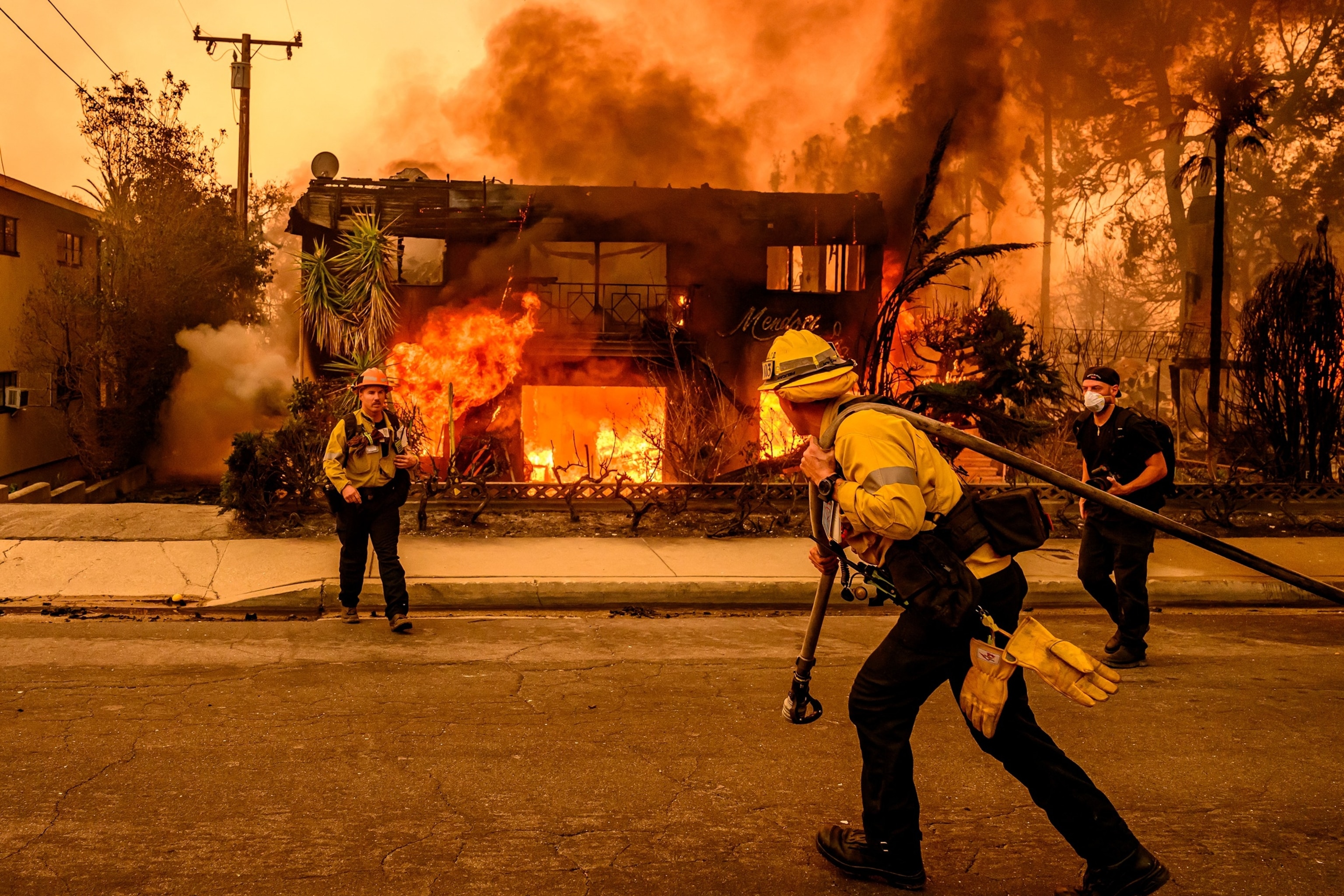
- Evacuations and Closures: When fires rage, areas are evacuated, leading to the closure of hotels, resorts, and popular attractions. National and state parks, such as Sequoia National Park, Kings Canyon National Park, Lassen Volcanic National Park, and even parts of Redwood National Park or Big Basin Redwoods State Park, might be inaccessible. Scenic routes like sections of Highway 1 along the Big Sur Coastline can be shut down, disrupting road trips and experiences. This directly affects booking for various types of accommodation, from luxury villas in Malibu to charming inns in Mendocino.
- Air Quality and Health Concerns: Even if a fire isn’t directly in a tourist destination, smoke can travel hundreds of miles, significantly degrading air quality. This can ruin outdoor activities, from hiking in the Sierra Nevada to enjoying beach days in Santa Monica. Poor air quality is a major deterrent for travelers, especially those seeking active holidays or those with respiratory sensitivities, impacting their ability to enjoy attractions like Disneyland Park or the outdoors.
- Economic Ripple Effects: The tourism industry is a lifeline for many California communities. Closures, cancellations, and reduced visitor numbers due to fires can devastate local businesses, from family-run restaurants and boutiques to tour operators and accommodation providers. This extends beyond the immediate fire zones, impacting neighboring towns and cities reliant on tourism, affecting the livelihoods of those offering unique local culture experiences.
Navigating Travel in California During Fire Season: A Guide for Tourists
Despite the challenges, California remains an immensely popular destination. With careful planning and a flexible mindset, travelers can still enjoy its wonders, even during periods when wildfires are a concern.
Essential Pre-Trip Planning and Monitoring
Being well-informed is the first step to a successful and safe trip.
- Stay Informed: Prioritize official and reliable sources. CAL FIRE provides comprehensive information on current fires, while the National Weather Service issues alerts for critical fire weather conditions. Local emergency services websites for specific counties like Santa Barbara, Orange County, or San Luis Obispo offer detailed, hyper-local updates, including evacuation orders and road closures. Incorporating these checks into your itinerary planning, especially for visits to landmarks and natural areas, is crucial.
- Flexibility and Travel Insurance: A flexible itinerary is a traveler’s best friend during fire season. Consider booking accommodation, flights, and tours that offer free cancellation or rebooking options. Investing in comprehensive travel insurance is highly advisable, particularly policies that cover natural disasters or “cancel for any reason” options. This can protect your financial investment in luxury resorts, boutique hotels, or even long-term apartment stays if plans must change due to fire-related disruptions.
- Alternative Destinations: California is a vast state. If inland areas or specific national parks are experiencing fire activity, consider shifting your focus to coastal cities like San Diego or Monterey, or desert escapes like Palm Springs, which are often less affected by wildfires or smoke from distant events. The state’s geographic diversity means unaffected regions are usually just a short drive away, still offering incredible attractions, unique experiences, and a wide range of hotels and amenities.
On-the-Ground Safety and Enjoyment
Once in California, continuous vigilance will ensure a safe and enjoyable journey.
- Air Quality Check: Regularly monitor air quality using apps or websites that provide real-time Air Quality Index (AQI) data. If the AQI is unhealthy, limit outdoor activities, especially strenuous ones. Opt for indoor attractions such as museums, aquariums like the Monterey Bay Aquarium, or shopping centers. Many luxury hotels and resorts offer excellent indoor amenities, including spas, pools, and fine dining, which can still provide a premium lifestyle experience even if outdoor conditions are unfavorable.
- Road Conditions: Before embarking on any road trip, especially along scenic routes like the Pacific Coast Highway, check Caltrans for real-time road closures and advisories. Fires can cause unexpected closures, even on major thoroughfares, requiring significant detours. Always have alternative routes planned, particularly when traveling through remote areas or visiting natural landmarks like Yosemite Valley or Glacier Point.
- Supporting Local Businesses: If you find yourself in a community that has recently been affected by fires but is open for visitors, consider supporting local businesses. Eating at local restaurants, staying in independent hotels or vacation rentals, and purchasing from local shops helps these communities recover and rebuild. This form of responsible tourism contributes directly to the economic revitalization of areas that have suffered setbacks.
- Respecting Fire Restrictions: Be aware of and strictly adhere to any local fire restrictions, especially in natural parks and forests. This includes campfire bans, prohibitions on certain outdoor equipment, and specific trail closures. These measures are in place for public safety and to prevent new ignitions. Ignoring them can have severe consequences, both legal and environmental, and affect the ability of everyone to enjoy California’s stunning natural landmarks.
Resilience and Recovery: California’s Enduring Appeal
Despite the recurrent challenges posed by wildfires, California’s spirit of resilience shines through. The state’s diverse landscapes, vibrant culture, and innovative tourism industry consistently rebound, reaffirming its status as a world-class destination.
Rebuilding and Revitalizing Tourist Hotspots
Time and again, California communities demonstrate remarkable resilience. Areas like portions of Napa Valley and Sonoma County that faced devastating fires have shown incredible resolve, with wineries, restaurants, and hotels reopening, often better than before. Efforts to restore affected natural landmarks, such as Mariposa Grove in Yosemite, showcase the commitment to preserving the state’s natural beauty. It’s crucial for travelers to remember that even during peak fire season, vast majority of California remains unaffected and fully operational. From the bustling streets of Los Angeles and San Francisco with their iconic landmarks like the Golden Gate Bridge and Hollywood signs, to the charming coastal towns of Carmel-by-the-Sea and Laguna Beach, and the serene deserts of Joshua Tree National Park or Death Valley National Park, there is an abundance of safe and spectacular experiences awaiting. The luxury travel scene, with its high-end suites and bespoke experiences, continues to thrive in unaffected areas like Beverly Hills and Newport Beach.
Sustainable Tourism and Future Preparedness
California’s proactive approach to fire prevention and forest management is continually evolving. Initiatives include controlled burns, forest thinning, and advancements in early detection technology. As a traveler, engaging in sustainable tourism practices is a vital part of supporting these efforts. This includes staying on marked trails, properly disposing of waste, and respecting wildlife. Furthermore, embracing year-round travel can help distribute the economic impact across different seasons, reducing pressure on popular hotspots during peak times and providing consistent support to the tourism industry. Exploring less-visited regions like the Shasta Cascade or the Central Valley during off-peak seasons can offer unique perspectives and support local economies, contributing to a more resilient statewide tourism ecosystem. The state’s commitment to protecting its natural heritage, from Mount Whitney to Catalina Island, ensures that future generations can continue to enjoy its diverse attractions and landscapes.
Conclusion
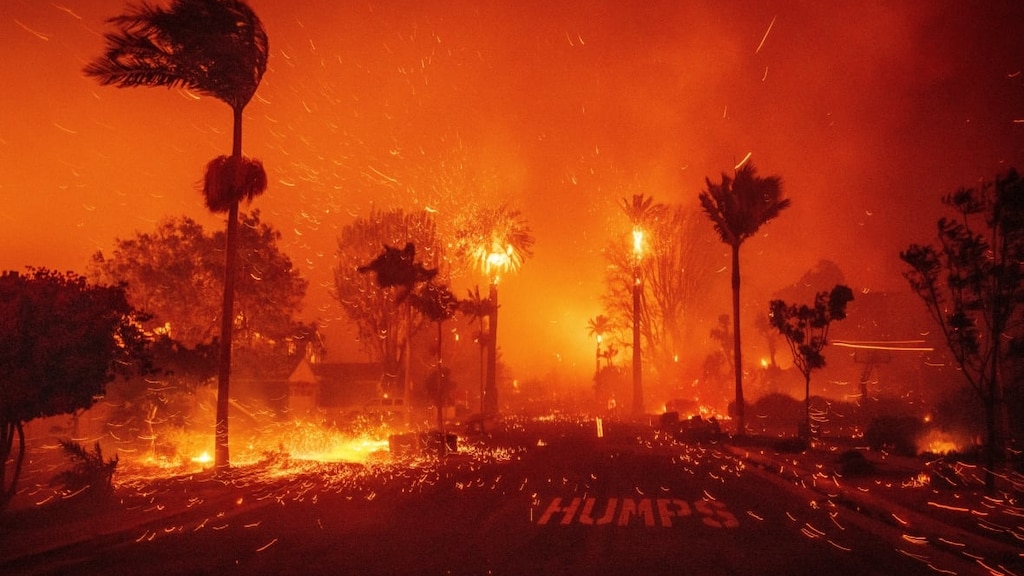
The question “Are the California fires under control?” is not a simple yes or no, but rather an ongoing narrative of vigilance, resilience, and adaptation. While wildfires remain a significant environmental challenge, they do not diminish California’s magnetic appeal as a premier travel destination. By staying informed through official channels, exercising flexibility in travel plans, considering robust travel insurance, and making conscious choices to support local communities, visitors can confidently explore the vast majority of the Golden State’s breathtaking scenery, world-class attractions, and vibrant local culture. From the iconic landmarks and luxury accommodations of its cities to the serene beauty of its coastlines and national parks, California continues to offer unparalleled experiences for every type of traveler, proving that its allure endures, season after season. Informed and responsible travel is the key to unlocking the enduring magic of California, making every journey a testament to its indomitable spirit.
LifeOutOfTheBox is a participant in the Amazon Services LLC Associates Program, an affiliate advertising program designed to provide a means for sites to earn advertising fees by advertising and linking to Amazon.com. Amazon, the Amazon logo, AmazonSupply, and the AmazonSupply logo are trademarks of Amazon.com, Inc. or its affiliates. As an Amazon Associate we earn affiliate commissions from qualifying purchases.