
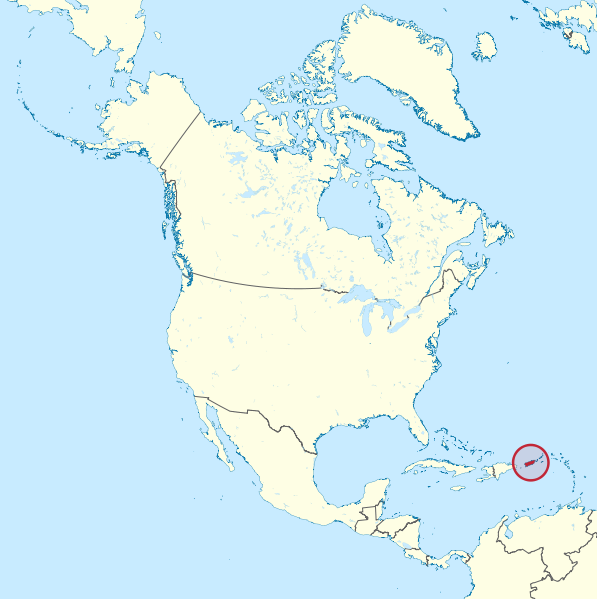
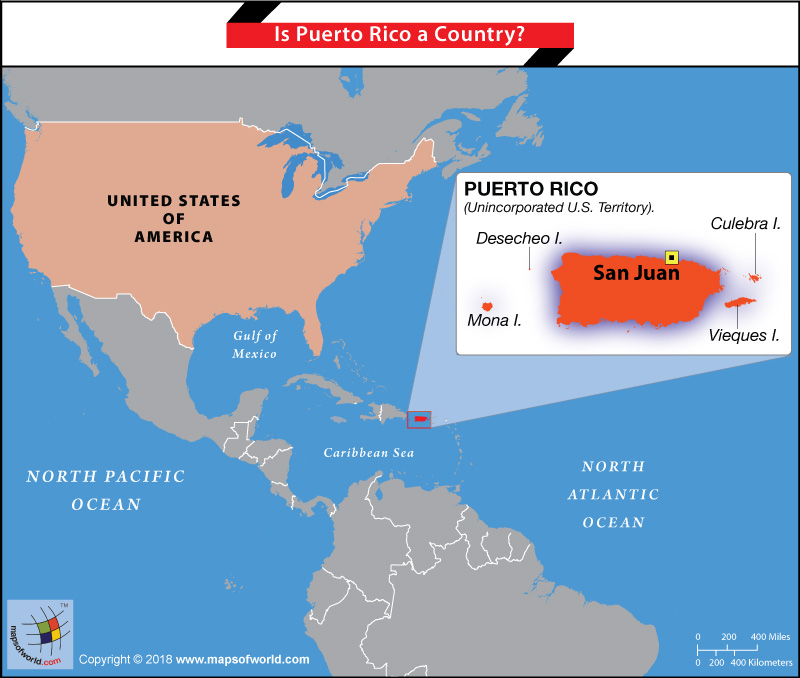
The question “Is Puerto Rico a part of America?” is a common one, often sparking curiosity and sometimes confusion. While the answer might seem straightforward to some, it’s actually nuanced, reflecting a rich history and a unique political relationship. In simple terms, yes, Puerto Rico is indeed a territory of the United States, and its residents are U.S. citizens. However, it is not a state, which means its status differs significantly from the 50 states that comprise the union. This distinct position impacts everything from its governance and economy to the daily lives of its people and, crucially, the experience for travelers seeking to explore its vibrant culture and stunning landscapes.

Understanding this special relationship is key to appreciating Puerto Rico as more than just a beautiful Caribbean island destination; it’s a dynamic place with a profound connection to the larger American fabric, yet one that proudly maintains its own distinct identity. This article will delve into the intricacies of its political status, guide you through its unparalleled travel opportunities, and offer insights into the lifestyle and cultural gems that make it an unforgettable experience.
Unpacking Puerto Rico’s Unique Political Status
The political status of Puerto Rico is often described as complex, a legacy of the Spanish-American War in 1898 when Spain ceded the island to the United States. Over a century later, Puerto Rico remains an unincorporated territory, a status that grants its residents U.S. citizenship but without the full political representation enjoyed by citizens in the states.
A Commonwealth Relationship
Puerto Rico operates as a commonwealth, a term that signifies its unique autonomous relationship with the federal government. While it has its own constitution, elected governor, and legislative assembly, many aspects of its governance are subject to U.S. federal law. This means that while islanders manage their internal affairs, they are still under the ultimate authority of the U.S. Congress. This structure allows for a degree of self-governance while retaining the benefits and responsibilities of being part of the United States.
The judicial system in Puerto Rico mirrors that of the mainland, with local courts and a U.S. federal district court. While Puerto Rico does not pay federal income tax on income earned within the territory, its residents contribute to Social Security and Medicare, and are subject to other federal taxes and regulations. This delicate balance of autonomy and federal oversight shapes much of the island’s economic and social landscape.
Citizenship and Rights
Perhaps one of the most significant aspects of Puerto Rico’s relationship with the United States is the citizenship of its residents. Enacted by the Jones-Shafroth Act in 1917, all persons born in Puerto Rico are statutory U.S. citizens. This means they carry U.S. passports, can travel freely to the mainland, and serve in the U.S. armed forces.
However, this citizenship comes with certain limitations. Residents of Puerto Rico cannot vote in presidential elections, though they can participate in presidential primaries. They also do not have voting representation in Congress, sending a Resident Commissioner to the House of Representatives who can speak and participate in committees but cannot vote on final legislation. This disparity in political rights is a central point of contention in the ongoing debate about Puerto Rico’s future.
The Statehood Debate
The political status of Puerto Rico has been a subject of continuous debate, both on the island and in the United States. Three main options are typically discussed: statehood, independence, or maintaining and enhancing the current commonwealth status.
Proponents of statehood argue that it would grant full equality to Puerto Rican citizens, including voting rights in federal elections and full representation in Congress. They believe it would also boost the island’s economy and provide greater access to federal programs. On the other hand, those advocating for independence seek complete sovereignty, believing it would allow Puerto Rico to fully control its destiny and culture. Supporters of the current commonwealth status, or an enhanced version of it, often emphasize cultural preservation and a unique relationship that offers certain economic and political advantages. Numerous plebiscites have been held over the decades, reflecting varying degrees of public opinion on these options, yet a conclusive path forward has remained elusive, making the “status question” a defining feature of Puerto Rican political life.
Discovering the Enchanting Island: A Traveler’s Guide to Puerto Rico
Beyond its political intricacies, Puerto Rico shines as an exceptional travel destination, offering an enticing blend of history, natural beauty, and vibrant culture. For travelers from the mainland U.S., the ease of travel – no passport required, currency is the U.S. dollar, and no international phone plan needed – makes it an accessible slice of Caribbean paradise.
San Juan: A Blend of History and Modernity
The capital city of San Juan is often the first point of entry and an absolute must-visit. Its jewel, Old San Juan, is a UNESCO World Heritage site and a living museum. Stroll along its charming cobblestone streets, marvel at the pastel-colored colonial buildings, and explore ancient fortresses that tell tales of centuries past.
The iconic El Morro (Castillo San Felipe del Morro) and San Cristobal (Castillo de San Cristobal) fortresses stand as formidable sentinels, offering breathtaking views of the ocean and the city. These landmarks provide a fascinating glimpse into the island’s strategic importance and its defenses against European powers. Beyond the historical sites, Old San Juan boasts an energetic atmosphere with art galleries, boutique shops, lively restaurants, and bars where salsa rhythms spill into the streets. Newer districts like Condado and Isla Verde offer a more modern experience with luxury resorts, bustling beaches, and upscale dining options.
Natural Wonders and Outdoor Adventures
Puerto Rico is a nature lover’s dream, brimming with diverse ecosystems and thrilling outdoor activities. The crown jewel is El Yunque National Forest, the only tropical rainforest in the U.S. National Forest System. Here, visitors can hike through lush trails, discover hidden waterfalls like La Mina Falls, and listen to the distinct call of the coqui frog.
For a truly magical experience, Puerto Rico is home to three of the world’s five bioluminescent bays. Paddling through the glowing waters of Mosquito Bay in Vieques, Laguna Grande in Fajardo, or La Parguera in Lajas is an otherworldly adventure, where every paddle stroke ignites a cascade of natural light. The island also boasts some of the most stunning beaches in the world, with Flamenco Beach on the offshore island of Culebra consistently ranking among the best globally for its pristine white sands and turquoise waters. Beyond relaxation, Puerto Rico offers ample opportunities for surfing in Rincón, snorkeling, scuba diving, zip-lining, and cave exploration, ensuring an adventure for every type of thrill-seeker.
Culinary Delights and Vibrant Culture
Puerto Rican cuisine is a delicious fusion of Spanish, African, and Taíno influences, creating a unique and unforgettable gastronomic journey. Don’t leave without trying mofongo, a savory dish made from fried plantains mashed with garlic and pork cracklings, often served with a variety of fillings. Other must-try dishes include lechón (spit-roasted pork), pasteles (similar to tamales), and arroz con gandules (rice with pigeon peas).
The island is also famous for its rum, with world-renowned distilleries like Casa Bacardi offering tours and tastings. Beyond food, Puerto Rico’s culture is expressed through its passionate music, particularly salsa, bomba, and plena, which can be heard emanating from dance halls and street festivals. Colorful festivals, intricate artisan crafts, and a warm, hospitable people further enrich the cultural experience, making every interaction a memorable part of your trip.
Planning Your Stay: Accommodation and Lifestyle in Puerto Rico
Given its status as a premier Caribbean destination, Puerto Rico offers a diverse range of accommodation options and caters to various travel lifestyles, from lavish getaways to budget-friendly adventures. Its robust tourism infrastructure, combined with the familiarity of U.S. standards, makes planning a stay seamless and enjoyable.
From Luxury Resorts to Boutique Stays
Whether you dream of a pampered escape or a cozy, authentic experience, Puerto Rico has an accommodation option to match. For those seeking ultimate luxury, world-class resorts like Dorado Beach, a Ritz-Carlton Reserve in Dorado or the historic Condado Vanderbilt Hotel in San Juan’s upscale Condado district offer opulent suites, private villas, gourmet dining, and spa services, often with direct beach access. These establishments cater to discerning travelers looking for exclusive amenities and impeccable service.
Mid-range hotels and boutique guesthouses are plentiful, particularly in areas like Isla Verde, Old San Juan, and the surfing hub of Rincón. These options often provide a charming blend of local character and modern comforts. For families or those planning longer stays, vacation rentals, including apartments and houses, are widely available, offering more space and the flexibility of self-catering. Booking platforms make it easy to compare reviews and find the perfect spot, ensuring your accommodation enhances your overall Puerto Rican experience.
Embracing the Boricua Lifestyle
The “Boricua” lifestyle, a term derived from the island’s indigenous Taíno name Borikén, is characterized by its warmth, hospitality, and a slower, more relaxed pace of life. Embracing this lifestyle means savoring long meals, enjoying vibrant music, and appreciating the strong sense of community that permeates the island.
For budget travelers, Puerto Rico offers numerous ways to experience its beauty without breaking the bank. Public beaches are free, many natural attractions like rainforest trails are low-cost or free, and local eateries (called fondas or kioskos) provide delicious and affordable meals. Family trips are well-accommodated, with resorts offering kids’ clubs and numerous attractions suitable for all ages, from exploring forts to splashing in calm waters. Business stays are also facilitated by modern convention centers and business-friendly hotels in San Juan. No matter your travel style, the essence of Puerto Rico lies in its people’s spirit—resilient, joyful, and always welcoming.
Why Puerto Rico Matters: Economic and Cultural Significance
Puerto Rico’s relationship with the United States is not just a political curiosity; it carries significant economic and cultural weight that impacts both the island and the mainland. Its distinct identity enriches the larger American cultural landscape, while its economic health is intrinsically tied to its territorial status.
Economic Ties and Future Prospects
The Puerto Rican economy is deeply intertwined with that of the United States. As a U.S. territory, it benefits from open trade, the U.S. dollar as currency, and federal assistance. Key industries include manufacturing, particularly pharmaceuticals and medical devices, and, notably, tourism. The travel sector is a vital engine, supporting countless local businesses from hotels and restaurants to tour operators and artisan shops. The influx of U.S. visitors, who enjoy domestic travel benefits, fuels this critical sector.
Despite these ties, Puerto Rico has faced significant economic challenges, including a prolonged recession, high debt, and the devastating impact of natural disasters like Hurricane Maria in 2017. The recovery process, bolstered by federal aid and the resilience of its people, continues, with a strong focus on rebuilding infrastructure and revitalizing the economy. The future prospects of Puerto Rico are often linked to the resolution of its political status, as advocates for statehood believe it would unlock greater economic stability and investment, while others argue for different paths to prosperity.
A Rich Cultural Tapestry
Culturally, Puerto Rico stands as a vibrant testament to its unique heritage. It is a melting pot of Taíno indigenous traditions, Spanish colonial influences, and African rhythms brought by enslaved peoples. This fusion is evident in its language (Spanish and English are official languages, though Spanish is dominant), its cuisine, and especially its music and dance. The island’s rich artistic scene, colorful festivals, and deep-rooted traditions contribute significantly to the cultural diversity of the wider United States.
The people of Puerto Rico take immense pride in their “Puertoricanness,” a strong sense of identity that celebrates their history, language, and customs. This cultural resilience is a powerful force, shaping the island’s unique charm and ensuring that even while being a part of America, Puerto Rico remains distinctly, beautifully itself. For travelers, this means an immersive experience that goes beyond typical beach vacations, offering a genuine connection to a living, breathing culture.
In conclusion, the answer to “Is Puerto Rico a part of America?” is a resounding yes, albeit with the crucial qualifier of its territorial status. It is a place where U.S. citizenship meets vibrant Caribbean culture, where historical fortresses overlook modern resorts, and where the echoes of ancient civilizations blend with contemporary rhythms. For any traveler, Puerto Rico offers an accessible yet exotic adventure, promising unforgettable experiences steeped in a unique political and cultural narrative. Its status makes it an integral part of the American family while allowing it to retain the distinct identity that makes it such an extraordinary destination.
LifeOutOfTheBox is a participant in the Amazon Services LLC Associates Program, an affiliate advertising program designed to provide a means for sites to earn advertising fees by advertising and linking to Amazon.com. Amazon, the Amazon logo, AmazonSupply, and the AmazonSupply logo are trademarks of Amazon.com, Inc. or its affiliates. As an Amazon Associate we earn affiliate commissions from qualifying purchases.