
Understanding the climate of a destination is paramount for any traveler aiming to optimize their experience. For those planning a visit to the southernmost point of the continental United States, Key West, Florida, this knowledge becomes even more critical. The allure of Key West lies not only in its vibrant culture and historical significance but also in its perpetually pleasant, tropical ambiance. However, “pleasant” is a relative term, and the nuances of its temperature throughout the year dictate what activities are best suited, what to pack, and how to make the most of this unique island paradise. This article delves into the typical temperatures of Key West, offering insights that will assist in planning the perfect getaway.
Understanding Key West’s Tropical Maritime Climate
Key West boasts a tropical maritime climate, a designation that immediately signals warm temperatures year-round, with a distinct wet and dry season. Its geographical location, a mere 90 miles north of Cuba and surrounded by the Atlantic Ocean and the Gulf of Mexico, plays a significant role in moderating its temperatures. Unlike mainland Florida, which can experience occasional cold snaps, Key West is largely shielded from such drastic temperature drops. The consistent influence of the ocean currents ensures that the island rarely dips below the comfortable mid-60s Fahrenheit, even in its coolest months.
Average Monthly Temperatures: A Detailed Breakdown
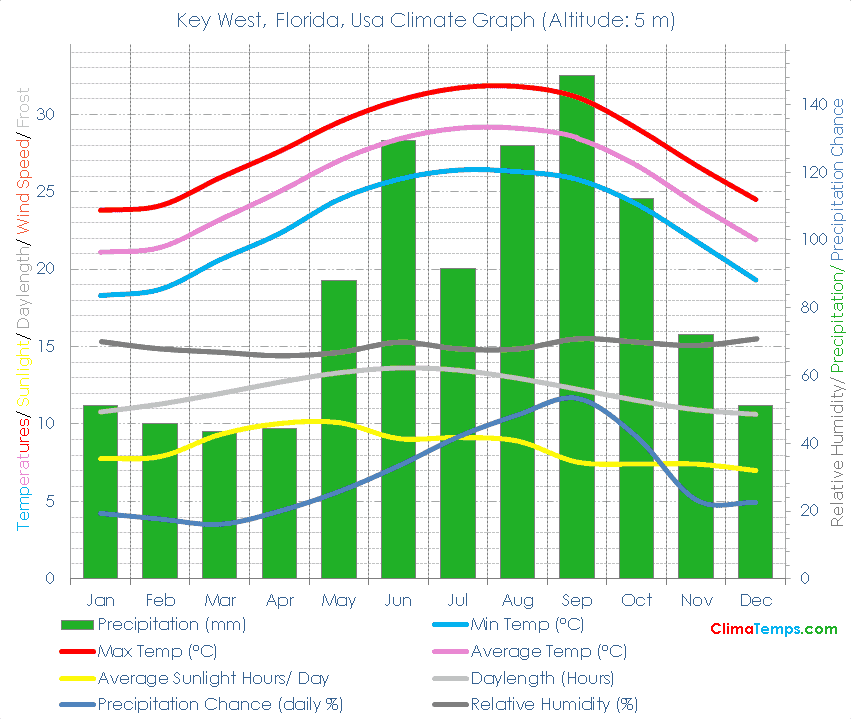
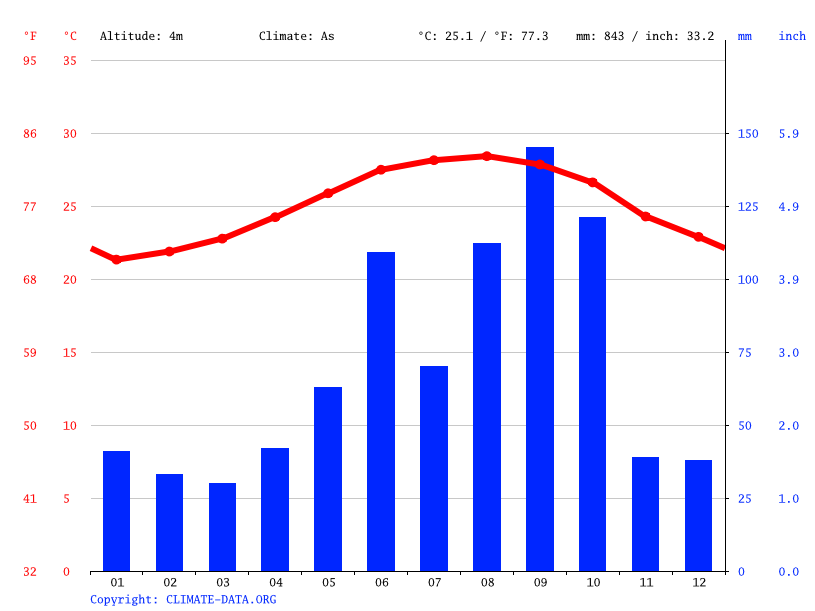
To truly grasp the thermal landscape of Key West, it’s beneficial to examine the average temperatures on a month-by-month basis. This granular approach allows for a more precise understanding of what to expect during specific travel windows.
-
Winter (December – February): These months are often considered the most “temperate” period in Key West, though “cool” is a relative term here. Average daily temperatures typically range from the mid-60s to the low 70s Fahrenheit. Daytime highs often reach the mid-70s, while nighttime lows can dip into the low 60s. This is a highly popular time for visitors, as the weather is ideal for exploring the island’s outdoor attractions, enjoying water sports, and indulging in the lively nightlife without the oppressive humidity of the summer months. The sea breeze also provides a refreshing counterpoint to the sunshine.
-
Spring (March – May): As the island transitions into spring, temperatures begin to steadily climb. March and April still offer very pleasant conditions, with averages hovering in the low to mid-70s Fahrenheit. By May, the mercury starts to push into the upper 70s and low 80s Fahrenheit. Humidity also begins to increase, signaling the approach of the wetter season. This period remains excellent for travel, offering a perfect blend of warmth and manageable humidity before the peak summer heat.
-
Summer (June – August): The summer months are undeniably the warmest and most humid in Key West. Average daily temperatures frequently range from the upper 70s to the mid-80s Fahrenheit. Daytime highs can easily exceed the low 90s, especially in July and August. The increased humidity can make the “feels like” temperature higher. This is also the wettest period, characterized by frequent, brief afternoon thunderstorms that, while sometimes intense, often clear up quickly, leaving behind cooler, refreshed air. Despite the heat and humidity, Key West remains a vibrant destination, with many visitors embracing the water activities that offer respite from the sun.
-
Fall (September – November): Autumn in Key West sees a gradual cooling trend, but it’s a slow descent. September and October still experience warm temperatures, often in the mid-80s Fahrenheit, and humidity remains relatively high. These months also coincide with the peak of the Atlantic hurricane season, so travelers should remain aware of weather forecasts. By November, temperatures begin to feel more comfortable, with averages settling back into the mid-70s Fahrenheit, and humidity starts to decrease, heralding the return of the drier, more temperate winter season.
Factors Influencing Key West’s Temperature
Beyond the general monthly averages, several factors contribute to the day-to-day temperature fluctuations and the overall feel of the climate in Key West. Understanding these elements can further refine your travel planning and expectations.
The Role of Ocean Currents and Breezes
The surrounding Atlantic Ocean and Gulf of Mexico act as enormous thermal regulators for Key West. The warm waters of the Gulf Stream, which flows nearby, help to keep the island’s temperatures mild. During the day, the breeze blowing in from the ocean can significantly lower the perceived temperature, offering a welcome coolness, especially during the warmer months. Conversely, at night, the ocean’s stored heat can keep the island from becoming too chilly. This constant interplay between land and sea is what defines Key West‘s consistent warmth.
Humidity and its Impact
Humidity is a significant factor in the Key West experience, particularly during the summer and early fall. High humidity levels can make even moderate temperatures feel much hotter due to reduced evaporative cooling from the skin. When planning your wardrobe and activities, consider that a 90°F (32°C) day can feel considerably more oppressive with 80% humidity compared to a dry 90°F day. The wet season, from June to November, generally sees higher humidity levels than the dry season, which runs from December to May.
Seasonal Variations in Sunshine and Rainfall
While temperature is a primary concern, the amount of sunshine and rainfall also varies seasonally and impacts the overall feeling of warmth and comfort. The dry season (December to May) is characterized by abundant sunshine and lower rainfall, making it ideal for outdoor exploration. The wet season (June to November) brings more frequent cloud cover and those characteristic afternoon downpours. These showers, however, are typically short-lived and often result in dramatic sunsets and a fresh, clean scent in the air. The amount of direct sunlight can also influence the perceived temperature on any given day.

Planning Your Trip Based on Key West Temperatures
With a comprehensive understanding of Key West‘s thermal patterns, you can strategically plan your visit to align with your personal preferences for warmth, humidity, and overall weather conditions. Whether you seek the peak of tropical warmth or the most temperate breezes, Key West offers an inviting climate throughout the year.
Optimal Times for Different Traveler Preferences
-
For those who prefer milder temperatures and lower humidity: The winter months (December to February) and early spring (March to April) are unparalleled. You’ll experience comfortable daytime highs in the 70s, cool evenings, and minimal humidity, perfect for extensive sightseeing, leisurely strolls along Duval Street, or enjoying outdoor dining without breaking a sweat. This period is also excellent for exploring attractions like the Ernest Hemingway Home and Museum or taking a ferry to the Dry Tortugas National Park.
-
For sun-seekers who enjoy robust warmth: Late spring (May) and the early summer months (June) offer an excellent transition. Temperatures will be in the upper 70s to low 80s, with increasing sunshine. While humidity will be on the rise, it’s often manageable, and the water temperatures are becoming increasingly inviting for swimming and snorkeling.
-
For the truly heat-tolerant and those seeking fewer crowds: The peak of summer (July and August) offers the warmest temperatures, often in the low 90s Fahrenheit. While humidity will be at its highest, the ocean and pool waters provide ample opportunity to cool off. The trade-off for braving the heat might be fewer crowds and potentially lower accommodation rates outside of peak holiday periods. Many visitors embrace the water, with activities like fishing, diving, and boat tours being particularly popular.
-
For those who enjoy a gradual return to comfort: The shoulder months of October and November can be rewarding. While still warm, temperatures begin to recede from their summer peak, and the humidity starts to abate. It’s a good time to experience the island’s energy before the full influx of winter visitors.
Packing Essentials Based on the Season
Your wardrobe for a Key West trip should be dictated by the time of year you visit. Regardless of the season, lightweight, breathable fabrics are a must.
-
Winter/Early Spring: Pack light layers. Think t-shirts, linen shirts, shorts, and sundresses. You might want a light sweater or a long-sleeved shirt for evenings, especially if you plan to be out on the water. Swimwear is essential year-round, of course. Comfortable walking shoes are also crucial.
-
Late Spring/Summer: Focus on moisture-wicking fabrics. Shorts, tank tops, light cotton dresses, and swimsuits are paramount. A wide-brimmed hat and sunglasses are non-negotiable for sun protection. Consider packing a light, quick-drying rain jacket for those sudden tropical showers. Sandals or flip-flops are ideal for most occasions.
-
Fall: Similar to late spring and early summer, prioritize lightweight clothing. As the season progresses towards November, you might consider packing a slightly warmer layer for evenings, akin to what you’d wear in the winter months.
Activities Tailored to Key West’s Climate
The temperature in Key West doesn’t just influence what you wear; it also shapes the types of activities that are most enjoyable.
-
Water Activities: Regardless of the season, the ocean is Key West‘s main attraction. Swimming, snorkeling, diving, paddleboarding, kayaking, and fishing are popular year-round. Water temperatures are generally warm enough for comfortable swimming throughout the year, typically ranging from the mid-70s to the low 80s Fahrenheit.
-
Outdoor Exploration: During the cooler, drier months (winter and early spring), exploring Fort Zachary Taylor Historic State Park, cycling around the island, or simply wandering the charming streets is highly pleasant. The Key West Butterfly and Nature Conservatory is a beautiful, climate-controlled experience that is enjoyable at any time.
-
Evening Entertainment: Key West comes alive at night, and the temperatures are generally more forgiving after sunset. Enjoying the sunset celebration at Mallory Square, dining al fresco at one of the many excellent restaurants, or exploring the vibrant bars along Duval Street is a quintessential Key West experience that is comfortable in any season.
-
Indoor Pursuits: For days when the heat or humidity is high, Key West offers a wealth of indoor attractions. Visit the Key West Aquarium, explore the Mel Fisher Maritime Museum, or take a historical walking tour with knowledgeable guides. Many art galleries and boutiques also offer a cool respite from the tropical sun.
By understanding the nuances of Key West‘s temperature and climate, travelers can better anticipate their experience, pack appropriately, and choose activities that align with the prevailing conditions, ensuring a memorable and enjoyable visit to this captivating island destination.
LifeOutOfTheBox is a participant in the Amazon Services LLC Associates Program, an affiliate advertising program designed to provide a means for sites to earn advertising fees by advertising and linking to Amazon.com. Amazon, the Amazon logo, AmazonSupply, and the AmazonSupply logo are trademarks of Amazon.com, Inc. or its affiliates. As an Amazon Associate we earn affiliate commissions from qualifying purchases.