
San Francisco, a city renowned for its progressive spirit, iconic landmarks, and vibrant cultural tapestry, often sparks curiosity and even confusion regarding its legal landscape, particularly concerning drugs. Travelers from around the globe, accustomed to differing laws in their home countries, frequently wonder about the reality behind the headlines and popular perceptions. Is San Francisco truly a free-for-all when it comes to controlled substances, or is there a more nuanced truth that visitors should understand to ensure a safe, enjoyable, and legally compliant trip?
The short answer is no, not “all” drugs are legal in San Francisco. While the city and the state of California have indeed adopted some of the most liberal drug policies in the United States, particularly concerning cannabis, and have moved towards decriminalization of certain psychedelics, a significant distinction remains between decriminalization and full legalization. Furthermore, federal law in the United States still classifies many substances as illegal, creating a complex legal patchwork that tourists, especially international visitors, must navigate with care. This article delves into the specifics, offering a comprehensive guide for those planning to explore the unique charm of the Golden Gate City, ensuring an informed and responsible travel experience.

Understanding San Francisco’s Stance on Drugs: A Nuanced Reality
The perception that San Francisco is entirely permissive about drug use often stems from its historically progressive stance on social issues and certain highly publicized local policies. However, this perception can be misleading. The legal framework is a blend of state laws, local ordinances, and overarching federal regulations, each carrying its own weight and implications. For travelers exploring destinations like San Francisco, understanding these layers is paramount to avoid unintended legal issues and ensure a smooth journey.
The California Context: Decriminalization vs. Legalization
At the core of San Francisco’s drug policy lies California state law. It’s crucial to differentiate between “decriminalization” and “legalization.” Decriminalization typically means that possessing small amounts of a substance for personal use is treated as a minor infraction, similar to a traffic ticket, rather than a criminal offense leading to jail time. Legalization, on the other hand, implies that the substance is regulated, taxed, and available for purchase and consumption under specific guidelines, much like alcohol or tobacco.
California has been at the forefront of drug policy reform. For many substances beyond cannabis, the state has largely leaned towards decriminalization. This doesn’t mean these drugs are “legal” to possess, sell, or manufacture; it simply alters the penalties for certain low-level offenses. For example, possession of small amounts of certain controlled substances might result in a misdemeanor charge and a fine, rather than a felony with severe prison sentences. This shift reflects a public health approach rather than a purely punitive one, aiming to reduce incarceration rates and focus resources on treatment. However, for a tourist, any interaction with law enforcement, even for a minor infraction, can be a significant disruption to their trip, potentially leading to fines, court appearances, or even deportation for non-citizens. It’s always best to err on the side of caution and adhere to the strictest interpretation of the law.
Cannabis: A Special Case in the Golden State
The most prominent example of drug policy reform in California and San Francisco is cannabis. In 2016, California voters passed Proposition 64, the Adult Use of Marijuana Act, which legalized recreational cannabis for adults aged 21 and over. This was a monumental shift, making California one of the first states to fully legalize recreational marijuana.
Under Proposition 64, adults can legally possess up to 28.5 grams (one ounce) of cannabis flower and 8 grams of concentrated cannabis. They can also cultivate up to six cannabis plants for personal use. A thriving industry of licensed dispensaries has since emerged across the state, including numerous establishments in San Francisco, offering a wide range of cannabis products from flower and edibles to vapes and tinctures. These dispensaries operate under strict state regulations, requiring identification to verify age and adhering to limits on purchase amounts.
However, “legalization” of cannabis comes with significant restrictions. It is illegal to consume cannabis in public places, including streets, parks, restaurants, bars, and anywhere tobacco smoking is prohibited. This is a common misconception among tourists who might see or smell cannabis openly in certain areas, particularly in neighborhoods like Haight-Ashbury with its counter-cultural history. Public consumption can lead to fines. Furthermore, driving under the influence of cannabis is strictly illegal, just like alcohol, and carries severe penalties. Interstate transportation of cannabis is also prohibited, even between states where it’s legal, because cannabis remains an illegal Schedule I substance under federal law. This federal prohibition means that using cannabis on federal land (like national parks, federal buildings, or within airports) is illegal, regardless of state law. For travelers, this means being aware of where you are and where you can legally consume.
Psychedelics and Other Substances: Where Do They Stand?
Beyond cannabis, San Francisco has also made headlines for its stance on certain psychedelic substances. In September 2022, the San Francisco Board of Supervisors unanimously passed a resolution to decriminalize natural psychedelics, including psilocybin (magic mushrooms), ayahuasca, and mescaline-containing cacti. This resolution essentially makes the investigation and arrest of individuals for personal use, possession, and cultivation of these substances among the lowest priorities for the San Francisco Police Department and city resources.
Again, it’s crucial to understand that “decriminalization” is not “legalization.” The sale and distribution of these psychedelics remain illegal under both state and federal law. The resolution merely signals a policy shift away from criminalizing individuals for personal use, acknowledging potential therapeutic benefits and aiming to reduce harm. This means that while law enforcement may choose not to actively pursue personal possession, there are no legal dispensaries or regulated markets for these substances, and being caught with significant quantities, or engaging in their sale, could still lead to serious legal consequences. For tourists, interacting with these substances, even if available through illicit channels, carries significant risks and is strongly advised against.
For all other controlled substances, such as cocaine, heroin, methamphetamine, and MDMA, they remain illegal under both California state law and federal law. While possession of small amounts may sometimes be treated with lesser penalties than in other states, especially under Proposition 47 which reclassified many nonviolent felonies as misdemeanors, they are by no means “legal.” Engaging with these substances carries severe risks, including arrest, fines, imprisonment, and significant implications for international travelers, including visa issues and future travel bans.
Navigating San Francisco as a Tourist: What You Need to Know
For visitors to San Francisco, understanding the intricacies of drug laws is not just about legality but also about ensuring a safe and enjoyable travel experience. The city’s unique cultural landscape means that while some substances might be openly discussed or even visible, it doesn’t translate to universal legality or acceptance in all contexts. Responsible tourism entails being aware of local laws and respecting community standards.
Public Consumption and Designated Areas

As highlighted, public consumption of cannabis, despite its legalization, is prohibited. This applies to flower, edibles, vapes, and all other forms of cannabis. Tourists should be aware that consuming cannabis on sidewalks, in parks (like Golden Gate Park or Dolores Park), at tourist attractions (such as Fisherman’s Wharf or near the Golden Gate Bridge), or inside bars and restaurants, can lead to fines.
The legal places to consume cannabis are typically private residences or licensed cannabis consumption lounges. While consumption lounges are still relatively few, they do exist and offer a regulated environment for adults to enjoy cannabis products. If staying in a private rental, it’s crucial to check with the host about their specific policies regarding cannabis use. Discretion and respect for local regulations are key. For other substances that are not legal, public use carries even greater risks and is strongly advised against under any circumstances.
Hotel Policies and Accommodation Considerations
When it comes to accommodation in San Francisco, understanding hotel and rental policies regarding cannabis is essential. Just because cannabis is legal in California doesn’t mean hotels are obligated to permit its use on their premises. Many hotels, including luxury establishments like the Fairmont San Francisco or The Ritz-Carlton, San Francisco, maintain strict no-smoking policies, which often extend to cannabis, especially combustible forms. This is primarily due to property damage concerns, smoke detectors, and the comfort of other guests. Vaping may be tolerated in some places where traditional smoking is not, but it’s always best to inquire directly with the hotel.
For vacation rentals booked through platforms like Airbnb, policies vary greatly by host. Some hosts may be cannabis-friendly, while others may strictly prohibit it. Always check the house rules before booking or communicate directly with your host to avoid issues. Violating these policies could lead to additional cleaning fees, negative reviews, or even early termination of your stay without a refund. For all other illegal substances, possession or use in any accommodation is risky and could lead to serious legal problems for both the guest and the property owner.
Staying Safe and Informed: Tips for Travelers
- Educate Yourself: Before traveling, familiarize yourself with California state laws and any specific San Francisco ordinances. Official government websites are the best sources.
- Age Matters: For cannabis, you must be 21 or older with valid photo identification.
- Purchase Legally: If you choose to use cannabis, purchase it only from licensed dispensaries. This ensures product safety and legality. Avoid street vendors or unofficial sources, as their products are unregulated and potentially dangerous.
- Public vs. Private: Remember the strict rules against public consumption for cannabis. For other substances, avoid them entirely.
- Driving Under Influence: Never drive or operate heavy machinery under the influence of cannabis or any other impairing substance.
- Federal Land: Be mindful of federal jurisdiction. National parks like Golden Gate National Recreation Area or attractions like Alcatraz Island are under federal law, where cannabis remains illegal.
- International Travel: Be aware that even legal cannabis use in California can have implications for international travel, especially when crossing borders into countries with stricter drug laws. Even admitting to past use could affect future visa applications for some nations.
- Health and Safety: If considering any substance, be aware of the potential health risks. Unregulated products can contain harmful additives. Seek medical attention if you experience adverse effects.
- Respect Local Culture: While San Francisco is open-minded, respect for local laws and cultural norms ensures a positive experience for everyone.
The Broader Impact: Lifestyle, Culture, and Responsible Tourism
San Francisco’s evolving drug policies are not just about legal frameworks; they deeply influence the city’s lifestyle, culture, and the way tourism operates. Understanding these broader impacts can enrich a traveler’s appreciation for the city and guide them toward more responsible engagement. The city’s history of challenging norms, from the Beat Generation to the Summer of Love in Haight-Ashbury, has always intertwined with discussions about freedom, personal choice, and societal limits.
San Francisco’s Unique Vibe and Progressive Policies
The progressive drug policies in San Francisco are a reflection of its unique political and social landscape. The city has long been a beacon for civil liberties, innovation, and a willingness to experiment with alternative approaches to complex social issues. This ethos extends to harm reduction and public health perspectives on drug use, contrasting sharply with more punitive approaches seen elsewhere. This progressive spirit contributes to the city’s reputation as an inclusive and diverse destination, attracting individuals who value freedom and open-mindedness.
For tourists interested in lifestyle and culture, this means encountering a city where discussions around health, mental wellness, and personal autonomy are often at the forefront. The decriminalization of certain psychedelics, for instance, isn’t necessarily about promoting recreational use but often stems from a growing body of research highlighting their potential therapeutic benefits for conditions like PTSD and depression. This creates an environment where alternative wellness practices and discussions about consciousness are more openly explored, influencing local art, music, and community events, particularly in areas known for their counter-cultural history, such as the Mission District or Lower Haight.
The Economic Angle: Cannabis Tourism and Local Businesses
The legalization of recreational cannabis has opened up a new sector of tourism in San Francisco: cannabis tourism. Beyond just dispensaries, this includes cannabis-friendly tours, culinary experiences featuring cannabis-infused dishes, and even specialized wellness retreats. These businesses are integrating into the city’s diverse tourism offerings, providing unique experiences that cater to a specific niche of travelers.
For local businesses, especially those in the hospitality and retail sectors, adapting to cannabis legalization has involved both challenges and opportunities. Hotels have had to clarify their internal policies, while restaurants and entertainment venues navigate consumption rules. For visitors, supporting licensed dispensaries and cannabis-related businesses contributes to the local economy and ensures compliance with regulations. This segment of the industry is still evolving, offering a different lens through which to experience San Francisco’s innovative entrepreneurial spirit and its role as a leader in emerging markets.
Promoting Health and Safety: A Balancing Act
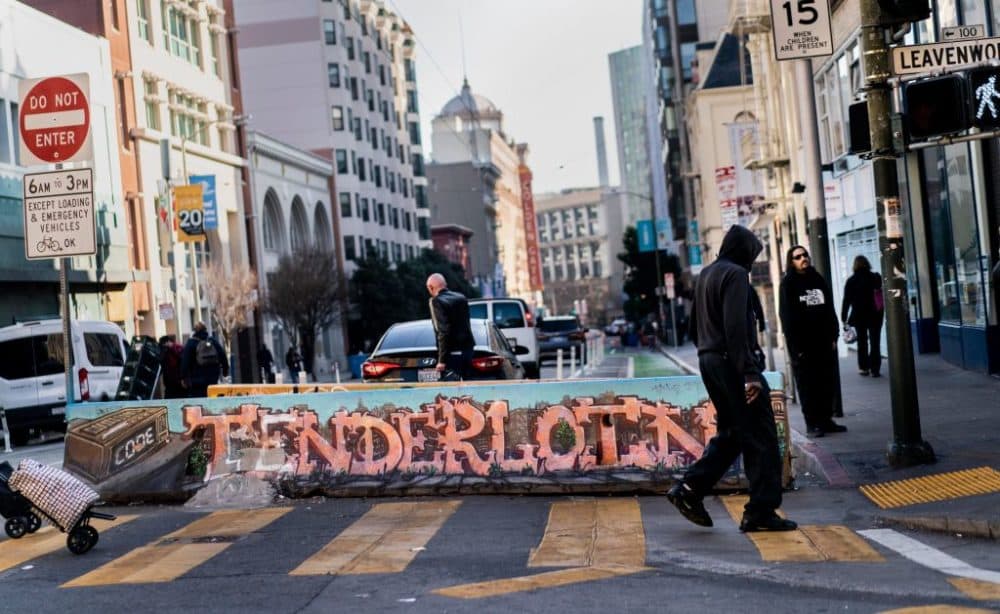
While progressive policies are often aimed at reducing the harms associated with drug prohibition, they also come with a responsibility to promote public health and safety. San Francisco faces ongoing challenges related to drug use, particularly with homelessness and addiction, and public health initiatives are constantly working to address these complex issues.
For tourists, this translates to being mindful of your surroundings and making responsible choices. Engaging in street purchases of unregulated substances or consuming drugs openly can not only lead to legal trouble but also expose you to unsafe products or situations. The city strives to balance individual freedoms with community well-being, and visitors are encouraged to be part of this responsible ecosystem. This means not contributing to illicit markets, respecting public spaces, and being aware of the resources available if you or someone you know needs help. The goal is to create a city where everyone, residents and visitors alike, can thrive safely and respectfully.
In conclusion, while San Francisco is known for its forward-thinking approach to drug policy, the notion that “all drugs are legal” is a significant misconception. Cannabis is legal for adults 21 and over, with strict rules about public consumption. Certain natural psychedelics have been decriminalized, making personal use a low law enforcement priority, but sale and distribution remain illegal. For all other substances, strict laws apply, often with federal prohibitions overriding state leniency. Travelers to San Francisco are encouraged to stay informed, adhere to local laws, respect the community, and prioritize their safety to fully enjoy all the incredible experiences this iconic city has to offer, from its breathtaking landmarks to its rich cultural tapestry and vibrant lifestyle.
LifeOutOfTheBox is a participant in the Amazon Services LLC Associates Program, an affiliate advertising program designed to provide a means for sites to earn advertising fees by advertising and linking to Amazon.com. Amazon, the Amazon logo, AmazonSupply, and the AmazonSupply logo are trademarks of Amazon.com, Inc. or its affiliates. As an Amazon Associate we earn affiliate commissions from qualifying purchases.