
San Francisco, a vibrant jewel on California’s coast, is renowned globally for its iconic landmarks, pioneering spirit, and incredibly high cost of living. For both residents and visitors, understanding the economic landscape of this bustling metropolis is crucial. A significant factor contributing to its unique financial environment is its minimum wage, which stands among the highest in the United States. This robust minimum wage reflects the city’s progressive values and its ongoing efforts to ensure a living wage for its workforce, but it also has profound implications for everything from local businesses to the price of a hotel stay or a meal out.
Whether you’re planning a trip to explore its famous hills, considering a long-term stay, or simply curious about the economics of a premier travel destination, delving into San Francisco’s minimum wage reveals a complex interplay of policy, prosperity, and the pursuit of social equity. This article will explore the current minimum wage, its historical trajectory, its impact on the city’s tourism and hospitality sectors, and what it means for those looking to experience all that San Francisco has to offer, from budget-conscious travelers to those seeking luxury.
Understanding San Francisco’s Minimum Wage Landscape
San Francisco’s commitment to a higher minimum wage is deeply rooted in its progressive political climate and a recognition of the exorbitant cost of living within its city limits. This commitment shapes not only the daily lives of its residents but also the operational costs for businesses, which inevitably influence the experiences of millions of tourists who flock to the city each year.
The Current Minimum Wage and Its Evolution
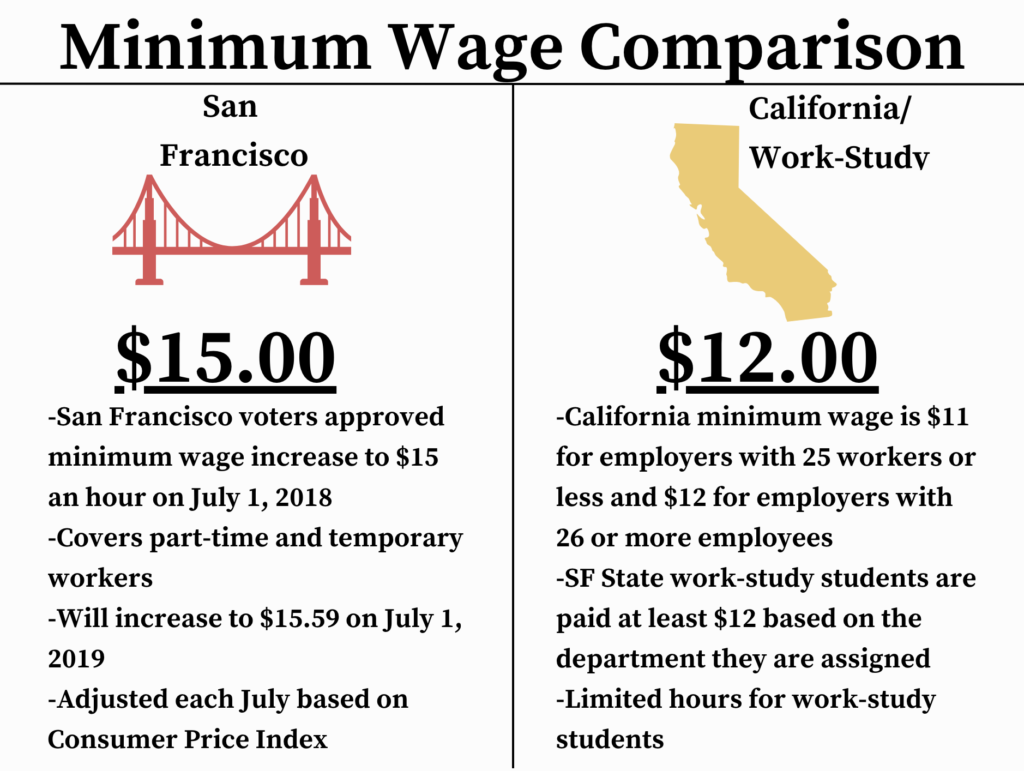
As of July 1, 2023, the minimum wage in San Francisco increased to $18.07 per hour. This figure applies to all employees working within the geographical boundaries of the city and county of San Francisco, regardless of industry or the size of the employer. There are generally no exceptions for specific types of workers, such as those who receive tips, which means that the base pay for many service industry roles, including those in hotels, restaurants, and attractions, starts at this rate.
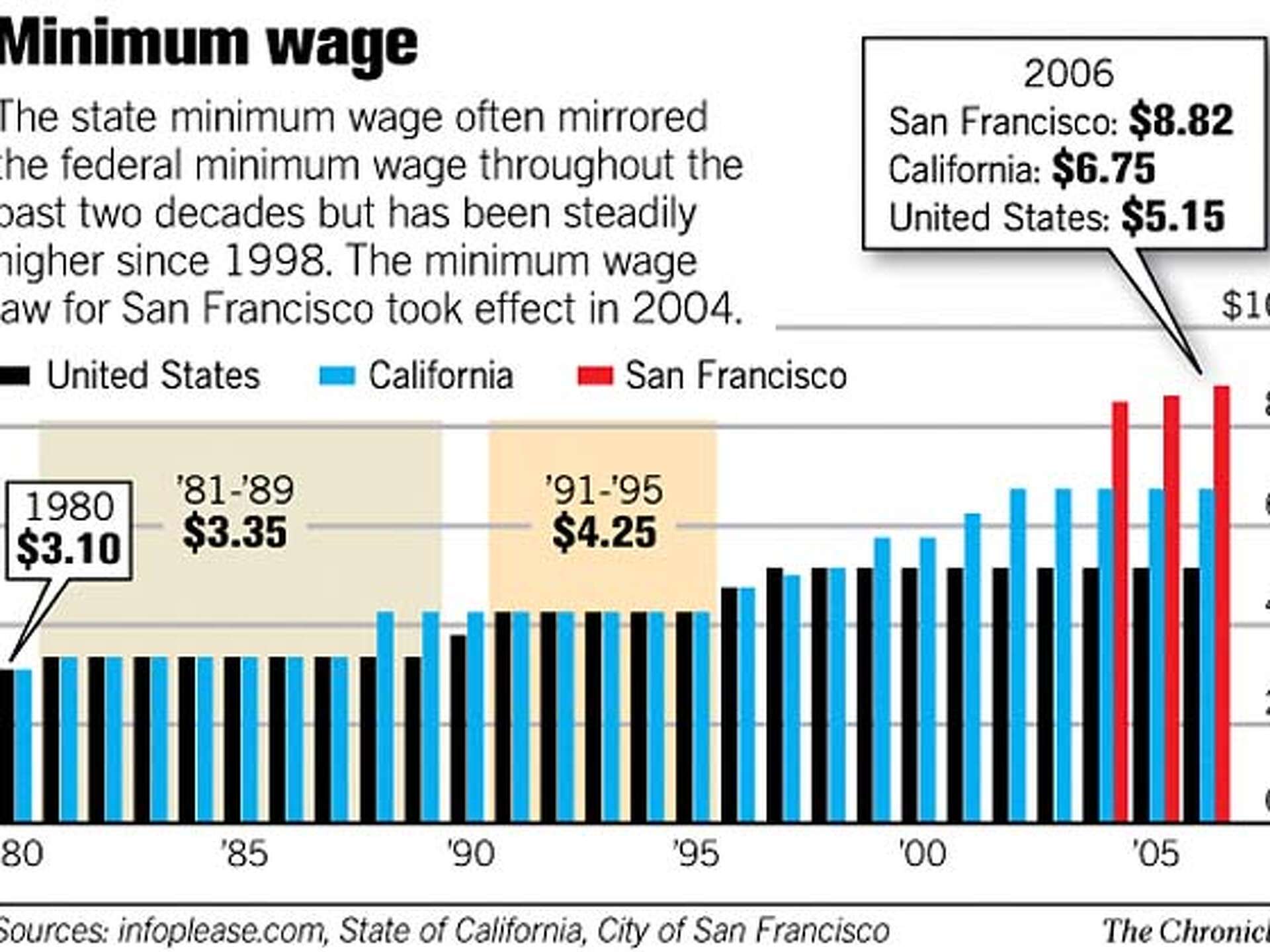
The journey to this current rate has been a steady climb. San Francisco was one of the first cities in the United States to establish its own municipal minimum wage, predating many state and federal increases. The city’s Minimum Wage Ordinance was initially passed by voters in 2003, taking effect in 2004. Since then, the rate has been adjusted annually based on the Consumer Price Index (CPI), ensuring that it keeps pace with inflation and the rising cost of living. This annual adjustment mechanism is crucial, distinguishing San Francisco’s approach from areas where minimum wage increases are less frequent or determined by legislative action alone. This proactive stance reflects a long-standing effort to address economic inequality and provide workers with a more sustainable income.
A National Perspective: How San Francisco Compares
To truly appreciate the significance of San Francisco’s minimum wage, it’s helpful to place it in a broader context. The federal minimum wage in the United States has remained at $7.25 per hour since 2009. While many states and cities have adopted higher rates, San Francisco consistently ranks among the very highest.
For example, the statewide minimum wage in California is currently $16.00 per hour (as of January 1, 2024), significantly higher than the federal standard but still below San Francisco’s rate. Other major California cities like Los Angeles and San Jose also boast higher-than-average minimum wages, but San Francisco often leads the pack. This elevated rate means that businesses operating in San Francisco face substantially higher labor costs compared to many other parts of the country. This differential is a key factor in the city’s overall economic structure and its reputation as an expensive, yet highly sought-after, destination for both living and visiting.
The Economic Impact on Lifestyle and Tourism in San Francisco
The high minimum wage in San Francisco isn’t just a number; it’s a fundamental aspect of the city’s economic ecosystem, sending ripples through its cost of living, the operations of its businesses, and ultimately, the experiences of its millions of annual visitors. The direct beneficiaries are, of course, the workers themselves, who can better afford the city’s notoriously high expenses. However, this also translates into higher operating costs for businesses, which are often passed on to consumers, particularly in the tourism and hospitality sectors.
High Costs of Living and Its Ripple Effect
San Francisco consistently ranks among the most expensive cities in the world for housing, transportation, and daily necessities. The minimum wage, while high, is a direct response to this reality, aiming to provide workers with a chance to live in the city where they work. However, the ripple effect extends far beyond just housing.
Local workers in the tourism and hospitality sectors—hotel staff, restaurant servers, tour guides, retail employees, and attraction attendants—benefit from these higher wages. This helps them manage the steep cost of rent, groceries, and utilities. For example, a housekeeper in a Union Square hotel or a barista in the Mission District earns a wage that significantly exceeds the national average. This financial stability can contribute to a more motivated and experienced workforce, potentially enhancing the quality of service visitors receive. However, for businesses, these elevated labor costs are a major operational expense, often cited as a challenge to profitability, particularly for small businesses and independent operators who may find it difficult to compete with larger chains.
Implications for Visitors and Tourist Experiences
The higher minimum wage inevitably impacts the price points visitors encounter across San Francisco’s diverse offerings. Travelers need to be prepared for premium pricing across various aspects of their trip.
-
Hotels and Accommodation: When booking accommodation in San Francisco, travelers will notice that hotel rooms, whether in luxurious suites or more modest boutique hotels, often come with a higher price tag compared to other major cities. This is partly due to the high cost of real estate, but also significantly influenced by labor costs. Staff salaries for front desk associates, housekeepers, concierges, and other hotel personnel at establishments like the Ritz-Carlton San Francisco, the St. Regis San Francisco, or the Fairmont San Francisco are among the highest in the nation. This applies not only to traditional hotels but also to vacation rentals, serviced apartments, and even long-term stay options, as property management and cleaning services are similarly affected. Tourists seeking budget travel options might find themselves looking at hostels, guesthouses further from the city center, or booking well in advance to secure more competitive rates.
-
Dining and Food: San Francisco’s culinary scene is world-renowned, from Michelin-starred restaurants to casual eateries, vibrant food trucks, and bustling farmers’ markets. However, the cost of dining out reflects the high labor expenses for chefs, kitchen staff, and servers. Expect menu prices to be higher than in cities with lower minimum wages. Even a simple coffee or a grab-and-go lunch can seem pricier. This doesn’t deter food enthusiasts, who appreciate the quality and innovation, but it certainly influences budgeting. Tips are also customary and expected, adding to the total cost, though servers are already paid a robust base wage.
-
Activities and Attractions: The cost of admission to popular attractions like Alcatraz Island, museums, or guided tours can also be impacted. These establishments employ staff for ticketing, security, maintenance, and educational roles, all paid at the city’s minimum wage or higher. While iconic landmarks like the Golden Gate Bridge or Golden Gate Park offer free access, many curated experiences will reflect the underlying economic realities.
-
Shopping and Services: Retail prices for goods, especially in areas like Union Square or boutique shops, can also be influenced by the costs of retail staff. Similarly, personal services, from haircuts to spa treatments, will carry a premium.
In essence, the high minimum wage ensures that the people who make San Francisco run, from those cleaning hotel rooms to those serving gourmet meals, earn a substantial wage. This contributes to the city’s character but also means visitors should factor these increased costs into their travel budget.
Navigating San Francisco as a Traveler: Budgeting and Planning
Visiting San Francisco is an unforgettable experience, but its reputation as an expensive city, partly fueled by its high minimum wage, means smart planning is essential. Whether you’re on a shoestring budget or looking for ultimate luxury, understanding how to navigate the costs will enhance your trip.
Strategies for Budget-Conscious Travelers
For those keen to explore San Francisco without breaking the bank, several strategies can help manage expenses:
-
Accommodation: Look beyond the immediate tourist hotspots for more affordable hotels, apartments, or hostels. Areas like the Mission District or Nob Hill might offer different price points than Fisherman’s Wharf or Union Square. Booking well in advance, especially during off-peak seasons (late fall to early spring, excluding holidays), can yield significant savings. Consider the option of booking a room in a villa or apartment rental to save on dining costs by cooking some meals yourself. Reviews and comparison sites are invaluable for finding deals.
-
Food: Embrace San Francisco’s diverse and delicious, yet affordable, food options. Explore the vibrant food truck scene, visit local grocery stores or farmers’ markets for picnic supplies, and seek out happy hour specials at bars and restaurants. Chinatown offers incredible value for authentic and delicious meals. Packing snacks and a reusable water bottle can also cut down on incidental costs.
-
Transportation: San Francisco’s public transportation system is extensive and efficient. Utilize Muni (buses, streetcars, historic cable cars) and BART (Bay Area Rapid Transit) to get around. A Clipper Card makes travel seamless. Walking is also an excellent way to see the city, especially in neighborhoods like North Beach or from Lombard Street down to the waterfront. Consider renting bikes to traverse Golden Gate Park or cross the Golden Gate Bridge.
-
Attractions: Many of San Francisco’s most famous landmarks and experiences are free. Walk across the Golden Gate Bridge, explore Golden Gate Park, visit the Palace of Fine Arts, stroll through Chinatown, or admire the views from Coit Tower (small fee for elevator to top). Many museums offer free admission days or evenings. Look for city passes if you plan on visiting multiple paid attractions, as these can offer bundled savings.
The Value Proposition for Luxury Travel
For those whose lifestyle permits a more indulgent experience, San Francisco’s high minimum wage implicitly contributes to a standard of luxury that is truly world-class. Higher wages mean that hotels, resorts, and high-end restaurants can attract and retain top talent, leading to exceptional service and meticulously crafted experiences.
Luxury travelers can expect unparalleled amenities and personalized service at properties like the Four Seasons San Francisco or the Hotel Vitale. Fine dining establishments leverage skilled chefs and attentive staff to deliver exquisite culinary journeys. Exclusive tours, private guides, and bespoke experiences often employ knowledgeable professionals who are compensated competitively, ensuring a high level of expertise and dedication. For business stays or those seeking a truly pampered trip, the investment in San Francisco’s luxury offerings often translates into an elevated and memorable experience, where the quality of human service is a significant part of the value proposition.
Supporting Local Businesses and Ethical Tourism
Understanding the minimum wage in San Francisco also fosters a sense of ethical tourism. When visitors pay for a meal, a hotel room, or a souvenir, a portion of that cost goes directly to support the livelihoods of the city’s workers. This means that your spending contributes to a local economy where employees are paid a fairer wage, which can lead to better working conditions and a higher quality of life for the people who make your visit enjoyable.
By choosing to dine at local restaurants, stay in locally-owned accommodations, or purchase from independent boutiques, travelers directly support the businesses that are navigating these higher labor costs. This approach to tourism enriches the local culture and ensures that the economic benefits of tourism are broadly distributed within the community, rather than solely benefiting large corporations. It’s a way for travelers to ensure their experiences are not only enjoyable but also contribute positively to the destination they’re exploring.
The Broader Social and Economic Context
The discussion around San Francisco’s minimum wage is part of a larger, ongoing debate about economic justice, urban development, and the sustainability of high-cost cities. Its implementation, while beneficial to many workers, also presents unique challenges and considerations for the city’s overall economic health.
Arguments For and Against High Minimum Wages
Proponents of San Francisco’s high minimum wage often highlight its role in reducing poverty, improving worker morale, and boosting local purchasing power. They argue that a living wage allows individuals to meet their basic needs, contributes to better health outcomes, and can reduce reliance on public assistance programs. For a city like San Francisco, where the gap between the wealthy and the working class can be stark, a robust minimum wage is seen as a crucial tool for promoting social equity. Furthermore, some studies suggest that increased wages can lead to reduced employee turnover and increased productivity, ultimately benefiting businesses through a more stable and experienced workforce.
However, critics voice concerns that such high minimum wages can lead to job losses, particularly in industries with tight margins, as businesses might automate tasks or reduce staff hours to offset increased labor costs. They also argue that it can disproportionately affect small businesses, making it harder for them to compete with larger corporations or potentially driving them out of the city altogether. The increase in business costs, they contend, is ultimately passed on to consumers through higher prices, which can contribute to overall inflation and further exacerbate the cost of living for everyone, including those earning above the minimum wage. This ongoing tension is a hallmark of San Francisco’s unique economic environment, where innovation and social conscience often collide.

San Francisco’s Economic Resilience and Innovation
Despite the challenges posed by its high cost of living and robust minimum wage, San Francisco continues to demonstrate remarkable economic resilience and remains a global hub for technology, innovation, and, of course, tourism. The city’s allure, stemming from its natural beauty, cultural richness, and vibrant entrepreneurial spirit, remains undiminished. Businesses, from tech giants to family-owned restaurants, adapt to the unique operating environment, often through efficiency, innovation, and by offering premium products and services that justify their pricing.
The city’s enduring appeal as a travel destination speaks volumes. Millions continue to visit San Francisco each year, drawn by its iconic landmarks, world-class cuisine, diverse neighborhoods, and progressive culture. This steady influx of tourism dollars helps sustain the local economy, supporting jobs and businesses that operate within the high minimum wage framework. It’s a testament to San Francisco’s ability to balance its social goals with its economic vitality, creating a city that is both expensive and immensely desirable.
In conclusion, the minimum wage in San Francisco is far more than a simple economic figure; it’s a reflection of the city’s values and a significant factor shaping its unique character. For both residents and visitors, understanding this key aspect of San Francisco’s financial landscape provides crucial context for its high cost of living and the premium associated with experiencing its world-class attractions and services. While it necessitates careful budgeting for many travelers, it also ensures that the people who make San Francisco such an extraordinary place to visit are compensated at a rate that strives for a living wage in one of the most expensive cities on earth.
LifeOutOfTheBox is a participant in the Amazon Services LLC Associates Program, an affiliate advertising program designed to provide a means for sites to earn advertising fees by advertising and linking to Amazon.com. Amazon, the Amazon logo, AmazonSupply, and the AmazonSupply logo are trademarks of Amazon.com, Inc. or its affiliates. As an Amazon Associate we earn affiliate commissions from qualifying purchases.