
The majestic Pacific Northwest beckons travelers with its vibrant cities, lush landscapes, and distinct cultural experiences. Among its crown jewels are Seattle, WA, the Emerald City, and Portland, OR, the Rose City. These two urban hubs, while sharing a regional affinity, each boast a unique character that draws millions of visitors annually. For anyone planning an adventure in this captivating corner of the United States, a common question arises: “How far is Portland from Seattle?” Understanding the distance, available travel options, and what to expect along the way is crucial for crafting an unforgettable journey, whether you’re a seasoned traveler seeking new destinations or a first-timer exploring the region.
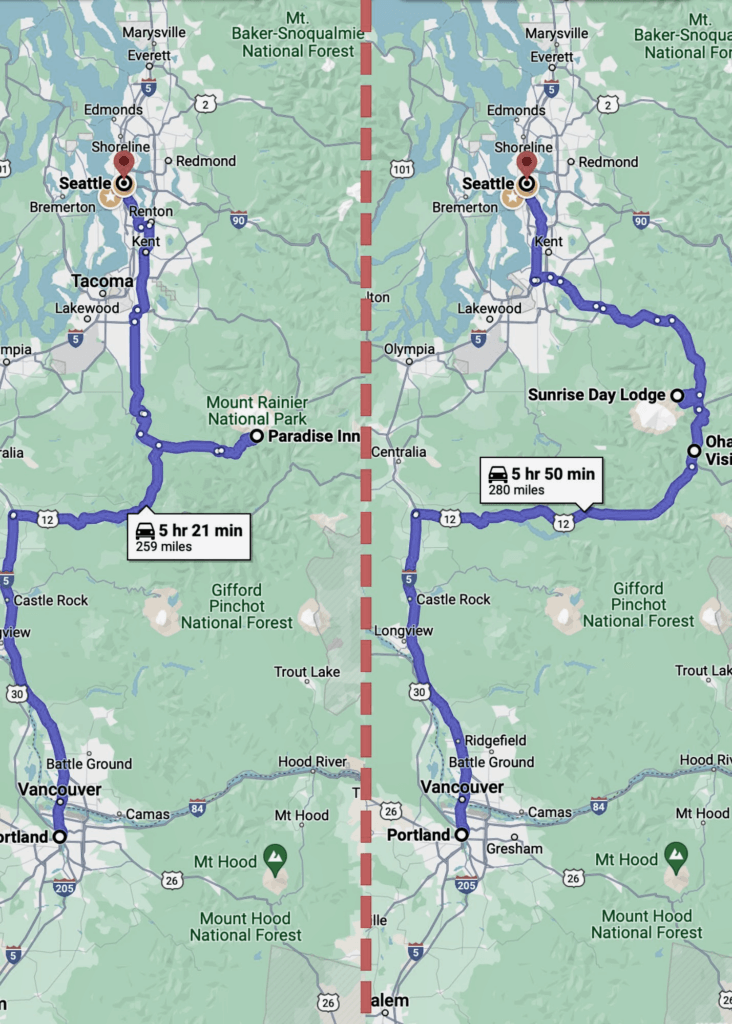
This comprehensive guide will delve into the precise distances, explore various modes of transportation, suggest delightful stopovers, and offer insights into optimizing your travel time and experience between these two iconic Pacific Northwest destinations. From efficient transit to scenic road trips and luxurious stays, we’ll cover everything you need to know to bridge the gap between Portland and Seattle.
The Distance Between Portland and Seattle: A Quick Overview
Before diving into the specifics of travel, it’s essential to establish the foundational element: the distance itself. Understanding this metric allows travelers to accurately gauge travel times and plan their itineraries effectively.
Straight-Line vs. Driving Distance
When considering the distance between Portland, OR and Seattle, WA, it’s important to differentiate between the straight-line (as-the-crow-flies) distance and the actual driving distance, which accounts for roads and geographical features.
The straight-line distance between the city centers of Portland and Seattle is approximately 145 miles (233 kilometers). This measurement is useful for understanding the general proximity but isn’t practical for ground travel planning.
For most travelers, the driving distance is the most relevant figure. Following the primary highway route, Interstate 5 (I-5)), the distance typically spans around 174-178 miles (280-286 kilometers), depending on the exact starting and ending points within each city. This journey usually takes about 2.5 to 3 hours of pure driving time under ideal conditions, without factoring in traffic, stops, or detours. However, traffic, especially during peak hours around Seattle, Tacoma, and Portland, can significantly extend this duration, often pushing travel times to 4 hours or more.
Key Routes and Scenic Drives
The most direct and popular route connecting Portland and Seattle is undoubtedly Interstate 5 (I-5)). This multi-lane freeway efficiently links the two metropolitan areas, passing through a mix of urban sprawl, agricultural lands, and forested sections. It’s the go-to choice for those prioritizing speed and directness.
While I-5 offers a straightforward path, adventurous travelers might consider more scenic alternatives, though these will naturally increase travel time. One such option involves parts of US-101 for a coastal experience. This route would take you west to the Pacific Ocean and then north along the stunning coastline before cutting back inland towards Seattle. While incredibly picturesque, with dramatic cliffs, sandy beaches, and charming coastal towns, this detour can easily double or triple your travel time, making it more suitable for a dedicated multi-day road trip rather than a quick commute. For the purpose of getting directly from Portland to Seattle, I-5 remains the undisputed champion.
Navigating the Pacific Northwest: Your Travel Options
Traveling between Portland and Seattle offers a variety of choices, each with its own advantages and considerations regarding cost, convenience, and comfort. Your preferred mode of transport will likely depend on your budget, travel style, and whether you prioritize speed, scenery, or flexibility.
Driving: Flexibility and Scenic Stops
Driving is, for many, the quintessential American travel experience, offering unparalleled flexibility and the freedom to explore at your own pace. The journey along I-5 is straightforward, making it an accessible option even for those unfamiliar with the area.
- Pros: The primary advantage of driving is the autonomy it provides. You can set your schedule, carry as much luggage as your vehicle allows, and make impromptu stops at attractions, quaint towns, or scenic viewpoints that catch your eye. Rental cars are readily available at both Portland International Airport (PDX) and Seattle-Tacoma International Airport (SEA), as well as within the city centers. This flexibility is particularly appealing for family trips or those planning to explore areas outside the main cities.
- Cons: Driving comes with its challenges. Traffic can be a significant hurdle, especially during rush hour commutes in and around both metropolitan areas and Tacoma. Fuel costs can add up, and parking in Downtown Seattle or Downtown Portland can be expensive and difficult to find.
- Suggested Stops: To break up the drive and add to the experience, consider stopping in cities like Olympia, Washington’s state capital, where you can visit the impressive Washington State Capitol building. Tacoma offers the Museum of Glass and the sprawling Point Defiance Park. Further south, the charming town of Centralia boasts a historic downtown with antique shops.
Public Transportation: Train and Bus
For those who prefer to sit back and enjoy the ride without the stresses of driving, public transportation offers excellent alternatives.
- Amtrak Cascades: Traveling by train is a popular choice for its comfort, scenic views, and relaxed pace. The Amtrak Cascades service connects Portland’s Union Station to Seattle’s King Street Station multiple times a day. The journey typically takes around 3.5 to 4 hours, offering passengers comfortable seating, Wi-Fi, and a dining car. A significant portion of the route provides stunning vistas of the Puget Sound, making it a truly picturesque way to travel. Booking in advance is recommended, especially during peak seasons, to secure preferred seating and potentially better fares.
- Bus Services (e.g., Greyhound, FlixBus): Bus travel is generally the most economical option. Companies like Greyhound and FlixBus operate several daily services between Portland and Seattle. The travel time is comparable to, or slightly longer than, the train, usually ranging from 3.5 to 4.5 hours, depending on the number of stops and traffic conditions. While perhaps less glamorous than the train, buses offer a reliable and budget-friendly solution for intercity travel.

Flying: The Fastest Way
When time is of the essence, flying is the quickest way to cover the distance between Portland and Seattle.
- Pros: The actual flight time is remarkably short, typically around 45-60 minutes. This makes it ideal for business travelers or those with tight schedules who simply need to get from point A to point B as quickly as possible.
- Cons: While the flight itself is brief, the overall airport experience adds considerable time. Travelers must factor in transit to and from the airports (PDX and SEA), security checks, check-in, boarding, and baggage claim. When all these factors are considered, the total door-to-door travel time can often rival or even exceed the driving or train times, making it less efficient for many leisure travelers unless they are already flying into one of the airports for a connecting flight. Furthermore, airfares can be significantly higher than other modes of transport, especially when booked last minute.
Making the Most of Your Journey: Beyond the Destination
The journey between Portland and Seattle isn’t just about covering miles; it’s an opportunity to experience more of the Pacific Northwest. Strategic planning and an open mind can transform a simple commute into an integral part of your travel adventure.
Stopover Gems and Roadside Attractions
If you choose to drive, the I-5 corridor offers several intriguing spots worth a stop, allowing you to stretch your legs and discover local culture and landmarks.
- Olympia: As mentioned, the Washington State Capitol campus is a grand architectural marvel and offers insightful tours. The city also has a charming waterfront and local eateries.
- Tacoma: This port city has undergone significant revitalization. Don’t miss the Museum of Glass, famous for its striking architecture and impressive collection of glass art, often featuring live demonstrations. Point Defiance Park is another highlight, a massive urban park with beaches, gardens, and a zoo.
- Vancouver, WA: Just across the Columbia River from Portland, Vancouver, WA boasts a rich history. The Fort Vancouver National Historic Site provides a fascinating glimpse into the region’s fur trading past and military history. The city also has a burgeoning craft brewery scene and a pleasant waterfront.
- Maryhill Winery (if taking a significant detour): For a truly scenic detour off I-5, especially if you’re willing to venture east towards the Columbia River Gorge, Maryhill Winery offers stunning views and award-winning wines. This is more of an extended day trip than a quick stop, but highly recommended for wine enthusiasts.
These stops not only break up the monotony of the drive but also enrich your understanding and appreciation of the diverse landscapes and heritage of the Pacific Northwest.
Planning Your Pacific Northwest Adventure
Careful planning can significantly enhance your travel experience between Portland and Seattle.
- Best Time to Travel: The summer months (June to September) offer the most pleasant weather, with warm temperatures and minimal rain, perfect for sightseeing and outdoor activities. However, this is also peak tourist season, meaning higher prices for accommodation and potentially more traffic. Spring and fall present a good balance, with fewer crowds, mild weather, and often more vibrant landscapes (blooming flowers in spring, colorful foliage in autumn). Winters can be wet and grey, but also offer unique experiences like cozy cafes and fewer tourists.
- Traffic Tips: If driving, aim to travel during off-peak hours to avoid the notorious rush hour traffic around both Portland and Seattle, typically between 6-9 AM and 3-6 PM on weekdays. Weekends can also see heavy traffic, especially on Friday evenings and Sunday afternoons. Utilizing navigation apps that provide real-time traffic updates is highly recommended.
- Accommodation Booking: Regardless of your travel dates, booking your hotels, suites, or vacation rentals in advance is always a wise decision. This is especially true in popular areas like Downtown Seattle or Portland’s Pearl District, where desirable accommodations fill up quickly. Websites specializing in accommodation comparison and reviews can help you find the perfect stay, whether you’re looking for luxury resorts, budget-friendly apartments, or unique boutique hotels.
- Considering a Multi-City Itinerary: Many travelers choose to combine a visit to Portland and Seattle into a single trip. This allows for a richer experience of the Pacific Northwest’s contrasting urban cultures. Plan at least 3-4 days in each city to fully immerse yourself in their attractions, food scenes, and local lifestyles.
Accommodation & Experiences: Enhancing Your Portland or Seattle Stay
Once you’ve determined how you’ll travel between these two great cities, the next step is to plan your stays and experiences. Both Portland and Seattle offer a wide array of accommodation options and an abundance of activities, catering to every taste and budget.
Where to Stay: From Budget to Luxury
Choosing the right accommodation is paramount to a successful trip, impacting convenience, comfort, and overall enjoyment.
- In Seattle:
- Luxury: For an opulent experience, consider the Four Seasons Hotel Seattle or the historic Fairmont Olympic Hotel in Downtown Seattle. These properties offer world-class amenities, exquisite dining, and often stunning views of the city or Puget Sound.
- Boutique & Mid-Range: Neighborhoods like Capitol Hill, Ballard, and Fremont are home to unique boutique hotels such as Hotel Theodore, offering a more localized and stylish experience. These areas also provide easy access to local culture, food, and nightlife.
- Budget-Friendly: Hostels and more basic hotels can be found throughout the city, especially near major transit lines, allowing budget travelers to enjoy Seattle without breaking the bank. Vacation rentals like apartments and villas are also popular, offering more space and a home-like feel, often ideal for longer stays or families.
- In Portland:
- Boutique & Upscale: Portland is known for its quirky and sophisticated boutique hotels. The classic The Heathman Hotel in Downtown Portland offers elegance and literary history, while Jupiter NEXT provides a trendy, modern vibe near the bustling East Burnside area.
- Neighborhood Stays: Explore distinct areas like the Pearl District for upscale lofts and galleries, Hawthorne for its bohemian charm, or Nob Hill (Northwest 23rd Avenue) for Victorian architecture and independent shops. These areas often have charming bed and breakfasts or locally owned hotels.
- Budget & Unique: Portland also excels in unique, budget-conscious accommodations, from stylish hostels to affordable apartments, allowing travelers to experience the city’s distinct culture without excessive cost.
Must-See Landmarks and Local Culture
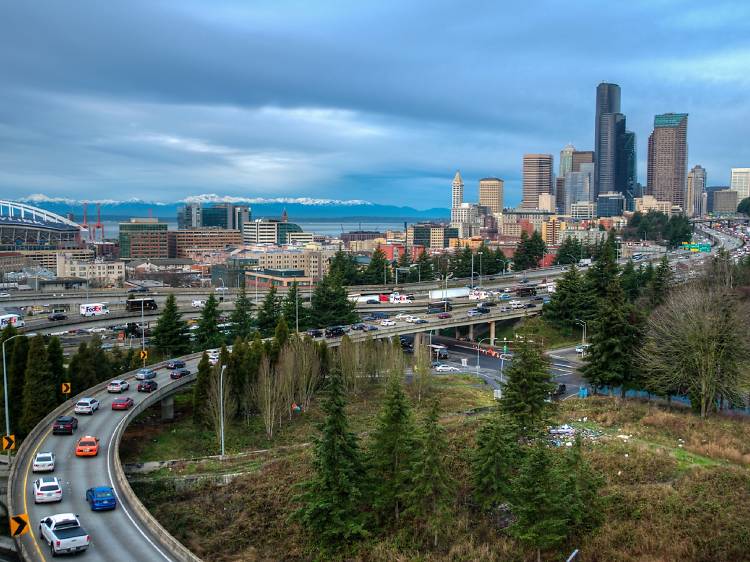
Both Portland and Seattle are rich in landmarks, attractions, and unique cultural experiences that define their individual identities.
- Exploring Seattle:
- The iconic Space Needle offers panoramic views of the city, mountains, and water.
- Pike Place Market is a sensory delight, famous for its fish throwing, artisan crafts, and diverse eateries.
- Near the Space Needle, immerse yourself in the vibrant glass art of Chihuly Garden and Glass or dive into music and pop culture history at the Museum of Pop Culture (MoPOP)).
- A ride on the Seattle Great Wheel on Pier 57 provides another fantastic perspective of the waterfront.
- Don’t forget to experience Seattle’s pioneering coffee culture and thriving tech scene.
- Discovering Portland:
- Lose yourself for hours in Powell’s City of Books, the world’s largest independent bookstore.
- Find tranquility in Washington Park, home to the serene Portland Japanese Garden and the fragrant International Rose Test Garden.
- Indulge in Portland’s famous food scene, from quirky food carts to renowned fine dining, and of course, a visit to Voodoo Doughnut is a must for many.
- For families and science enthusiasts, the Oregon Museum of Science and Industry (OMSI)) offers interactive exhibits and a planetarium.
- Portland’s craft beer and artisanal coffee scenes are legendary, perfect for a lifestyle traveler seeking local flavors.
In conclusion, the journey between Portland, OR and Seattle, WA is a manageable and exciting part of any Pacific Northwest itinerary. With a clear understanding of the distance, the various travel methods available, and the potential for enriching stopovers, you’re well-equipped to choose the option that best suits your travel style. Whether you opt for the efficiency of I-5, the scenic comfort of the Amtrak Cascades, or the swiftness of a short flight, the adventure awaits. Both cities offer a wealth of experiences, from iconic landmarks to unique local cultures and diverse accommodation options, ensuring that your time in this stunning region will be nothing short of extraordinary.
LifeOutOfTheBox is a participant in the Amazon Services LLC Associates Program, an affiliate advertising program designed to provide a means for sites to earn advertising fees by advertising and linking to Amazon.com. Amazon, the Amazon logo, AmazonSupply, and the AmazonSupply logo are trademarks of Amazon.com, Inc. or its affiliates. As an Amazon Associate we earn affiliate commissions from qualifying purchases.