
Embarking on a culinary adventure can be as enriching as exploring a new city or unwinding at a luxurious resort. For many, the ultimate expression of this journey is mastering a classic dish that tells a story, evokes a sense of place, and brings people together. The Boston Butt pork roast, despite its peculiar name, is precisely such a dish – a cornerstone of American BBQ culture, particularly in the Southern United States. It’s more than just a cut of meat; it’s an experience, a slow-cooked masterpiece that transforms humble ingredients into tender, flavorful pulled pork, perfect for sharing during family trips or as a highlight of a relaxed stay in a well-appointed villa rental.

This article isn’t just a recipe; it’s your guide to integrating this iconic culinary creation into your lifestyle, whether you’re recreating travel flavors from your last trip to Memphis or Austin, or simply seeking a comforting, rewarding cooking project at home. We’ll explore the history, the methods, and the sheer joy of cooking a Boston Butt, demonstrating how this undertaking beautifully aligns with the spirit of travel, accommodation, and a life well-lived.
The Culinary Journey Begins: Understanding the Boston Butt and Its Heritage
Before we dive into the nitty-gritty of cooking, let’s unpack what a Boston Butt is and why it holds such a revered place in culinary traditions, especially within the context of tourism and local food culture.
What Exactly is a Boston Butt? A Tale of Nomenclature and Versatility
The term “Boston Butt” often sparks curiosity. Despite its name, it’s not from the rear end of a pig, nor is it exclusively a product of Boston. In fact, it refers to a cut of pork from the upper part of the pig’s front shoulder, specifically the portion above the picnic shoulder. This cut includes the shoulder blade bone and a good amount of fat and connective tissue, which are key to its incredible tenderness and flavor when cooked slowly.
The “butt” likely comes from old English and Scottish dialects, where it referred to a specific part of the pig, or from the barrels (“butts”) that pork was traditionally packed in for storage and transport in colonial New England. Regardless of its linguistic origins, this cut is prized for its marbling and collagen content. When subjected to low and slow cooking, these elements break down, rendering the meat incredibly moist, tender, and easy to shred, making it the ideal choice for classic pulled pork. Its versatility extends beyond pulled pork; it can be roasted whole, smoked for exquisite Smoked Pork Shoulder, or even used for carnitas or char siu.
A Taste of Southern Hospitality: Where BBQ Reigns Supreme
To truly appreciate the Boston Butt, one must understand its roots in Southern Hospitality and the rich tapestry of American BBQ. Travel through the Southern United States and you’ll encounter a vibrant BBQ landscape, each region boasting its unique styles and traditions. From the tangy, vinegar-based sauces of North Carolina BBQ to the sweet, tomato-based concoctions of Kansas City, and the dry rubs of Memphis, the Boston Butt is the undisputed star, providing the canvas for these regional masterpieces.
Experiencing these local food cultures is a significant part of the travel experience. Imagine tasting authentic pulled pork at a roadside shack in Charleston, or at a legendary joint like Franklin Barbecue in Austin. These culinary explorations become cherished memories, inspiring you to bring those flavors home. When you cook a Boston Butt, you’re not just preparing a meal; you’re participating in a rich cultural tradition, bridging the gap between your travel experiences and your everyday lifestyle.
Preparing Your Boston Butt: From Kitchen to Culinary Adventure
The magic of a Boston Butt lies in its preparation – a process that encourages patience and rewards with unparalleled flavor. This is an activity perfectly suited for those leisurely days spent in an accommodation with a fully equipped kitchen, be it a spacious suite at a Hyatt Regency or your own home.
The Essentials: Ingredients and Equipment for Success
Before you begin, gather your essentials. The beauty of pulled pork is its relatively simple ingredient list, allowing the quality of the meat and the cooking method to shine.
Ingredients:
- 1 Boston Butt Pork Roast (6-8 pounds): Look for good marbling.
- For the Dry Rub:
- ¼ cup brown sugar
- ¼ cup smoked paprika
- 2 tablespoons salt
- 2 tablespoons black pepper
- 1 tablespoon garlic powder
- 1 tablespoon onion powder
- 1 tablespoon chili powder (optional, for a kick)
- 1 teaspoon cayenne pepper (optional, for heat)
- For the Liquid (Optional, for moisture):
- 1 cup apple cider vinegar or chicken broth
Equipment:
- Large roasting pan with a rack, Dutch oven, or slow cooker (6-quart or larger): The choice depends on your preferred cooking method (oven, Slow Cooker BBQ, or smoker).
- Aluminum foil: For covering and resting.
- Meat thermometer: Crucial for ensuring proper internal temperature. A digital Thermapen is ideal.
- Shredding claws or two forks: For easily pulling the pork apart.
For travelers, having access to a functional kitchen in a Marriott Bonvoy apartment or a self-catering Airbnb makes such culinary endeavors possible, transforming a simple stay into a truly immersive experience. It’s a key amenity for those who enjoy creating their own Gourmet Dinners on the road.
Crafting the Perfect Rub: Your Passport to Flavor
The dry rub is the soul of your Boston Butt, infusing it with layers of flavor. Think of it as your personal spice blend, reflecting tastes you might have discovered on your travels along the Spice Route or in a bustling market.
- Prepare the Pork: Pat the pork roast dry with paper towels. This helps the rub adhere better and creates a nice bark. Trim any large pieces of hard fat, but leave a good fat cap for moisture.
- Mix the Rub: In a small bowl, combine all the dry rub ingredients. Feel free to adjust ratios or add other spices like mustard powder, cumin, or even a touch of espresso powder for depth. This is your chance to personalize the flavor profile, perhaps inspired by a particular BBQ joint you loved on a trip.
- Apply the Rub Generously: Massage the rub all over the pork roast, ensuring every surface is coated. Don’t be shy; this forms the flavorful “bark.” For best results, cover the rubbed pork and refrigerate it for at least 4 hours, or ideally overnight (up to 24 hours). This allows the flavors to penetrate the meat deeply. This step, while requiring foresight, embodies the relaxed pace of a vacation, where anticipation is part of the pleasure.
Low and Slow: The Secret to Tender Pulled Pork
This is where the magic happens. The “low and slow” method is non-negotiable for achieving that fall-apart tender consistency. It’s a test of patience, but the rewards are immense.
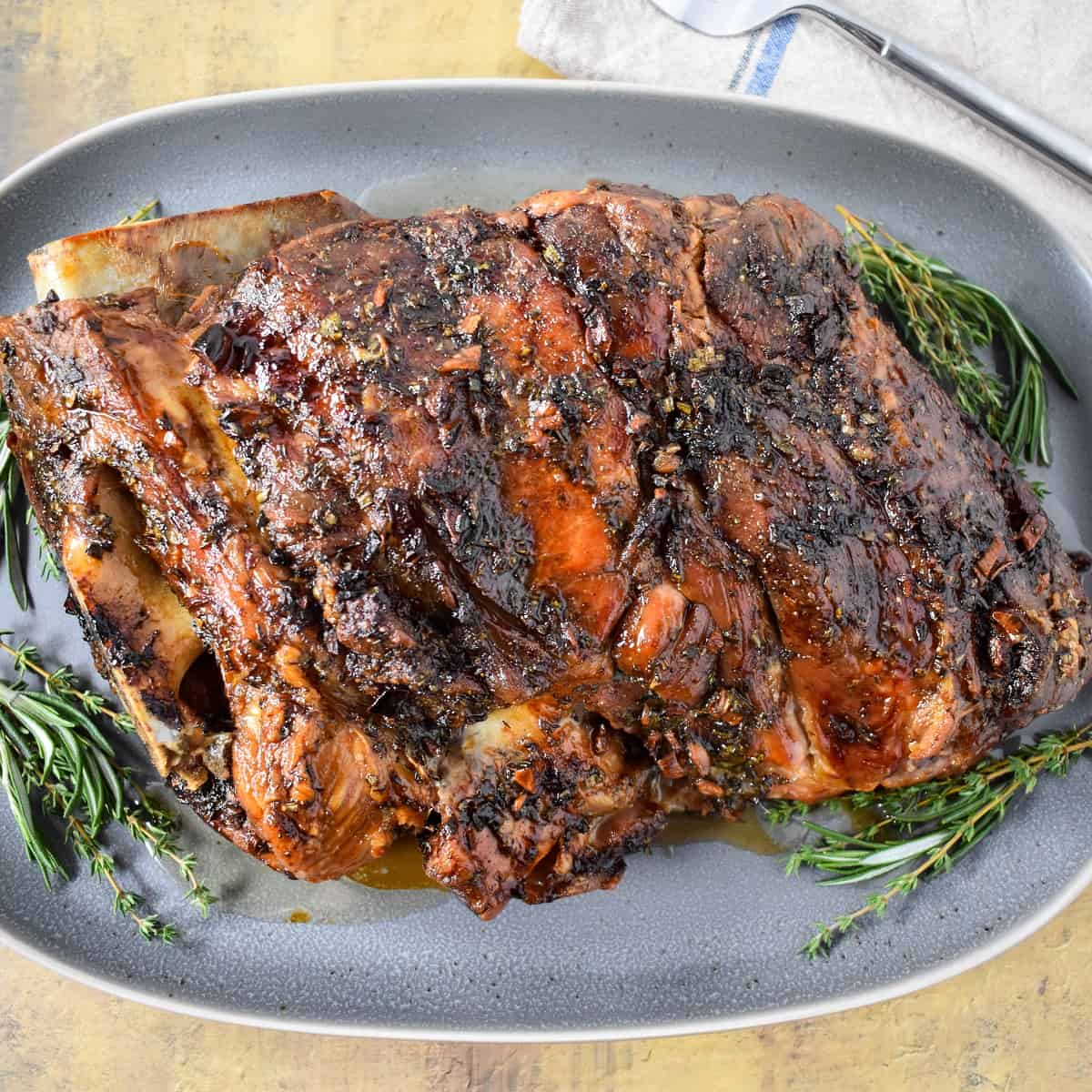
Oven Method (Recommended for home cooks without a smoker):
- Preheat Oven: Preheat your oven to 275°F (135°C).
- Prepare for Roasting: Place the rubbed pork butt on a rack in a large roasting pan. You can add 1 cup of apple cider vinegar or chicken broth to the bottom of the pan to create moisture and steam, which helps keep the pork tender.
- Cover Tightly: Cover the roasting pan tightly with aluminum foil.
- Cook: Roast for approximately 6-8 hours, or until the internal temperature reaches 200-205°F (93-96°C). The cooking time will vary depending on the size of your roast and your oven. The key is the internal temperature and tenderness, not just the time. You should be able to easily insert a fork with little resistance.
- Rest: Once the pork reaches the desired temperature, remove it from the oven (still covered) and let it rest for at least 30 minutes, or up to an hour. This allows the juices to redistribute, ensuring a moist final product. This resting period is akin to unwinding in a comfortable hotel suite after a long journey – essential for rejuvenation.
Slow Cooker Method (Great for set-it-and-forget-it convenience):
- Sear (Optional but Recommended): For added flavor, sear the pork butt in a hot skillet with a little oil for a few minutes on all sides until browned.
- Place in Slow Cooker: Transfer the seared (or unseared) pork to a 6-quart (or larger) slow cooker. Add 1 cup of apple cider vinegar or chicken broth to the bottom.
- Cook: Cook on low for 8-10 hours, or on high for 5-6 hours, until the pork is fall-apart tender and easily shreds with a fork.
- Rest: Remove the pork from the slow cooker and let it rest for 20-30 minutes before shredding.
Smoker Method (For the ultimate BBQ experience):
- Preheat Smoker: Preheat your Traeger Smoker or Weber Grill (indirect heat) to 225-250°F (107-121°C). Use wood chunks or chips like hickory, apple, or cherry for flavor.
- Smoke: Place the rubbed pork butt directly on the grates. Smoke for 1-1.5 hours per pound, or until the internal temperature reaches 160-165°F (71-74°C). This is often called “the stall.”
- Wrap: Once it hits the stall, wrap the pork tightly in butcher paper or aluminum foil. You can add a splash of apple juice or cider vinegar before wrapping.
- Continue Cooking: Return the wrapped pork to the smoker and continue cooking until the internal temperature reaches 200-205°F (93-96°C).
- Rest: Remove from smoker (still wrapped) and let rest in an insulated cooler for 1-2 hours. This extended rest is crucial for maximum tenderness and moisture.
The slow cooking process, whether in an oven, a Instant Pot, Sous Vide or a dedicated smoker, is a testament to the idea that some of the best things in life take time. It’s a practice in mindfulness, a perfect complement to a relaxed vacation or a weekend staycation at a cozy Grand Hyatt with a kitchenette.
Serving Your Masterpiece: Beyond the Plate, Into the Experience
After hours of patient cooking, the moment of truth arrives. Shredding the pork and presenting it is the final step in this culinary adventure.
The Art of Shredding: Unleashing the Tenderness
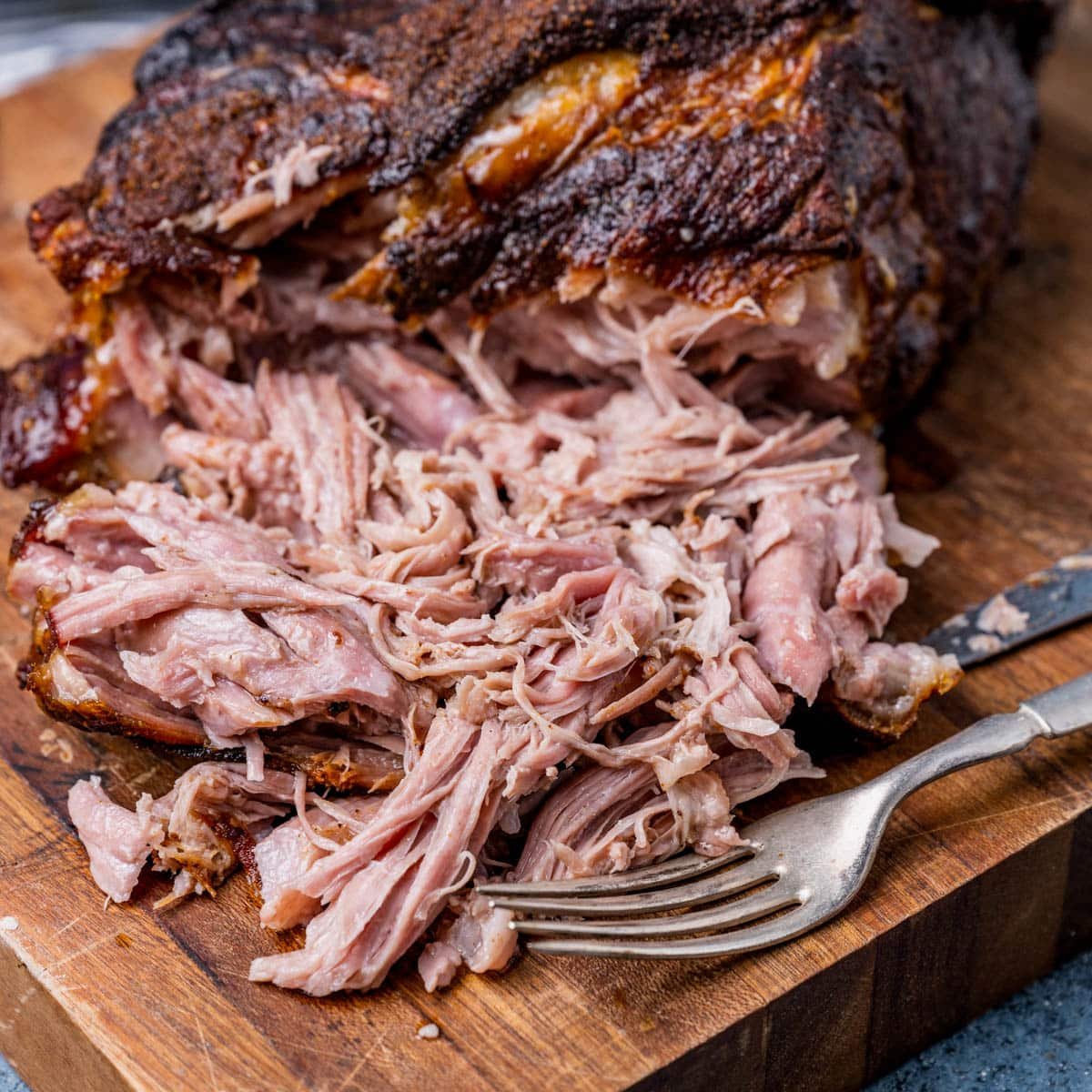
Once rested, the pork should be incredibly tender. Place it in a large pan or bowl. Using shredding claws or two sturdy forks, begin to pull the meat apart. It should practically fall off the bone. Discard any large pieces of fat or gristle, but keep some of the rendered fat and juices from the pan – this is liquid gold that adds immense flavor and moisture. Mix the shredded pork with these pan juices to keep it succulent.
Creative Serving Suggestions: From Picnics to Gourmet Dinners
Pulled pork is incredibly versatile. Here are a few ways to serve your masterpiece, suitable for various occasions:
- Classic Pulled Pork Sandwiches: Serve on soft buns with coleslaw and your favorite BBQ sauce. This is a staple for Picnics in the Park or casual gatherings.
- Pulled Pork Tacos or Nachos: A fun and customizable option, perfect for a casual evening in a Hilton Garden Inn with friends.
- BBQ Pulled Pork Plate: Serve with classic sides like baked beans, cornbread, and potato salad. This evokes the feeling of dining at a local BBQ restaurant during your travels.
- Pulled Pork Mac and Cheese: A decadent comfort food fusion.
- Pulled Pork Pizza: An adventurous twist that combines Italian and Southern flavors.
Pairing with Travel Memories: Drinks and Sides
Elevate your Boston Butt experience by pairing it with drinks and sides that evoke your favorite travel memories.
- Local Craft Beer: If you’ve been on a brewery tour in a city like Asheville or Nashville, choose a local brew that reminds you of that experience. A crisp lager or a smoky porter can beautifully complement the rich pork.
- Southern Sides: Classic Carolina slaw, collard greens, or a sweet potato casserole will transport your taste buds straight back to the Southern United States.
- Regional Sauces: Experiment with different BBQ sauces – a spicy Texas Smoked Meats sauce, a tangy North Carolina vinegar sauce, or a sweet and smoky Kansas City style sauce – to relive the diverse flavors encountered during your culinary travels.
The Lifestyle Connection: Why Cooking a Boston Butt Elevates Your Travel Experience
Cooking a Boston Butt, while seemingly a domestic task, is deeply intertwined with a travel-inspired lifestyle. It’s about bringing the world home, fostering connection, and embracing a slower, more intentional pace.
From Hotel Kitchens to Private Villas: Embracing Culinary Independence
One of the great joys of modern accommodation options is the increasing availability of facilities that support culinary independence. From extended-stay hotels with fully equipped hotel kitchens to luxurious private villas with professional-grade appliances, travelers now have the freedom to recreate beloved dishes or experiment with local ingredients. Preparing a Boston Butt in such a setting transforms your stay into a more homely, personalized experience. Imagine slow-cooking pork while enjoying the scenic views from your apartment in St. Louis, or hosting a pulled pork feast for friends gathered at a rented estate in Atlanta. This culinary freedom enhances the overall travel experience, moving beyond mere sightseeing to truly living like a local, or at least dining like one.
Bringing the World Home: Recreating Travel Flavors
The desire to cook a Boston Butt often stems from a memorable encounter with authentic BBQ during travels. Perhaps you were inspired by a Pitmaster in Birmingham, or you stumbled upon a hidden gem featured on The Food Network or The Travel Channel. Recreating these travel flavors in your own kitchen allows you to extend the joy of your trip long after you’ve returned. It’s a tangible way to keep those memories alive, to share them with loved ones, and to continuously explore the rich tapestry of global cuisine. The journey of cooking becomes a continuous loop, where travel inspires cooking, and cooking, in turn, fuels the desire for more travel.
Community and Connection: Sharing the Feast
Finally, cooking a Boston Butt is inherently a social act. The generous yield of a large pork shoulder makes it perfect for feeding a crowd, fostering community and connection. Whether you’re hosting a backyard BBQ, preparing a comforting meal for your family after a long day of exploring a new landmark, or simply sharing the process with a fellow food enthusiast, the Boston Butt facilitates moments of togetherness. It’s a reflection of the hospitality often encountered during travel, where food is a universal language that breaks down barriers and builds bridges. The act of sharing a delicious, home-cooked meal, especially one that takes time and effort, is a powerful way to bond and create new, lasting memories.
In conclusion, learning “How Do I Cook A Boston Butt Pork Roast?” is far more than just following a recipe. It’s an invitation to a culinary journey, a deep dive into Southern American traditions, and a beautiful way to enrich your travel and lifestyle experiences. From understanding the cut’s history to mastering the low and slow cooking process, and finally, sharing the succulent results, every step is an opportunity to connect with culture, create unforgettable flavors, and bring a piece of your travel adventures right into your own kitchen. So, gather your ingredients, set aside the time, and prepare to embark on a truly rewarding culinary expedition that nourishes not just the body, but also the spirit of a well-traveled life.
LifeOutOfTheBox is a participant in the Amazon Services LLC Associates Program, an affiliate advertising program designed to provide a means for sites to earn advertising fees by advertising and linking to Amazon.com. Amazon, the Amazon logo, AmazonSupply, and the AmazonSupply logo are trademarks of Amazon.com, Inc. or its affiliates. As an Amazon Associate we earn affiliate commissions from qualifying purchases.