
Moving a spa, be it a compact backyard hot tub or an expansive commercial wellness center, is a task that often seems daunting. From the initial thrill of imagining a refreshed space to the meticulous planning and heavy lifting, the process demands careful consideration and, frequently, professional expertise. For homeowners upgrading their residences or for businesses like specific hotels and resorts undergoing renovation, understanding the intricacies of spa relocation is crucial. This comprehensive guide will walk you through everything required for a successful spa move, ensuring its journey to a new location is as smooth as possible.

The prospect of moving something as substantial as a spa can present logistical challenges. However, with the right approach, equipment, and potentially a team of specialists, what seems like an insurmountable task becomes a manageable project. Our focus extends beyond just the physical act; it includes safeguarding your investment, complying with regulations, and ensuring the spa is fully operational in its new home. Whether relocating a private hot tub from Miami to Orlando or a major facility within a Four Seasons Resort in Maui, the principles of planning and execution remain vital. This guide provides practical advice for both scenarios, blending hands-on tips with strategic considerations for maintaining high service standards.
Moving a spa encompasses a broad spectrum of possibilities, from a two-person hot tub to a large swim spa for aquatic exercise. The spa’s scale directly impacts the complexity and cost. For businesses in the tourism industry, such as a Hilton Hotels & Resorts property or a Marriott International property undertaking refurbishment in Las Vegas or Dubai, spa relocation is often part of a larger strategy to enhance guest offerings. The goal is always an uninterrupted, premium experience, even amidst operational changes.
The Initial Planning & Preparation Phase
The success of any spa move relies heavily on thorough planning. This phase involves strategizing every aspect to anticipate and mitigate potential issues. Detailed preparation, from understanding spa specifications to evaluating logistical challenges at both locations, saves time, money, and stress.
Assessing Your Spa and Location
Before any physical movement, a detailed assessment is crucial.
- Type of Spa: Identify if it’s a portable, in-ground, or swim spa. Portable units are generally simpler to move, while in-ground spas may require demolition. Swim spas, due to size and weight, pose unique challenges.
- Dimensions and Weight: Accurately measure length, width, height, and estimate dry weight. This data is critical for determining equipment, transport, and personnel needs. An average portable hot tub weighs 500-1,000 lbs (227-454 kg) dry; large swim spas can exceed 2,000 lbs (907 kg) and often require specialized lifting equipment.
- Access Points: Examine access routes at both old and new locations for narrow gates, tight corners, steps, or uneven terrain. Measure doorways, fence openings, and overhead obstructions. For a commercial spa at The Venetian Resort, navigating through guest areas requires meticulous coordination.
- Electrical, Plumbing, and Gas Requirements: Document all existing connections: voltage, amperage, wiring type (e.g., 120V or 240V). For gas heaters, note gas line type and shut-off valves. This information is vital for safe disconnection and proper reinstallation.
- Permits and Regulations: Check local building codes and zoning ordinances. Some moves, especially for larger commercial units or those needing crane services in a city like New York City or London, may require specific permits for oversized loads or specialized electrical work. Neglecting these can lead to fines or delays.
Essential Tools and Equipment
The right tools are paramount for a safe and efficient move.
- Draining Equipment: A submersible pump and heavy-duty garden hoses for complete draining.
- Moving Aids: Spa dollies, flatbed dollies, furniture straps, and a spa sled or air-sled system for moving heavy units. A crane service may be indispensable for extremely heavy spas.
- Protective Gear: Moving blankets, heavy-duty tarps, shrink wrap, and cardboard for protecting the spa’s shell and panels during transit.
- Safety Equipment: Gloves, safety glasses, steel-toed boots, and back braces are non-negotiable.
Professional Assistance vs. DIY
Deciding whether to hire professionals or handle the move yourself depends on several factors:
- Complexity and Weight: For large, heavy, or in-ground spas, professional movers specializing in spas are highly recommended. They have the experience, specialized equipment, and insurance.
- Access Challenges: Tight corners, multiple steps, or limited access points increase difficulty and risk. Professionals are adept at navigating these obstacles.
- Skill Set: Disconnecting and reconnecting electrical and plumbing systems often require licensed electricians and plumbers. Attempting these without proper qualifications is dangerous and can void warranties.
- Cost Considerations: While DIY may seem cheaper, potential damage or personal injury can lead to far greater expenses. Obtain quotes from several reputable spa moving companies. For commercial properties in California renovating wellness facilities, professional movers’ costs are usually budgeted, ensuring minimal disruption.
- Insurance: Professional movers typically carry insurance for potential damage during the move. Verify coverage before hiring.
Executing the Move: A Step-by-Step Guide
With thorough planning complete, the execution phase demands precision and teamwork, with each step followed carefully to prevent damage and ensure safety.
Draining and Disconnecting
This first hands-on step must be meticulously performed.
- Safety First: Turn off all power to the spa at the breaker box. For gas heaters, shut off the gas supply. Disconnect water lines at their source.
- Proper Draining: Use a submersible pump to drain the spa completely (can take several hours). Ensure water is drained into an appropriate area, adhering to local environmental regulations, particularly for commercial spas in sensitive areas like Sedona, Arizona or Bali.
- Disconnecting Lines: Carefully disconnect all electrical conduits, plumbing lines, and gas lines. Label each connection clearly for reassembly. Store small parts in labeled bags.
- Cleaning and Drying: Thoroughly clean the spa’s interior and exterior. Allow it to dry completely to prevent mold or mildew during transit.
Securing and Protecting
Protecting the spa during transit is critical to maintaining its condition.
- Remove Loose Parts: Take out all removable components (filters, headrests, jet inserts, cover). Store them separately.
- Secure Panels: Ensure all access panels are fastened or removed and packed separately.
- Wrap for Protection: Use moving blankets, heavy-duty tarps, and shrink wrap to protect the shell, cabinet, and control panel from scratches, impacts, and weather. Pay special attention to corners.
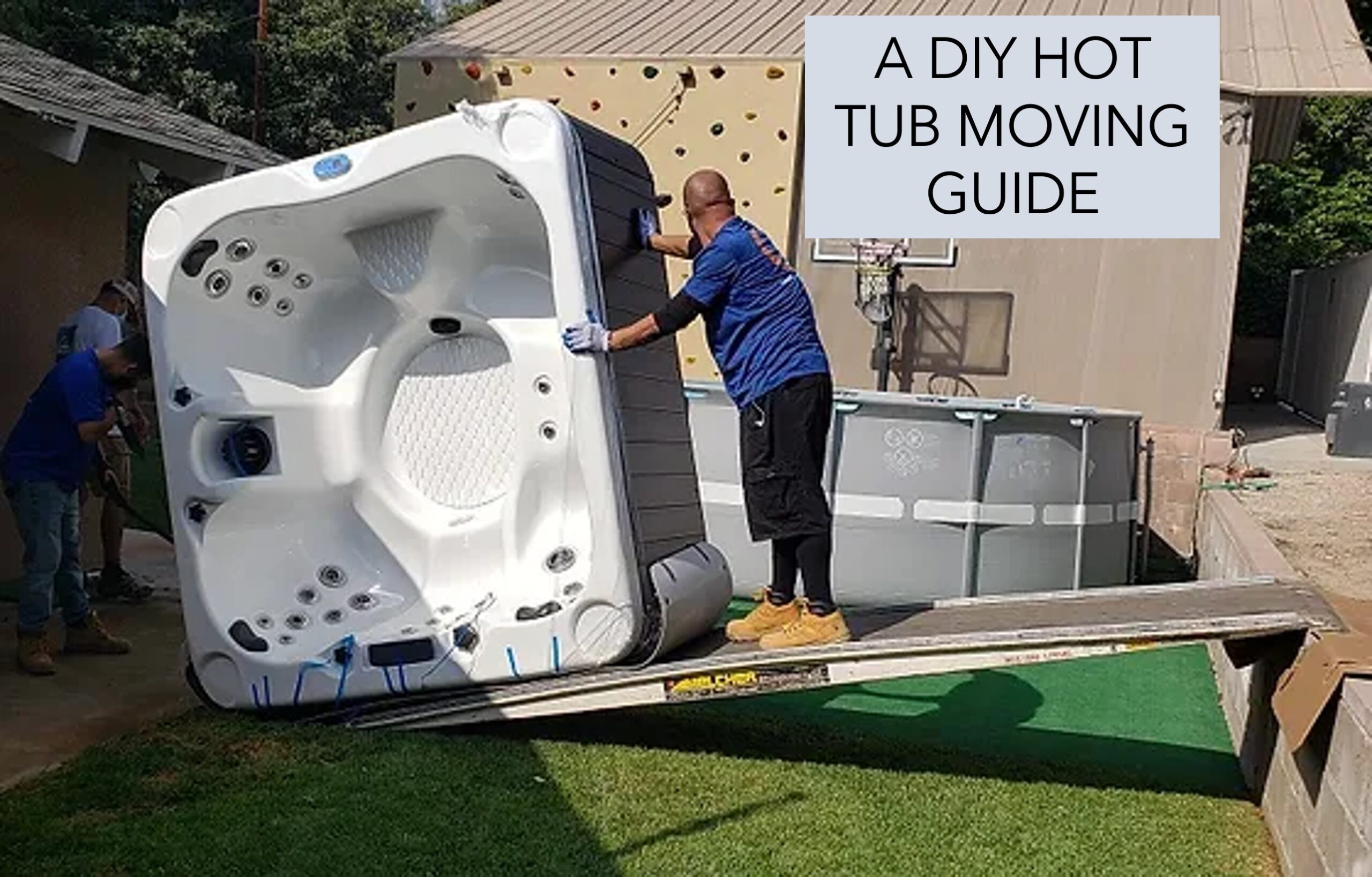
The Art of Transport
This stage involves heavy lifting and logistical expertise.
- Maneuvering Out: Using dollies, spa sleds, or air-sleds, carefully move the spa out of its original location. This often involves tipping it onto its side (if safe) and rolling it. For complex removals, professionals might use forklifts or cranes to lift it over obstacles, especially in dense urban environments like Tokyo or Singapore.
- Choosing the Right Vehicle: A flatbed truck or sturdy trailer is typically required. Ensure sufficient capacity and proper tie-down points.
- Securing for Transit: Use heavy-duty straps and ratchets to secure the spa firmly. Place protective padding between straps and the spa’s surface. Double-check all tie-downs, especially for long distances or diverse terrain, such as moving to a mountain retreat in the Alps of Switzerland.
- Route Planning: Meticulously plan the route, considering road width, bridge clearances, traffic, and potential obstacles. For oversized loads, coordination with local authorities may be necessary.
Setting Up at the New Destination
Arrival at the new site begins the reinstallation process, bringing your spa back to life.
Site Preparation
Before unloading, the new site must be fully prepared.
- Foundation Requirements: The spa needs a solid, level, and structurally sound foundation capable of supporting its immense weight when filled. This could be reinforced concrete, a sturdy deck, or a compacted gravel pad. Proper drainage is also crucial.
- Electrical and Plumbing Hookups: Ensure the new location has correct electrical voltage, amperage, and appropriate plumbing connections, installed by licensed professionals prior to spa arrival.
- Accessibility for Delivery: Clear the path for delivery, removing obstacles and ensuring ample maneuvering space.
Reinstallation and Testing
With the site ready, the spa can be carefully positioned and reconnected.
- Careful Placement: Using the same techniques as removal, maneuver the spa into its final position on the prepared foundation.
- Reconnecting Systems: Methodically reconnect all plumbing, electrical, and gas lines, using your labels. Licensed professionals are highly recommended for electrical and gas connections.
- Filling the Spa: Once connections are secure, fill the spa, closely inspecting for leaks from plumbing connections.
- Initial Power-Up and Testing: After filling and leak-free verification, turn on power. Follow manufacturer instructions for startup. Test all functions: jets, heater, lights, and control panel. Address any immediate issues.
Post-Move Considerations
A few final steps are needed after reinstallation.
- Water Chemistry: Adjust water chemistry to recommended levels, sanitizing and balancing it.
- Calibration of Settings: Calibrate heater, pumps, and other settings to your preferences.
- Enjoyment and Maintenance: Once confirmed working perfectly, your spa is ready. Establish a regular maintenance schedule for longevity and optimal performance.
Commercial Spa Relocation: Special Considerations for Hotels & Resorts
Moving a spa in a commercial setting, particularly for hotels and resorts, adds layers of complexity related to business continuity, guest satisfaction, and regulatory compliance. Whether relocating a wellness center within a property in Phuket, Thailand, or upgrading to a new spa wing in Kuala Lumpur, these considerations are paramount.
Minimizing Downtime and Impact
Guest experience is paramount for any hospitality business.
- Strategic Planning: Schedule relocation during off-peak seasons, low occupancy, or concurrently with other renovations to minimize disruption.
- Temporary Services: Offer temporary alternative spa services or collaborate with nearby facilities for uninterrupted guest access.
- Communication: Proactively communicate plans to guests, travel agents, and tour operators. Transparency manages expectations and maintains loyalty.
Regulatory Compliance and Safety Standards
Commercial spas are subject to stricter health and safety regulations.
- Commercial Permits: Obtain all necessary commercial operating permits and licenses for the new spa location well in advance. These often differ from residential requirements.
- Health and Safety Inspections: Be prepared for mandatory inspections. Ensure all systems (plumbing, electrical, ventilation, water treatment) meet commercial standards.
- Ensuring Guest Safety: Implement rigorous water quality testing, emergency procedures, and staff training. This includes clear signage, depth markers, and accessible emergency shut-offs.

Enhancing Guest Experience
A spa relocation can strategically refresh and elevate a hotel’s or resort’s brand image.
- Marketing New Facilities: Leverage the move as a marketing opportunity. Highlight enhanced design, new treatments, and improved amenities. Create engaging content.
- Grand Re-opening: Plan an event to generate buzz and attract new guests, offering special promotions.
- Integration with Existing Amenities: Seamlessly integrate the new spa with existing hotel services for a cohesive guest experience. This might include spa packages with accommodation or joint promotions with restaurants. For instance, a spa move at a Napa Valley resort could be promoted with wine tasting tours in Sonoma.
Moving a spa, regardless of size or purpose, is a substantial undertaking demanding meticulous planning, precise execution, and often, professional expertise. From assessing its unique characteristics to navigating transport and reinstallation, every step is crucial for a successful outcome. For individuals seeking personal relaxation or for hotels and resorts enhancing their offerings, this guide serves as a foundational roadmap. By prioritizing safety, regulations, and resources, you can transform spa relocation into a smooth transition. The reward is a fully functional spa, perfectly integrated into its new surroundings, ready once again to provide blissful relaxation and contribute to the appeal of your home or commercial space.
LifeOutOfTheBox is a participant in the Amazon Services LLC Associates Program, an affiliate advertising program designed to provide a means for sites to earn advertising fees by advertising and linking to Amazon.com. Amazon, the Amazon logo, AmazonSupply, and the AmazonSupply logo are trademarks of Amazon.com, Inc. or its affiliates. As an Amazon Associate we earn affiliate commissions from qualifying purchases.