
Embarking on a journey across the vast expanse of the United States often sparks questions about the true distance between two seemingly distant points. For many, the idea of traveling from the heart of the Lone Star State, Texas, to the scenic beauty of the Tar Heel State, North Carolina, evokes images of epic road trips, breathtaking landscapes, and diverse cultural experiences. Whether you’re planning a relocation, a cross-country adventure, or simply curious about the geography, understanding the distance, travel times, and what awaits along the way is key to a memorable experience. This comprehensive guide will delve into the specifics of this cross-country trek, exploring various travel modes, highlighting must-see destinations, and offering practical advice for your journey.

The Journey: Distance, Time, and Travel Modes
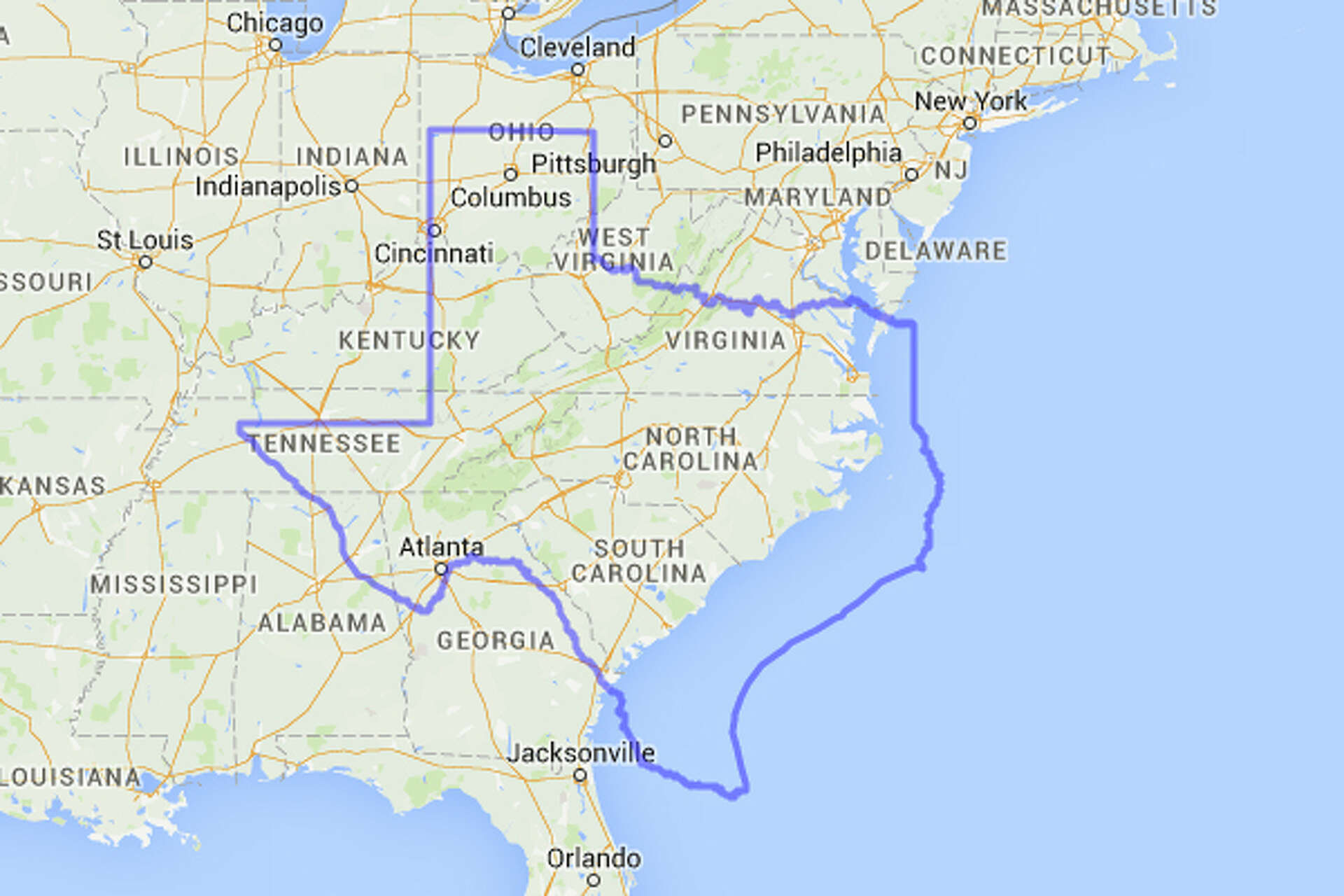
The geographical gap between Texas and North Carolina is substantial, spanning well over a thousand miles. The exact distance can vary slightly depending on your specific starting point in Texas and your destination in North Carolina. For instance, traveling from a major city like Houston to Charlotte will differ from a route originating in El Paso and ending in Raleigh. Generally, you’re looking at distances ranging from approximately 1,200 to 1,500 miles (about 1,930 to 2,415 kilometers) by road. This significant distance means planning your travel mode wisely is crucial.
Driving the Scenic Route
A road trip from Texas to North Carolina is an adventure in itself, typically taking between 18 to 24 hours of pure driving time. However, to truly enjoy the experience and avoid fatigue, most travelers break this journey into a two- or three-day affair. This allows for comfortable stops, overnight stays, and the chance to explore interesting locations along the way.
Popular Routes and Mid-Journey Stops:
- Southern Route (I-10 E / I-20 E / I-85 N): This is one of the most common paths, especially if starting from southern Texas cities like Houston or San Antonio. You’ll typically head east through Louisiana, Mississippi, Alabama, and Georgia before turning north into North Carolina.
- Overnight Stay Opportunities:
- New Orleans, Louisiana: A vibrant city known for its unique culture, music, and food. A perfect stop for a dose of history and entertainment.
- Jackson, Mississippi: Offers historical sites and a taste of the Deep South.
- Birmingham, Alabama: Rich in civil rights history and home to a burgeoning culinary scene.
- Atlanta, Georgia: A major metropolitan hub with plenty of attractions, from the World of Coca-Cola to the Georgia Aquarium.
- Overnight Stay Opportunities:
- Central Route (I-30 E / I-40 E): For those starting from northern Texas cities like Dallas or Fort Worth, this route takes you through Arkansas and Tennessee before dipping into North Carolina.
- Overnight Stay Opportunities:
- Little Rock, Arkansas: Home to the William J. Clinton Presidential Center and charming riverfront attractions.
- Memphis, Tennessee: The birthplace of rock ‘n’ roll and blues, offering Graceland and a lively music scene.
- Nashville, Tennessee: Music City, with its Grand Ole Opry and vibrant downtown.
- Overnight Stay Opportunities:
Road tripping offers flexibility and the chance to discover hidden gems. When planning your journey, consider booking accommodations in advance, especially during peak travel seasons, using platforms that offer detailed reviews and comparisons. For a comfortable stay, look for hotels with amenities like complimentary breakfast, pools, or family suites if traveling with children.
Taking to the Skies: Air Travel
For those prioritizing speed and convenience, flying is the most efficient way to bridge the distance. A direct flight between major airports in Texas (such as Dallas/Fort Worth International Airport (DFW) or George Bush Intercontinental Airport (IAH)) and North Carolina (like Charlotte Douglas International Airport (CLT) or Raleigh-Durham International Airport (RDU)) typically takes about 2.5 to 3.5 hours. However, accounting for travel to and from airports, security checks, boarding, and potential layovers, the total travel time can range from 5 to 8 hours or more.
While flying is quicker, it often means higher costs and less flexibility once you’ve set your itinerary. Budget travelers might find better deals by booking flights well in advance or opting for flights with a single layover, often in major hubs like Atlanta or Chicago. Many airlines offer competitive pricing, and comparing options through online booking sites is highly recommended.
Alternative Travel Considerations
While driving and flying are the primary modes, other options exist. Long-distance bus services offer an economical choice, though travel times are significantly longer, often exceeding 24-30 hours with multiple stops. Train travel via Amtrak is another possibility, providing a more relaxed journey with scenic views. However, direct routes between these two states are uncommon, typically requiring transfers and extending travel time to 24-40 hours, making it more of a leisure experience than a practical rapid transit option.
Discovering the Lone Star State: Texas Highlights
Before or after your journey, exploring the diverse attractions of Texas offers a wealth of experiences, catering to every type of traveler. From bustling metropolises to serene natural landscapes, Texas embodies a unique blend of cultures, history, and adventure.
Iconic Cities and Cultural Hubs
Texas is home to several sprawling cities, each with its distinct personality:
- Houston: A global city known for its energy industry, diverse culinary scene, and the famed Space Center Houston, a must-visit for space enthusiasts. The city also boasts world-class museums and a vibrant arts district.
- Dallas & Fort Worth: The Dallas-Fort Worth Metroplex offers a blend of sophistication and Western heritage. Dallas is a hub for business, fashion, and the arts, while Fort Worth embraces its cowboy roots with the historic Stockyards National Historic District and daily cattle drives.
- Austin: The state capital, famous for its “Keep Austin Weird” motto, live music scene (especially on 6th Street), and outdoor activities along Lady Bird Lake. It’s a magnet for tech innovators and creatives alike.
- San Antonio: Steeped in history, San Antonio is home to the legendary Alamo and the picturesque Riverwalk. Its Spanish colonial missions, now a UNESCO World Heritage site, offer a glimpse into the state’s rich past.
Natural Wonders and Outdoor Adventures
Beyond its urban centers, Texas surprises with incredible natural beauty:
- Big Bend National Park: Located in West Texas, this remote park offers stunning desert landscapes, mountains, and the opportunity to float the Rio Grande through dramatic canyons. It’s a paradise for hikers, campers, and stargazers.
- The Gulf Coast: From Galveston to Corpus Christi, the Texas Gulf Coast provides sandy beaches, birdwatching opportunities, and fresh seafood. Padre Island National Seashore is the longest undeveloped barrier island in the world, perfect for nature lovers.
- Hill Country: The rolling hills and spring-fed rivers of the Texas Hill Country offer charming small towns like Fredericksburg, vineyards, and abundant outdoor recreation, including swimming in Barton Springs Pool or exploring natural caves.
Where to Stay in Texas: Accommodation Options
Texas offers a vast array of accommodation choices to suit every budget and travel style. In major cities, you’ll find everything from luxury resorts and boutique hotels to extended-stay apartments and budget-friendly motels. For a taste of Texas hospitality, consider:
- Luxury Resorts: Upscale options like The Post Oak Hotel in Houston or The Ritz-Carlton, Dallas offer unparalleled amenities, including fine dining, spas, and concierge services, perfect for a lavish lifestyle experience.
- Boutique Hotels: In cities like Austin, boutique hotels such as The Driskill Hotel provide unique character, personalized service, and a deep connection to local culture.
- Family-Friendly Stays: Many hotel chains offer suites and resorts with amenities like water parks (e.g., Gaylord Texan Resort near Dallas) designed for family trips. Vacation rentals via platforms like Airbnb or Vrbo are also popular for longer stays or larger groups.
- Budget-Friendly Options: Throughout the state, various hotel brands provide comfortable and affordable rooms, ensuring budget travel is easily achievable without sacrificing quality. For those exploring national parks, campsites and rustic cabins offer an immersive nature experience.
Exploring the Tar Heel State: North Carolina’s Charms
Upon arrival in North Carolina, travelers are greeted by a landscape that transitions dramatically from majestic mountains to pristine coastal beaches. The state’s rich history, vibrant arts scene, and renowned hospitality make it a compelling destination.
Mountains to the Coast: Diverse Landscapes
North Carolina’s geography is a significant draw, offering a diverse playground for outdoor enthusiasts:
- Blue Ridge Mountains and Appalachian Mountains: The western part of the state is dominated by the ancient Appalachian Mountains, home to the stunning Blue Ridge Parkway and the Great Smoky Mountains National Park. Here, visitors can hike, bike, whitewater raft, or simply enjoy breathtaking scenic drives, especially during the fall foliage season.
- Piedmont Region: The central part of the state, a rolling plateau, is home to major cities and agricultural land. It offers a balance of urban attractions and accessible outdoor activities.
- The Outer Banks: This string of barrier islands along the Atlantic Ocean is famous for its wild horses, historic lighthouses (like Cape Hatteras Lighthouse), and the site of the Wright Brothers National Memorial in Kitty Hawk. It’s a prime destination for beach lovers, fishing, and watersports.
- Southern Coast: Further south, cities like Wilmington offer historic waterfronts, pristine beaches, and vibrant cultural scenes.
Historic Cities and Cultural Experiences
North Carolina is rich in history and culture, with cities that combine Southern charm with modern appeal:
- Charlotte: The state’s largest city and a major banking hub, Charlotte boasts a thriving downtown, professional sports teams (including the Carolina Panthers), and attractions like the NASCAR Hall of Fame and the Carowinds amusement park.
- Raleigh: The state capital, part of the Research Triangle Park (along with Durham and Chapel Hill), is known for its universities, museums, craft breweries, and burgeoning food scene.
- Asheville: Nestled in the Blue Ridge Mountains, Asheville is a haven for artists, craft brewers, and foodies. It’s home to the majestic Biltmore Estate, America’s largest privately owned home, and a gateway to countless mountain adventures.
- Winston-Salem and Greensboro: These cities offer a blend of history (e.g., Old Salem Museums & Gardens in Winston-Salem) and modern attractions.
North Carolina Accommodation Guide
From quaint mountain cabins to luxurious coastal resorts, North Carolina has diverse lodging options:
- Mountain Retreats: In areas like Asheville or near the Great Smoky Mountains National Park, travelers can find charming bed and breakfasts, rustic cabins, or elegant resorts like The Omni Grove Park Inn, offering stunning views and spa services.
- Coastal Escapes: The Outer Banks and southern coastal towns provide numerous rental homes, beachfront hotels, and family-friendly resorts. For longer stays, many visitors opt for weekly vacation home rentals to fully immerse themselves in the relaxed beach lifestyle.
- City Stays: Charlotte and Raleigh offer a full spectrum of hotels, from business-oriented high-rises to trendy downtown boutiques. Consider factors like proximity to attractions, amenities (gyms, pools), and dining options when booking your stay. Many establishments cater to business travelers with meeting facilities and convenient access to corporate centers.
Planning Your Cross-Country Adventure
Traveling from Texas to North Carolina, whether for leisure or necessity, requires thoughtful planning to ensure a smooth and enjoyable experience.
Best Time to Travel
The ideal time to make this journey largely depends on your destination and preferences:
- Spring (April-May) and Fall (September-October): These seasons offer the most pleasant weather for driving across the southern United States. Temperatures are mild, and the landscapes are often at their most beautiful – spring blooms in Texas and vibrant fall foliage in North Carolina’s mountains. This is also prime time for outdoor activities.
- Summer (June-August): While popular for family trips, summers can be extremely hot and humid, especially through the Southern states. Tropical storms and hurricanes are also a possibility on the Gulf Coast and Atlantic Ocean coasts.
- Winter (November-March): Offers cooler temperatures, which can be pleasant in southern Texas but may bring cold, and occasionally snowy, conditions to [North Carolina](https://lifeoutofthebox.com/north-carolina]’s mountains.
Budgeting and Logistics
- Transportation Costs: Factor in fuel costs for driving (which can be substantial over 1,500 miles), potential car rental fees, or airfare. For flying, consider baggage fees, airport transfers, and car rental at your destination.
- Accommodation: Research and book hotels or other accommodation types well in advance, especially if you have specific preferences (e.g., luxury resorts, family suites) or are traveling during peak season. Utilize comparison websites to find the best deals.
- Food and Activities: Allocate a budget for meals, snacks, and any attractions or activities you plan to enjoy. Exploring local cuisine is a significant part of the tourism experience in both states, from Texas BBQ and Tex-Mex to North Carolina’s seafood and distinct BBQ styles.
- Travel Insurance: For longer trips or those involving significant bookings, consider travel insurance for peace of mind against unforeseen cancellations or emergencies.
Essential Packing Tips
Regardless of your mode of transport, smart packing is key:
- Layered Clothing: Due to the varying climates across states and between mountain and coastal regions, layers are your friend.
- Comfortable Shoes: Essential for exploring cities, hiking trails, or walking airport terminals.
- Sun Protection: Sunscreen, hats, and sunglasses are vital, especially for outdoor activities in both sunny Texas and the North Carolina coast.
- Entertainment: Books, podcasts, or downloaded movies are a must for long stretches of driving or flying.
- Navigation: While smartphones are ubiquitous, having a physical map or a downloaded offline map can be a lifesaver in areas with poor signal.
- Snacks and Water: Especially for road trips, having a cooler with drinks and snacks can save money and time.

Conclusion: More Than Just Miles
The journey from Texas to North Carolina is more than just a matter of miles; it’s an opportunity to traverse diverse landscapes, immerse yourself in varied cultures, and create lasting memories. Whether you choose the efficiency of air travel or the freedom of a cross-country road trip, each option offers a unique perspective on the American experience. By carefully planning your route, considering accommodations, and embracing the spirit of adventure, your expedition between these two magnificent states will undoubtedly be an unforgettable chapter in your travel story. From the expansive plains of Texas to the verdant peaks and sandy shores of North Carolina, a world of discovery awaits.
LifeOutOfTheBox is a participant in the Amazon Services LLC Associates Program, an affiliate advertising program designed to provide a means for sites to earn advertising fees by advertising and linking to Amazon.com. Amazon, the Amazon logo, AmazonSupply, and the AmazonSupply logo are trademarks of Amazon.com, Inc. or its affiliates. As an Amazon Associate we earn affiliate commissions from qualifying purchases.