
Montana, often hailed as “Big Sky Country” for its expansive natural beauty and rugged landscapes, draws millions of visitors each year seeking adventure, tranquility, and unforgettable experiences. From the majestic peaks of Glacier National Park to the geothermal wonders of Yellowstone National Park, which spills over from Wyoming and Idaho into its southern reaches, Montana offers a diverse range of attractions. But as you plan your next adventure, consider a crucial question that can impact your travel budget and lifestyle choices: Does Montana have state tax?
The answer is nuanced, painting a unique fiscal picture that sets Montana apart from many other states. While the state is famous for not having a general sales tax, it does levy a state income tax. This distinction is vital for anyone considering a trip, a long-term stay, or even relocation to this stunning western gem. Understanding Montana’s tax landscape is essential for budgeting accommodation, planning activities, and making informed decisions about your financial footprint while exploring its vast wilderness and charming towns. This guide will delve into the specifics of Montana’s tax system, highlighting its implications for travelers, residents, and businesses alike, and how it shapes the overall lifestyle and tourism experience in this magnificent state.

Montana’s Distinctive Tax Landscape: What Visitors and Residents Need to Know
Montana’s approach to taxation is quite distinct, particularly when compared to its neighbors and other popular tourist destinations across the United States. This unique structure significantly influences everything from the price of souvenirs to the cost of living for those considering a permanent move. It’s a key factor in understanding the true economic landscape of Big Sky Country.
The Absence of a State Sales Tax: A Traveler’s Dream
Perhaps the most celebrated aspect of Montana’s tax system, especially for tourists and shoppers, is the complete absence of a statewide sales tax. This means that when you buy goods—whether it’s groceries, clothing, outdoor gear for your hiking trip in the Rocky Mountains, a piece of local art in Bozeman, or a new pair of skis in Whitefish—the price you see on the tag is generally the price you pay. This can lead to substantial savings, particularly for those planning significant purchases or an extended trip where daily expenditures add up.
For travelers, this translates into immediate savings on dining out, souvenirs, camping equipment, and even big-ticket items like cars or recreational vehicles if you’re making a major lifestyle change. The appeal of tax-free shopping is a significant draw, making Montana an attractive destination for shoppers, especially when compared to neighboring states like Idaho and Wyoming, which do have sales taxes. This benefit extends to all sectors, making local businesses more competitive and potentially reducing the overall cost of a vacation. Imagine stocking up for a week-long cabin stay near Flathead Lake without the added percentage at the checkout – it certainly helps stretch your travel budget further.
However, it’s crucial to note that while there’s no state sales tax, certain local jurisdictions, particularly designated resort areas, do impose a local sales tax on specific goods and services. We’ll delve into these exceptions shortly.
State Income Tax in Montana: A Key Consideration
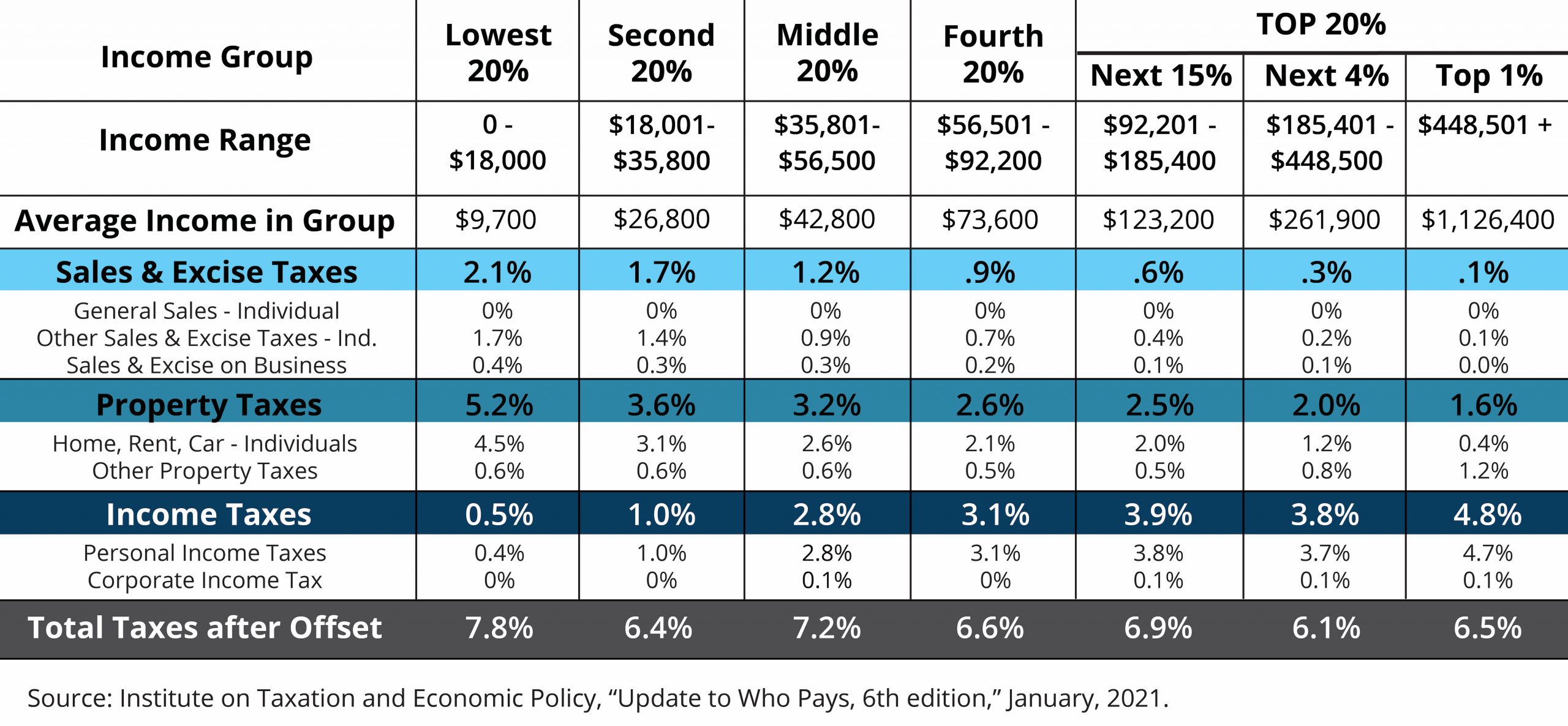
While the lack of sales tax is a boon, Montana does implement a progressive state income tax. This means that residents and those earning income within the state are subject to a tax on their earnings, with higher earners paying a larger percentage. The state’s income tax rates are structured into various brackets, typically ranging from a low single digit percentage for lower incomes up to a higher percentage for the highest earners. These rates are subject to change by legislative action, so it’s always advisable to consult the latest information from the Montana Department of Revenue for precise figures.
For visitors, the income tax generally doesn’t apply unless they are earning income within Montana from employment or business activities. However, for those considering a longer-term stay, remote work from Montana, or outright relocation, understanding the income tax implications is paramount. The interplay between having no sales tax and a progressive income tax means that the overall tax burden can vary significantly depending on an individual’s income level and spending habits. High-income earners with minimal spending on taxable goods might find Montana’s system less favorable than a state with no income tax but high sales tax, while lower-income individuals or those who spend heavily might benefit from the sales tax exemption. This creates a unique financial equation for residents and long-term guests.
Moreover, the state income tax directly funds many of the public services and infrastructure that both residents and tourists utilize, from road maintenance to public safety and education. This balance between generating revenue through income tax and foregoing sales tax revenue is a deliberate choice that shapes Montana’s economic and social fabric.
Beyond Income Tax: Specific Taxes Affecting Your Montana Experience
While the presence of income tax and the absence of a general sales tax define much of Montana’s fiscal character, there are other specific taxes that visitors and residents alike will encounter. These often target particular industries or services, playing a crucial role in funding local initiatives and state programs, particularly those related to tourism and infrastructure.
Property Taxes in Montana: Local Impact on Accommodation
Property taxes in Montana are levied at the local level by counties, cities, and special districts to fund essential services such as schools, fire departments, police, and local infrastructure. Unlike sales tax, property tax is a significant component of the state’s revenue system and directly impacts the cost of accommodation, whether you’re staying in a hotel, renting a vacation home, or considering purchasing property.
Property tax rates in Montana are calculated based on the assessed value of a property and the local mill levies. Property values have seen significant appreciation in popular areas like Bozeman, Missoula, Kalispell, and resort towns like Whitefish and Big Sky, reflecting increased demand for housing and vacation properties. This naturally influences the cost of hotels, resorts, and short-term rentals, as property taxes are a substantial operating expense for these businesses.
For travelers, this means that while you won’t pay sales tax on your hotel room, the underlying property tax structure contributes to the overall nightly rate. For those dreaming of a permanent move or investing in a vacation home, understanding the local property tax rates in your desired area – be it the Flathead Valley, Paradise Valley, or near Dillon – is crucial for budgeting and long-term financial planning. Property taxes can vary widely by county and municipality, so thorough research is recommended if you’re looking to establish roots in Big Sky Country.
Specific Taxes for Travelers and Tourists: Understanding the Exceptions
While Montana proudly boasts no general sales tax, there are a few exceptions and specific taxes that primarily affect visitors and the tourism industry. These taxes are often earmarked for specific purposes, such as promoting tourism, maintaining local infrastructure, or supporting conservation efforts.
-
Lodging Tax: Montana imposes a state lodging tax, currently set at 4%, on all overnight stays in hotels, motels, bed and breakfasts, vacation rentals, and campgrounds. This tax is explicitly added to your accommodation bill. The revenue generated from this lodging tax is primarily dedicated to funding tourism promotion, enhancing visitor services, and supporting cultural and historical initiatives across the state. This means that a portion of what you pay for your hotel room in Billings, a cabin in Livingston, or a resort suite at Big Sky Resort directly contributes to maintaining Montana’s appeal as a premier travel destination.
-
Rental Car Tax: If you plan to explore Montana’s vast distances by car, be aware of a rental car tax. This tax is applied to the rental of motor vehicles, contributing to state road funds and other transportation-related programs. While not a sales tax, it’s an additional charge you’ll see on your rental agreement, impacting the total cost of your self-guided tour through areas like the Lewis and Clark Trail or around Great Falls.
-
Resort Area Taxes: This is a critical distinction from the general “no sales tax” rule. Certain incorporated resort communities in Montana have the authority to levy a local sales tax on specific goods and services within their boundaries. These “resort taxes” typically apply to prepared food and beverages, lodging, and often recreational services and equipment rentals. Notable resort tax areas include:
- Whitefish: Home to Whitefish Mountain Resort, this charming town applies a resort tax to many tourist-related purchases.
- Big Sky: A premier ski destination and gateway to Yellowstone National Park, Big Sky has a resort tax that visitors will encounter.
- Red Lodge: Known for its scenic Beartooth Highway, Red Lodge also levies a resort tax.
- West Yellowstone: The busiest entrance to Yellowstone National Park is another resort tax area.
- Columbia Falls: A gateway community to Glacier National Park, which also implements this local tax.
These resort taxes are designed to help these communities manage the increased infrastructure demands and services required by a large influx of tourists. The rates can vary but are generally a single-digit percentage. When planning your trip, especially if staying or spending extensively in these popular areas, it’s wise to factor these local taxes into your budget to avoid surprises. While the statewide absence of sales tax is a major advantage, these specific local taxes ensure that tourist-heavy areas can sustain their appeal and provide high-quality experiences.
The Montana Lifestyle and Tax Benefits: A Traveler’s Perspective
Montana’s unique tax structure, particularly the absence of a general sales tax, significantly shapes the lifestyle for both residents and visitors. It impacts everything from daily expenditures to the economic viability of local businesses and the overall cost of enjoying the state’s natural wonders. Understanding these nuances can help travelers and potential long-term residents optimize their experience and budget in Big Sky Country.
Budgeting Your Montana Adventure: Sales Tax Savings and Resort Area Costs
For many travelers, the allure of Montana is its rugged beauty and the promise of adventure without breaking the bank on everyday purchases. The lack of a general sales tax is a tangible benefit that can lead to considerable savings, especially on longer trips. When planning your budget for a Montana vacation, consider the following advantages:
- Dining and Groceries: Every meal out, every coffee from a local cafe in Helena, and every grocery run for a picnic in Glacier National Park is effectively cheaper than in states with sales tax. This means more money available for experiences, tours, or an extra night at a charming lodge.
- Outdoor Gear and Apparel: If you’re coming to Montana for skiing, fishing, hiking, or hunting, you’ll likely be purchasing gear. From skis at Whitefish Mountain Resort to fishing rods for the Missouri River, the lack of sales tax can lead to significant savings on these often-expensive items. This can free up funds for lessons, guided tours, or more elaborate equipment.
- Souvenirs and Local Crafts: Exploring towns like Butte, Livingston, or Bozeman means discovering unique local crafts, art, and souvenirs. Without sales tax, these mementos become more affordable, allowing you to bring home more pieces of Montana without the added cost.
However, as mentioned, the presence of resort taxes in specific tourist hubs like Big Sky or West Yellowstone requires careful budgeting. These localized taxes mean that while you save on general purchases, some activities, dining, and lodging in these specific areas will incur an additional percentage. Travelers should factor this in when choosing their primary destinations and planning their spending within these zones. For instance, a luxury stay at a Big Sky Resort will still have the state lodging tax plus the local resort tax, adding to the final bill.
Investment and Relocation: Tax Considerations for Long-Term Stays
For individuals or families contemplating a longer stay in Montana, or even full relocation, the state’s tax structure presents a unique set of advantages and disadvantages. The appeal of no sales tax is significant for everyday living expenses, potentially reducing the overall cost of goods and services compared to states with high sales taxes. This can make Montana an attractive option for retirees or those on fixed incomes who are mindful of their purchasing power.
However, the progressive state income tax is a major factor for those earning an income. High-income earners might find their overall tax burden higher than in states with no income tax. Conversely, individuals with moderate incomes who spend significantly on goods and services could find Montana’s system more favorable than a state with a high sales tax, even if it has no income tax. This balance encourages a diverse economic landscape, attracting different demographics to the state.
The real estate market, influenced by property taxes, also plays a crucial role. While property values have surged in popular areas, a long-term investment in a vacation home or primary residence requires a thorough understanding of local property tax rates. These rates, combined with the state income tax, contribute to the total cost of living and can heavily influence decisions related to accommodation and lifestyle in various parts of the state, from the vibrant university town of Missoula to the serene landscapes of the National Bison Range.
The state’s tax structure also impacts local businesses and the broader economy. The absence of sales tax can stimulate consumer spending, benefiting retailers, restaurants, and service providers. This, in turn, can foster a robust local economy, supporting the vibrant communities and unique experiences that draw tourists. For entrepreneurs looking to establish a business that relies heavily on consumer purchases, Montana’s tax environment offers a distinct competitive advantage.
Navigating Montana’s Tax System: Practical Advice for Visitors
Understanding Montana’s tax nuances is key to a smooth and budget-friendly trip. While the “no sales tax” headline is appealing, a few practical tips will ensure you navigate the state’s unique fiscal landscape without any surprises.

Essential Tips for a Seamless Montana Trip
To fully enjoy Big Sky Country without unexpected financial hiccups, keep these practical tips in mind:
- Always Check Final Accommodation Prices: When booking hotels, resorts, apartments, or any other form of accommodation, remember that the 4% state lodging tax will be added to the base rate. In resort areas like Big Sky or Whitefish, there might also be an additional local resort tax on top of this. Always confirm the final price including all taxes and fees before completing your booking to get an accurate picture of your expense. Websites and booking platforms usually display these details, but a quick double-check can prevent surprises.
- Be Aware of Resort Taxes: Before you splurge on dining, entertainment, or shopping in popular tourist towns, especially Whitefish, Big Sky, Red Lodge, West Yellowstone, or Columbia Falls, verify if they are resort tax areas. Local businesses are required to post notices about these taxes, and they will appear on your receipts for applicable goods and services. This awareness allows you to budget accordingly for these specific purchases.
- Leverage Sales Tax Savings: For general purchases outside resort tax areas, enjoy the savings! This is particularly beneficial for stocking up on groceries for a self-catering stay, buying gas for scenic drives through the Gates of the Mountains Wilderness, or purchasing souvenirs from local shops in non-resort towns like Helena or Bozeman (except for the lodging/rental car taxes applicable statewide). Consider buying any major outdoor gear you might need for activities like exploring the Museum of the Rockies or hiking in Yellowstone Country while in Montana to capitalize on the tax-free advantage.
- Understand Rental Car Costs: If you’re renting a car, anticipate the state rental car tax. While not a sales tax, it’s an additional percentage on your rental cost. Factor this into your transportation budget, especially if you plan an extensive road trip across the state’s vast scenic byways, from the Capital Building in Helena to the wilderness near Glacier National Park.
- Consult Official Sources: For the most current and detailed information on Montana’s tax laws, especially if you are considering a longer stay or business activities, refer directly to the Montana Department of Revenue website. Tax codes can change, and official sources provide the most accurate and up-to-date guidance.
By being mindful of these specific tax considerations, visitors can confidently plan their Montana adventures, ensuring their budget aligns with the incredible experiences that await in Big Sky Country. The balance of no general sales tax with targeted lodging and resort taxes creates a distinctive environment that, once understood, is easy to navigate and appreciate for its unique benefits.
In conclusion, Montana presents a fascinating case study in state taxation, offering a compelling blend of tax advantages and obligations. While the state indeed has an income tax, it famously abstains from a general sales tax, making it a unique destination for both travelers and those seeking a new lifestyle. The savings on everyday purchases, coupled with the state’s breathtaking natural attractions and vibrant communities, make Montana an appealing choice. However, being aware of specific taxes like lodging tax, rental car tax, and localized resort taxes is crucial for accurate budgeting and a seamless experience. Whether you’re planning a short visit to explore iconic landmarks or considering a long-term stay amidst its majestic landscapes, understanding Montana’s tax structure empowers you to make informed decisions and fully embrace the unparalleled beauty and adventurous spirit of Big Sky Country.
LifeOutOfTheBox is a participant in the Amazon Services LLC Associates Program, an affiliate advertising program designed to provide a means for sites to earn advertising fees by advertising and linking to Amazon.com. Amazon, the Amazon logo, AmazonSupply, and the AmazonSupply logo are trademarks of Amazon.com, Inc. or its affiliates. As an Amazon Associate we earn affiliate commissions from qualifying purchases.