
Obtaining a Texas driver’s license is an essential step for residents and new arrivals alike, unlocking unparalleled freedom to explore the vast landscapes, vibrant cities, and diverse attractions of the Lone Star State. Whether you’re planning a road trip through the picturesque Texas Hill Country, commuting to work in bustling Dallas or Houston, or simply enjoying the convenience of personal transportation, a valid driver’s license is your ticket to mobility. This comprehensive guide will walk you through every step of the application process, ensuring a smooth journey from preparation to proudly holding your Texas driver’s license. From understanding the core requirements to navigating the various tests, we’ll cover everything you need to know to make your application experience as efficient as possible.
The Texas Department of Public Safety (DPS) is the governing authority responsible for issuing driver’s licenses in Texas. Their regulations are designed to ensure that all licensed drivers possess the necessary knowledge and skills to operate a vehicle safely on public roads. For many, a driver’s license isn’t just about driving; it’s a primary form of identification, crucial for everything from booking accommodations during your travels to verifying your identity at a local attraction. As you embark on this journey, remember that thorough preparation is key to success, saving you time and potential frustration.
Understanding Texas Driver’s License Requirements
Before you even consider scheduling an appointment, it’s crucial to understand the foundational eligibility criteria set forth by the Texas DPS. These requirements are in place to confirm your identity, residency, and legal status, ensuring that only qualified individuals are granted driving privileges. Familiarizing yourself with these prerequisites will streamline your application process significantly.
Who Is Eligible to Apply?
Generally, anyone who is a resident of Texas and meets certain age and legal status criteria can apply for a driver’s license.
- Age Requirements:
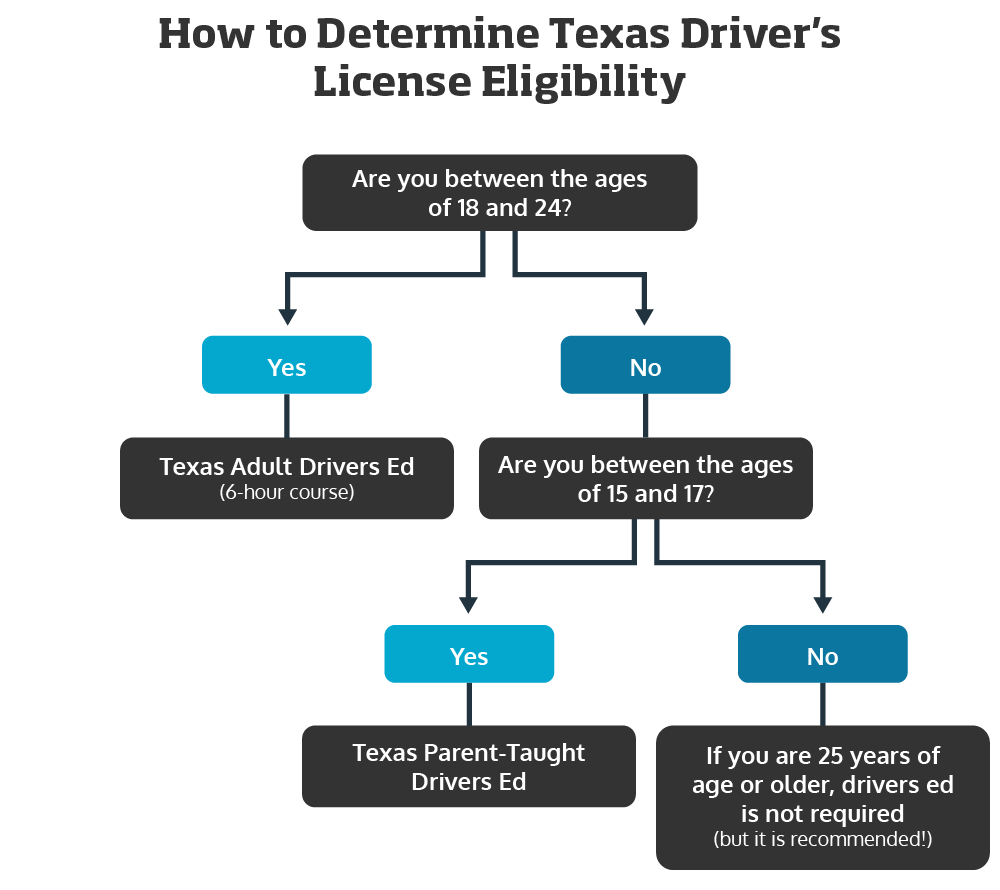
- 18 years or older: Individuals 18 and older are considered adults and can apply directly for a standard (Class C) driver’s license.
- 16-17 years old: Minors in this age group must complete an approved driver education course and hold a valid learner’s permit for a specific period (typically six months) before applying for a provisional license. Parental consent is also required.
- 15 years old: Can apply for a learner’s permit if enrolled in or have completed the classroom portion of a driver education course.
- Residency: You must prove that Texas is your home state. This means providing documents that show you live in Texas and intend to reside there permanently. This is particularly relevant for those who have recently relocated, perhaps for work in cities like Austin or to enjoy the lifestyle offered by smaller towns.
- Legal Presence in the United States: All applicants must demonstrate legal presence in the United States. This could be through citizenship, permanent residency, or a valid visa that permits residency in the country. The Texas DPS follows federal guidelines, including the REAL ID Act, which imposes strict documentation standards for state-issued identification cards and driver’s licenses.
Essential Documents You’ll Need
Gathering the correct documents before your DPS visit is perhaps the most critical step. Missing even one piece of identification can lead to delays and multiple trips. The DPS requires several forms of identification to confirm who you are, where you live, and your legal status.
- Proof of Identity: You’ll need at least one primary identification document. This could be an unexpired United States passport, a Texas ID card, or an out-of-state driver’s license. Secondary documents, such as a certified birth certificate or a Social Security Administration card, can also be used in combination. The DPS website provides a comprehensive list of acceptable documents, categorized by primary, secondary, and supporting.
- Proof of United States Citizenship or Lawful Presence: For United States citizens, a United States birth certificate or passport typically suffices. Non-citizens will need documents proving their lawful presence, such as a permanent resident card, employment authorization document, or an approved visa with supporting I-94 form. The validity period of your license will often be tied to the expiration date of your lawful presence document.
- Proof of Social Security Number (SSN): Your original Social Security card or a document showing your full SSN (e.g., W-2 form, SSA-1099) is required. If you are not eligible for an SSN, you’ll need to sign an affidavit affirming this at the DPS office.
- Proof of Texas Residency: You must provide two documents verifying your residential address in Texas. These can include a current utility bill (electricity, water, gas), a lease agreement, a mortgage statement, or a voter registration card. Both documents must show your name and current Texas address. This is critical for new residents, perhaps those moving from states like Mexico or Canada for new opportunities, to establish their new home base.
- Proof of Vehicle Registration and Insurance (if applicable): If you plan to take your driving test in your own vehicle, you must provide proof of current vehicle registration and liability insurance for that vehicle. The vehicle must also pass a safety inspection.
It is highly recommended to visit the official Texas DPS website and use their “Required Documents” checklist tool. This personalized checklist will help ensure you have every necessary item for your specific situation, preventing frustrating delays. Organizing these documents in a folder or binder before your appointment will also contribute to a smoother process.
Navigating the Application Process
Once you’ve confirmed your eligibility and meticulously gathered all necessary documentation, the next phase involves the application itself, which includes a series of tests and an in-person visit to a DPS office. This part of the journey requires attention to detail and a commitment to safety and compliance with traffic laws.
Step-by-Step Guide for New Applicants
The application process for a new Class C (standard non-commercial) driver’s license typically involves several key steps:
- Complete the Driver License Application Form: This form can often be filled out online and printed, or you can complete it at the DPS office. Filling it out beforehand can save time during your visit.
- Schedule an Appointment: Due to high demand, walk-ins are often discouraged, and appointments are strongly recommended, if not required, at most DPS locations. We’ll delve deeper into scheduling in the next section.
- Visit a DPS Office: On the day of your appointment, arrive early with all your required documents. You will:
- Present your documents for verification.
- Pay the application fee.
- Have your photograph taken.
- Provide your thumbprints.
- Take a vision test to ensure your eyesight meets the minimum requirements for driving. If you wear corrective lenses, bring them.
- Pass the Knowledge Test: This is a written or computerized test covering Texas traffic laws and road signs. You can study for this test using the official Texas Driver Handbook, available on the DPS website. Many online practice tests are also available to help you prepare. This test is crucial for ensuring you understand the rules of the road, whether you’re navigating the busy streets of San Antonio or a quiet rural highway.
- Pass the Driving Test (Road Test): After passing the knowledge test, you’ll take a practical driving test. You must provide a vehicle that is properly registered and insured. An examiner will assess your ability to operate a vehicle safely and legally, including maneuvers like parallel parking, turning, stopping, and obeying traffic signals.
- Receive Your Temporary License: Upon successfully passing all tests, you will be issued a temporary driver’s license. Your permanent driver’s license will then be mailed to your residential address, typically within two to three weeks.
For those pursuing specialized licenses, such as a Commercial Driver’s License (CDL) or a Motorcycle License, additional tests and requirements, including medical certifications, will apply. These licenses cater to different lifestyles and career paths, from long-haul trucking across Texas to enjoying scenic routes on two wheels.
Scheduling Your Appointment and Tests
Efficiently scheduling your visit to the DPS is vital to minimize wait times and ensure a smooth process.
- Online Appointment System: The Texas DPS offers an online appointment system that allows you to book specific services at a chosen location and time. This is highly recommended as it prioritizes your visit and significantly reduces potential waiting periods.
- Choosing a Location: Consider which DPS office is most convenient for you. Larger cities like Houston or Austin may have multiple locations, so check availability at each. Sometimes, offices in smaller towns might have shorter wait times for appointments.
- Scheduling Driving Test: The driving test portion may require a separate appointment, or it might be scheduled concurrently with your initial application visit, depending on the DPS office’s procedures. It’s crucial to confirm this when booking your main appointment. Many third-party driving schools are also authorized to administer the driving test, which can sometimes offer more flexibility in scheduling, although there is usually an additional fee.
Proactive scheduling is a hallmark of efficient travel planning and applies equally to governmental processes. By booking your appointment in advance, you treat your driver’s license application with the same foresight you would use to book a hotel stay or a flight, ensuring a stress-free experience.
Special Considerations and Tips
While the general application process is straightforward, certain situations come with unique requirements or offer opportunities for a smoother experience. Understanding these nuances can make a significant difference, especially for new residents or young drivers.
For New Texas Residents
If you’ve recently moved to Texas from another state or country, you have a limited time to obtain a Texas driver’s license. Generally, new residents have 90 days after moving to the state to obtain their Texas driver’s license.
- Out-of-State License Holders: If you hold a valid, unexpired driver’s license from another United States state or territory, you may be exempt from the driving test. However, you will still need to pass the knowledge (written) test, vision test, and present all required identity, residency, and SSN documents. This is a common scenario for professionals relocating for jobs or families seeking a new lifestyle.
- International Drivers: If you hold a driver’s license from a foreign country, you generally must go through the full application process, including both the knowledge and driving tests. Some countries have reciprocal agreements, but for most, a full application is required. It’s vital to check with the DPS for specific requirements based on your country of origin. This might be a concern for international students arriving in Austin or professionals in Houston.
Young Drivers and Learners Permits
The path to a driver’s license for those under 18 is structured to ensure they gain sufficient experience and knowledge under supervision.
- Impact Texas Teen Drivers (ITTD) Program: This program requires all teens (ages 15-17) to complete a free two-hour informational course about the dangers of distracted driving before taking their driving test. A certificate of completion is issued, which is valid for 90 days.
- Driver Education: All applicants under 18 must complete an approved driver education course. This typically involves both classroom instruction and behind-the-wheel training.
- Learner’s Permit Phase: A learner’s permit allows a young driver to practice driving only when accompanied by a licensed adult (21 years or older) in the front passenger seat. This permit must be held for at least six months before applying for a provisional license.
- Provisional License: After meeting the learner’s permit requirements, passing all tests, and being at least 16 years old, a provisional license is issued. This license comes with certain restrictions, such as limits on the number of non-family passengers under 21 and curfews. These stages are vital for instilling responsible driving habits early, contributing to safer roads for everyone, whether they’re exploring Big Bend National Park or navigating urban centers.
Preparing for Your Driving Test
The driving test is often the most nerve-wracking part of the application. Proper preparation can significantly boost your confidence and chances of success.
- Study the Driver Handbook: Reiterate your knowledge of traffic laws, road signs, and safe driving practices. This is your primary study guide.
- Practice Driving: Gain ample practice in various driving conditions and scenarios. Focus on fundamental skills such as parallel parking, three-point turns, lane changes, and safe following distances. Practice in the area around the DPS office where you’ll be taking your test, if possible, to familiarize yourself with specific intersections or road features.
- Vehicle Readiness: Ensure the vehicle you use for your test is in good working condition, with functioning lights, turn signals, horn, and brakes. It must also have current registration and insurance. The examiner will perform a quick inspection before the test begins.
- Be Calm and Confident: On the day of the test, get adequate rest, arrive early, and try to remain calm. Listen carefully to the examiner’s instructions and demonstrate safe, predictable driving.
Common Pitfalls and How to Avoid Them
- Incomplete Documentation: The number one reason for delays. Use the DPS checklist and double-check everything. Consider bringing more documents than required as backups.
- Not Scheduling an Appointment: Showing up without an appointment often leads to excessively long waits or being turned away, especially at busy locations.
- Unprepared for Tests: Underestimating the knowledge or driving test. Study diligently and practice thoroughly.
- Expired or Invalid Vehicle Documents: Ensure your vehicle’s registration and insurance are current. An expired inspection sticker can also disqualify your vehicle for the test.
The Lifelong Journey: Renewals and Replacements
Once you successfully obtain your Texas driver’s license, your journey doesn’t end there. Licenses have expiration dates, and sometimes, unfortunate events like loss or theft occur. Understanding how to renew or replace your license is part of being a responsible driver and ensures uninterrupted access to driving privileges, which are essential for travel, work, and daily life.
Keeping Your License Current
A standard Texas Class C driver’s license is typically valid for eight years for individuals 18-84 years of age. For those 85 and older, it’s valid for two years.
- Renewal Notifications: The DPS usually sends a renewal notice by mail or email several weeks before your license expires. However, it is ultimately your responsibility to renew your license on time.
- Renewal Options:
- Online: Many drivers are eligible to renew their license online through the Texas DPS website. This is the most convenient option and typically available if you are a United States citizen or have lawful permanent resident status, your license is not expired for more than two years, and you haven’t renewed online in your last cycle.
- By Mail: If you meet specific criteria, you might be eligible to renew by mail.
- In-Person: If you are not eligible for online or mail renewal, or if you prefer to visit a DPS office, you can renew in person. This is often required for identity verification updates (e.g., photograph), vision test requirements, or for non-United States citizens whose lawful presence documents need re-verification. You will need to bring updated proof of residency and perhaps other identity documents, just as you did during your initial application.
- Fees: A renewal fee is required, which varies based on the type of license and your age.

Replacing a Lost or Stolen License
Losing your driver’s license, especially when far from home, can be a stressful experience, impacting everything from checking into a hotel to confirming your identity for travel.
- Online or Mail Replacement: In many cases, you can apply for a duplicate license online or by mail if your information hasn’t changed. This is the quickest way to get a replacement.
- In-Person Replacement: If you are not eligible for online or mail replacement, or if you prefer, you can apply in person at any DPS office. You will need to provide proof of identity and pay a duplicate license fee.
- Reporting Theft: If your license was stolen, it’s advisable to report the theft to local law enforcement. While not always required by the DPS, it can help protect you against identity theft.
Having a valid Texas driver’s license is more than just a legal requirement for driving; it’s a gateway to experiencing all that Texas has to offer, from exploring natural wonders like Guadalupe Mountains National Park and Padre Island National Seashore to navigating the cultural vibrancy of its major cities. It facilitates independence, simplifies travel, and serves as a fundamental piece of identification in a multitude of life’s scenarios. By following this guide and approaching the application process with diligence, you’ll soon be ready to hit the open roads of Texas with confidence and ease.
LifeOutOfTheBox is a participant in the Amazon Services LLC Associates Program, an affiliate advertising program designed to provide a means for sites to earn advertising fees by advertising and linking to Amazon.com. Amazon, the Amazon logo, AmazonSupply, and the AmazonSupply logo are trademarks of Amazon.com, Inc. or its affiliates. As an Amazon Associate we earn affiliate commissions from qualifying purchases.