
Nestled at the eastern foot of the majestic Rocky Mountains, Colorado Springs, Colorado, offers a unique travel experience characterized by its stunning natural beauty and, notably, its significant elevation. Understanding the altitude of this vibrant city is paramount for any traveler, influencing everything from the physical demands of exploring its myriad attractions to the essential planning of accommodation and activities. This comprehensive guide delves into the specifics of Colorado Springs’ altitude, its implications for visitors, and how to best prepare for a memorable and comfortable high-altitude adventure.
The Exact Altitude: A Gateway to High-Altitude Adventures
At the heart of the “Centennial State,” Colorado Springs stands proudly, serving as a gateway to some of North America’s most breathtaking landscapes. Its elevation is a defining characteristic, shaping its climate, its ecology, and the experiences it offers to both residents and tourists alike.
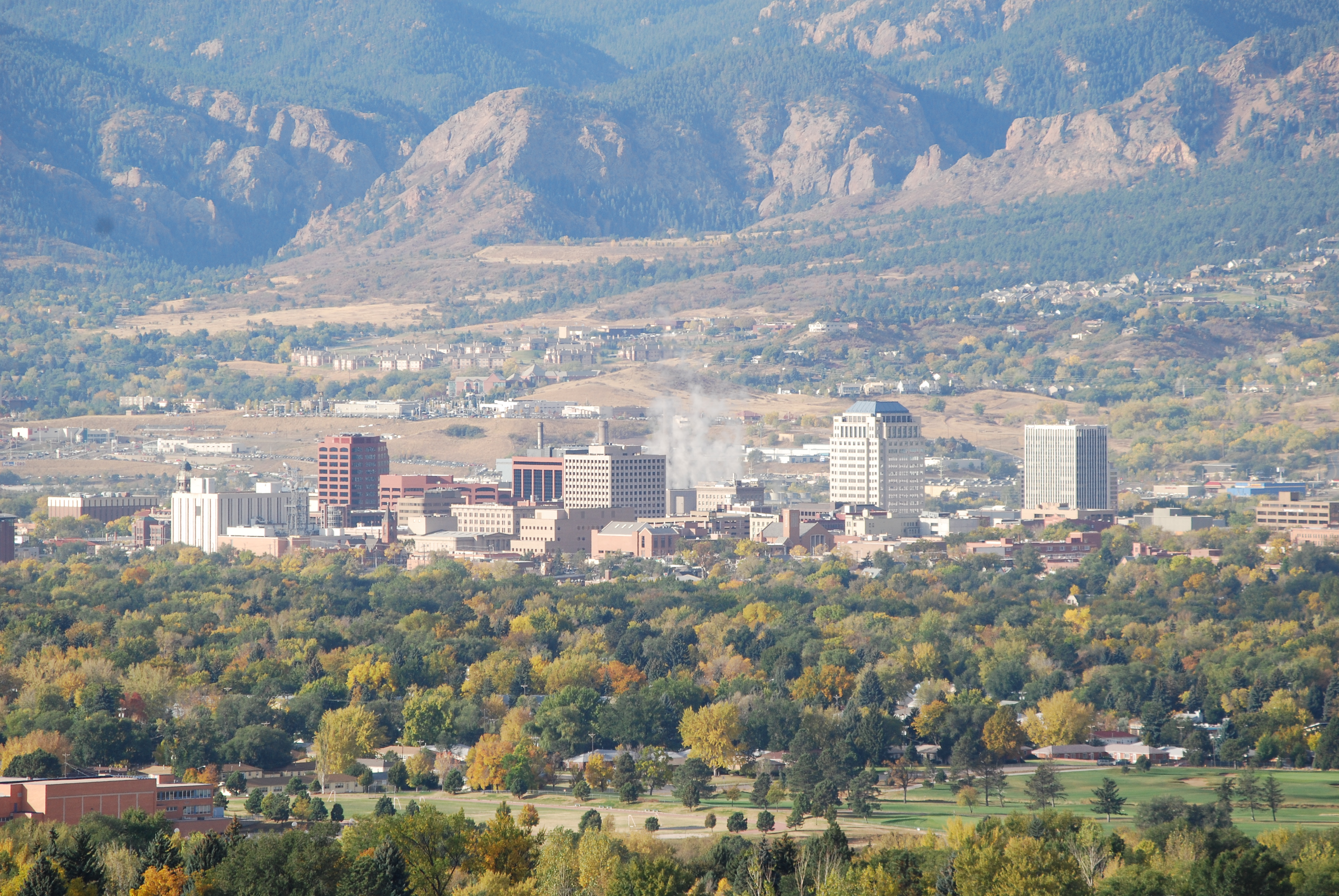
Understanding the Numbers: What 6,035 Feet Means
The official elevation of Colorado Springs is approximately 6,035 feet (1,839 meters) above sea level. This places it firmly in the category of high-altitude cities, distinguishing it from many other popular destinations in the United States. To put this into perspective, many people begin to feel the effects of altitude sickness at elevations starting around 5,000 to 8,000 feet (1,500 to 2,500 meters). This means that visitors arriving from sea-level environments should be particularly mindful of this elevation from the moment they step off the plane.
The city’s position on the Front Range of the Rocky Mountains means that while the core of Colorado Springs maintains this general elevation, specific areas within and immediately surrounding it can vary. For instance, landmarks like the Garden of the Gods sit at a similar elevation, while nearby Pikes Peak dramatically soars to 14,115 feet (4,302 meters), representing an even greater challenge for acclimatization. This varied topography adds to the region’s allure but also necessitates careful planning for those venturing higher. The air at 6,035 feet contains approximately 20% less oxygen than at sea level, which, though seemingly minor, can significantly impact physical exertion and overall well-being for unacclimatized individuals.
How Colorado Springs Compares Globally
When looking at other high-altitude cities and destinations, Colorado Springs’ elevation provides an interesting point of comparison. It’s higher than cities like Denver (approximately 5,280 feet or 1,609 meters) and Santa Fe, New Mexico (approximately 7,199 feet or 2,194 meters), but significantly lower than extreme high-altitude locales such as La Paz, Bolivia (around 11,975 feet or 3,650 meters), or Mexico City (about 7,350 feet or 2,240 meters).
Within Colorado itself, Colorado Springs serves as a relatively moderate high-altitude destination, often used as a stepping stone for those planning to explore even higher elevations, such as the famous ski resorts of Breckenridge (9,600 feet), Vail (8,150 feet), or Aspen (8,000 feet). This makes it an ideal place to begin the acclimatization process, allowing visitors to enjoy high-altitude activities without immediately facing the more severe challenges presented by significantly higher elevations. The elevation of Colorado Springs itself is also considerably higher than other major United States cities, which often sit at or near sea level, underscoring the unique geographic position and the specific travel considerations it entails.
Acclimatization: Essential Tips for Visitors
Visiting Colorado Springs is an exhilarating experience, but its elevation demands respect and preparation. For many, particularly those traveling from lower altitudes, the primary challenge will be acclimatization – allowing your body to adjust to the reduced oxygen levels. This process is crucial for preventing altitude sickness and ensuring your trip is filled with enjoyable moments rather than discomfort. Integrating these tips into your travel plan is a core aspect of responsible tourism and ensures a seamless experience.
Recognizing and Preventing Altitude Sickness
Altitude sickness, or Acute Mountain Sickness (AMS), can manifest in various ways, from mild headaches and fatigue to more severe symptoms like nausea, dizziness, shortness of breath, and difficulty sleeping. While most cases in Colorado Springs are mild, it’s vital to recognize the signs and act accordingly. The key to prevention lies in gradual ascent and allowing your body time to adapt.
Upon arrival, avoid strenuous activities for the first 24-48 hours. This might mean postponing that challenging hike up the Manitou Incline or a long sightseeing tour. Listen to your body; if you start feeling symptoms, rest, hydrate, and consider descending to a lower altitude if possible. For travelers planning an extended stay or those with pre-existing health conditions, consulting a doctor before traveling to high altitudes is always advisable. Many luxury resorts and hotels in the area, such as The Broadmoor, are well-versed in advising guests on altitude adjustment, and some may even offer amenities like oxygen supplementation or specialized services to aid in acclimatization, enhancing your overall accommodation experience.
Practical Steps for a Smooth Transition
A successful high-altitude trip to Colorado Springs hinges on a few simple yet effective strategies:
- Hydrate, Hydrate, Hydrate: The dry air at high altitudes, combined with increased respiration rates, can lead to rapid dehydration. Drink plenty of water before and during your trip. Avoid excessive alcohol consumption and caffeine, as these can exacerbate dehydration. Consider carrying a reusable water bottle and refilling it often, a sustainable practice encouraged by local tourism initiatives.
- Take it Easy: Upon arrival, plan lighter activities. Explore the city’s charming downtown, visit a museum like the Olympic & Paralympic Museum, or enjoy a leisurely meal. Gradually increase your activity level over several days. This slower pace allows your body to produce more red blood cells and make other physiological adjustments necessary for coping with lower oxygen levels.
- Eat Light and Smart: Opt for easily digestible meals and avoid heavy, fatty foods. Carbohydrates are often recommended as they require less oxygen for metabolism. Local restaurants in Colorado Springs offer a range of healthy and delicious options, reflecting the city’s vibrant culinary culture.
- Get Adequate Rest: Sleep is crucial for recovery and acclimatization. Ensure your chosen accommodation provides a comfortable and quiet environment. Researching hotel reviews and amenities can help you find the perfect retreat, whether it’s a cozy boutique hotel or a resort with wellness facilities.
- Sun Protection: At higher altitudes, the air is thinner, and the UV radiation is stronger. Wear sunscreen, hats, and sunglasses, even on cloudy days, to protect yourself from the intense sun.
- Consider Gradual Ascent: If driving from a lower elevation, consider breaking up your journey with an overnight stay at a mid-altitude point if possible. This isn’t always feasible for flights, but the advice to “take it easy” upon arrival remains paramount.
By following these guidelines, travelers can significantly mitigate the risks of altitude sickness and fully immerse themselves in the rich experiences that Colorado Springs has to offer. This proactive approach to health is a hallmark of intelligent lifestyle choices for any adventure traveler.
Exploring the Pikes Peak Region: High-Altitude Attractions and Experiences
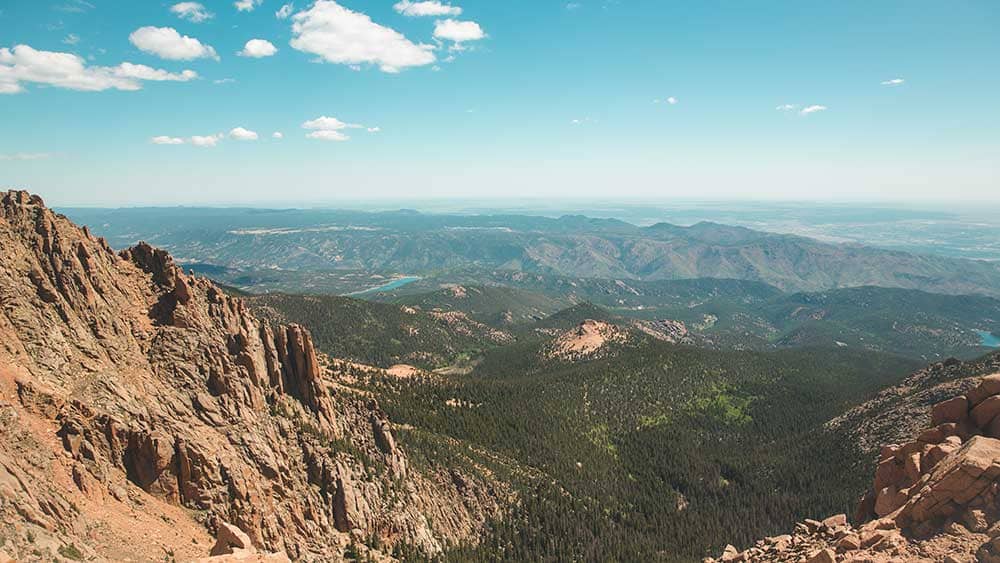
The altitude of Colorado Springs is not merely a number to contend with; it is an integral part of its allure, offering access to unparalleled natural beauty and exhilarating activities. The region surrounding Colorado Springs, particularly the iconic Pikes Peak – “America’s Mountain” – is replete with attractions that harness the dramatic landscape forged by its elevation.
Iconic Landmarks and Natural Wonders
The area boasts numerous landmarks, each offering unique perspectives on the high-altitude environment:
- Pikes Peak: Rising to an impressive 14,115 feet (4,302 meters), Pikes Peak is the crown jewel of the region. Visitors can reach its summit via the scenic Pikes Peak Highway, the historic Cog Railway, or, for the more adventurous, by hiking the challenging Barr Trail. At the summit, the recently rebuilt Summit House offers stunning panoramic views and the famous high-altitude donuts. This extreme elevation requires extra caution and preparedness, even after acclimatizing in Colorado Springs.
- Garden of the Gods: This National Natural Landmark features dramatic towering red rock formations against the backdrop of Pikes Peak and the clear blue sky. With an average elevation of 6,000 feet, it’s easily accessible from Colorado Springs and offers excellent hiking, rock climbing, and photography opportunities. Its trails are relatively gentle, making it a perfect spot for early acclimatization walks.
- Manitou Springs: Just west of Colorado Springs, this historic town sits at approximately 6,320 feet (1,926 meters). Famous for its natural mineral springs, vibrant arts scene, and unique shops, it’s a delightful stop for those exploring the area.
- Cheyenne Mountain Zoo: Perched on the side of Cheyenne Mountain at 6,800 feet (2,073 meters), it is the highest elevation zoo in North America. Its terraced layout offers incredible views of the city below and the Great Plains stretching eastward, while visitors enjoy close encounters with wildlife.
- Seven Falls: A series of seven cascading waterfalls located in a magnificent box canyon, often referred to as “The Grandest Mile of Scenery in Colorado.” Situated at the base of Cheyenne Mountain near The Broadmoor Seven Falls, visitors can climb 224 steps to the top or take an elevator carved into the mountain for incredible views.
- Cave of the Winds Mountain Park: Located just outside Manitou Springs, this park offers fascinating cave tours and thrilling outdoor attractions like the Terror-Dactyl ride, which plunges riders into Williams Canyon at high speeds.
These landmarks, combined with the extensive trail network within the Pike National Forest, provide endless opportunities for outdoor enthusiasts. From tranquil nature walks to challenging alpine ascents, the high-altitude setting is the stage for unforgettable travel experiences.
Adventure and Outdoor Activities
Beyond sightseeing, Colorado Springs is a hub for high-octane adventure, making it a prime destination for various lifestyles, from family trips to thrill-seeking individual travel.
- Hiking and Biking: The region offers trails for all skill levels, from paved paths in the Garden of the Gods and Palmer Park to the challenging ascent of Pikes Peak. The Red Rock Canyon Open Space provides a network of multi-use trails perfect for mountain biking.
- Rock Climbing: Garden of the Gods is a world-renowned destination for rock climbing, offering guided experiences for beginners and challenging routes for seasoned climbers.
- White Water Rafting: A short drive from Colorado Springs, the Arkansas River near Cañon City offers exhilarating white water rafting experiences through the Royal Gorge. The Royal Gorge Bridge & Park itself provides a spectacular view of the canyon and river below.
- Winter Sports: While not a ski resort town itself, Colorado Springs serves as an excellent base for day trips to nearby ski areas during the winter months, offering a mix of high-altitude adventure and comfortable accommodation.
Engaging in these activities while minding your acclimatization is crucial. Always carry extra water, wear layers of clothing, and be aware of changing weather conditions typical of mountain environments. Local guides and tour operators specializing in high-altitude excursions can enhance your experience and ensure your safety.
Planning Your High-Altitude Stay: Accommodation and Lifestyle
Planning a trip to Colorado Springs involves more than just picking attractions; it means choosing accommodation and lifestyle choices that complement its unique high-altitude setting. From luxurious resorts to budget-friendly stays, the city caters to diverse preferences, all while subtly reminding visitors of their elevated surroundings.
Choosing the Right Accommodation
Your choice of accommodation can significantly impact your high-altitude experience. Colorado Springs offers a wide array of options, each with its own advantages:
- Luxury Resorts: Iconic establishments like The Broadmoor, Garden of the Gods Resort and Club, and Cheyenne Mountain Resort provide exceptional amenities, often including spas, multiple dining options, and stunning views. These resorts are perfect for luxury travel, family trips, or business stays, offering a pampering environment where guests can relax and recover after a day of exploration. Their comprehensive services often include concierge assistance that can offer advice on altitude adjustment and local activities.
- Boutique Hotels and Guesthouses: For those seeking a more intimate experience, boutique hotels in areas like Old Colorado City or downtown, such as Kinship Landing or the Hilton Garden Inn Colorado Springs Downtown, offer personalized service and a taste of local charm. These can be excellent choices for couples or solo travelers looking for a unique atmosphere.
- Family-Friendly Options: Hotels like Great Wolf Lodge Colorado Springs offer water parks and entertainment, perfect for family trips. When booking, consider properties with pools or other facilities that allow for lighter activity on arrival days, helping children and adults alike acclimate.
- Budget-Friendly Stays: Numerous chain hotels and motels throughout the city cater to budget travelers without compromising comfort. Look for options with good reviews and convenient access to public transportation or major roads for easy exploration.
- Vacation Rentals: For longer stays or larger groups, apartments and villas offer the comfort of a home away from home, often with fully equipped kitchens, which can be beneficial for preparing light meals conducive to altitude adjustment.
When selecting accommodation, always check reviews for mentions of quiet rooms, comfortable beds, and any altitude-related amenities offered. Booking in advance, especially during peak season, is highly recommended to secure the best options and rates.
High-Altitude Dining and Local Culture
Colorado Springs’ culinary scene is as diverse as its landscapes, ranging from upscale dining to casual eateries and vibrant breweries. Embrace the local culture by trying dishes made with regional ingredients. Remember that light, carbohydrate-rich meals are generally better for altitude adjustment. Many restaurants cater to various dietary needs, making it easy to find suitable options. Explore the historic districts for charming cafes and local shops that offer a glimpse into the city’s heritage and artistic spirit. Engage with locals, learn about their daily lives at this elevation, and discover hidden gems for dining and entertainment.

Ensuring a Comfortable and Memorable Trip
A trip to Colorado Springs is an adventure that promises stunning vistas and exhilarating experiences. By understanding and respecting its altitude, travelers can ensure a comfortable, safe, and truly unforgettable journey. From choosing the right hotels to planning activities with acclimatization in mind, every aspect of your travel can be optimized to make the most of this elevated destination.
Embrace the unique lifestyle that comes with living and visiting at 6,035 feet. Take time to breathe, savor the views, and allow your body to adjust. Whether you’re seeking a luxury escape, a rugged outdoor adventure, or a serene family vacation, Colorado Springs offers a backdrop like no other. Its impressive altitude isn’t just a physical characteristic; it’s an invitation to a higher level of travel, discovery, and appreciation for the natural world.
LifeOutOfTheBox is a participant in the Amazon Services LLC Associates Program, an affiliate advertising program designed to provide a means for sites to earn advertising fees by advertising and linking to Amazon.com. Amazon, the Amazon logo, AmazonSupply, and the AmazonSupply logo are trademarks of Amazon.com, Inc. or its affiliates. As an Amazon Associate we earn affiliate commissions from qualifying purchases.