
Embarking on a career as a Private Investigator in Texas is an intriguing prospect, offering a blend of detective work, legal understanding, and a unique lifestyle. Far from the glamorous portrayals in fiction, the reality demands meticulous attention to detail, strong ethical principles, and an unwavering commitment to uncover the truth. What often goes unmentioned, however, is the significant role that travel, astute accommodation choices, and an understanding of local culture play in the day-to-day operations of a successful PI, especially in a state as vast and diverse as Texas. From discreet surveillance in bustling metropolitan areas like Dallas or Houston to tracing leads in the more remote corners of the Lone Star State, a PI’s journey is often one of constant movement and strategic planning. This guide will walk you through the essential steps to obtaining your license and thriving as a private investigator in Texas, while also highlighting how the principles of smart travel and immersive local engagement are indispensable tools in your investigative arsenal.

The Foundation: Eligibility and Training for a Texas PI
Becoming a licensed private investigator in Texas begins with meeting a specific set of foundational requirements and acquiring the necessary skills. These prerequisites are designed to ensure that only qualified, ethical individuals are entrusted with the sensitive responsibilities of investigative work. It’s a career path that demands not just intellect and perceptiveness, but also a deep understanding of legal boundaries and personal conduct.
Meeting the Basic Requirements
The Texas Department of Public Safety (DPS) is the primary regulatory body for private investigators in the state. To even begin the application process, candidates must satisfy several core eligibility criteria. First, you must be a U.S. citizen or a permanent legal resident. Secondly, a minimum age of 18 years is mandatory. Perhaps most critically, applicants must possess a clean criminal record. Any felony conviction, or even certain misdemeanor convictions involving moral turpitude, will disqualify an individual from obtaining a PI license. The DPS conducts thorough background checks, including fingerprinting, to ensure compliance with these stringent requirements. This emphasis on integrity is paramount, as PIs are often privy to confidential information and operate in sensitive situations where public trust is vital. Beyond these legal requirements, aspiring investigators should also possess a robust sense of ethics, patience, and a natural curiosity—traits that, while not explicitly legislated, are essential for sustained success in the field.
Education and Specialized Skills for the Modern Investigator
While a specific college degree is not always a mandatory requirement for a Texas PI license, a strong educational background and specialized training are highly advantageous, if not implicitly expected. Many successful private investigators hold degrees in criminal justice, law enforcement, sociology, or psychology, which provide a solid theoretical framework for understanding human behavior and legal processes. However, practical, specialized training is equally important. This often comes in the form of courses offered by vocational schools or certified academies that focus on investigative techniques, surveillance methods, evidence collection, legal procedures, report writing, and ethical considerations. The modern PI also needs to be technologically savvy, proficient in using various digital tools for research, communication, and data analysis. This includes understanding cybersecurity basics, utilizing open-source intelligence (OSINT) tools, and being adept with GPS tracking and digital photography equipment.
Moreover, the nature of PI work in a diverse state like Texas often requires PIs to blend seamlessly into various environments. This can involve understanding local customs, social dynamics, and even regional slang, particularly when operating in distinct cultural hubs like the vibrant Latino communities of San Antonio or the rural farming communities of East Texas. Such cultural intelligence, often gained through immersive travel and a genuine interest in local culture, allows an investigator to navigate unfamiliar territory with greater discretion and effectiveness, making them not just skilled in technique but also adept at social camouflage.
The Licensing Journey: Navigating State Regulations
Once the foundational requirements are met and initial training is acquired, the next crucial phase is navigating the official licensing process set forth by the state of Texas. This involves a series of applications, examinations, and practical experience accumulation, all designed to rigorously vet candidates and ensure they are fully prepared for the demands of the profession.
Application, Exams, and Background Checks
The application process for a private investigator license in Texas is comprehensive and detailed, overseen by the Texas Department of Public Safety. Aspiring PIs must submit a formal application along with all required documentation, including proof of age, citizenship, and any relevant educational or training certificates. This phase also includes paying a non-refundable application fee. Following the submission, applicants are required to undergo a thorough background investigation, which involves fingerprinting and checks against state and national criminal databases. This ensures the integrity and trustworthiness of the individual seeking a license. Furthermore, an important component of the licensing journey is passing a state-mandated examination. This exam typically covers relevant Texas laws pertaining to private investigation, ethical conduct, investigative techniques, and administrative rules. Preparing for this exam often involves intensive study of state statutes and regulations, ensuring the applicant possesses the necessary legal knowledge to operate within the bounds of the law. Successful completion of these steps is essential to move forward in the licensing process, paving the way for the accumulation of practical experience.
Gaining Practical Experience: Apprenticeship and On-the-Job Learning
Perhaps the most critical component of becoming a licensed private investigator in Texas is the requirement for practical experience. The DPS mandates a certain amount of supervised experience, typically two years (or 5,000 hours), working under the direct supervision of a licensed private investigator or an equivalent amount of experience in a related field such as law enforcement, military police, or insurance adjusting. This apprenticeship model is invaluable, providing aspiring PIs with real-world exposure to the complexities and nuances of investigative work that simply cannot be learned in a classroom.
During this period, apprentices learn everything from conducting surveillance and interviewing witnesses to writing detailed investigative reports and understanding the intricate legal frameworks that govern their actions. They might travel with their supervising PI to various Texas cities, observing how a seasoned professional adapts to different environments, from the bustling streets of Austin to the sprawling suburbs of Fort Worth. This hands-on experience often includes shadowing investigations, assisting with stakeouts, and helping to process evidence. It’s during this phase that aspiring PIs also learn the importance of discretion, observation, and adaptability—skills that are paramount when operating in diverse locations and interacting with a wide array of individuals. The practical experience requirement ensures that newly licensed PIs are not only theoretically knowledgeable but also operationally competent and prepared for the dynamic challenges of the profession.
The Private Investigator’s Mobile Office: Travel, Accommodation, and Discretion
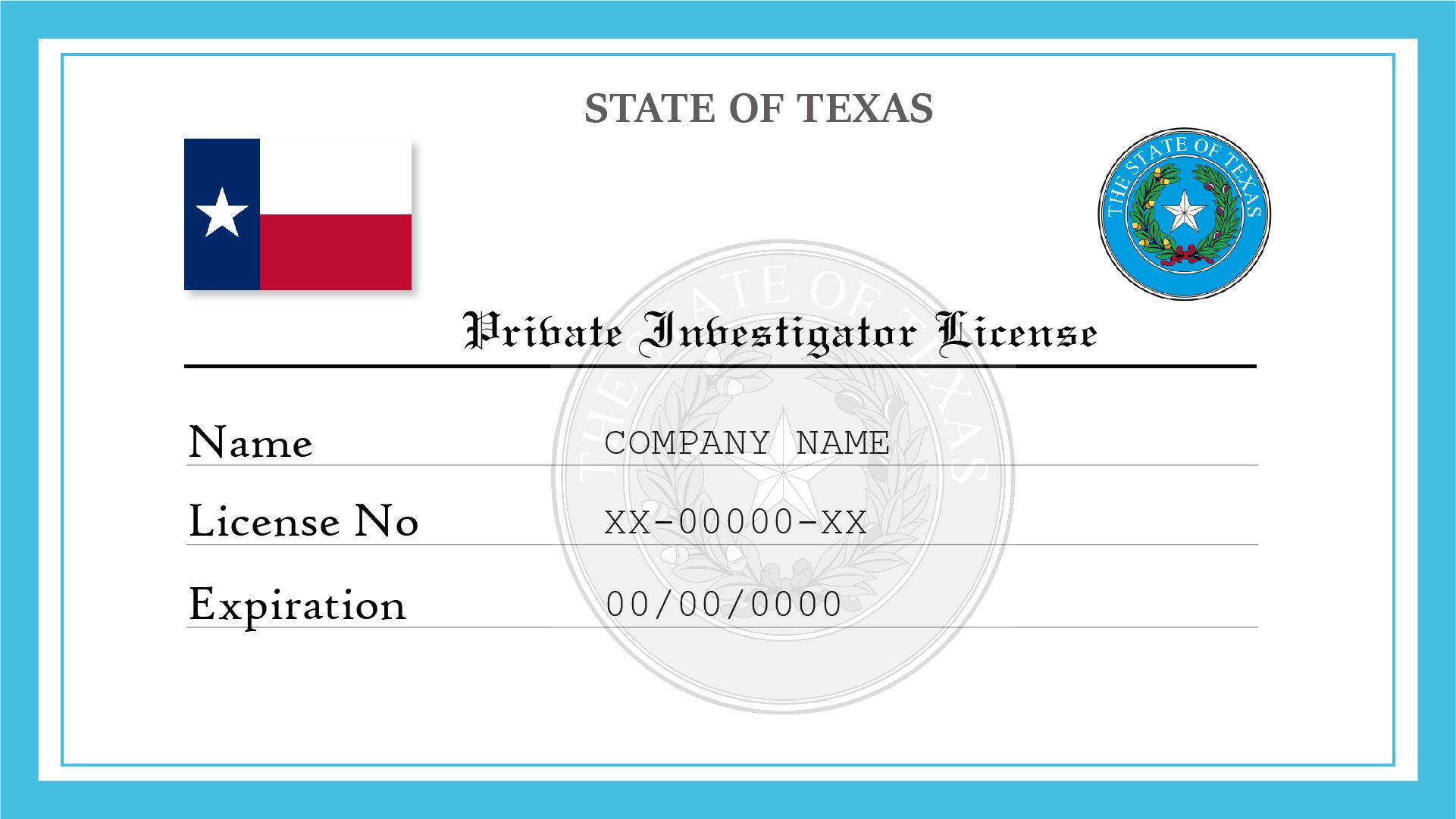
The life of a private investigator in Texas is inherently mobile. Cases rarely stay confined to a single office, or even a single city. This means that a PI’s operational strategy must include thoughtful consideration of travel logistics, discreet accommodation choices, and an almost intuitive understanding of how to blend into various local cultures. Effectively managing these elements is not just about convenience; it’s fundamental to the success and security of an investigation.
Strategic Travel for Investigations Across Texas
Texas is a vast state, encompassing everything from major urban centers to remote desert landscapes and coastal regions. A PI’s investigative reach often extends across these diverse geographies, necessitating strategic travel planning. Whether it’s driving hundreds of miles for a surveillance operation in El Paso, flying to Houston for a corporate fraud case, or renting a vehicle for discreet work around South Padre Island, transportation choices are critical. Considerations include the speed required to reach a location, the need for anonymity (e.g., avoiding personal vehicles for stakeouts), and budget constraints. Many PIs maintain a fleet of inconspicuous vehicles, often renting cars to avoid linking their personal vehicle to an investigation. They become adept at navigating complex road networks, understanding the nuances of traffic patterns in major Texas cities, and even utilizing public transportation when appropriate to maintain a low profile. The ability to travel efficiently and unobtrusively is a core competency that directly impacts the success of an assignment, transforming the state’s highways and byways into a PI’s mobile office.
Selecting Discreet Accommodation: Hotels, Suites, and Blending In
For investigations that span multiple days or require prolonged presence in a specific area, selecting the right accommodation is paramount for a private investigator. This isn’t about luxury; it’s about strategy, discretion, and operational effectiveness. PIs often need to book hotels, motels, or even short-term apartment rentals that offer privacy and an unnoticeable presence. An investigator might opt for a standard Marriott or Hilton in one city for its anonymity and amenities, while preferring a smaller, less conspicuous motel in another. Extended-stay suites or Airbnb rentals might be chosen for longer assignments, providing a more homely and less transient appearance, allowing the PI to blend into a residential setting.
The criteria for choosing accommodation go beyond just price and location. A PI considers factors like the availability of a secure parking spot, proximity to the surveillance target, ease of access to exit routes, and the general ambiance of the establishment—does it attract attention, or does it allow one to disappear into the background? Booking accommodation under an assumed name or through a third-party service can add an extra layer of security. For a PI, a hotel room isn’t just a place to sleep; it’s a temporary base of operations, a secure space for equipment, and a critical component of maintaining cover throughout the duration of an investigation.
Leveraging Local Knowledge: Tourism, Landmarks, and Lifestyle
To truly operate effectively and blend in, a private investigator must develop a profound understanding of the areas they work in, embracing the principles often associated with tourism and local culture. This means knowing not just the major landmarks like The Alamo in San Antonio or Space Center Houston, but also the less obvious local hangouts, popular restaurants, and community events. For instance, conducting surveillance at a vibrant spot like the Dallas Arts District requires a different approach than observing someone at a quieter Texas Hill Country winery.
A PI might utilize a city’s famous attractions as a natural backdrop for discreet observation, posing as a tourist while actually conducting surveillance. Understanding the ebb and flow of tourist crowds, local festivals, and even daily routines can provide valuable cover and opportunities for investigation. Engaging with local food and popular activities helps an investigator maintain their cover, making them appear as a part of the local fabric rather than an outsider. This immersive approach to a location, akin to a traveler seeking genuine experiences, allows PIs to anticipate movements, understand local behavioral patterns, and avoid drawing undue attention. It’s a key aspect of their “lifestyle” — one that demands constant adaptation and a genuine appreciation for the diverse tapestry of Texas life.
Building a Successful PI Career in the Lone Star State
Once licensed, the journey of a private investigator in Texas shifts from acquiring credentials to building a sustainable and respected career. This phase involves continuous learning, networking, and strategically managing the unique demands of the PI lifestyle, often balancing professional rigor with personal flexibility.
Maintaining Your License and Continuing Professional Development
Obtaining a PI license in Texas is not a one-time achievement; it’s an ongoing commitment. The Texas Department of Public Safety requires licensed investigators to renew their licenses periodically, typically every two years. Part of this renewal process often includes completing continuing education credits to ensure that PIs remain current with evolving laws, investigative techniques, and technological advancements. This commitment to professional development is crucial in a field that is constantly changing. PIs might attend seminars on new surveillance technologies, workshops on cyber forensics, or legal updates affecting their practice. Networking with other professionals in the field, attending industry conferences, and participating in professional associations like the Texas Association of Licensed Investigators (TALI) are invaluable for sharing knowledge, gaining referrals, and staying informed about best practices. This continuous learning not only fulfills regulatory requirements but also enhances a PI’s skill set, allowing them to take on more complex and diverse cases and maintain a competitive edge in the market.

The Lifestyle of a Texas Private Investigator
The lifestyle of a private investigator in Texas is anything but nine-to-five. It’s a demanding profession that often involves irregular hours, covert operations, and the aforementioned frequent travel. A PI must be prepared to be on the road at a moment’s notice, whether it’s for a quick trip across town in Austin or an overnight surveillance mission to a distant Texas town. This constant mobility means PIs develop an expert-level understanding of business travel, often seeking out accommodation that is both practical and secure. They might become regulars at various hotel chains like Hyatt or Motel 6, depending on the case’s needs and budget.
The personal life of a PI is often intertwined with their work, requiring a high degree of discretion and a careful balance to maintain healthy boundaries. The satisfaction, however, comes from solving complex puzzles, providing closure to clients, and upholding justice. It’s a unique lifestyle that appeals to those with a strong sense of curiosity, resilience, and an independent spirit. For those who find excitement in the chase, fulfillment in uncovering hidden truths, and thrive in an environment that combines intellectual challenge with the freedom of mobility, a career as a private investigator in Texas offers an unparalleled professional journey. It’s a path that is not just about investigative techniques, but also about mastering the art of seamless movement through the diverse landscapes and communities of one of America’s most fascinating states.
Becoming a private investigator in Texas is a demanding yet rewarding career path that requires a unique blend of qualifications, practical experience, and an adaptable mindset. From the initial steps of meeting eligibility criteria and undergoing rigorous training to navigating the complexities of state licensing and continuous professional development, each stage builds towards a truly dynamic profession. What truly sets a successful Texas PI apart is their mastery of operating outside a traditional office setting. Their “mobile office” philosophy, encompassing strategic travel planning, judicious accommodation choices, and an intuitive understanding of local culture and landmarks, transforms the entire state into their investigative playground. For individuals driven by curiosity, integrity, and a readiness for a lifestyle that is constantly on the move, the journey to becoming a private investigator in the Lone Star State promises an endlessly fascinating and impactful career.
LifeOutOfTheBox is a participant in the Amazon Services LLC Associates Program, an affiliate advertising program designed to provide a means for sites to earn advertising fees by advertising and linking to Amazon.com. Amazon, the Amazon logo, AmazonSupply, and the AmazonSupply logo are trademarks of Amazon.com, Inc. or its affiliates. As an Amazon Associate we earn affiliate commissions from qualifying purchases.