
The crisp air of the Rocky Mountains, the vibrant urban landscape, and the endless opportunities for adventure – these are just some of the reasons travelers flock to Denver, Colorado. But beyond its stunning scenery and lively culture, one question often arises for visitors, especially those meticulously planning their itineraries: “Is Denver, Colorado Mountain Time?” The straightforward answer is a resounding yes. Denver proudly operates within the Mountain Time Zone, a crucial piece of information for anyone navigating the logistics of travel, from booking flights to scheduling meetings or simply enjoying the sunrise.
Understanding Denver’s time zone is more than just knowing what time to set your watch; it’s a key detail that influences your entire travel experience. For globetrotters arriving from different parts of the United States or international destinations like the United Kingdom, Europe, or Asia, adjusting to the local time can impact everything from sleep schedules to transportation connections. This guide will not only confirm Denver’s place in the chronological landscape but also delve into what that means for your journey, offering insights into how to make the most of your time in the Mile High City, no matter where you’re coming from. From the practicalities of time zone adjustments to the myriad attractions that await, we’ll explore why Denver’s position in the Mountain Time Zone is just one fascinating facet of this incredible destination.
Understanding Mountain Time: Denver’s Chronological Anchor
For anyone planning a trip to Denver, grasping the intricacies of the Mountain Time Zone is foundational. This time zone, often abbreviated as MT, is one of the six standard time zones observed in the United States, alongside Eastern Time, Central Time, Pacific Time, Alaska Time, and Hawaii Time. Its designation reflects its geographical location, primarily encompassing states that lie within or near the Rocky Mountains range. Denver, being the capital of Colorado and situated at the eastern edge of these majestic mountains, falls squarely within this zone.
The Mountain Time Zone is generally seven hours behind Coordinated Universal Time (UTC-7) during Standard Time and six hours behind (UTC-6) during Daylight Saving Time. This difference is crucial for travelers, particularly those flying in from Central Time (one hour ahead of MT) or Pacific Time (one hour behind MT). For international visitors, the adjustment can be even more significant, often requiring several days to acclimatize to the local rhythms. Understanding this standard helps in planning flight arrivals, connecting with people in different time zones, and even scheduling online meetings or virtual tours before or after your visit. The precise adherence to Mountain Time ensures that Denver remains in sync with its neighboring states and provides a predictable framework for daily life and tourism operations.
Mountain Standard Time vs. Mountain Daylight Time
The concept of Mountain Time becomes slightly more nuanced with the introduction of Daylight Saving Time. During roughly eight months of the year, from early March to early November, Denver observes Mountain Daylight Time (MDT). This means the clocks are moved forward by one hour, effectively making it UTC-6. The primary goal of Daylight Saving Time is to make better use of daylight, shifting an hour of daylight from the morning to the evening during the warmer months. This extra hour of evening light is a boon for tourism and outdoor activities in Denver, allowing visitors and locals alike to enjoy attractions, hiking trails, and patio dining for longer into the evening.
When Daylight Saving Time ends in early November, clocks are turned back by one hour, and the city reverts to Mountain Standard Time (MST), which is UTC-7. This transition can sometimes cause minor confusion for travelers unfamiliar with the concept. While most modern devices automatically adjust, it’s always wise to double-check, especially if you have important appointments or are relying on printed schedules. States observing Mountain Time that participate in Daylight Saving Time include Colorado, Montana, New Mexico, Utah, and Wyoming, along with parts of Idaho, Kansas, Nebraska, North Dakota, Oregon, South Dakota, and Texas. Notably, most of Arizona observes Mountain Standard Time year-round, opting out of Daylight Saving Time. This consistent observance of Mountain Standard Time in Arizona means that during the summer months, Arizona is effectively on the same time as Pacific Daylight Time, adding another layer of complexity for cross-state travel planning in the region.
Navigating Time Zones as a Traveler
For visitors to Denver, understanding the time zone implications goes beyond mere curiosity; it’s a practical necessity for seamless travel. When flying into Denver International Airport (DIA) from the east, you’ll gain hours, which can be a pleasant surprise but also requires careful planning for connections or immediate activities. Arriving from the west, however, means losing hours, which can exacerbate jet lag. For instance, a 10 AM flight from Los Angeles (Pacific Time) arriving in Denver (Mountain Time) after a two-hour flight would land at 1 PM local time, despite only two hours passing on the plane. Conversely, a 10 AM flight from Chicago (Central Time) arriving in Denver after a two-hour flight would land at 11 AM local time, gaining an hour relative to the departure time.
To mitigate the effects of time zone changes, especially jet lag, travelers are advised to adjust their sleep schedule gradually before departure, stay hydrated, and try to embrace the local time upon arrival. Planning meetings, dinner reservations, or tours should always be done with the local Mountain Time in mind. This foresight ensures you’re not rushing or missing out on experiences due to a simple time oversight. Whether you’re an international traveler or a domestic tourist, aligning your internal clock with Denver’s Mountain Time will set the stage for a relaxed and well-organized visit. The extra hour of daylight during MDT is perfect for exploring Denver’s outdoor attractions, while the shift back to MST in the fall brings earlier sunsets, inviting cozy evenings in the city’s many restaurants and breweries.
Beyond the Clock: Why Denver Captivates Travelers
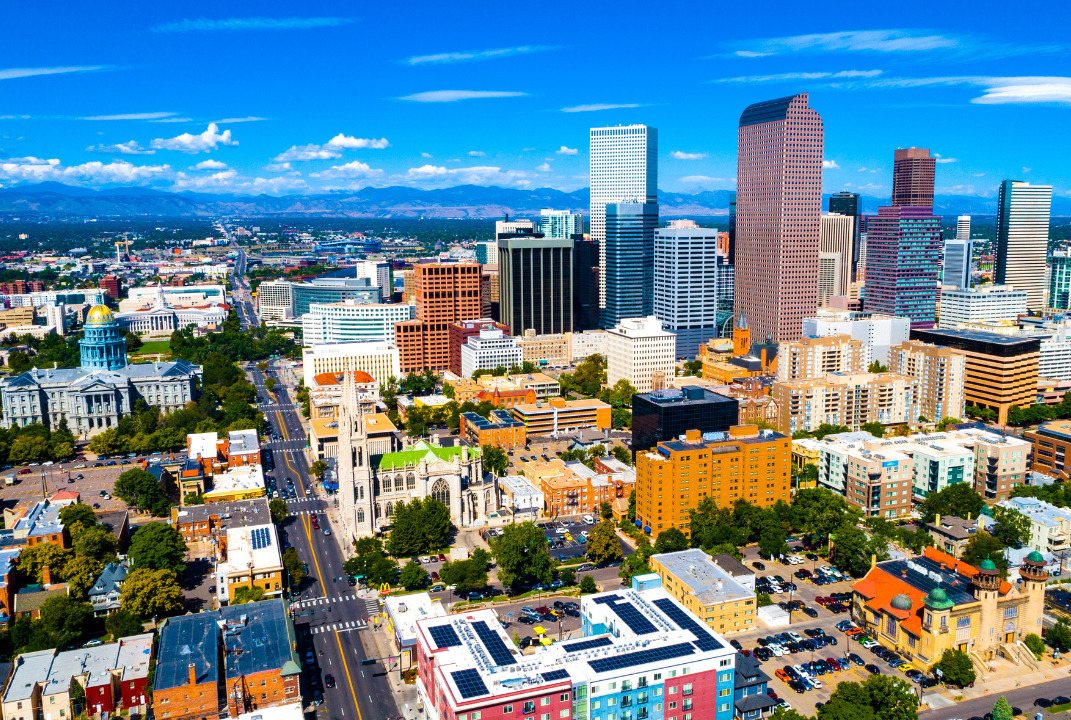
While understanding Denver’s position in the Mountain Time Zone is a practical necessity, it’s just a tiny piece of what makes this vibrant city a premier travel destination. Denver, often dubbed the “Mile High City” for its elevation, offers a unique blend of urban sophistication and rugged outdoor charm. It serves as an ideal base for exploring the grandeur of the Rocky Mountains while providing a rich tapestry of cultural attractions, diverse culinary experiences, and a thriving arts scene. The city’s dynamic atmosphere, coupled with its accessibility to some of the nation’s most breathtaking natural landscapes, makes it a magnet for all types of travelers, from adventure seekers and nature enthusiasts to culture buffs and urban explorers.
The lifestyle in Denver is distinct, heavily influenced by its elevation and proximity to the mountains. There’s an undeniable emphasis on health, wellness, and outdoor recreation, making it a perfect spot for those looking to combine an active vacation with city amenities. Yet, for those who prefer a more relaxed pace, Denver also delivers with its plethora of museums, galleries, craft breweries, and upscale dining establishments. From the historic streets of LoDo (Lower Downtown) to the trendy boutiques of Cherry Creek, each neighborhood tells its own story, contributing to the city’s multifaceted appeal. It’s a place where you can ski in the morning and attend a Broadway show in the evening, all while experiencing the unique rhythm of Mountain Time.
A Gateway to the Rockies and Outdoor Adventures
Denver’s geographical advantage at the foothills of the Rocky Mountains makes it an unparalleled hub for outdoor adventures. Within a short drive, visitors can find themselves immersed in landscapes that range from challenging peaks to serene alpine lakes. For many, Colorado is synonymous with world-class skiing and snowboarding, and Denver acts as the perfect jumping-off point for resorts like Vail, Aspen, Breckenridge, Winter Park, and Keystone. During the warmer months, these same mountains transform into havens for hiking, mountain biking, rock climbing, and whitewater rafting.

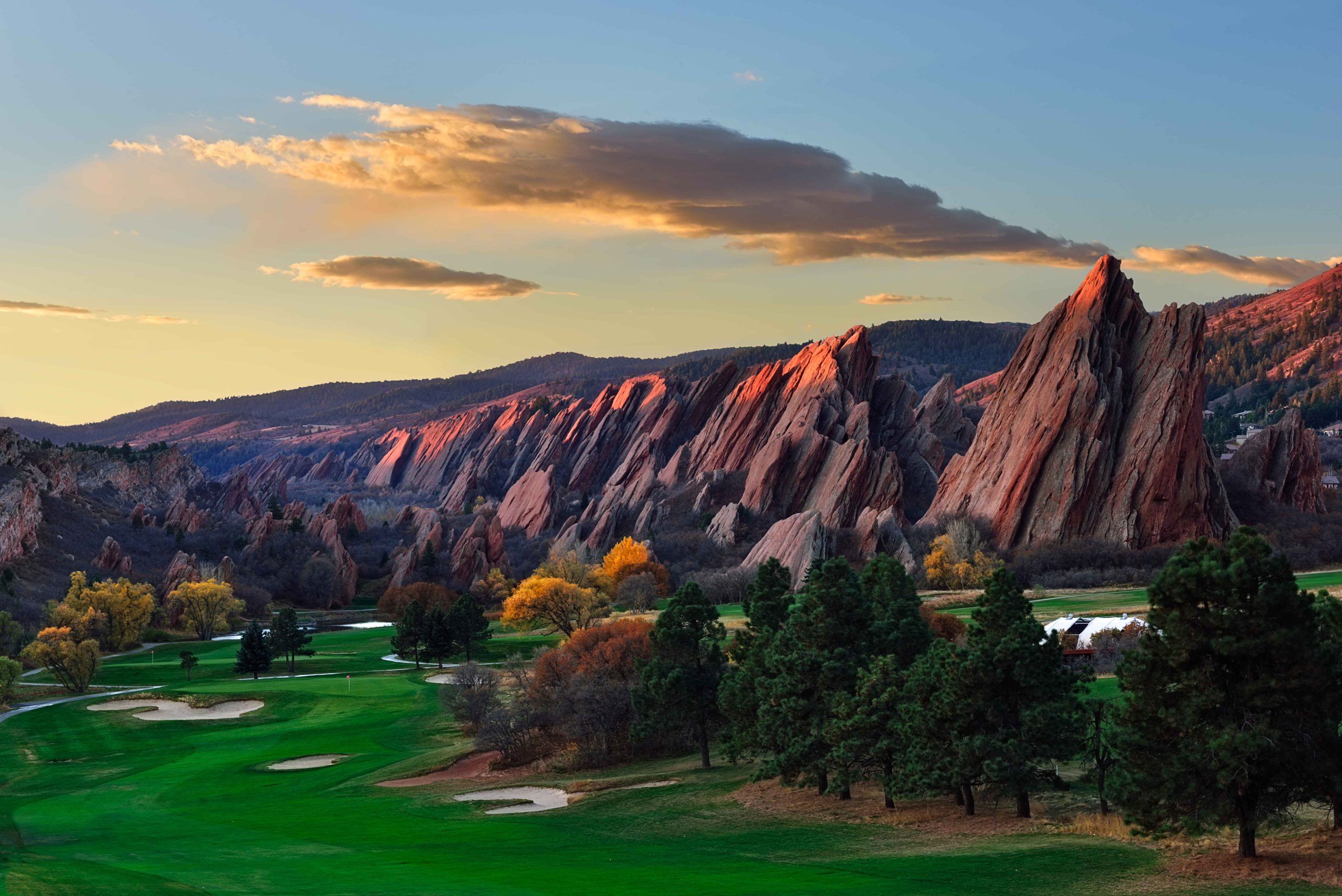
The nearby Rocky Mountain National Park offers stunning vistas, abundant wildlife, and hundreds of miles of trails for every skill level. Even closer to the city, Red Rocks Amphitheatre, a naturally formed, world-renowned outdoor concert venue, also features beautiful hiking trails with breathtaking views of the city and the Front Range. For those who prefer a less strenuous outdoor experience, the countless city parks and green spaces, like City Park or Washington Park, provide ample opportunities for leisurely strolls, picnics, and enjoying the Colorado sunshine. The proximity to nature is a defining characteristic of Denver’s lifestyle, influencing everything from the local diet to fashion and weekend plans.
Urban Charms, Culture, and Culinary Delights
Beyond its natural beauty, Denver boasts a rich urban tapestry filled with cultural attractions, historical landmarks, and a burgeoning culinary scene. The city’s downtown core is a walkable delight, home to attractions like Union Station, a beautifully restored Beaux-Arts landmark that now serves as a vibrant transportation hub, hotel, and dining destination. The 16th Street Mall, a mile-long pedestrian promenade designed by I.M. Pei, offers free shuttle buses and is lined with shops, restaurants, and entertainment options.
Art and history enthusiasts will find plenty to explore. The Denver Art Museum, known for its striking architecture and extensive collection of Native American art, is a must-visit. Other notable cultural institutions include the Denver Museum of Nature & Science, the Denver Botanic Gardens, and the Downtown Aquarium. The Capitol Hill neighborhood is home to the stunning Colorado State Capitol Building with its iconic gold dome and a step marking exactly one mile above sea level. For sports fans, Coors Field (baseball) and Empower Field at Mile High (football) offer thrilling game-day experiences.
Denver’s culinary scene is a vibrant reflection of its diverse population and a commitment to fresh, local ingredients. From farm-to-table restaurants and innovative fusion cuisine to classic Colorado steakhouses and casual eateries, there’s something to satisfy every palate. The city is particularly renowned for its craft beer scene, with numerous breweries dotted across neighborhoods like the RiNo Art District, offering tours and tastings. For a taste of history and local flavor, a day trip to Golden, home to the Coors Brewery, or Boulder, with its picturesque Pearl Street Mall and stunning Flatirons views, are highly recommended and easily accessible from Denver. These cities also operate on Mountain Time, simplifying travel between them.
Planning Your Denver Experience: From Stays to Strategies
Planning a trip to Denver requires more than just knowing it’s on Mountain Time; it involves careful consideration of accommodation, transportation, and adapting to the unique aspects of the Mile High City. Whether you’re traveling for a luxurious getaway, a budget-conscious adventure, a family vacation, or a business stay, Denver offers a wide array of options to suit every preference and pocket. The goal is to craft an itinerary that maximizes your time, comfort, and enjoyment, allowing you to fully immerse yourself in all that Colorado’s capital has to offer. From selecting the perfect hotel to understanding local nuances like altitude, a little preparation goes a long way in ensuring a memorable visit.
As a major tourism hub, Denver understands the needs of its visitors. The city’s infrastructure is designed to be traveler-friendly, with efficient public transportation options and a comprehensive network of hotels and hospitality services. However, popular periods, especially during peak ski season or summer festivals, can see higher demand and prices. Therefore, booking in advance, particularly for accommodation and popular attractions, is always a wise strategy. Being aware of major events, like conventions at the Colorado Convention Center or large concerts at Red Rocks Amphitheatre, can also help you plan around crowds or secure better deals.
Finding Your Perfect Accommodation in the Mile High City
Denver’s accommodation landscape is as diverse as its attractions, offering everything from historic boutique hotels to modern high-rise resorts and cozy vacation rentals. When choosing where to stay, consider the type of experience you’re seeking and the neighborhoods that best align with your interests.
- Downtown/LoDo: For those who want to be in the heart of the action, Downtown and LoDo offer excellent options. Here, you’ll find luxury hotels, stylish boutique properties, and convenient access to Union Station, Coors Field, the 16th Street Mall, and numerous restaurants and nightlife spots. This area is ideal for business travelers attending events at the Colorado Convention Center or leisure travelers who enjoy urban exploration.
- Cherry Creek: If upscale shopping, fine dining, and a more refined atmosphere are what you’re after, Cherry Creek is the neighborhood for you. It features high-end hotels and a sophisticated vibe, perfect for luxury travel or a romantic getaway.
- RiNo Art District: The RiNo Art District is a vibrant, trendy area known for its street art, galleries, breweries, and innovative eateries. Accommodation here tends to be more boutique or apartment-style, appealing to travelers looking for a creative and energetic environment.
- Capitol Hill: For a taste of Denver’s historic charm and a more residential feel, Capitol Hill offers charming hotels and guesthouses. It’s close to the Colorado State Capitol Building and the Denver Art Museum, providing a blend of culture and local living.
When booking, consider amenities like fitness centers, pools (especially if traveling with family), complimentary breakfast, and shuttle services. Reading reviews and comparing prices on various booking platforms can help you find the best deals for your chosen accommodation type. For longer stays, consider serviced apartments or villas that offer more space and kitchen facilities.
Essential Tips for a Seamless Denver Visit
To ensure your Denver trip is as smooth and enjoyable as possible, keep these practical tips in mind:
- Hydrate and Acclimatize to Altitude: Denver’s “Mile High” elevation (approximately 5,280 feet or 1,609 meters above sea level) means the air is thinner and drier. It’s crucial to drink plenty of water, even more than you think you need, especially in the first few days. Avoid excessive alcohol and strenuous activity on your arrival day to help prevent altitude sickness, which can manifest as headaches, nausea, or dizziness.
- Dress in Layers: Colorado weather, particularly in the mountains, can be unpredictable and change rapidly. Even on sunny days, evenings can be cool, and sudden afternoon showers or snow are not uncommon, especially outside of peak summer. Layering your clothing allows you to adapt comfortably to fluctuating temperatures.
- Sun Protection is Key: Due to the higher elevation, the sun’s rays are more intense in Denver. Always apply sunscreen, wear sunglasses, and consider a hat, even on cloudy days, to protect yourself from harmful UV radiation.
- Embrace Public Transportation: Denver’s Regional Transportation District (RTD) offers an efficient network of buses and light rail, making it easy to navigate the city. The A Line connects DIA directly to Union Station downtown, providing a convenient and cost-effective transfer for airport arrivals. Consider purchasing a day pass if you plan to use public transport extensively. For destinations outside the immediate urban core, ride-sharing services and car rentals are readily available.
- Plan Mountain Excursions: If you’re heading into the Rockies for hiking or skiing, check weather and road conditions beforehand. Mountain roads can be challenging, especially in winter, and some passes may close due to snow. Always inform someone of your itinerary if you’re venturing into remote areas.
- Take Advantage of Daylight Saving Time: If your visit falls during Mountain Daylight Time (MDT), capitalize on the extended daylight hours. Plan outdoor activities, scenic drives, or evening strolls to fully appreciate the extra hour of sunshine.
By keeping these tips in mind, and remembering that Denver operates on Mountain Time with its seasonal shift to Mountain Daylight Time, you’ll be well-prepared for an unforgettable exploration of this magnificent Colorado gem. The city’s unique blend of natural beauty, urban excitement, and a distinctive time zone contributes to an enriching travel experience that leaves a lasting impression.
In conclusion, the answer to “Is Denver, Colorado Mountain Time?” is unequivocally yes. This practical detail forms a foundational piece of information for any visitor, guiding everything from flight schedules to daily itineraries. But Denver is much more than just a dot on the time zone map. It’s a vibrant, dynamic city where the majestic Rocky Mountains meet urban sophistication. From its world-class cultural institutions and thriving culinary scene to its unparalleled access to outdoor adventures, the Mile High City offers a rich tapestry of experiences for every type of traveler. By understanding its time zone, planning your stay, and embracing the local lifestyle, you’re set to discover why Denver remains a truly captivating destination, inviting you to live life out of the box in its unique chronological rhythm.
LifeOutOfTheBox is a participant in the Amazon Services LLC Associates Program, an affiliate advertising program designed to provide a means for sites to earn advertising fees by advertising and linking to Amazon.com. Amazon, the Amazon logo, AmazonSupply, and the AmazonSupply logo are trademarks of Amazon.com, Inc. or its affiliates. As an Amazon Associate we earn affiliate commissions from qualifying purchases.