
Embarking on the journey to obtain a driver’s permit in Texas is more than just navigating bureaucratic steps; it’s about unlocking a new level of independence, especially crucial for those eager to explore the vast and diverse landscapes of the Lone Star State. From the bustling metropolises like Houston and Dallas to the serene beauty of Big Bend National Park or the historic charm of San Antonio, having the ability to drive independently transforms your travel experiences and lifestyle choices. Whether you’re a long-term resident, a new arrival considering a move, or a family planning a future of adventurous road trips, understanding the permit process is your first step towards mobility and discovery.
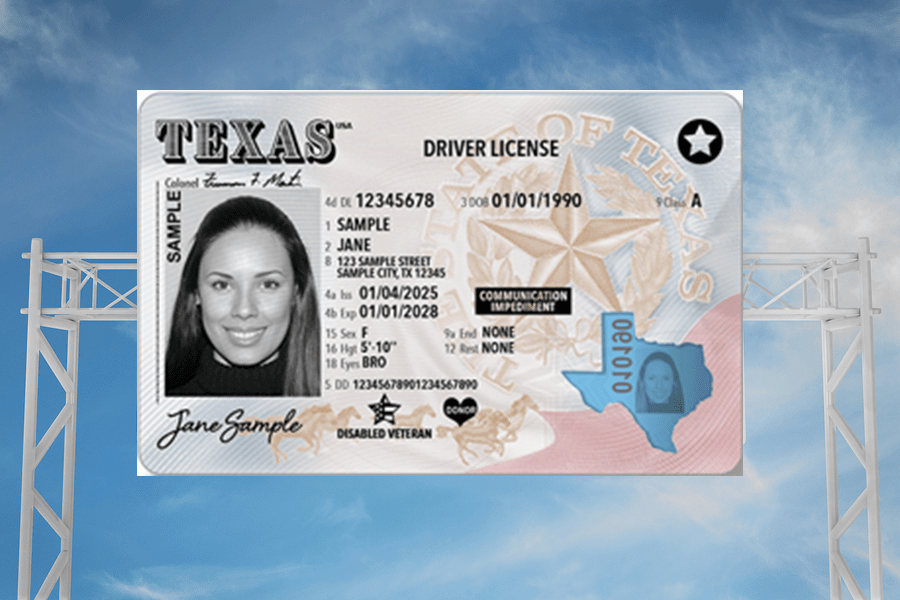
This comprehensive guide will walk you through everything you need to know about securing your driver’s permit in Texas. We’ll cover eligibility, required documents, the application process, and what to expect once you have your permit in hand. Beyond the logistics, we’ll also delve into how this newfound freedom can enrich your travel plans, opening doors to countless destinations and experiences across one of America’s most captivating states.
Understanding the Texas Driver’s Permit Landscape
Before you hit the road, even with a supervisor, it’s vital to grasp the different types of permits available and the specific requirements for each. Texas offers a structured path for new drivers, ensuring they gain experience safely before obtaining a full license. This phased approach is designed to promote responsible driving habits, which are essential for navigating everything from urban streets to scenic rural highways.
Different Types of Permits: Your First Step Towards the Open Road
For most aspiring young drivers, the journey begins with an Instruction Permit, commonly known as a learner’s permit. This permit allows individuals to practice driving under the direct supervision of a licensed adult. It’s the foundational step for anyone under 18 aiming for a Class C driver’s license. The Instruction Permit is your ticket to hands-on learning, enabling you to become familiar with vehicle operation, traffic laws, and varying road conditions, all while under the watchful eye of an experienced driver. This crucial practice period is invaluable, building confidence for future solo journeys to hidden Texas gems or weekend getaways.
For some specific cases, Texas also offers a Minor Restricted Driver License, often referred to as a hardship license. This permit is for minors aged 15 to 18 who demonstrate an essential need to drive due to family hardship (e.g., illness, financial necessity, or school attendance issues) and meet specific criteria. While less common than the Instruction Permit, it serves a critical role for families facing unique circumstances, providing mobility where it’s most needed. Understanding which permit aligns with your situation is the first key step.
Eligibility Requirements: Paving Your Way to Independence
To qualify for an Instruction Permit in Texas, applicants must generally meet the following criteria:
- Age: You must be at least 15 years old. This age threshold is carefully chosen to ensure a level of maturity and cognitive development necessary for learning to drive.
- Driver Education: Enrollment in or completion of an approved driver education course is mandatory. This can be a traditional classroom course or an online program, offering flexibility to suit different lifestyles, including those balancing school, work, or travel preparations. For instance, an online course can be completed from a hotel room during a family vacation, allowing for seamless progress.
- Residency: You must be a legal resident of Texas. This typically requires providing proof of residency, which can include utility bills, school records, or lease agreements. For new residents, this might mean gathering documents from a recent move, which could involve temporary accommodation options.
- Parent/Guardian Consent: If you are under 18, a parent or legal guardian must sign an application for you. This underscores the shared responsibility in a young driver’s development.
- School Enrollment: Applicants under 18 must be enrolled in and attending school, or have a high school diploma or GED. This requirement ensures that academic responsibilities are maintained alongside driving aspirations.
Meeting these eligibility requirements is fundamental. Gathering the necessary documentation and preparing for the knowledge test are the next critical phases in your journey towards gaining the freedom of the open road.
The Step-by-Step Application Process: Your Roadmap to a Texas Permit
Navigating the application process for a driver’s permit in Texas can seem daunting, but by breaking it down into manageable steps, it becomes a clear path. Each stage is designed to ensure that new drivers are well-prepared and properly vetted before they begin their driving practice. This careful process contributes to safer roads for everyone, whether you’re commuting to work or embarking on a cross-state road trip.
Gathering Essential Documents: Your Travel Itinerary for the DPS
Before you visit a Department of Public Safety (DPS) office, assembling the correct documents is paramount. Think of it as packing your essentials for a trip; without them, you won’t get far. Here’s a checklist of what you’ll typically need:
- Proof of Identity: Original or certified copy of your birth certificate, U.S. passport, or unexpired foreign passport with a U.S. visa and I-94. This confirms who you are.
- Proof of Social Security Number: Your Social Security card or a government-issued document displaying your SSN.
- Proof of U.S. Citizenship or Lawful Presence: For non-citizens, this includes documentation from the U.S. Citizenship and Immigration Services verifying your lawful presence.
- Proof of Texas Residency: Two different documents showing your name and current Texas residential address. Examples include a utility bill, a bank statement, a current car insurance policy or statement, or a school transcript. For individuals who have recently moved to Texas, this might involve documents from their current accommodation, whether it’s a rental agreement for an apartment or mail confirming their address at a temporary residence.
- Proof of Enrollment/Completion of Driver Education: This could be a DE-964 certificate (Certificate of Driver Education) or a PTDE form (Parent Taught Driver Education) if applicable.
- Verification of Enrollment and Attendance (VOE) form: If you are under 18, this form must be obtained from your high school or its equivalent, proving you are enrolled and attending.
- Parent/Guardian or Legal Guardian Consent Form (DL-14A): Required for applicants under 18, signed by a parent or legal guardian.
- Application for an Original Texas Driver License or Identification Card (DL-14A): This form will be completed at the DPS office.
Having these documents organized and ready will significantly streamline your visit to the DPS and prevent unnecessary delays.
Driver Education Requirements: Learning the Ropes from Afar or Up Close
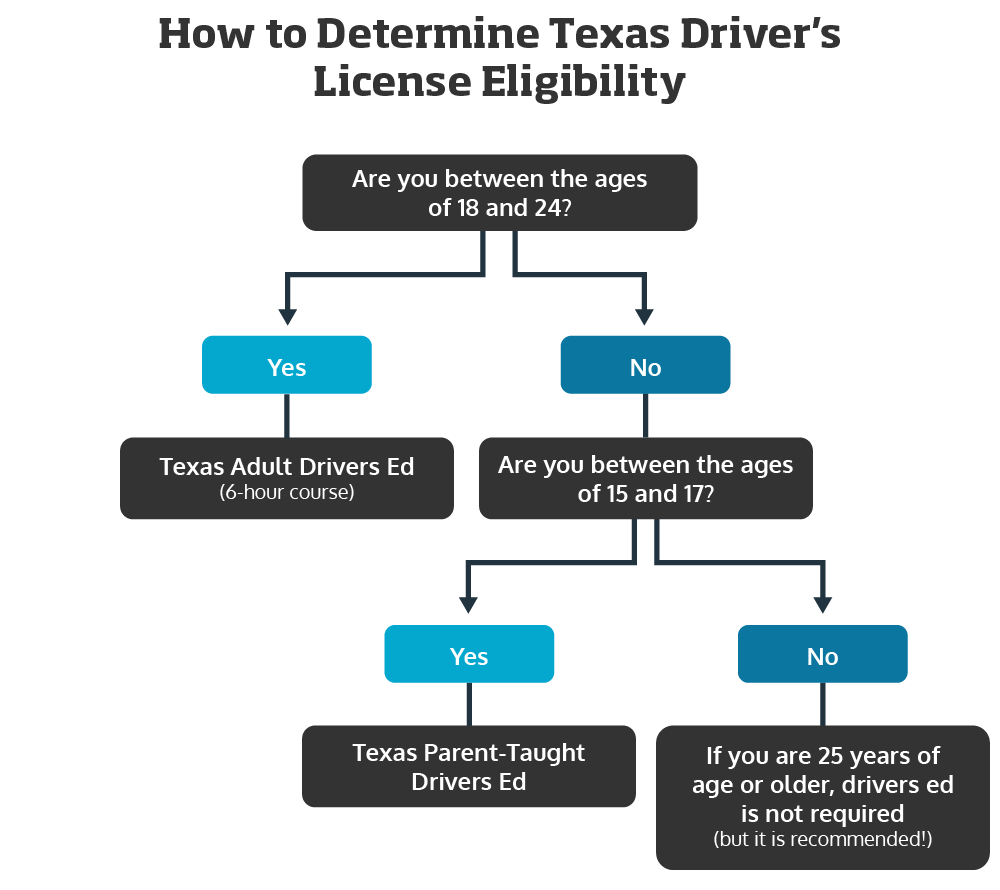
Before you can even apply for a permit, Texas mandates that you either complete a driver education course or be actively enrolled in one. This requirement is in place to equip new drivers with theoretical knowledge of road rules, safe driving practices, and defensive driving techniques.
- Traditional Classroom Courses: Many high schools and private driving schools offer in-person driver education. These courses provide structured learning environments with certified instructors.
- Online Driver Education: For those with busy schedules or who prefer the flexibility of learning at their own pace, numerous approved online driver education programs are available. This option is particularly convenient for students who might be traveling or whose schedules don’t permit fixed classroom times. Imagine completing your coursework from a vacation rental on South Padre Island or a hotel suite in Austin!
- Parent-Taught Driver Education (PTDE): This program allows parents or legal guardians to teach their children. It requires the parent to apply for the PTDE program packet from the DPS and meticulously follow the curriculum. This can be a rewarding bonding experience, and offers immense flexibility.
Regardless of the method chosen, the goal is to instill a strong understanding of road safety and the legal framework of driving in Texas.
The Knowledge Test: Proving Your Understanding of the Road Ahead
Once your documents are in order and you’ve fulfilled the driver education requirements, your next hurdle is the written knowledge test. This test assesses your understanding of Texas traffic laws, road signs, and safe driving practices.
- Study Materials: The official Texas Driver Handbook is your primary study guide. It contains all the information you need to pass the test.
- Practice Tests: Many online resources offer practice tests that simulate the actual exam. Taking these can help you identify areas where you need more study and build confidence.
- What to Expect: The test typically consists of multiple-choice questions. You’ll need to answer a certain percentage correctly to pass. Don’t be discouraged if you don’t pass on your first attempt; you can usually retake it after a waiting period. This test ensures that every new driver has a foundational understanding of how to navigate the diverse road systems, from the intricate highways around Fort Worth to the long, open stretches leading to El Paso.
Vision and Other Tests: Ensuring You’re Fit to Drive
At the DPS office, in addition to the knowledge test, you will undergo a vision test. This simple test ensures your eyesight meets the minimum requirements for safe driving. If you wear corrective lenses, be sure to bring them. In some cases, you might also be asked to provide fingerprints and a photograph for your permit. These steps are standard security protocols to ensure the identity and safety of all licensed drivers.
The Application Submission and Fee Payment: Finalizing Your Permit Request
With all documents gathered, tests passed, and forms completed, you’ll finalize your application at the DPS office. You will submit your application, have your photo taken, and pay the required fee. The fee for an Instruction Permit is relatively modest, representing a small investment in your future mobility. Once processed, you will receive your temporary Instruction Permit, allowing you to begin your supervised driving practice immediately. The physical card will typically be mailed to your Texas address within a few weeks. This final step marks the official beginning of your driving journey in Texas, opening up possibilities for everything from daily commutes to exciting adventures across the state.
Life with a Texas Learner’s Permit: Rules and Responsibilities
Receiving your Texas Instruction Permit is a significant milestone, but it comes with a specific set of rules and responsibilities designed to ensure your safety and the safety of others on the road. This period is crucial for developing practical driving skills and building confidence under supervision. Adhering to these guidelines is not just about compliance; it’s about fostering good habits that will serve you well when you eventually receive your full driver’s license, enabling you to confidently explore every corner of Texas.
Driving Restrictions: Navigating the Road with a Supervisor
The Instruction Permit grants you permission to drive, but only under certain conditions:
- Supervision is Key: You must always be accompanied by a licensed driver who is at least 21 years old and has at least one year of driving experience. This supervisor must be seated in the front passenger seat, ready to provide immediate instruction and intervention if needed. This rule is non-negotiable and fundamental to the permit’s purpose: supervised learning.
- Time of Day: While Texas doesn’t impose strict nighttime driving restrictions for learner permit holders, it’s highly advisable for new drivers to gain significant experience during daylight hours before venturing out after dark. Night driving presents unique challenges, such as reduced visibility and different traffic patterns, making supervised daytime practice essential.
- Passenger Limits: There are generally no passenger restrictions for permit holders as long as the supervising driver is present. However, for a learner driver, it’s often beneficial to minimize distractions during the initial learning phase.
These restrictions are not meant to limit your freedom but to safeguard your learning process. Each hour spent driving under supervision is an investment in becoming a competent and responsible driver, ready for independent journeys to places like the Texas Hill Country or the historic Riverwalk in San Antonio.
Practice Driving Strategies: Mastering Diverse Texas Terrains
The goal of having an Instruction Permit is to gain diverse driving experience. Here are some strategies to make the most of your practice time:
- Vary Your Environments: Don’t just stick to familiar neighborhood streets. Practice driving in a variety of settings: suburban areas, rural roads, and controlled highway sections (with your supervisor’s comfort). Texas’ diverse geography, from the flat plains to the rolling hills, offers an excellent training ground.
- Practice Different Maneuvers: Work on parallel parking, three-point turns, lane changes, and navigating intersections. These are not just for the driving test; they are crucial skills for real-world driving. Consider practicing in quieter areas like a large empty parking lot before tackling busy city streets.
- Drive in Various Conditions: Safely practice driving in light rain or at dusk (under supervision). Experiencing different weather and lighting conditions builds resilience and adaptability.
- Log Your Hours: Texas requires minors to complete a certain number of supervised driving hours, including specific hours at night, before they can apply for a provisional license. Keeping a detailed log of your practice hours is essential for compliance and for tracking your progress. This methodical approach is vital for graduating to the next stage of licensing.
Preparing for the Driver’s License Test: The Final Leg of Your Journey
The Instruction Permit period culminates in the driver’s license road test. This test evaluates your ability to safely and independently operate a vehicle.
- Minimum Practice Hours: Ensure you meet the required supervised driving hours (typically 30 hours, including 10 hours at night, for those under 18) before scheduling your road test.
- Master Key Skills: Focus on perfecting maneuvers like parallel parking, backing up in a straight line, making proper turns, and maintaining safe following distances.
- Simulate the Test: Have your supervising driver simulate the road test, providing constructive feedback on areas needing improvement.
- Vehicle Readiness: On the day of the test, ensure the vehicle you use is in good working condition, properly registered, and insured. The DPS examiner will inspect it before the test begins.
By diligently practicing and adhering to all regulations, you’ll be well-prepared to pass your road test and transition to a provisional license, moving one step closer to truly independent exploration of places like Space Center Houston or the historic The Alamo.
Beyond the Permit: Transitioning to a Provisional License and Exploring Texas
The Instruction Permit is merely the beginning. Successfully completing the supervised driving phase and passing the road test will lead you to the Provisional Driver License, a significant step towards full driving independence. This transition is not just about legal status; it’s about the tangible freedom it grants, particularly in a state as expansive and filled with travel opportunities as Texas.
The Provisional License: Earning More Freedom
Once you’ve held your Instruction Permit for at least six months (if under 18), completed your required supervised driving hours, and passed the driving test, you’re eligible for a Provisional Driver License (Class C). This license allows you to drive unsupervised, but still with certain restrictions for minors:
- Passenger Restrictions: For the first 12 months, you cannot drive with more than one passenger under 21 who is not a family member, unless accompanied by a licensed driver 21 or older.
- Curfew: You cannot drive between midnight and 5:00 AM unless for school-related activities, medical emergencies, or employment, or accompanied by a licensed driver 21 or older.
- Mobile Phone Use: You are prohibited from using a wireless communications device, including a cell phone, for the first six months, except in an emergency.
These restrictions aim to ease young drivers into full driving privileges, reducing risks during their initial period of independent driving. It’s a bridge to complete freedom, giving you the ability to drive yourself to a part-time job or visit friends, building confidence for future adventures.
Unlocking Texas Adventures: Your License to Explore
With a Provisional License, and eventually a full driver’s license, the vastness of Texas truly opens up for exploration. Imagine the possibilities:
- Urban Explorations: Drive to Austin to experience its live music scene, explore the vibrant arts districts of Dallas, or delve into the rich history of San Antonio with its iconic The Alamo and picturesque Riverwalk. You can now choose your accommodation with ease, from boutique hotels in urban centers to charming bed and breakfasts in historic neighborhoods.
- Nature Escapes: Head west to the breathtaking landscapes of Big Bend National Park or Guadalupe Mountains National Park, where hiking, camping, and stargazing await. A license allows you to pack your gear and embark on spontaneous nature retreats.
- Coastal Getaways: Drive down to the Gulf Coast, perhaps to South Padre Island or Padre Island National Seashore, for beach relaxation, fishing, or water sports. No longer reliant on others, you can plan your own beach vacations.
- Hill Country Charm: Take a scenic drive through the Texas Hill Country, renowned for its wineries, swimming holes like those found near Canyon Lake and Lake Travis, and quaint towns like New Braunfels with attractions like Schlitterbahn. The freedom to explore these charming destinations at your own pace is invaluable.
- Theme Parks and Entertainment: A license means easy access to attractions like Six Flags Fiesta Texas in San Antonio or The Fort Worth Stockyards National Historic District, making weekend trips and family outings simpler to organize.
Having a driver’s license transforms your lifestyle, offering unparalleled freedom in planning trips, choosing destinations, and experiencing Texas in its entirety. It’s an essential tool for unlocking comprehensive travel experiences, whether you’re seeking luxury resorts or budget-friendly stays, cultural immersion or adventurous escapades.

Road Trip Essentials: Tips for New Drivers Exploring Texas
For new drivers, planning your first solo or near-solo road trip across Texas can be exhilarating. Here are a few tips to ensure a safe and enjoyable journey:
- Plan Your Route: Use navigation apps, but also have a general idea of your route and potential stops. This reduces stress and helps you discover interesting attractions along the way.
- Vehicle Check: Before any long trip, ensure your car is in good condition: check tire pressure, fluid levels, and lights.
- Pack Essentials: Always carry an emergency kit, water, snacks, and a first-aid kit.
- Stay Hydrated and Rested: Texas is vast, and driving long distances can be tiring. Take breaks, stretch, and ensure you’re well-rested before driving.
- Book Accommodation in Advance: Especially when traveling to popular destinations, booking hotels, resorts, or apartments in advance can save time and ensure you have a comfortable place to stay. Websites like lifeoutofthebox.com can be invaluable for finding the perfect accommodation.
The process of obtaining your driver’s permit in Texas is a structured path designed to create responsible and capable drivers. It’s a journey that culminates in the freedom to navigate the state’s diverse landscapes, vibrant cities, and hidden gems at your own pace. With your Texas driver’s license in hand, the open road truly becomes yours to explore, transforming how you travel, experience new cultures, and live your lifestyle. Get ready to embark on unforgettable Texas adventures!
LifeOutOfTheBox is a participant in the Amazon Services LLC Associates Program, an affiliate advertising program designed to provide a means for sites to earn advertising fees by advertising and linking to Amazon.com. Amazon, the Amazon logo, AmazonSupply, and the AmazonSupply logo are trademarks of Amazon.com, Inc. or its affiliates. As an Amazon Associate we earn affiliate commissions from qualifying purchases.